
REVIEW · BANGKOK
From Bangkok: Historical Day Tour to River Kwai
The most moving part of this day is not the famous bridge. It is the quiet cemetery and museum that explain the human cost behind the railway. I like that the tour gives you both the facts and the physical experience: first you learn what happened, then you ride a surviving section of the Death Railway yourself.
I also like the train ride through rural Thailand and the care shown by guides such as Luke, William, Woody, Jokey, and Henry. They explain the stops, help with train seating, and keep the day organized. The main drawback is the distance. The drive can take about three hours each way, and Bangkok traffic may turn this into a 12-hour day rather than a neat 10-hour outing.
Key points to know before booking
- Three hours each way: The long road trip is the price of seeing Kanchanaburi from Bangkok in one day.
- A serious WWII history tour: The cemetery and museum deserve quiet attention, not a rushed photo stop.
- Train ride on the original route: You travel along part of the railway built during World War II.
- The River Kwai bridge is only one part: The nearby museum, graves, railway track, and cave area give the day its meaning.
- Lunch and entry fees are included: You do not need to budget separately for the main stops or meal.
- Basic train fare does not reserve a seat: Pay THB 200 per person if you want an assigned seat.
Why the Death Railway still matters
The railway through Kanchanaburi was built during World War II under Japanese control. Its planned route was intended to connect Thailand with Burma, now Myanmar, and provide a supply line for the Japanese army.
Allied prisoners of war and Asian forced laborers worked in severe conditions. Many died from disease, exhaustion, starvation, accidents, and abuse. The name Death Railway is not a dramatic travel label. It reflects the scale of suffering tied to its construction.
That context matters because the bridge can otherwise feel like a quick sightseeing stop. You arrive, take photographs, watch trains pass, and move on. The cemetery and Thailand-Burma Railway Centre give the bridge its proper weight. They help you see the railway as more than a scenic train ride.
I appreciate the order of the main visits. Starting with the war cemetery and museum gives you a factual base. When you later cross the bridge and ride the railway, you understand what the track represents.
More history trips in Bangkok:
- River Kwai Day Tour from Bangkok – History, Scenery & Culture
★ 4.5 · 206 reviews - River Kwai Day Tour from Bangkok: History, Scenic Views & Culture
★ 4.5 · 36 reviews - Private Historic River Kwai Death Railway, War Cemetery and Hellfire Pass Tour
★ 4.5 · 12 reviews
The early start from Bangkok
Pickup options are available from parts of Sukhumvit, Khaosan, and Silom at around 6 AM. The central meeting point is at River City Bangkok, at 23 Charoen Krung Soi 24 in Talad Noi.
That early start is useful. Bangkok traffic can be fierce, and leaving early gives the van a better chance of reaching Kanchanaburi on time. It does not remove the risk of delays. Traffic can affect both the outward and return journeys, so do not schedule a tight evening flight or an important appointment after the tour.
The air-conditioned van is a major part of the experience. You spend many hours on the road, and a clean, comfortable vehicle makes a real difference. A comfort stop is usually built into the long drive, but I would still bring water and use the facilities at the departure point before leaving.
Small groups are possible, and that can make the day feel more personal. A smaller van also helps the guide keep track of everyone at busy stops. The group size may vary, so do not assume every departure will be a private tour.
Paying respects at the war cemetery
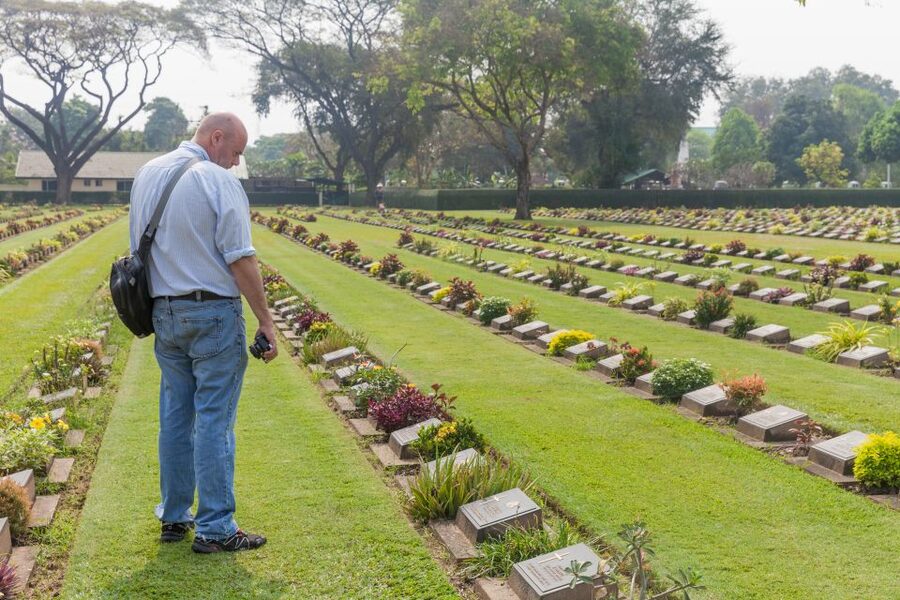
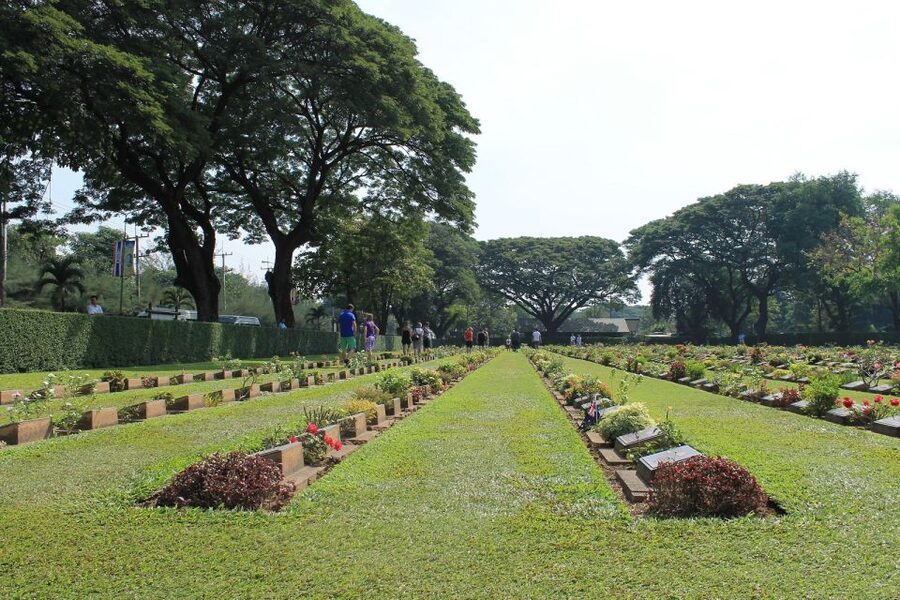
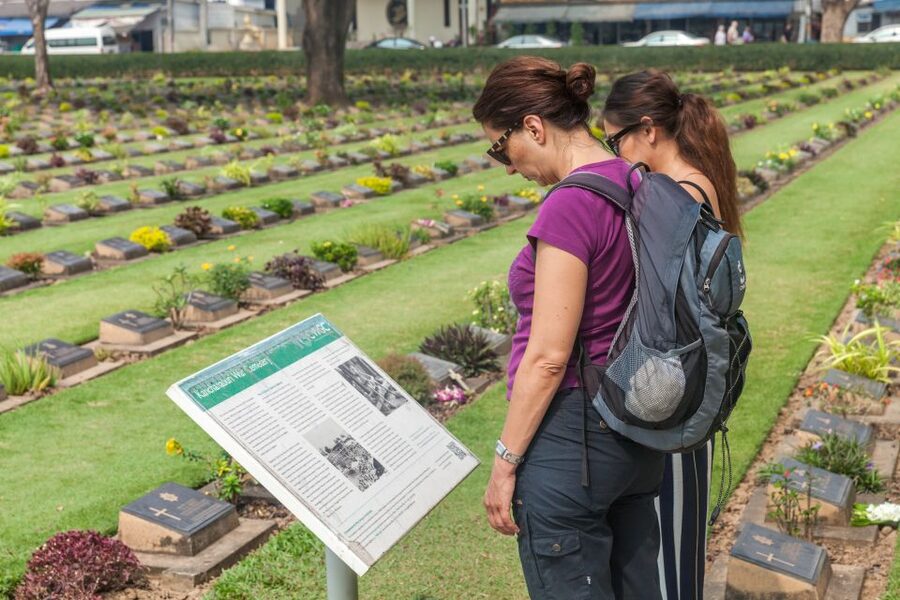
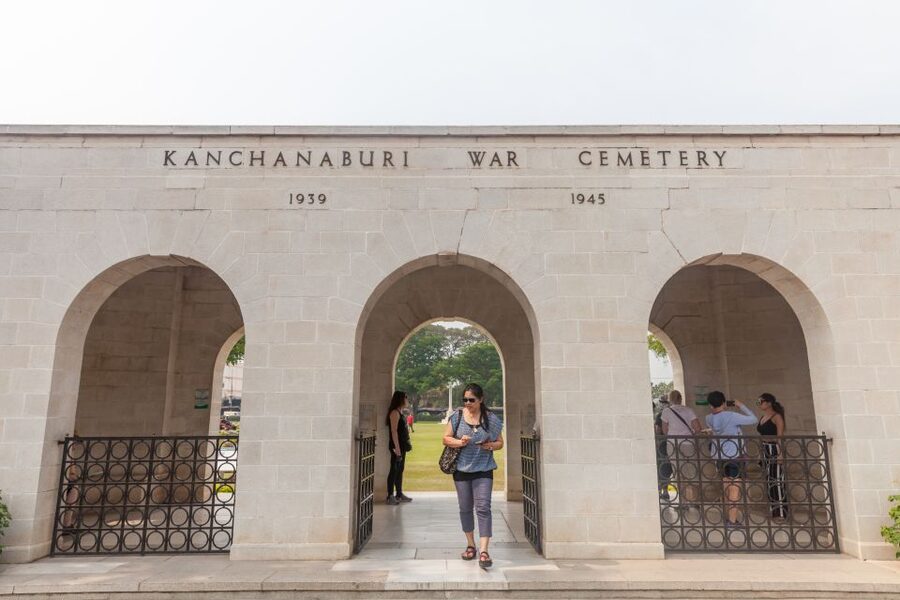
The Kanchanaburi war cemetery is one of the most important stops. Its neat rows of graves contain the remains of an estimated 9,000 Allied soldiers who died during the railway project.
This is not a place for hurried sightseeing. The lawns and marked graves create a calm setting, but the information on the stones makes the history personal. You see ages, names, military units, and dates rather than only a large number of casualties.
Time is limited on a day trip. Some departures place the cemetery near the start, while traffic or train timing can affect the order. Several people wanted a little longer here, so keep your visit focused. Walk slowly, read a few headstones, and take a quiet moment rather than trying to inspect every row.
The heat can be strong, especially from late spring through the hotter months. Wear a hat, carry water, and use the shaded areas when possible. This is also a respectful place to keep photography discreet.
Reading the story at the Thailand-Burma Railway Centre
The Thailand-Burma Railway Centre is an interactive museum and research centre devoted to the railway. It uses photographs, objects, maps, and displays to explain the planning, construction, and human cost of the project.
I like this stop because it supplies details that the bridge cannot. You can see how the railway fit into the wider war and how difficult the building work was. The museum also helps clarify the difference between the famous film image of the bridge and the wider railway system.
You may have roughly an hour here, depending on traffic and the day’s train schedule. That is enough to get a firm understanding of the subject, but not enough to read every panel at leisure. The centre has a second floor, so pace yourself. If you try to study every display, you may feel rushed later.
The museum is air-conditioned, which makes it a welcome break from the heat. It is also the place to spend your attention before the scenic parts begin. I would not treat it as a quick indoor stop.
A few more river trips around Bangkok worth comparing
- Bangkok: Chao Phraya River Hop-on Hop-off Boat
★ 4.5 · 2,990 reviews - From Bangkok: Ayutthaya Day Tour by Bus with River Cruise
★ 4.3 · 1,892 reviews - Ayutthaya Temples and River Cruise from Bangkok
★ 4.0 · 1,692 reviews - Bangkok: River Dinner Cruise on the Chao Phraya Princess
★ 4.2 · 1,651 reviews
Seeing the bridge over the River Kwai
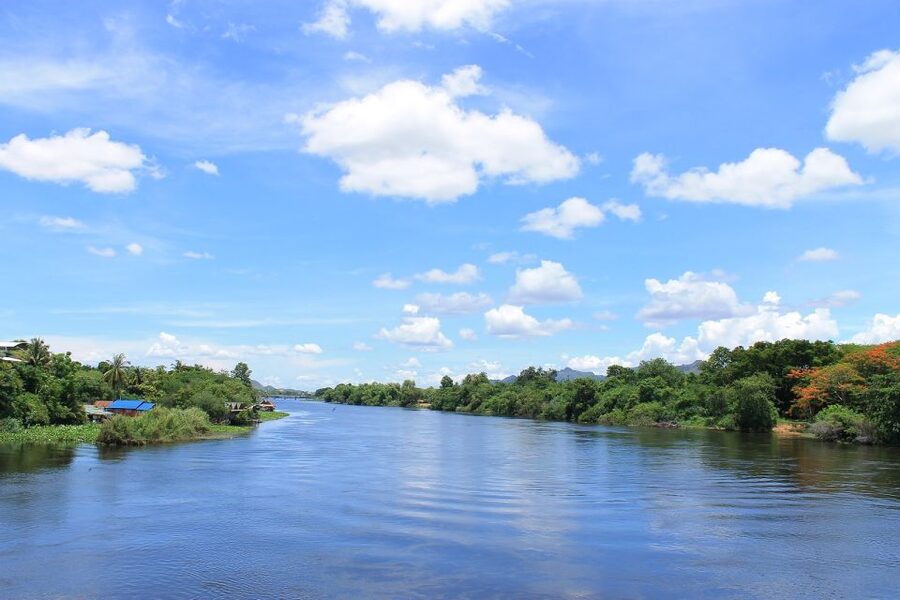
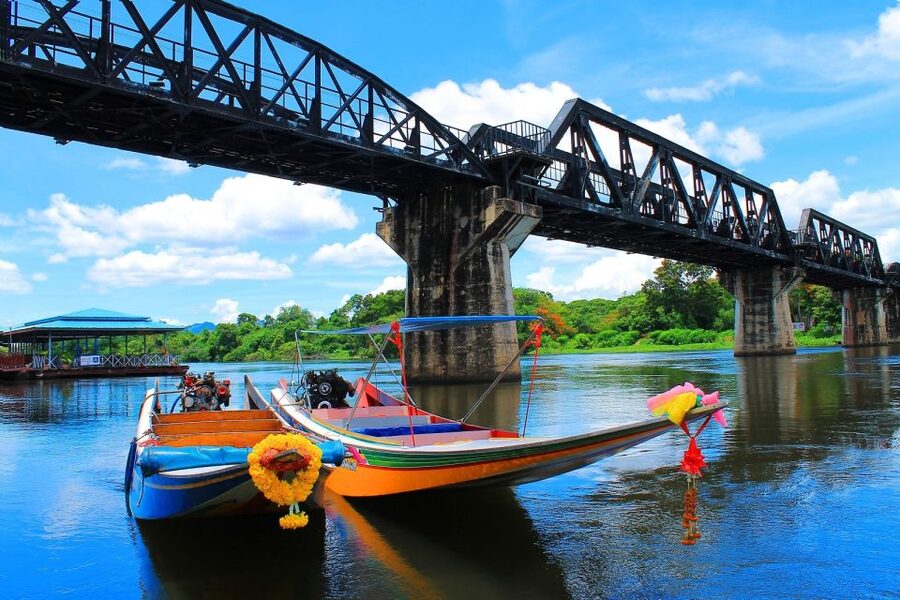
The bridge is the day’s most recognizable sight. It crosses the River Kwai and remains part of the active railway route.
You have time to walk onto the bridge and take photographs. If the train schedule lines up, you may also see a train pass through. That moment makes the bridge feel like working infrastructure rather than a museum prop.
The bridge itself is not enormous, and the visit can be fairly brief. Some people would prefer more time here. The walking surface can feel busy when several groups arrive together, so stay aware of trains and follow your guide’s instructions.
The bridge is worth seeing, but I would not make it the sole reason to book this trip. Its importance comes from the combination of the museum, cemetery, railway ride, and surrounding sites. Taken alone, it is a short stop.
Riding the original Death Railway track
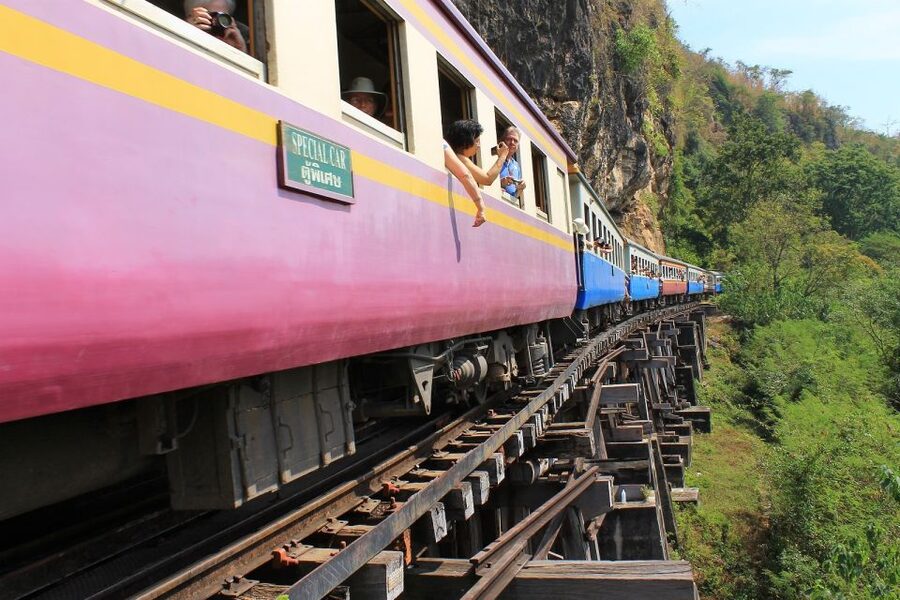
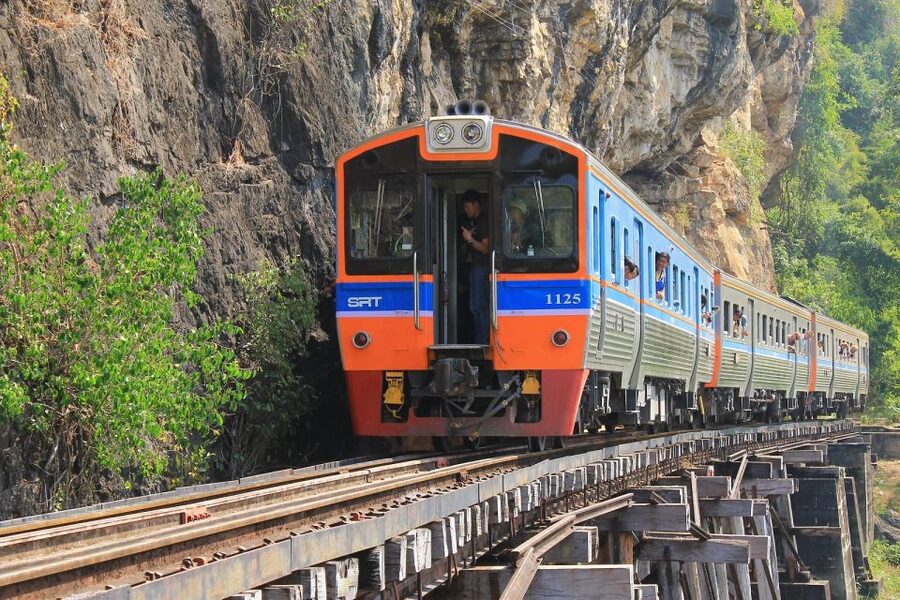
The train ride is the most distinctive part of the day. You board a local train and travel along an original section of the Death Railway, generally toward Thamkasae station and the cave area.
The ride lasts about an hour according to the tour details and gives you views of rural Thailand, the river, and the railway’s wooden structures. The pace is slow enough to see the countryside, though the carriage may be warm and seating is not guaranteed with the basic fare.
The standard train fee of THB 100 is included. It does not guarantee an assigned seat. You can pay THB 200 per person for a reserved seat, and this is worth considering if you dislike standing or want to sit with your group.
Seat position can affect the view. One guide, Ong, made a point of securing left-side seats for a good view across the wooden viaduct. Other guides have also helped people find better places when timing allowed. Still, do not treat a particular side of the carriage as guaranteed.
The train is not a luxury rail journey. That is part of its appeal. You are using a working railway and seeing ordinary countryside rather than being enclosed in a purpose-built sightseeing carriage. Bring a hat, water, and a phone or camera with a secure grip.
Thamkasae and the cave area
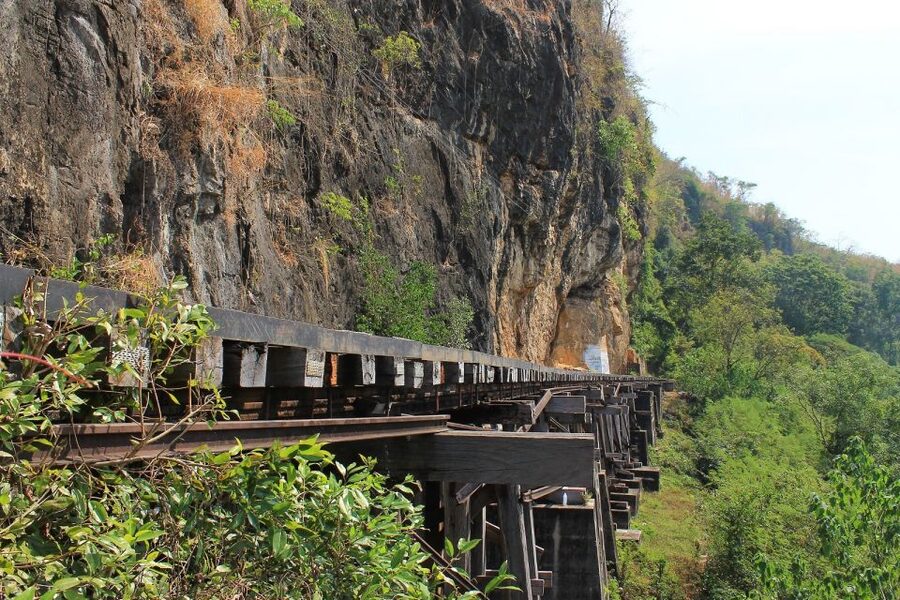
After the train, the tour continues around the Thamkasae section. You may walk along the track and visit a cave containing a Buddha statue.
This part adds physical scale to the story. The narrow railway, wooden viaduct, river views, and uneven ground help you understand the engineering challenge. It is different from looking at a map or museum display.
Wear sensible shoes. The cave area can be muddy, and the ground is uneven. One useful rule is to go only as far into the cave as you feel comfortable, especially if the surface is wet or you have limited mobility.
The walk may be difficult for anyone who is unsteady on their feet. The tour information does not promise an accessibility-friendly route, so ask the operator before booking if that is important to you.
Lunch after the train ride
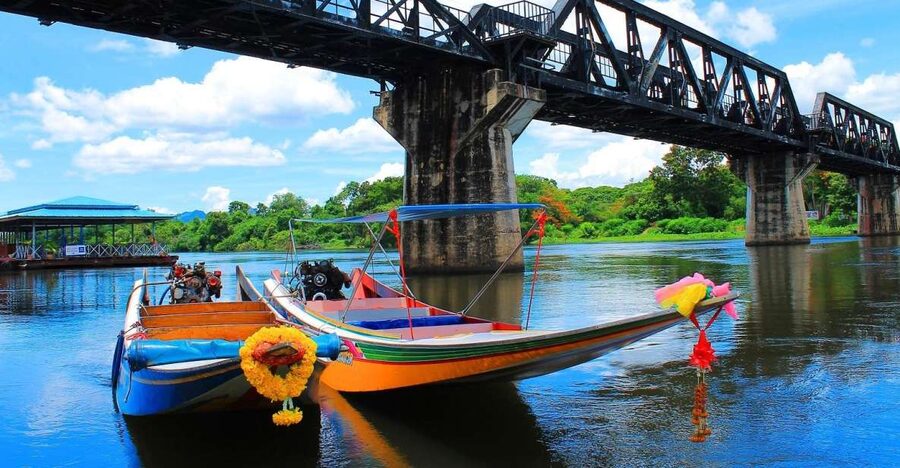
Lunch is included, which improves the value of the tour. The meal is served after the train section at a nearby restaurant, and the food has been described as tasty and satisfying.
Do not expect an elaborate banquet. The standard meal has a few choices, and there may be a buffet option for an additional charge. Vegetarian diners can find alternatives, though it is sensible to tell the guide early.
After a hot morning and a train ride, sitting down for a proper meal is welcome. It also keeps the schedule simple because you do not need to search for food in an unfamiliar area.
Guides, drivers, and the small-group feel
The guide can shape this experience more than any single monument. Names that have received particular praise include Luke, William, Woody, Jokey, Henry, Bobo, Ong, and Mr Thewt. Their roles include explaining the sites, keeping the schedule moving, helping with train arrangements, and checking that people have water and know where to go.
English is offered, and Thai is also available. The quality of explanation can vary by guide, but the strongest guides add useful detail about Thailand, local culture, and the railway rather than simply reciting dates.
The drivers also matter because of the long road distance. A smooth, careful driver reduces the strain of the journey. Water, cool towels, and toilet stops have been provided on some departures, but I would still pack your own essentials.
Do not expect the same guide on every departure. If you see a guide’s name listed when booking, treat it as useful information, not a firm promise unless the operator confirms it.
Is the $51 price good value?
At $51 per person, the tour includes air-conditioned transport from Bangkok, entrance fees, an English-speaking guide, lunch, and the basic train fare. For a full day outside Bangkok, that is a fair package.
The value depends on how you measure time. You spend about six hours in transit if the roads are clear, and heavy traffic can make the day longer. The tour is not the right choice if you want a relaxed pace or extended museum study.
It is good value if you want the main Kanchanaburi sights without arranging transport, railway tickets, museum entry, lunch, and a return journey yourself. The guide also adds context that would be difficult to gather during a quick independent visit.
The optional reserved train seat is the only notable extra cost mentioned. Add THB 200 if sitting is important to you. If your group reaches the train early, you might manage without it, but there is no guarantee.
Who should book this day trip?
I would choose this tour if you have a strong interest in World War II, memorial sites, railway history, or Thai countryside. It also suits first-time visitors who want a structured day and do not want to work out the long-distance transport on their own.
The trip can be emotional. The cemetery and museum deal directly with death, forced labor, and wartime suffering. Go with the right frame of mind. This is not simply a bridge photo opportunity with a train ride attached.
Families with older children may find the subject educational, provided they are ready for difficult material. Seniors should consider the heat, the long van ride, and uneven ground near the cave. Solo visitors can fit in comfortably, especially when the group is small.
I would skip it if you have only a short time in Bangkok, cannot manage a very early start, or want to avoid a full day on the road. A two-day Kanchanaburi visit would allow more time, but this tour covers the main highlights efficiently.
Practical tips for a better day
- Bring water, sunscreen, a hat, and light clothing. The cemetery, bridge, and railway stops can be hot.
- Wear shoes with a firm sole for the trackside walk and cave area.
- Keep your evening free because Bangkok traffic can delay the return.
- Consider the reserved train seat if you need a guaranteed place to sit.
- Save your museum attention for the Thailand-Burma Railway Centre. One hour passes quickly.
- Treat the cemetery as a memorial, not only a sightseeing stop.
- Tell the guide about dietary needs before lunch.
- Keep your camera ready for the bridge, wooden viaduct, river, and rural views, but give the memorial sites the respect they deserve.
Should you book the River Kwai tour?
Book it if you want the clearest one-day introduction to Kanchanaburi from Bangkok. The package combines the cemetery, museum, bridge, railway, cave area, lunch, and transport, and strong guides can make the difficult history easier to understand.
The tradeoff is simple: you give up a large part of the day to the road. If that sounds exhausting, stay overnight in Kanchanaburi instead. If you can handle an early start and a long return trip, the $51 price offers a practical way to reach an important part of Thailand’s wartime past.
FAQ
How long is the tour from Bangkok to River Kwai?
The scheduled duration is 10 hours, but Bangkok traffic can make the day longer. The drive to Kanchanaburi takes approximately three hours each way.
What sights are included?
The tour includes the war cemetery, Thailand-Burma Railway Centre, River Kwai bridge, a train ride on the Death Railway track, and the Thamkasae area with its cave and Buddha statue.
Is lunch included?
Yes. Lunch is included in the tour price. A buffet option may be available for an additional charge.
Is the train seat guaranteed?
No. The included THB 100 basic train fare does not guarantee a seat. An assigned seat can be requested for THB 200 per person.
Where does the tour meet?
The central meeting point is BMP Bigcountry at River City Bangkok, 23 Charoen Krung Soi 24, Talad Noi, Sampantawong, Bangkok 10100.
Are hotel pickups available?
Optional pickup is available from Sukhumvit areas 1 to 39 and 2 to 26 at 6 AM, Khaosan at 6 AM, and Silom at 6:15 AM.
What languages are available?
The tour offers live guides in English and Thai.
Just added around Bangkok
- VIVA Alangka River Cruise: Dining & Cabaret Delight★ 3.5 · 15 reviews
- Ancient City & Temples of Ayutthaya ( UNESCO ) by River Cruise with Buffet Lunch★ 4.0 · 11 reviews
- The White Orchid: Chao Phraya Dinner Cruise Experience★ 3.5 · 223 reviews
- Bangkok Opulence Chao Phraya River Dinner Cruise from ICONSIAM★ 4.0 · 135 reviews
- Bangkok Sunset or Evening Dinner Cruise (The Planet Cruise)★ 4.0 · 30 reviews
- Saffron Luxury Dinner Cruise: A Journey on the River of Kings★ 4.5 · 84 reviews
- Train trip death railway Bridge on river Kwai from Bangkok to Kanchanaburi trip★ 4.0 · 17 reviews
- River Kwai Day Tour from Bangkok: History, Scenic Views & Culture★ 4.5 · 36 reviews
Bangkok River Cruises, compared.
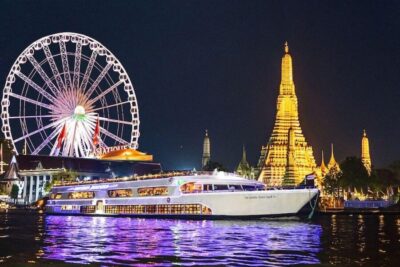
White Orchid Chao Phraya Dinner Cruise free Beer
Read our review →
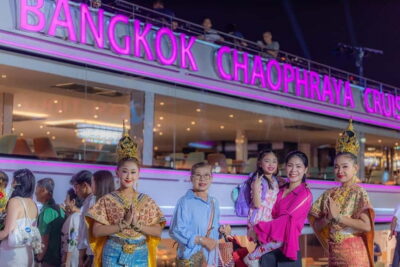
The Newest Luxury 5-Star Bangkok Chao Phraya Cruise
Read our review →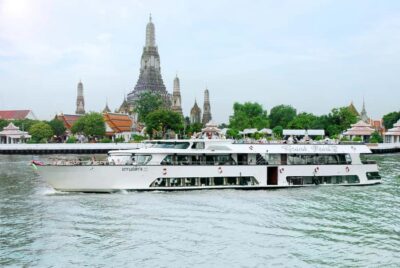
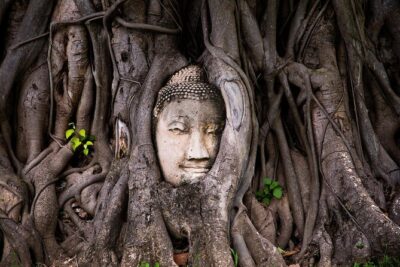
Ayutthaya Temples and River Cruise from Bangkok
Read our review →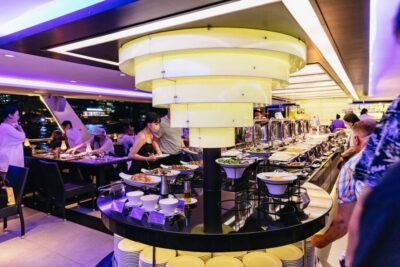
River Dinner Cruise on the Chao Phraya Princess
Read our review →
2-Hour Dinner & Shows on White Orchid River Cruise
Read our review →
Browse the lists this tour appears in