
REVIEW · BANGKOK
Private Historic River Kwai Death Railway, War Cemetery and Hellfire Pass Tour
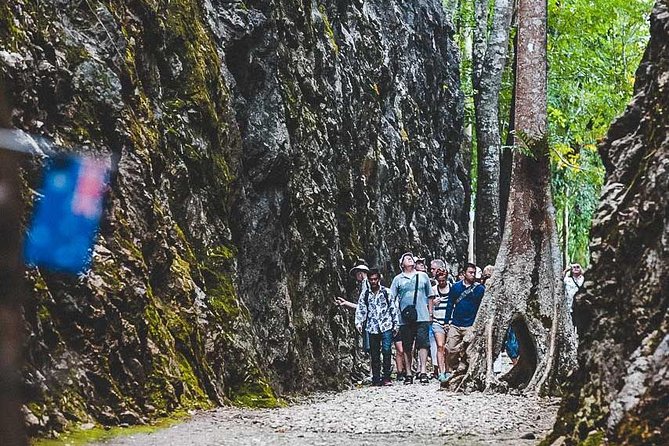
The most sobering part of this 10-hour private tour is Hellfire Pass, where you walk through a cutting made under brutal wartime conditions. The trail and museum turn a name from a history book into a physical place, while the nearby cemetery gives the human cost a quiet, personal face.
I like the private vehicle and flexible pace, especially on a long day that can involve roughly three hours each way in Thai traffic. I also like that lunch, water, entrance fees, and hotel transfers are included, so you can focus on the sites rather than arranging every detail yourself.
The main drawback is price. At $162.40 per person, this costs more than hiring a driver, and several stops have free admission. You are paying for a guide, private transport, convenience, and a planned route, so the value depends on how much historical explanation and personal service you want.
Key points to know before booking
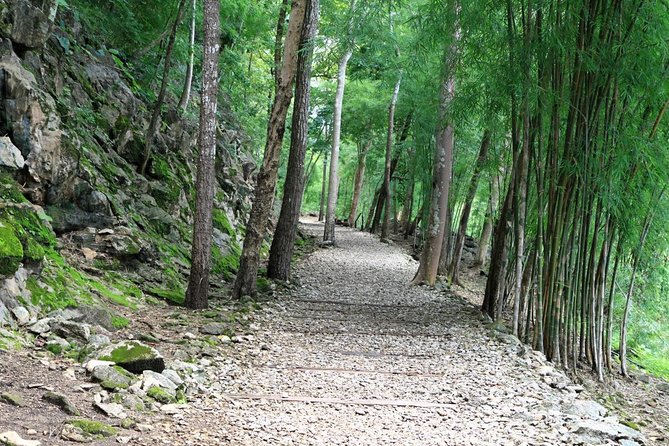
- Hellfire Pass is the emotional center: Allow two hours for the museum and walking trail, with uneven ground and a moderate fitness requirement.
- The day begins early: Pickup starts at 6:30 am, helping make a distant Kanchanaburi route possible in one day.
- You get a private vehicle: Only your own group takes part, with an air-conditioned car, driver, and professional guide.
- The route covers five major sites: The cemetery, Hellfire Pass, Death Railway Museum, Tham Kra Sae Bridge, and River Khwae Bridge.
- Lunch and entrance fees are included: You also receive bottled water, which matters on a long day outside Bangkok.
- Guide quality affects the value: Guides named Nan and Peter have been praised for friendly, informative service and for adjusting the day to the group.
Why this Bangkok day trip is worth considering
Kanchanaburi is far enough from Bangkok that visiting its World War II sites independently takes planning, time, and a reliable driver. This tour handles the transport in a private, air-conditioned vehicle and links the main memorials into one route.
That matters because the sites tell different parts of the same story. The cemetery gives you names and graves. Hellfire Pass shows the physical work. The railway and bridges connect the subject to the actual route built through western Thailand.
I like that this is not only a photo stop at the famous bridge. The itinerary gives Hellfire Pass two hours, which is the right idea for the most serious and substantial stop. You also have time at the cemetery, the Death Railway Museum, Tham Kra Sae, and the River Khwae Bridge.
The journey is long. A 6:30 am start and an approximately 10-hour day are not small commitments, and a past description of the route puts the drive at about three hours each way. Still, the private format makes the day easier to manage than joining a large group with fixed stops and little room for questions.
More river and railway trips in Bangkok:
- Bridge on the River Kwai and Thailand-Burma Railway Tour
★ 4.5 · 658 reviews - Bridge on the River Kwai and Thailand-Burma Railway Guided Tour
★ 4.5 · 353 reviews - Bridge over River Kwai and Hellfire Pass Tour with Train Ride
★ 5.0 · 199 reviews
Kanchanaburi War Cemetery and the cost of war
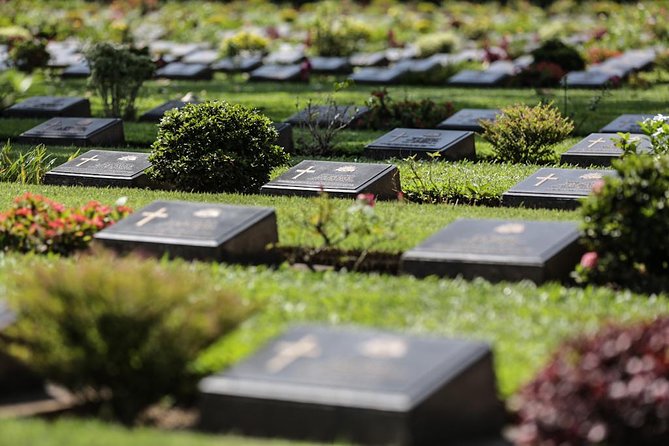
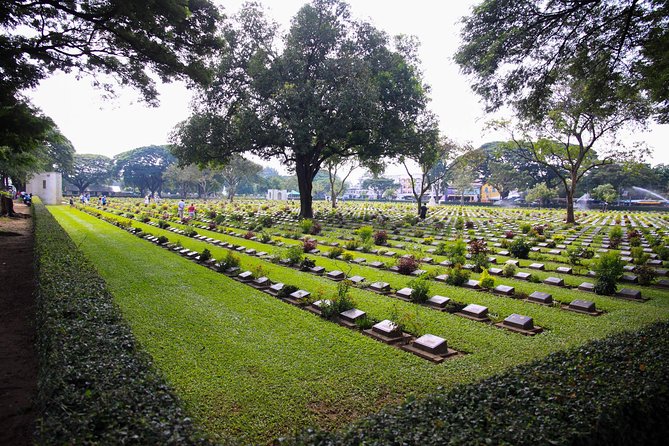
The first stop is Kanchanaburi War Cemetery, where 6,982 Allied prisoners of war are buried. You have about 30 minutes here, with no separate admission fee.
This is a quiet opening to the day. The cemetery does not rely on dramatic presentation. Rows of graves make the scale of the deaths clear, and the setting asks you to slow down before moving on to the harder physical sites.
Thirty minutes is enough for a respectful walk, but it is not a long research visit. If you want to read every inscription or spend extended time reflecting, you may find the schedule tight. Your guide can add context and answer questions, but the cemetery itself is best approached with patience rather than speed.
I value this stop because it gives the railway story individual weight. Hellfire Pass can feel overwhelming in its scale. Here, the number 6,982 is represented by individual people, each with a marker.
Hellfire Pass: the most important two hours
Hellfire Pass is the core of the tour. The cutting was made as part of the Thai-Burma Death Railway during World War II, and the site is connected with the deaths of more than 16,000 Allied prisoners and countless Asian laborers.
You spend about two hours at the Hellfire Pass Interpretive Centre and Memorial Walking Trail. That time includes the museum and the walk through the cutting, giving you both historical explanation and a direct sense of the terrain.
This is where the tour earns much of its price. A driver can drop you at the centre, but a professional guide can help explain what you are seeing and connect the museum material to the railway route. The quality of that explanation will depend on the individual guide, so it is worth asking questions rather than simply following the path.
The walking trail requires a moderate level of fitness. The tour does not describe it as a demanding hike, but you should be ready for time on foot and uneven ground. Wear practical shoes and bring the supplied water. The walking section is not a quick viewpoint visit, and you should not book it expecting to remain in the vehicle.
The subject is painful, and the site deserves a serious mood. One particularly strong part of the experience is the contrast between the calm setting and the brutal work carried out there. The cutting is tangible. You can see the scale of the excavation rather than treating the railway as an abstract wartime fact.
Walking a section of the Death Railway
The Death Railway Museum and Research Centre is scheduled for about 30 minutes, followed by a walk along the railway. The route was built beside the river, and this section gives you a closer look at the railway itself.
The short time here means you should focus your attention. This is not a full museum day, but it adds useful context after Hellfire Pass. The earlier stop explains the human cost and the cutting. This one helps you understand the railway as a working route and a major engineering project.
I like the sequence. You first encounter the people who died, then the cutting, then the railway corridor. The tour keeps moving, but the stops are not random snapshots.
There is also a practical point here. Walking on or beside a historic railway can be more meaningful than viewing it from a bus window, but you should follow your guide’s instructions and remain aware of the active setting. The supplied details describe this as a thrilling walk, but the value is less about excitement than about standing close to the structure connected to the story.
More history trips in Bangkok:
- From Bangkok: Historical Day Tour to River Kwai
★ 4.6 · 868 reviews - River Kwai Day Tour from Bangkok – History, Scenery & Culture
★ 4.5 · 206 reviews - River Kwai Day Tour from Bangkok: History, Scenic Views & Culture
★ 4.5 · 36 reviews - Afternoon Ayutthaya heritage site & River Boat Ride at Sunset
★ 5.0 · 10 reviews
Tham Kra Sae Bridge and the Buddha cave
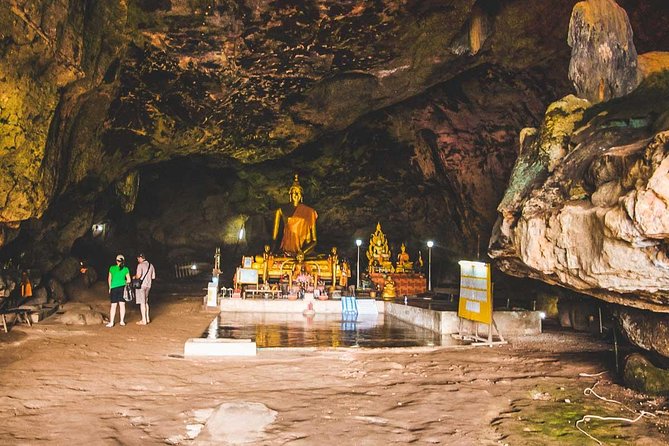
Tham Kra Sae Bridge receives about 15 minutes. You visit a cave containing a Buddha image, a place that was formerly a prisoner-of-war camp during railway construction.
This is the shortest stop, so expectations matter. You will not have time for a long visit, detailed religious study, or an extended walk. Instead, it works as a brief pause that adds another layer to the route.
The cave is useful because it links a present-day religious site with the wartime camp that once occupied the area. That contrast can be striking without needing a long stop.
If you prefer museums and memorials to short scenic or cultural visits, this may feel rushed. If you appreciate variety, it breaks up the heavier museum and cemetery sections. The cave also helps show that the railway route is not only a collection of military memorials. It passes through places with their own religious and local meaning.
The famous River Khwae Bridge
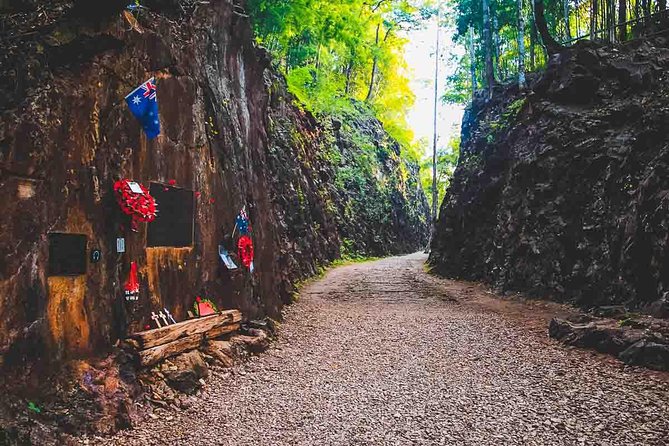
The final listed stop is the River Khwae Bridge, with about one hour to walk along the iron bridge. This is the most recognizable location on the route and the place many people picture when they think of the Death Railway.
The bridge carries plenty of symbolic weight, but the visit is not only a photograph. Walking across it gives you a closer look at the railway structure and its setting along the river. Your guide can also connect the bridge to the wider story of wartime construction and conflict.
Because this is the best-known stop, it may feel less solemn than the cemetery or Hellfire Pass. The bridge is a public landmark rather than a secluded memorial. Go expecting a historic structure and a busy point of interest, not a quiet place for private reflection.
The one-hour allocation is generous compared with the 15 minutes at Tham Kra Sae. You can walk, look around, and ask questions without being pushed straight back into the vehicle.
What the private format really adds
The private setup means only your group participates. That gives you more control over questions, walking speed, and the general rhythm of the day.
A guide named Nan has been praised for making the experience informative and eye-opening. Another guide named Peter has been described as friendly, helpful, and able to shape the day around the group. You may not receive either guide, but these comments point to the main strength this tour needs to deliver: personal explanation rather than simple transport.
The distinction matters because some sites have free entry and clear memorial displays. If you only need a vehicle, the tour can seem expensive. A private driver may take you to the same places for less, though arranging the route, timing, lunch, and site order becomes your responsibility.
At $162.40 per person, the cost makes the most sense for a small group that values convenience and a guide. It includes private transportation, an air-conditioned vehicle, lunch, bottled water, entrance fees, and a professional guide. If two or more people share the cost and you want a guided day without planning every transfer, the package becomes easier to justify.
The private format also helps with the traffic problem. The route is long, and Thai traffic can turn a planned 10-hour day into an even longer one. A careful driver is a major part of the experience. The tour does not promise a fixed travel time, so keep your evening plans flexible.
Lunch, comfort, and physical demands
Lunch is included, so you do not need to pack food for the day. Bottled water is also provided. The air-conditioned vehicle is important, since the route involves a lot of time on the road and several outdoor stops.
The tour requires a moderate level of physical fitness. Hellfire Pass is the key reason, with its walking trail and cutting. The Death Railway and bridge visits also involve walking, though the supplied details do not give exact distances or accessibility information.
Wear shoes suited to walking and plan for a full day away from your Bangkok hotel. The start time is 6:30 am, and the early departure is part of the bargain for reaching Kanchanaburi and returning in roughly one day.
This is not a relaxed sightseeing loop. It is a serious history tour with long transfers, walking, and emotionally difficult subject matter. You should book it because you want to understand the places, not simply because the bridge appears in a famous title.
Who should book this tour
I would recommend this experience to you if you want:
- A private day rather than a large shared group
- Historical explanation at each major site
- Hotel pickup and return transport
- A single organized route from Bangkok
- A visit to Hellfire Pass with time for both the museum and trail
- Lunch, water, and entrance fees handled in advance
It is a strong fit for couples, families with older children, and small groups with a serious interest in World War II history. It can also suit people who would rather pay for convenience than arrange a driver and research the route themselves.
I would think twice if your main goal is to see the bridge quickly, avoid walking, or keep the day short. You could also find better value with a private driver if you are comfortable managing the sites without a guide. The tour is at its best when the guide adds clear context and responds to your questions.
Should you book the River Kwai tour?
Book it if Hellfire Pass is important to you and you want the cemetery, railway, cave, and bridges combined in one private day. The route covers the key locations, includes the practical extras, and gives the most time to the stop that deserves it.
Skip it if $162.40 feels high for a day where several sites have free entry, especially if you only need transportation. For everyone else, the private vehicle, early start, lunch, and guide can make this a sensible way to reach Kanchanaburi from Bangkok. Just arrive ready for a long day, a moderate amount of walking, and difficult history handled with respect.
FAQ
Where does the tour start?
The tour starts with pickup at your hotel in Bangkok at 6:30 am.
How long does the tour last?
The experience lasts approximately 10 hours.
Is this a private tour?
Yes. Only your own group participates in the activity.
What transportation is provided?
You receive private transportation in an air-conditioned vehicle, with hotel transfers included.
Is lunch included?
Yes. Lunch is included in the tour price.
Is bottled water provided?
Yes. Bottled water is included.
Which World War II sites are visited?
The route includes Kanchanaburi War Cemetery, Hellfire Pass Interpretive Centre and Memorial Walking Trail, the Death Railway Museum and Research Centre, Tham Kra Sae Bridge, and the River Khwae Bridge.
How long do you spend at Hellfire Pass?
You spend about two hours at the Hellfire Pass Interpretive Centre and Memorial Walking Trail.
Is the tour physically demanding?
A moderate level of physical fitness is recommended because the experience includes walking at Hellfire Pass and along sections of the railway and bridge.
Can you cancel for a full refund?
Yes. You can cancel at least 24 hours before the local start time for a full refund. Cancellations or changes made less than 24 hours before the start time are not accepted for a refund.
Just added around Bangkok
- VIVA Alangka River Cruise: Dining & Cabaret Delight★ 3.5 · 15 reviews
- Ancient City & Temples of Ayutthaya ( UNESCO ) by River Cruise with Buffet Lunch★ 4.0 · 11 reviews
- The White Orchid: Chao Phraya Dinner Cruise Experience★ 3.5 · 223 reviews
- Bangkok Opulence Chao Phraya River Dinner Cruise from ICONSIAM★ 4.0 · 135 reviews
- Bangkok Sunset or Evening Dinner Cruise (The Planet Cruise)★ 4.0 · 30 reviews
- Saffron Luxury Dinner Cruise: A Journey on the River of Kings★ 4.5 · 84 reviews
- Train trip death railway Bridge on river Kwai from Bangkok to Kanchanaburi trip★ 4.0 · 17 reviews
- River Star Princess Dinner Cruise: Bangkok Chao Phraya River★ 4.0 · 221 reviews
Bangkok River Cruises, compared.
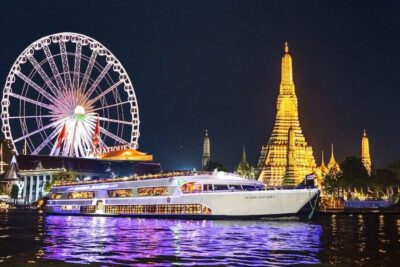
White Orchid Chao Phraya Dinner Cruise free Beer
Read our review →
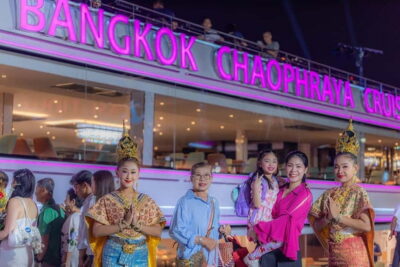
The Newest Luxury 5-Star Bangkok Chao Phraya Cruise
Read our review →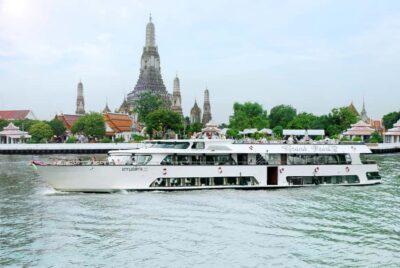
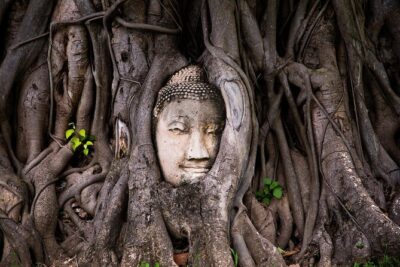
Ayutthaya Temples and River Cruise from Bangkok
Read our review →
River Dinner Cruise on the Chao Phraya Princess
Read our review →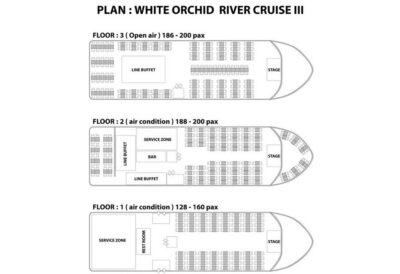
2-Hour Dinner & Shows on White Orchid River Cruise
Read our review →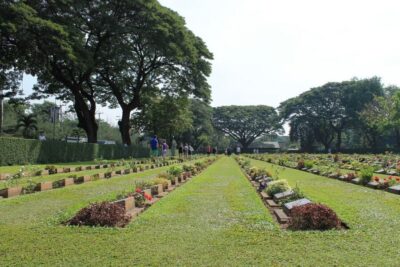
Browse the lists this tour appears in