
REVIEW · CHICAGO
Chicago River 90-Minute Architecture Boat Tour
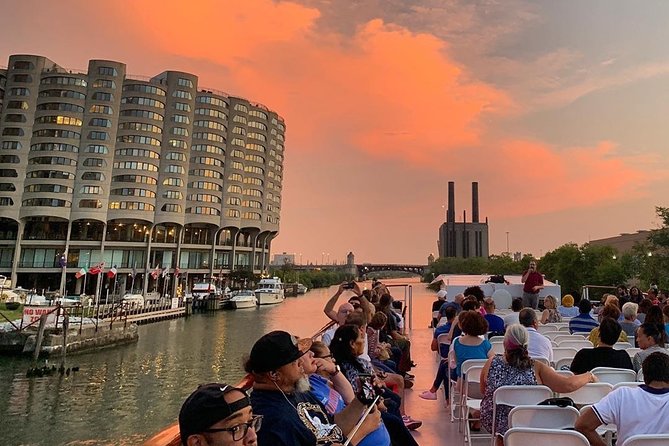
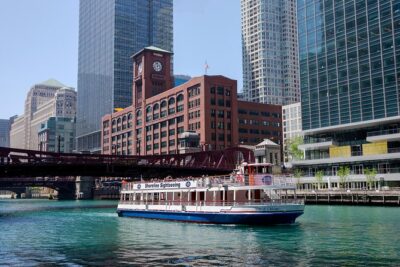
Chicago’s best architecture tour does not require a museum ticket or a long walk. It puts you on the river, where the city’s towers rise directly from the water and each bend reveals a new view. You’ll see landmarks such as the Wrigley Building, Willis Tower, Aqua Tower, and Merchandise Mart while a live guide explains how Chicago grew upward after the Great Fire.
I like the 90-minute route through all three major branches of the Chicago River, because it covers more than the postcard center of downtown. I also like the choice between an open upper deck and a fully enclosed, air-conditioned cabin, a useful feature when Chicago weather turns windy, rainy, or cold.
The main caution is timing. You need to arrive 30 minutes early, seating is first come, first served, and missed departures are not refunded. The weather policy also deserves attention: cruises operate in rain or shine, but poor weather or low bookings can still lead to a cancellation or a change of date.
Key points to know before boarding
- Three river branches in 90 minutes: You see more of Chicago than on a short central river ride, including views toward Chinatown and the South Side.
- Strong live narration: Guides including David, Hillary, Heath, Colleen, and Adam are praised for mixing architecture, engineering, city history, humor, and useful detail.
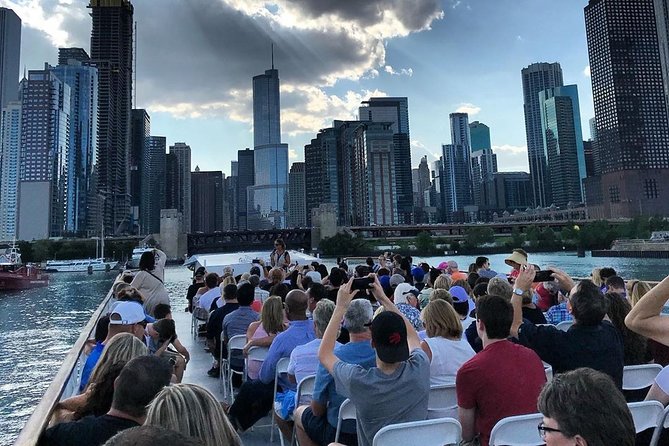
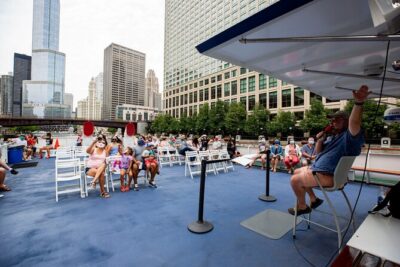
- Open-air or enclosed seating: The upper deck gives the best photographs, while the climate-controlled cabin is a practical backup.
- $37 offers solid value: You get a guided sightseeing experience, restroom access, and a full 90 minutes on the water without paying for a separate architecture museum.
- Arrive early for the best seats: Outdoor places are not reserved, so large groups and anyone wanting the upper level should arrive well before departure.
- Good for many mobility levels: The entrance is described as accessible, and most people can participate, though you should still plan around the boat’s seating arrangement.
Why Chicago’s architecture makes more sense from the river
Chicago is easier to understand from the water. On the street, tall buildings can feel like separate walls of stone, glass, and steel. From the river, you can see how they fit together, how older civic and commercial buildings relate to newer residential towers, and how the city’s growth followed the river’s bends.
The setting also gives your guide a natural timeline. You may hear about Chicago’s rebuilding after the Great Fire, the rise of the skyscraper, changing ideas about office and residential design, and the engineering choices behind the towers above you. That context turns the cruise from a simple skyline photo stop into a compact lesson in how the city developed.
I especially value the live narration here. You can look up building dates and architects later, but a good guide helps you notice the details while the building is in front of you. Guides such as David are praised for using humor without losing the substance, while Hillary and Colleen are noted for explaining design and city history in a clear, engaging way.
The tone can vary by guide. That is normal on a live tour, but the guide is a major part of the experience. Heath is known for an energetic, funny approach, and Adam for keeping the information light while still covering a lot in 90 minutes.
A few more river trips around Chicago worth comparing
- Chicago Architecture River Cruise
★ 5.0 · 15,756 reviews - Chicago River 90-Minute Architecture Tour
★ 4.5 · 9,629 reviews - Chicago River: 1.5-Hour Guided Architecture Cruise
★ 4.8 · 8,046 reviews
Boarding near 900 South Wells Street
The stated meeting point is 900 S Wells Street, and the cruise returns there at the end. You should arrive at least 30 minutes before the 10:00 am departure. That extra time matters because boarding, finding seats, and organizing a group can take longer than expected.
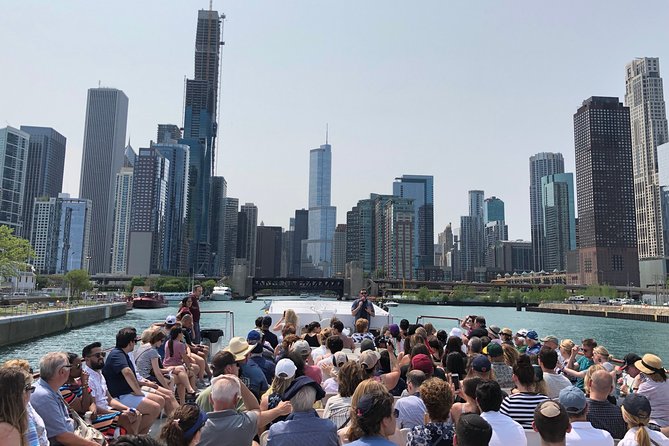
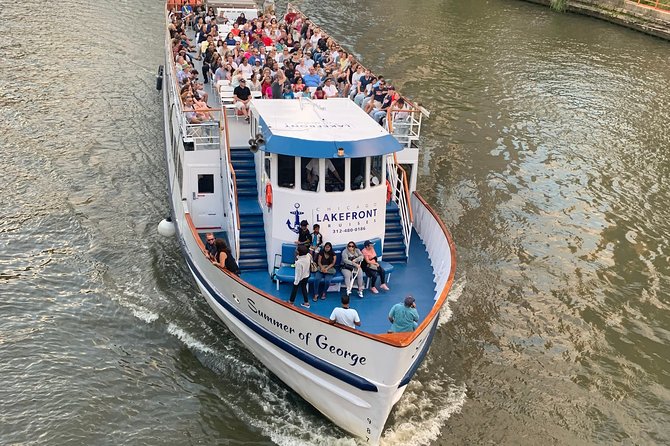
The boat has a maximum capacity of 150 people. That is large enough for a lively group atmosphere, but not so large that the cruise loses its guided-tour feel. If you are traveling with several people and want to sit together, arrive early. Outdoor seating is first come, first served, and the upper level is the preferred spot for wide views and photographs.
The boat has a restroom, a full bar, and snacks available for purchase. A connected marina parking lot costs about $12 to $15. Public transportation is nearby, which may be easier than driving into the center of Chicago, especially during busy periods.
The cruise is offered in English. Your mobile ticket is confirmed when you book, so keep it available when you arrive.
The Wrigley Building and Michigan Avenue views
One of the first major landmarks associated with the route is the Wrigley Building, near the Michigan Avenue Bridge at the center of the Magnificent Mile. Its bright white towers are hard to miss, particularly when sunlight catches the decorative details or the building lights up after dark.
Built in 1920 as the headquarters of the Wm Wrigley Jr. Company, the building takes inspiration from Spain’s Giralda Tower in Seville. That connection is one of the useful details a guide can point out from the river. You are not simply looking at a white office building. You are seeing a deliberate architectural statement from an era when companies used grand design to advertise their importance.
The river gives you a better sense of the building’s relationship to the bridge and nearby towers. From street level, traffic and sidewalks limit your view. From the boat, you have time to watch the structure change as you pass it.
Willis Tower and Chicago’s vertical ambition
Willis Tower is one of the easiest buildings to identify from the river. At 110 stories, it rises above the downtown cluster and serves as a useful reference point as the boat moves through the city.
The tower was once known as the Sears Tower, a name you may still hear in Chicago. The supplied tour details identify it as the second-tallest building in Chicago, and its scale helps explain why Chicago became such an important center for tall-building design.
I like seeing Willis Tower as part of the wider skyline rather than visiting it only from an observation deck. From below, you can appreciate its height and place within downtown. The guide can also connect it to the city’s continuing push toward taller, more efficient commercial buildings.
If you are hoping to spend time at the tower itself, remember that this is a river cruise, not an admission ticket to Willis Tower. You see it from the water and hear about it as part of the larger architectural story.
Same river, a completely different day on the water:
- Chicago Architecture Center River Cruise aboard First Lady
★ 5.0 · 5,536 reviews - Chicago: Architecture River Cruise Skip-the-Ticket Line
★ 4.8 · 4,325 reviews - Chicago River 45-Minute Architecture Tour from Magnificent Mile
★ 4.5 · 2,924 reviews - Chicago Lake and River Architecture Tour
★ 4.5 · 2,308 reviews
Aqua Tower and the newer face of downtown
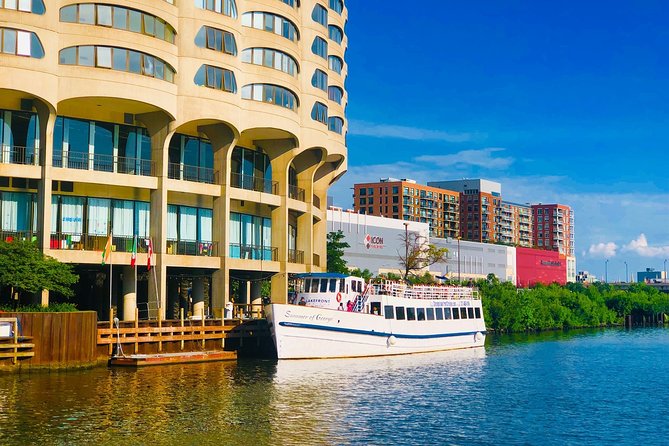
Aqua Tower offers a sharp contrast to older, more formal buildings. This 82-story mixed-use residential tower is part of the Lakeshore East development, and its undulating balconies give the exterior a softer, more fluid appearance.
From a boat, the shape is especially easy to read because you see the building from changing angles. Instead of one flat facade, the tower seems to shift as the boat moves. That makes it a good example of why a river cruise can reveal things you might miss while walking between buildings.
Aqua Tower also helps broaden the tour beyond famous early skyscrapers. Chicago architecture is not frozen in the 1920s. The route shows how modern residential design uses balconies, curves, and mixed-use planning to create a different kind of city block.
Merchandise Mart and the commercial riverfront
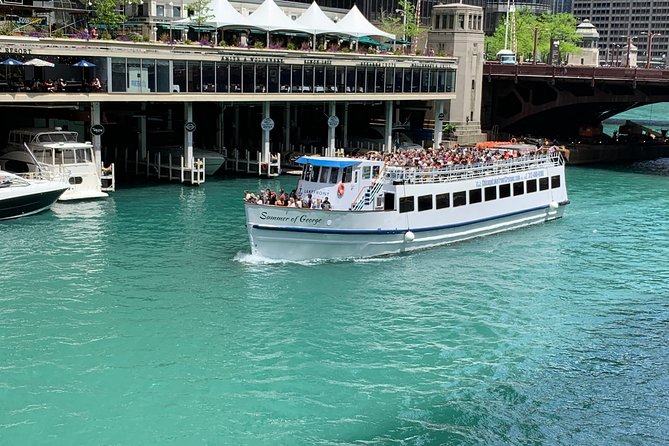
The Merchandise Mart is another important landmark along the route. This large building includes office space and home showrooms, and its scale reflects Chicago’s long connection to trade, design, and commercial enterprise.
The building is best understood from the water because the riverfront gives you distance. You can take in its full size instead of seeing only one entrance or a small section of its facade. Your guide may also use it to explain how the river supported the city’s business growth and why major commercial buildings were placed so close to the water.
This part of the cruise is useful for first-time visitors who want more than a list of famous towers. You begin to see different building types: corporate headquarters, residential high-rises, civic structures, and large commercial centers. That variety is one of the strongest parts of the route.
Chinatown, the South Branch, and a less familiar view
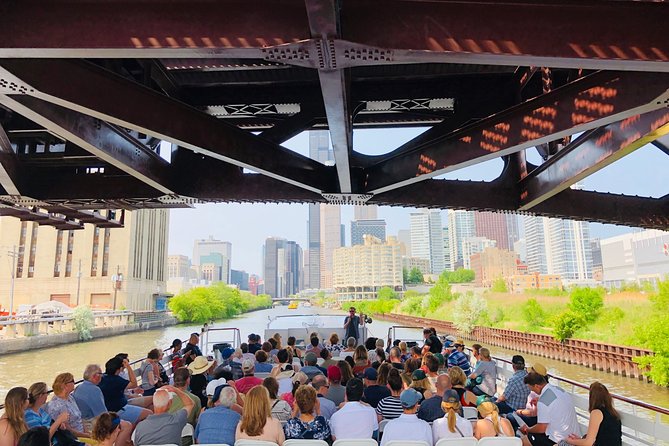
The cruise also reaches toward Chicago’s southern river areas and offers views connected with Chinatown. That is unusual for a central architecture cruise, since many city boat rides focus mainly on the immediate downtown corridor.
Chinatown is on Chicago’s South Side and is an example of an American Chinese neighborhood. From the river, you will not experience the neighborhood in the same way as a walking tour, and the cruise should not be treated as a substitute for exploring its restaurants, shops, and streets. Still, seeing the route toward this part of the city gives you a broader sense of Chicago’s geography.
I consider this southern stretch one of the tour’s more useful features. It helps you understand that downtown is not the whole city. You get a look at how the river connects different districts and how Chicago’s built environment changes as you move away from the central cluster of towers.
Navy Pier and the wider skyline
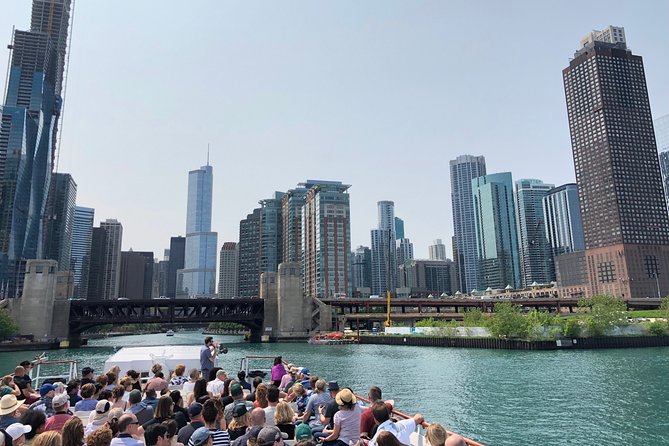
Navy Pier has drawn people for more than a century and is one of Chicago’s most recognizable attractions. It is another strong visual marker on the route, especially when the skyline rises behind it.
The river cruise does not replace a visit to Navy Pier, but it gives you a different angle on the attraction. From the boat, you can frame the pier with downtown buildings and see how the waterfront fits into the larger city. If you are taking a late afternoon or evening departure, the changing light can make this stretch particularly appealing.
The exact visual impact depends on weather and departure time. A bright day gives clear views, while a late afternoon trip can bring sunset light. Winter departures may become sunset cruises simply because the sun sets early. Bring a jacket and a hat for the upper deck, even on a mild day. Wind on the river can make the temperature feel much lower.
Upper deck photographs or enclosed comfort
The boat offers two very different ways to experience the cruise. The open-air seating provides the best unrestricted views, and it is the choice I would make for photography. You can turn easily as the boat passes buildings and avoid reflections through windows.
The enclosed interior is more practical in bad weather. It has air conditioning, seats, windows, and protection from wind and rain. You may lose some freedom for photographs, but you gain comfort and a reliable view when conditions are unpleasant.
There is no need to treat one option as universally better. On a warm, clear day, the upper level is likely to be the highlight. In cold rain, the enclosed cabin may be what makes the 90 minutes enjoyable. The boat operates in rain or shine, so dress for the forecast and bring an extra layer.
Late afternoon trips can be especially attractive for light and skyline views. A November departure at 3:00 pm, for example, can become a sunset experience because of the early dusk. Still, I would choose based on the weather as much as the clock. Chicago skies can change quickly.
What the $37 price really buys you
At $37 per person, this is not the cheapest way to see downtown, but it is a fair price for 90 minutes of guided sightseeing on the river. You are paying for the boat ride, a live English-speaking guide, access to three river branches, seating, a restroom, and views that are difficult to recreate on foot.
The value is strongest if you want orientation early in your visit. After the cruise, buildings you pass on foot will have names and stories attached to them. It is also useful if you have limited time and want one activity that combines views, history, and a relaxing ride.
The price does not include drinks or snacks, although both are available for purchase. Parking is another extra cost, at roughly $12 to $15 in the connected lot. I would include those costs when planning your budget.
A 150-person boat is not an intimate private cruise. If you want quiet, personal attention, or a small group, this may feel too large. On the other hand, the size allows the company to offer a relatively accessible and reasonably priced architecture experience.
Accessibility, weather, and cancellation details
The experience is described as accessible, and a family review specifically notes easy entrance access for someone with mobility issues. Most people can participate, and service animals are allowed. Since seating and boarding arrangements can vary, contact the provider in advance if you have specific mobility needs.
Tour times cannot be changed after booking. You can cancel for a full refund up to 24 hours before the start time. Cancellations made within 24 hours are not refunded, and late arrival or non-arrival can also mean losing the fare.
The policy says cruises run in rain or shine, but it also allows the operator to cancel for poor weather or if too few people book. In that case, you are offered another date or a full refund. This is worth understanding before you build a tight schedule around the cruise.
Who should book this river cruise
I would recommend it to first-time visitors who want a clear introduction to Chicago’s architecture without spending half a day in a museum. It also suits repeat visitors. The route toward the southern river and Chinatown can show you parts of the city that a standard downtown stroll may not cover.
Families should find the 90-minute length manageable, especially because the narration mixes facts with humor. Couples may prefer a late afternoon departure for softer light. Solo visitors can join easily, and the live guide gives the ride more energy than a purely recorded tour.
This is also a good choice for Chicago residents who assume they already know the skyline. Several guides are praised for explaining engineering, design, and local history in ways that can reveal something new even to people familiar with downtown.
You may want to skip it if you dislike group tours, need a guaranteed specific seat, or are unwilling to risk a weather-related schedule change. It is also not the right choice if your main goal is to tour the interiors of the buildings. The focus is on seeing the city from the river and understanding what you are looking at.
Should you book the Chicago River architecture cruise?
Yes, if you want one of Chicago’s most efficient sightseeing experiences. The combination of three river branches, live storytelling, and open or enclosed seating gives you more than a quick skyline ride. The 90-minute format is long enough to cover major buildings but short enough to fit into a busy day.
Book it for the views, but choose your departure with care. Arrive early for upper-deck seating, bring a warm layer, and keep the weather policy in mind. At $37, it is a good buy for first-time visitors, families, architecture fans, and locals who want to see Chicago from a fresh angle.
FAQ
How long is the Chicago River architecture boat tour?
The cruise lasts approximately 90 minutes.
Where does the cruise begin?
The meeting point is 900 S Wells Street, Chicago, Illinois 60607. The cruise returns to the same meeting point.
What time does the listed cruise start?
The listed start time is 10:00 am.
What buildings and areas can I see?
The route includes views of the Wrigley Building, Willis Tower, Aqua Tower, Merchandise Mart, Chinatown, and Navy Pier.
Does the cruise travel along all three branches of the Chicago River?
Yes. The tour is described as traveling along all three major branches of the Chicago River.
Is seating reserved?
No. Seating is first come, first served. Arrive early if you want outdoor seating or need to keep a larger group together.
Is there indoor seating?
Yes. The boat has a fully enclosed interior with air conditioning, seats, and windows. Outdoor seating is also available.
Are food and drinks available?
Yes. The vessel has a full bar, and snacks are available for purchase. Food and drinks are not included in the ticket price.
Can I cancel for a refund?
You can receive a full refund if you cancel at least 24 hours before the experience begins. Cancellations or changes made less than 24 hours before departure are not accepted for a refund.
Just added around Chicago
- Chicago River Sunday Funday Mimosa or Bloody Mary Party Cruise★ 4.0 · 18 reviews
- City Cruises Chicago: River Architectural Lunch Cruise★ 4.5 · 39 reviews
- Chicago By Night River & Lake Cruise★ 4.5 · 236 reviews
- Chicago River Architecture Tour Aboard a Historic Yacht★ 5.0 · 45 reviews
- Chicago River Cocktail Cruise★ 4.5 · 86 reviews
- Historical and Architectural Chicago Fireboat River & Lake Cruise★ 5.0 · 246 reviews
- City Cruises Chicago: Premier Plus Brunch Cruise on Chicago River★ 4.5 · 57 reviews
- Chicago River Architecture Tour and Big Bus Hop-on Hop-off Tour★ 4.0 · 38 reviews
Chicago River Cruises, compared.

Chicago River: 1.5-Hour Guided Architecture Cruise
Read our review →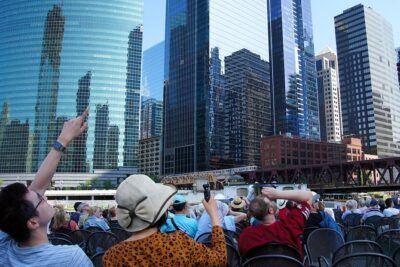
Chicago Architecture Center River Cruise aboard First Lady
Read our review →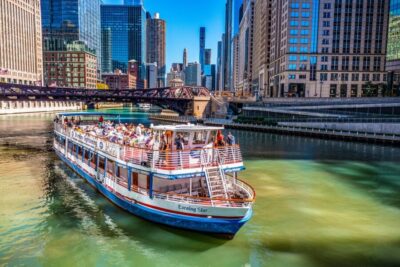
Architecture River Cruise Skip-the-Ticket Line
Read our review →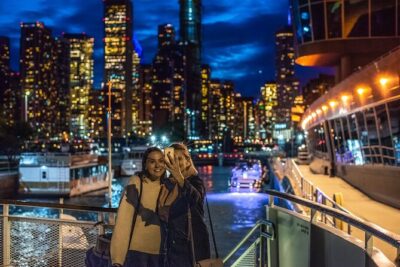
Chicago River 45-Minute Architecture Tour from Magnificent Mile
Read our review →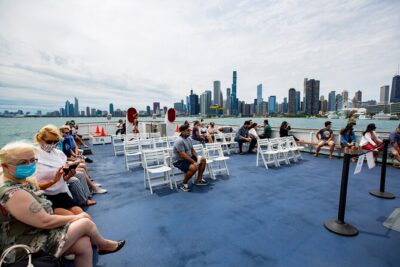

45-Minute Family-Friendly Architecture River Cruise
Read our review →Browse the lists this tour appears in