
REVIEW · ASWAN
4 Days Nile Cruise, Aswan to Luxor AbuSimbel optional hot balloon
The great appeal here is simple: you see Egypt’s major Nile sites while your hotel moves with you. The four-day route links Abu Simbel, Philae, Kom Ombo, Edfu, and Luxor without repeated hotel changes, and the ship gives you a pool, buffet meals, afternoon tea, and evening entertainment between stops.
I like the strong mix of famous monuments and river views, and I like that an Egyptologist guide accompanies the visits. The price of $480 per person also covers three nights, three breakfasts, three lunches, three dinners, transfers, and the Abu Simbel bus trip. The main catch is that entrance fees, tips, Wi-Fi, and personal expenses are extra, and the schedule can be tiring, especially with the 4 a.m. Abu Simbel departure.
Key points to know before booking
- Abu Simbel requires an early start: Expect to leave around 4 a.m. for the long round trip, with about eight hours assigned to the visit and transport.
- Your ship is the base for three nights: You sleep aboard in Aswan, Edfu, and Luxor rather than changing hotels each night.
- The major southern Nile temples are included: Philae, Kom Ombo, Edfu, Karnak, Luxor Temple, Hatshepsut, and the Valley of the Kings are all on the route.
- Meals are included, but admission is not: Breakfast, lunch, and dinner are covered, while site entrance tickets must be paid separately.
- The cruise group can reach 30 people: That is manageable, but timing at monuments may feel less personal than with a private guide.
- The hot-air balloon is optional: The flight lasts about 45 minutes and is offered over Luxor’s west bank before the Valley of the Kings visit.
Why this four-day route works
A Nile cruise is one of the easiest ways to organize southern Egypt. You unpack once, eat aboard ship, and move from one ancient site to the next. That matters here because the route includes several places that would otherwise require separate day trips and extra road transfers.
The cruise begins in Aswan and finishes in Luxor, a sensible direction for the sightseeing. You start with Nubian and southern Egyptian landmarks, then follow the river north to the temples around Edfu and Luxor. By the final day, you are among the great royal tombs and temple complexes of the New Kingdom.
The ship is described as 5-star and has an onboard swimming pool. That does not make the program restful every day, but it gives you a useful place to cool off after temple visits. Full-board dining is another practical advantage. You receive breakfast, lunch, and dinner, with afternoon tea also mentioned in the cruise program.
The experience has a rating of 4.6 from 11 published ratings, with 91 percent recommending it. That is a positive signal, though the small number of ratings means I would still read the inclusions carefully and confirm the exact pickup and ticket arrangements before paying.
More Nile cruises in Aswan:
- 4-Days Nile Cruise From Aswan To Luxor including Abu Simbel and Hot Air Balloon
★ 5.0 · 3,142 reviews - 4-Day 3-Night Nile Cruise from Aswan to Luxor&Abu Simbel+Balloon
★ 5.0 · 2,023 reviews - 4-Day 3-Night Nile Cruise from Aswan to Luxor including Abu Simbel, Air Balloon
★ 4.5 · 612 reviews
Day one: the High Dam and Philae Temple
After you check in and eat lunch aboard the cruise, the first visit is the Aswan High Dam. The stop lasts about 30 minutes. The dam is described as one of Africa’s largest and is presented as 17 times bigger than the Great Pyramid in size.
This is not a delicate ancient monument, but it gives you modern context for the Nile. The dam changed farming, electricity production, and the river’s seasonal behavior. It also explains why several ancient sites had to be moved or protected.
Admission is not included, so budget for a separate entrance ticket. The short stop means you should treat the High Dam as an introduction rather than a long, detailed visit.
The more memorable stop is Philae Temple, reached at its relocated setting. The temple is dedicated to Isis, the Egyptian goddess associated with love and healing, and it is often presented as the last temple built in Egypt. Its survival is part of the story: rising water from the old British dam threatened the original site, so the temple complex was moved.
You have about two hours at Philae. That is enough time to see the principal courtyards, columns, reliefs, and sanctuary areas with an Egyptologist explaining the symbols and religious purpose. Admission is again extra.
Bring water, a hat, and shoes that are comfortable for walking. The first day is not especially long, but heat and sun can make the stone courtyards feel demanding.
Day two: the 4 a.m. road to Abu Simbel
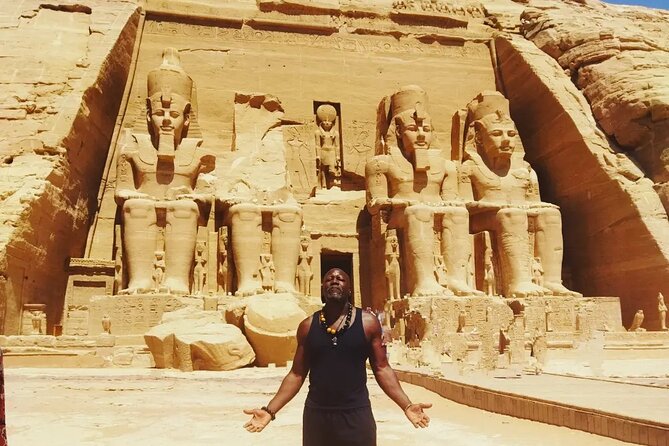
Abu Simbel is the emotional centerpiece of this cruise, but it comes with a cost in sleep. The departure is around 4 a.m., and the full outing takes about eight hours before you return to the ship.
The temples were carved into a mountain south of Aswan and later relocated with UNESCO support in 1964. The larger temple is famous for its colossal seated figures of Ramesses II. The smaller temple is linked with Queen Nefertari. Even if you have seen photographs, the scale of the façades is hard to grasp until you are standing in front of them.
The long bus journey is the chief drawback. You will lose much of the morning and return tired, then need to continue with the cruise program. Admission is not included, so ask for the current ticket cost and exactly what the Abu Simbel bus arrangement covers.
Still, I consider Abu Simbel worth serious consideration. It is the most distant major site on this route, and reaching it by an organized bus excursion is simpler than arranging a separate transfer from Aswan. If you want to keep the day manageable, plan for an early night before departure and avoid adding extra late-night activities.
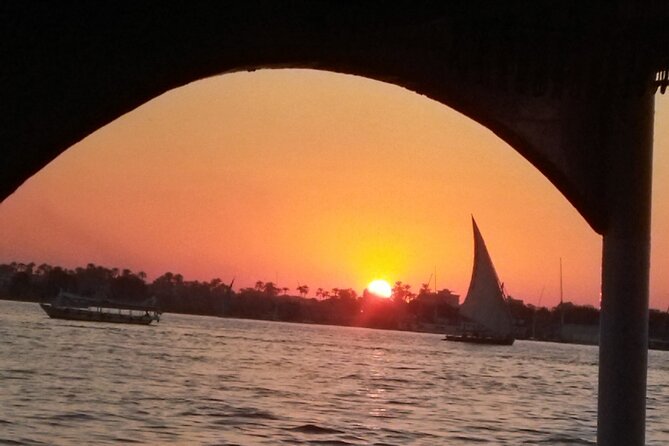
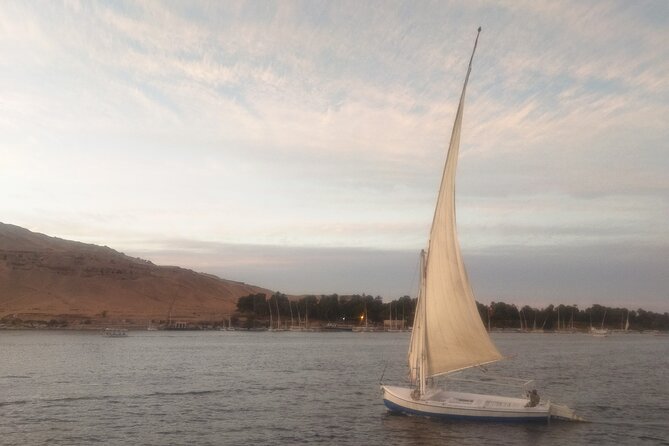
Once back at the ship, lunch is served and the boat begins sailing. This section can be one of the nicest parts of the trip. From the deck, you can watch fishing boats, villages, and the changing relationship between Nubian and Egyptian communities along the river.
Do not expect the Nile to be an empty wilderness. You may see cultivated strips, small boats, riverbank homes, and working life close to the water. Keep your camera ready, but also give yourself time simply to watch. The river is the reason these monuments exist in the first place.
Kom Ombo and an overnight near Edfu
The ship reaches Kom Ombo around lunchtime. The temple is unusual because it serves two gods: Sobek, the crocodile-headed god, and Haroeris, the falcon-headed god. Its divided design gives the site a different character from the single-deity temple complexes elsewhere on the route.
The visit lasts about two hours and is made on foot. The shared layout is especially useful to see with a guide because the architecture reflects the temple’s dual religious focus. Admission is extra.
Kom Ombo is exposed, so a hat and water are useful. You may also find the timing warm, particularly after the Abu Simbel road trip. The benefit of visiting by cruise is that you return directly to the ship instead of arranging another long road transfer.
After Kom Ombo, the cruise continues to Edfu for the overnight stay. The schedule gives you a clear sense of the river journey, but it also means your days are tightly arranged. If you prefer slow mornings and long café stops, this is not that kind of holiday.
More balloon rides over Aswan:
- 4-Days Nile Cruise From Aswan To Luxor including Abu Simbel and Hot Air Balloon
★ 4.5 · 509 reviews - 4 Days Nile Cruise from Aswan to Luxor including Abu Simbel and Hot Air Balloon
★ 4.5 · 356 reviews - 4-Day 3-Night Nile Cruise from Aswan to Luxor With Balloon and Abu Simbel
★ 5.0 · 327 reviews - 4-Days Nile Cruise Aswan&Luxor,Hot Air Balloon&Abu Simbel.Hot deal
★ 5.0 · 322 reviews
Day three: Edfu and the Esna lock
The Edfu visit begins around 6 a.m. That early start is practical because the temple is a major stop before the ship continues toward Luxor. Edfu is dedicated to Horus, the falcon god, and is described as the best-preserved temple in Egypt.
The two-hour visit lets you appreciate the massive entrance, long processional spaces, carved walls, and the temple’s strong sense of enclosure. Compared with some more damaged Egyptian sites, Edfu makes it easier to understand how a functioning temple complex may have looked.
The admission listing for Edfu is marked free, unlike the other sites. Because the wider program also says entrance fees are excluded, confirm this point before departure rather than assuming every ticket is covered.
After Edfu, the ship sails toward Luxor through the Esna lock. A lock is one of those small pieces of river travel that can make the cruise feel like a real journey rather than a string of bus excursions. The ship adjusts its level before continuing north.
This is a good day to use the pool, sit on deck, or attend the ship’s entertainment. The schedule is still active, but the time aboard gives your feet a break before the major Luxor visits.
Day four: the Valley of the Kings and an optional balloon flight
Disembarkation takes place before the final sightseeing. The optional hot-air balloon flight is scheduled over Luxor’s west bank and lasts about 45 minutes. From above, you can see the area associated with the pharaohs and the broad contrast between the cultivated Nile corridor and the dry hills beyond it.
The provided details do not give a separate price or confirm weather arrangements for the balloon flight. Ask about both before booking the option. If you dislike early starts or want more time at the tombs, skipping the balloon may make the morning easier.
The Valley of the Kings contains royal tombs carved into the mountain cliffs. More than 24 pharaohs of the New Kingdom are associated with the necropolis. Your guide can explain why the royal burial ground was placed here and help you understand the painted scenes and religious imagery inside the tombs.
The ticket arrangement matters. Entrance fees are not included, and the number of tombs open to the public can vary. The tour includes about two hours at the Valley of the Kings, but that time must cover walking, explanations, and the tombs available that day.
Hatshepsut, Karnak, and Luxor Temple
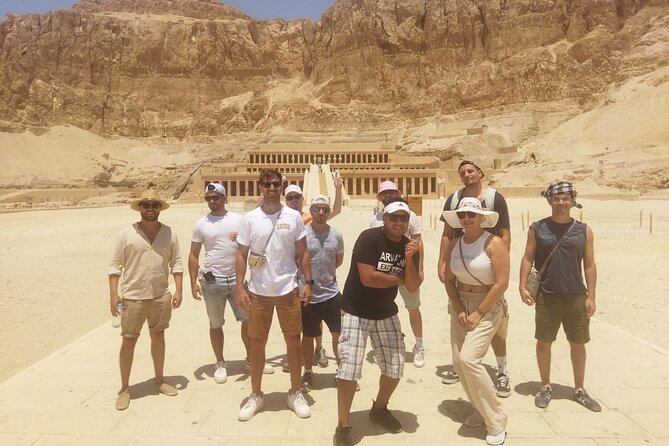
The Temple of Hatshepsut at Deir el-Bahari follows the Valley of the Kings. Hatshepsut was Egypt’s most famous female pharaoh, and her temple is built in broad terraces against the cliffs.
You have about one hour here. That is enough for a useful overview and photographs, but not a slow architectural study. Listen for the political story as well as the building details, since Hatshepsut’s reign and presentation as king are central to understanding the site.
Karnak receives about two hours. This is the largest temple complex on the route and was dedicated to Amun. It is so large that the comparison to a city is fair in practical terms. You will see monumental gateways, courts, columns, and sacred spaces built and altered by successive rulers.
Karnak can feel overwhelming without a clear route. Stay close to your Egyptologist and ask which sections matter most during your allotted time. The temple is not a quick photo stop, but two hours still requires sensible pacing.
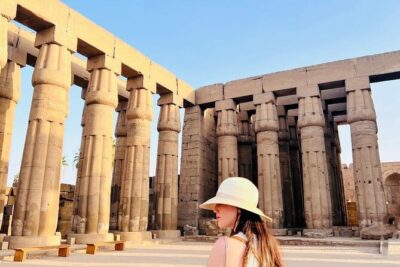
The final historical visit is Luxor Temple, with its avenue of sphinxes and festival route. The stop lasts about one hour. Its city setting gives it a different mood from the isolated west-bank monuments, and the sequence makes a fitting end to the cruise.
The day is expected to finish around 2 p.m., allowing a transfer to a hotel, airport, bus station, or train station. Since the final transport depends on your onward plans, give the operator accurate arrival details and reconfirm them before the cruise ends.
What the $480 price really covers
At $480 per person, the price has solid value if you want a packaged Nile experience. It includes three nights aboard the ship, breakfast, lunch, dinner, the listed sightseeing program, the Abu Simbel bus tour, and transfers. Train tickets are also described as included in the overall tour information, though the specific train service is not identified, so confirm how that applies to your booking.
The pool and meals reduce the number of daily decisions you need to make. The door-to-door transfer promise is also useful if you are arriving at or leaving from a hotel, airport, station, or bus terminal.
The price is not all-inclusive. You must add entrance fees, gratuities for guides, drivers, and crew, personal spending, Wi-Fi, and any hot-air balloon charge. Those extras can change the final cost substantially, especially if several major sites require separate tickets.
The cruise can take up to 30 people. That group size keeps the package price down, but it may mean waiting for the full group and less flexibility at each monument. If you want private timing or a slower visit, ask about a smaller group or private upgrade.
Food, guides, and the practical rhythm
The strongest food praise in the available feedback is for the buffet meals. One Spanish-language comment described the food as possibly the best part of the Egypt trip, especially the open buffet. That is encouraging, though another account found the food disappointing. I would treat the dining as a useful inclusion, not a guaranteed highlight.
The Egyptologist is central to the experience. Without explanations, the High Dam is simply a large structure, Philae is a beautiful ruin, and Karnak can become a maze of columns. The guide turns each place into a connected story about gods, rulers, burial customs, engineering, and the Nile.
The timing is the bigger concern. You have an early Abu Simbel departure, a 6 a.m. Edfu visit, multiple long monument stops, and a final day packed with west-bank and east-bank sights. If you need a relaxed pace, add free time before or after the cruise rather than expecting this four-day program to provide it.
Published feedback also includes a serious complaint about late schedule changes, long waiting at the ship, poor coordination over transfers, and confusion about Cairo transport. The provider’s response disputes some of those details and refers to prior ticket communication. I cannot settle that disagreement, but you can protect yourself by confirming every pickup, train, and onward transfer in writing before arrival.
Free cancellation is available up to 24 hours before the start time. Changes inside that period are not accepted, and a minimum group requirement applies. Keep those terms in mind if your Egypt schedule is still moving.
Who should book this Nile cruise?
I would choose this tour if you want the main southern Egypt sights in one organized package, prefer a ship to repeated hotel changes, and value having an Egyptologist at every stop. It is especially suitable for a first visit when you want Abu Simbel, the classic Nile temples, and Luxor’s royal monuments without arranging each transfer yourself.
I would be more cautious if you dislike early departures, need reliable last-minute transport coordination, or want long independent visits. The route is busy, the group may reach 30 people, and admission fees are not built into the headline price.
Should you book it?
Book this four-day Nile cruise if the route matters more to you than a relaxed pace. Abu Simbel, Philae, Edfu, Karnak, and the Valley of the Kings make it an unusually full introduction to southern Egypt, and the included meals, ship accommodation, and transfers offer useful value at $480.
Before confirming, request the current entrance-fee total, the balloon price, exact pickup details, train arrangements, and the name of your Egyptologist. If those details are clear and you are comfortable with the 4 a.m. Abu Simbel start, this is a practical way to see the Nile’s essential monuments.
FAQ
How long is the Nile cruise?
The cruise lasts approximately four days and includes three nights aboard the ship.
Where does the cruise start and finish?
It sails from Aswan to Luxor.
Is Abu Simbel included?
A bus tour to Abu Simbel is included in the program. Entrance fees are listed as not included.
What time does the Abu Simbel visit begin?
The departure is scheduled for around 4 a.m.
How long does the Abu Simbel excursion take?
The Abu Simbel outing takes about eight hours, including the journey and visit.
Are meals included?
Yes. The package includes three breakfasts, three lunches, and three dinners. Afternoon tea is also mentioned as part of the cruise experience.
Is accommodation included?
Yes. Three nights of accommodation aboard a 5-star Nile cruise are included.
Are site entrance fees included?
No. Entrance fees are listed separately from the included services.
Is the hot-air balloon flight included?
The hot-air balloon flight over Luxor is optional. The supplied details do not state its price.
How many people can join the tour?
The maximum group size is 30 people.
More 4-Day Experiences in Aswan
- From Aswan: 4-Day Nile Cruise from Aswan to Luxor with Guide
★ 4.1 · 593 reviews - 4-Day 3-Night Nile Cruise from Aswan to Luxor – Private Tour
★ 5.0 · 369 reviews - From Aswan:4 Days Nile Cruise Luxor Abu Simbel & Air Balloon
★ 4.4 · 310 reviews - 4-Day Nile Cruise sails Aswan to Luxor&Abu Simbel.Hot air Balloon
★ 4.5 · 247 reviews
Just added around Aswan
- Sailing Nile Cruise from Aswan to Luxor for 2 Nights★ 4.5 · 139 reviews
- 4-Day Nile Cruise: Aswan to Luxor & Abu Simbel + Hot Air Balloon★ 4.5 · 35 reviews
- 4-Days Aswan sails Nile Cruise Luxor &Abu Simbel.Hot air Balloon★ 4.5 · 77 reviews
- Sailing Nile cruise from Aswan for 2 nights★ 4.0 · 11 reviews
- 8 Nights Egypt Tour,Cairo,Luxor,Aswan&Abu Simbel,Nile Cruise,Hot Air Balloon★ 4.5 · 11 reviews
- Sailing Nile cruise from Aswan to Luxor includes tours for 3 nights★ 5.0 · 16 reviews
- 2 nights Nile cruise includes tours from Aswan to luxor★ 4.5 · 64 reviews
- (Wonderful 3-Nights Nile Cruise from Aswan to Luxor & Balloon)★ 4.5 · 17 reviews
Aswan River Cruises, compared.
4-Days Nile Cruise From Aswan To Luxor including Abu Simbel and Hot Air Balloon
Read our review →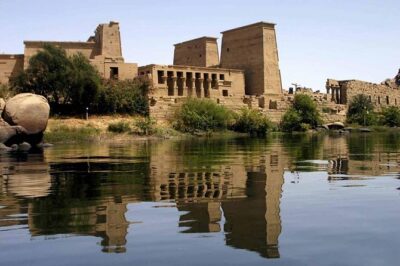
4-Day 3-Night Nile Cruise from Aswan to Luxor&Abu Simbel+Balloon
Read our review →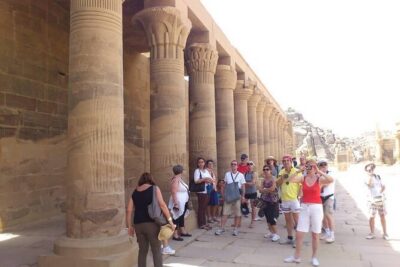
4-Day 3-Night Nile Cruise from Aswan to Luxor including Abu Simbel, Air Balloon
Read our review →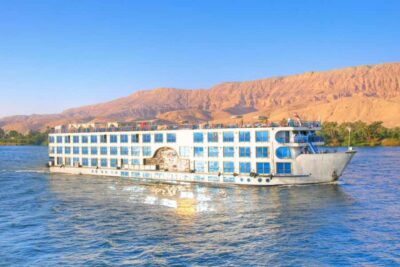
4-Day Nile Cruise from Aswan to Luxor with Guide
Read our review →4-Days Nile Cruise From Aswan To Luxor including Abu Simbel and Hot Air Balloon
Read our review →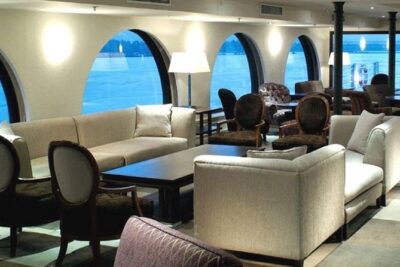
4-Day 3-Night Nile Cruise from Aswan to Luxor – Private Tour
Read our review →4 Days Nile Cruise from Aswan to Luxor including Abu Simbel and Hot Air Balloon
Read our review →
4-Day 3-Night Nile Cruise from Aswan to Luxor With Balloon and Abu Simbel
Read our review →Browse the lists this tour appears in