
REVIEW · NEW ZEALAND
Tongariro River: Grade 3 Whitewater Rafting
The best part of this Tongariro River trip is the mix of 60-plus rapids and pristine upper-river scenery. You get real whitewater action, but the Grade 3 rating keeps it within reach for first-time rafters who are ready to paddle and listen.
I like the careful start: gear at the Turangi base, a short ride to the river, then a full safety talk before the fun begins. I also like the human side of the trip. Guides such as Sarah and Fletcher are praised for clear communication, patient coaching, and helping nervous paddlers feel like part of a team.
The main consideration is that this is active water sport, not a scenic float. You need to paddle, follow instructions, and be comfortable getting wet. Children under 11 cannot join, and those aged 11 or 12 need a responsible adult.
Key points to know before you book
- More than 60 Grade 3 rapids: Expect a busy, action-filled river run rather than a few isolated splashes.
- A good first step into whitewater: The Grade 3 level is described as suitable for beginners and more experienced rafters.
- Skilled guides set the tone: Sarah and Fletcher are two guides praised for support, safety, and team building.
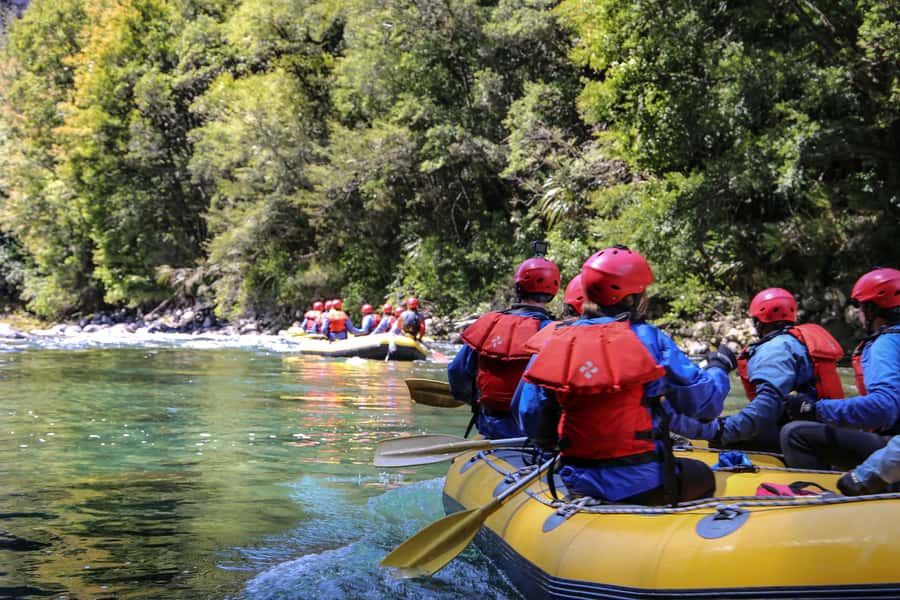
- The upper Tongariro is part of the reward: Rafting gives you views of river scenery you cannot reach by road.
- Blue ducks may appear: Keep watch for New Zealand’s rare blue duck in the river surroundings.
- Four hours door to door at the base: The time includes equipment, transport to the launch point, instruction, rafting, and a return to the base.
Why this Tongariro rafting trip works for first-timers
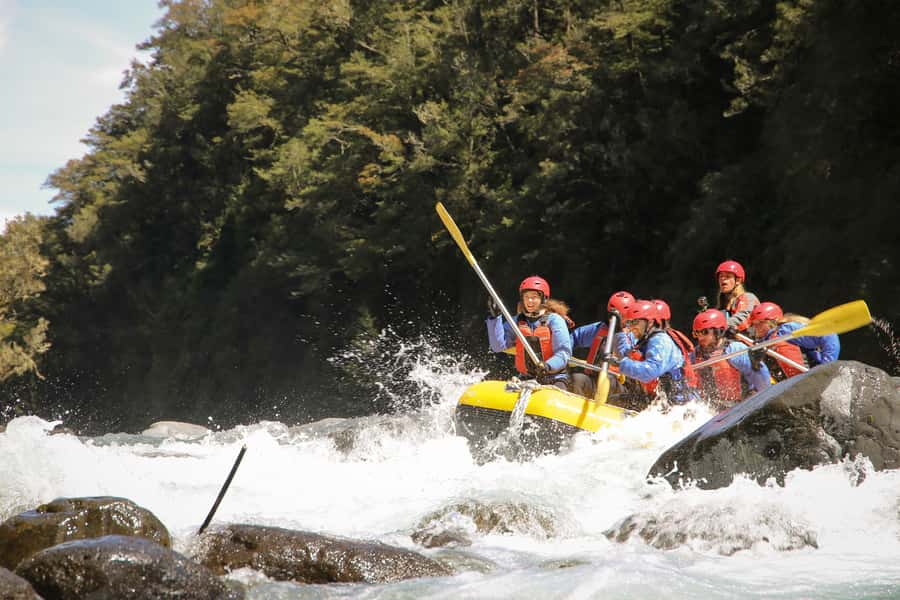
Grade 3 whitewater is a useful middle ground. The river offers enough speed, drops, and sudden turns to feel exciting, but the trip is designed for people without a long rafting background as well as those who have done it before.
You are not expected to arrive knowing how to steer a raft. The guide gives paddling instructions before you reach the water and leads the boat through each rapid. Your job is to listen, paddle when told, and work with the rest of the raft.
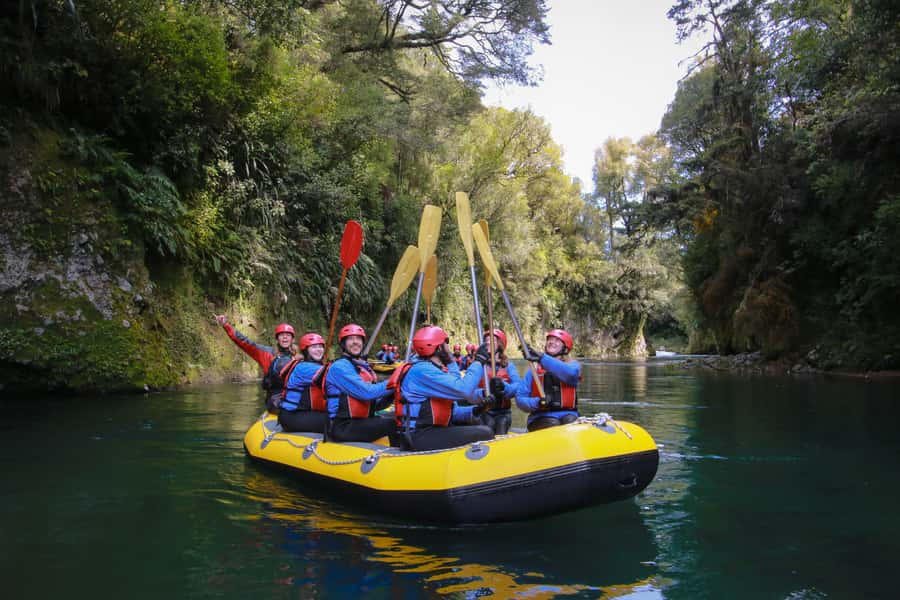
That team element matters. Whitewater rafting is not a passive ride where you simply hold on. You and the other paddlers help the raft move and stay balanced. A good guide turns a group of strangers into a working crew, and that is where Fletcher received particular praise for helping everyone feel safe, confident, and involved.
If you are nervous, tell the guide early. The experience is built around instruction and supervision, not bravado. One useful sign of the trip’s character is that a hesitant participant reportedly finished wanting to do it again. That does not remove the physical demands, but it suggests the coaching is aimed at bringing people along rather than showing off.
More River Rafting in New Zealand
- Rotorua Rafting: Kaituna River White Water Rafting & Free Sauna
★ 5.0 · 1,952 reviews - Rafting Rotorua: Kaituna River White Water Experience
★ 4.9 · 1,274 reviews - Rotorua Rafting: Kaituna River Rafting Experience-Free Sauna
★ 4.9 · 401 reviews
Starting at the Turangi rafting base
Your day begins at Tongariro River Rafting, 133 Atirau Road, Turangi 3353. This is more than a meeting point. It is where you get ready, collect the required equipment, and meet the guide before heading toward the river.
The supplied equipment includes a life jacket and the other necessary rafting gear. You should arrive with swimwear, a towel, and any personal medication you need. The medication point is important. The operator states that arriving without it might mean you cannot raft, so do not treat this as a minor packing detail.
After gearing up, you take a short bus ride from the base to the river’s starting point. That keeps the trip simple for you. You do not need to arrange separate transport to the launch area or work out where the upper section begins.
The four-hour duration includes this preparation and return process, not four straight hours of whitewater. That is normal for a guided rafting trip. Allow time for changing, instruction, transport, the river run, and looking at the photographs afterward.
The safety talk is part of the experience
Before anyone starts paddling, the guide gives a full safety briefing and explains the basic strokes and commands. Pay close attention here. You will get more from the river if you understand what the guide wants before the first rapid arrives.
This briefing also lets you judge the trip properly. Grade 3 water can be fun and manageable, but it still calls for attention. You should be ready to follow directions quickly, keep your life jacket on, and work as part of the raft.
The guide is in charge of reading the river and directing the boat, while you provide the paddling power. That division of responsibility is reassuring for a beginner. You are not left to solve each rapid alone, but you are still an active part of the run.
The experience is offered in English. If you are not comfortable following spoken English instructions during a fast-moving activity, that is a practical concern to think through before booking.
More than 60 rapids on the Tongariro River
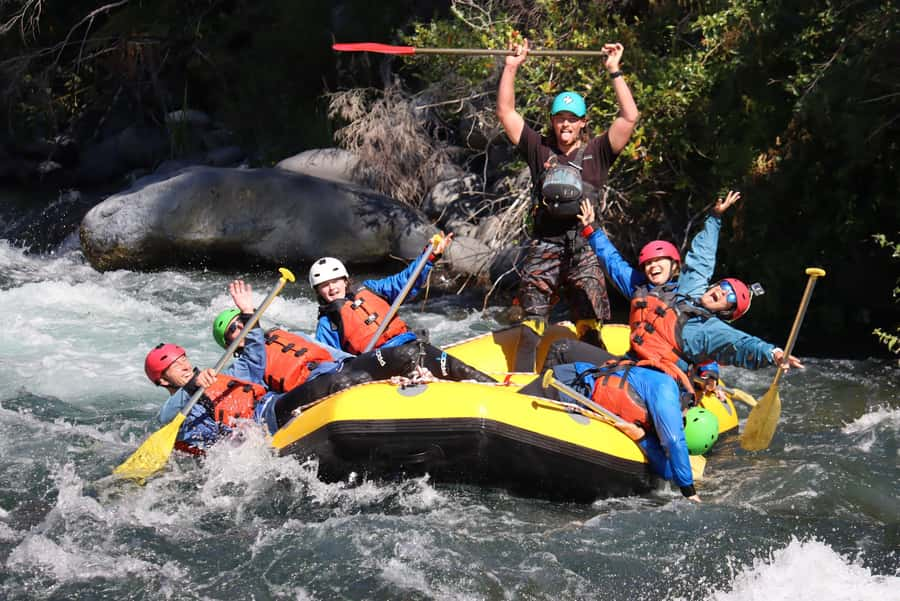
The central attraction is the long sequence of more than 60 Grade 3 rapids. That number gives you a better idea of the rhythm than a simple promise of whitewater. You can expect repeated bursts of action, followed by quieter water where the raft regroups and the guide prepares you for what comes next.
The descriptions compare the rapids to a roller coaster. That is a helpful image, though you should not read it as a theme-park ride. You are sitting in a raft, helping paddle, getting wet, and responding to the river. The excitement comes from the water’s movement and your own part in handling it.
For a first-time rafter, the repeated rapids can be both the best feature and the tiring part. You get plenty of chances to settle into the commands and improve your paddling. At the same time, you should not assume that one burst of effort is all that is required.
The Grade 3 rating also gives the trip a clear identity. It is more energetic than a gentle sightseeing float, but it is presented as suitable for novice rafters as well as experienced participants. If you want a serious expedition with remote technical water, this may feel too introductory. If you want an accessible half-day challenge, it fits better.
More rafting trips in New Zealand:
- Kaituna River White Water Rafting from Rotorua
★ 5.0 · 388 reviews - Kaituna River and Tutea Falls Whitewater Rafting
★ 4.9 · 324 reviews - Queenstown Shotover River White Water Rafting
★ 5.0 · 309 reviews - Queenstown: Shotover River Whitewater Rafting Adventure
★ 4.8 · 234 reviews
Scenery from the river, not the roadside
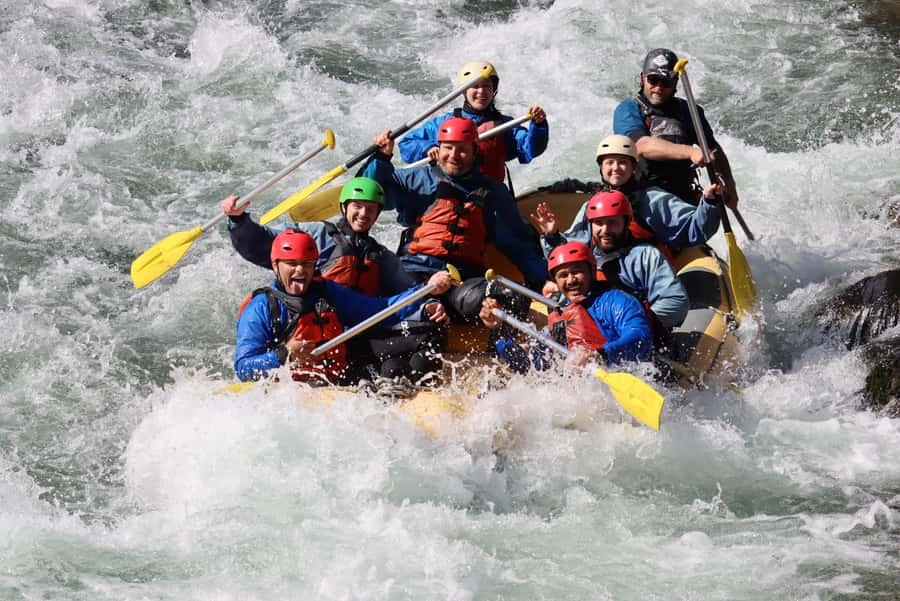
The upper reaches of the Tongariro River bring a second layer to the trip. You are not simply moving from one rapid to the next. The raft carries you through sections of the river where the views are available from the water itself.
That perspective is valuable. From a road or walking route, you see the river from the edge. In a raft, the river becomes your route, and the banks, water, and surrounding scenery pass at a different pace. The trip description highlights the pristine feel of the upper river, while the customer feedback points to the scenery as a memorable part of the day.
Keep your eyes open between rapids for a chance to see New Zealand’s rare blue duck. This is not guaranteed, and nobody should book the trip as a wildlife tour. Still, the possibility adds interest during the calmer stretches. You will need to balance wildlife watching with listening to the guide and preparing for the next rapid.
Rain does not necessarily spoil the outing. One participant described having a great time in rain and hail, which fits the nature of a rafting day: you are likely to get wet anyway. Still, weather can affect how comfortable you feel, so bring the required swimwear and towel and be ready for outdoor conditions.
Guides who make the difference
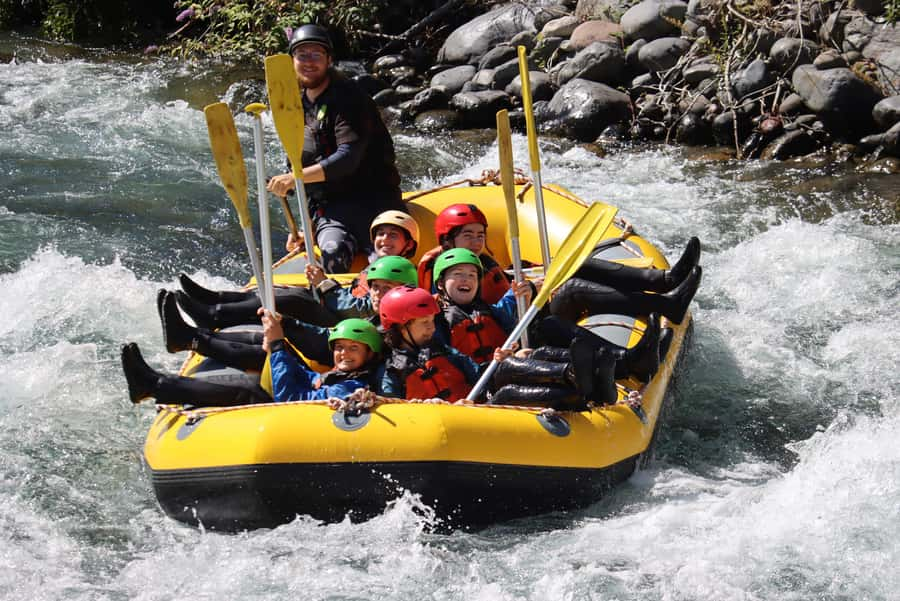
The guide is the key factor in a rafting trip, and the strongest feedback here centers on personal attention. Fletcher is praised for being supportive, caring, informative, and attentive, while Sarah is noted for warm communication and a welcoming approach.
Those details matter more than a generic claim about expert guides. On a river, you need someone who can explain a task clearly, keep the group focused, and notice when a nervous paddler needs help. A guide also sets the mood. Calm instructions can turn nerves into concentration, while rushed or unclear directions can make a fun rapid feel harder than it needs to.
You should expect to paddle as a group rather than compete with the guide. The best result is a raft that responds together. If you are traveling with friends or family, this creates a shared challenge. If you arrive alone, the format still gives you a practical way to connect with the rest of the boat.
The operator describes the guides as experienced, and the feedback supports that impression through repeated praise for competence and safety. You should still remember that river conditions and your own comfort level can vary. A positive guide relationship helps, but it does not turn active whitewater into a risk-free ride.
What the $112 price covers
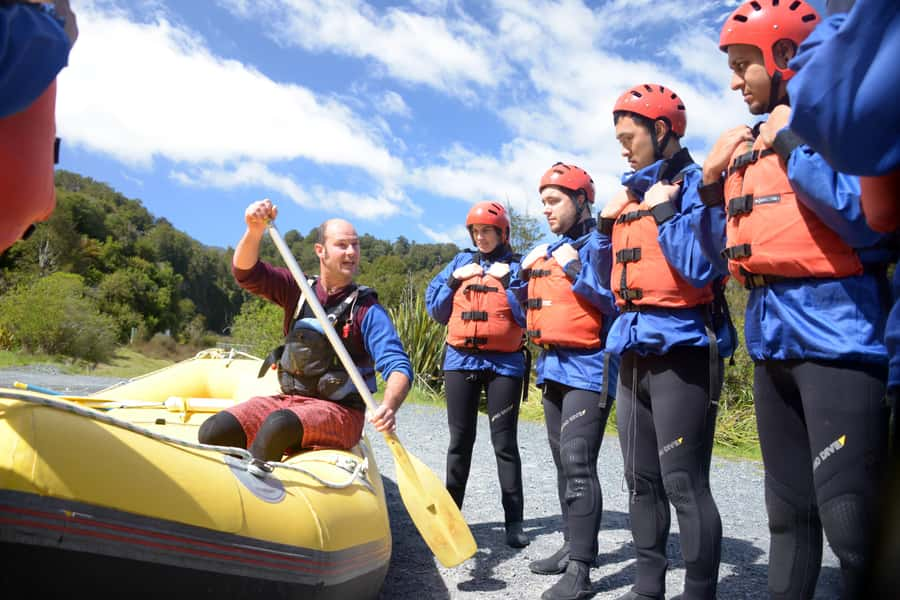
At $112 per person, the price includes the four-hour guided activity, rafting equipment, a life jacket, the safety briefing, the guide, and the bus ride from the Turangi base to the river start. That is a fair package if you want a ready-to-go activity without arranging gear or transport yourself.
The value is strongest for visitors who would otherwise need to rent equipment, find a launch point, and learn the basics alone. Here, those practical pieces are handled in one booking, and you get access to river sections that are difficult to experience independently.
The price does not include digital photographs. You can look at the images after returning to the base and decide if you want to buy them. Treat photos as an optional extra rather than part of the advertised cost.
For a budget-conscious trip, $112 is not a casual add-on. You should compare it with other activities in your North Island plans and ask what sort of day you want. This is a full half-day commitment with real physical participation, not a quick attraction. If whitewater is high on your list, the equipment, instruction, guide, and access make the price easier to justify.
Who should book this experience
I would point this trip toward adults, older children, and active families who want a lively outdoor activity with a clear structure. The Grade 3 level makes it a sensible option for a first rafting experience, provided everyone understands that they will be paddling and getting wet.
It also suits people who want more than scenery. The river views and possible blue duck sighting add to the day, but the main event is the rapids. If you prefer a quiet boat ride, this is not the right choice.
Children under 11 are not allowed. Children aged 11 or 12 must be accompanied by a responsible adult. The information does not give a maximum age, but you should consider your own fitness, comfort in moving water, and ability to follow instructions.
You also cannot take part while intoxicated. Alcohol and drugs are not allowed, and an intoxicated person will not be suitable for the activity. That is both a safety rule and common sense on a fast river.
Practical preparation for a better day
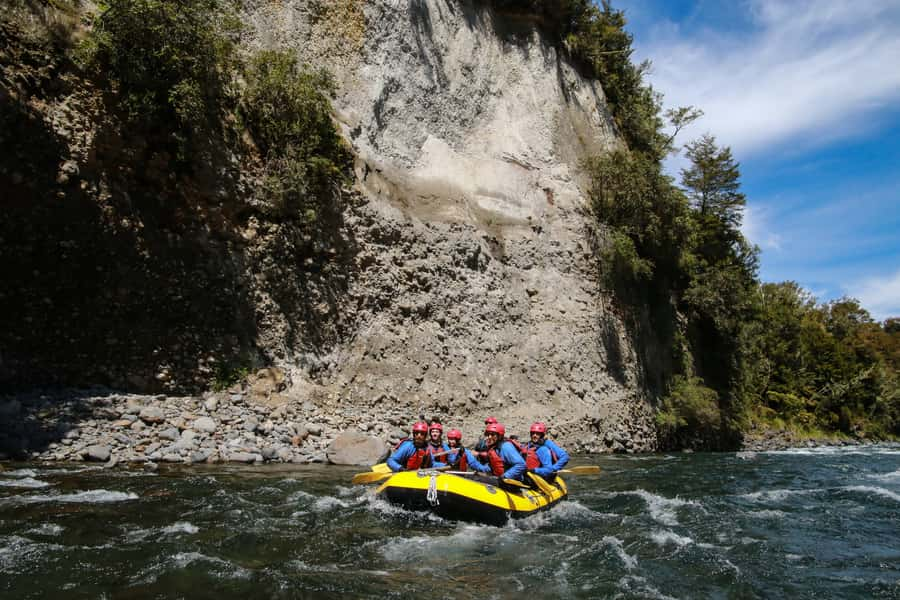
Wear swimwear under the supplied rafting gear and bring a towel for afterward. Keep personal medication with you and make sure it is available before departure. The operator specifically warns that missing medication could prevent you from rafting.
Book with some flexibility if possible. The operator may cancel if the minimum number of participants is not reached, even after confirmation. In that case, you are offered another date or a full refund. Free cancellation is available up to 24 hours before the activity, and the reserve-now, pay-later option can help if your North Island schedule is still changing.
Check the available starting times before you commit, since the activity runs for four hours and the exact departure time is not fixed in the supplied information. Build in enough time to reach 133 Atirau Road without rushing.
Finally, do not plan a tight connection immediately afterward. The trip includes preparation, transport, rafting, and returning to the base to view photographs. A little breathing room will make the day easier.
Should you book the Tongariro River rafting trip?
Book it if you want a guided whitewater challenge with a strong beginner-friendly structure, plenty of rapids, and a chance to see the upper Tongariro River from the water. The guide support is a major reason to choose this trip, especially if you feel nervous about your first Grade 3 run.
Skip it if you want a dry, quiet outing, if you cannot paddle or follow fast instructions, or if you are traveling with children under 11. At $112, it earns its price through the gear, coaching, transport, and access to more than 60 rapids. For an active half-day in Turangi, it offers a clear mix of excitement, scenery, and teamwork.
FAQ
Where does the Tongariro River rafting trip meet?
The meeting point is Tongariro River Rafting at 133 Atirau Road, Turangi 3353.
How long does the rafting experience last?
The activity lasts four hours, including preparation, transport to the river, the rafting trip, and the return to the base.
How many rapids will I raft?
You will tackle more than 60 rapids on the Tongariro River.
What grade are the rapids?
The rapids are Grade 3. The activity is described as suitable for both novice rafters and people with more rafting experience.
Is equipment included?
Yes. Necessary rafting equipment, including a life jacket, is included.
Is a safety briefing provided?
Yes. Your guide gives a full safety briefing and paddling instructions before you enter the river.
Can children join the trip?
Children under 11 cannot participate. Children aged 11 or 12 must be accompanied by a responsible adult.
What should I bring?
Bring swimwear, a towel, and any personal medication you need. The operator warns that arriving without personal medication might mean you cannot raft.
Are photographs included in the price?
No. Digital photographs are available to purchase separately after the rafting experience.
What happens if the trip is canceled?
The activity requires a minimum number of participants and may be canceled if that number is not reached. You will be offered an alternative date or a full refund. You can also cancel up to 24 hours in advance for a full refund.
Just added around New Zealand
- Rubicon Valley Horse Treks – 2 Hour River Trail Horse Trek★ 5.0 · 196 reviews
- Electric Boats to explore Kerikeri river★ 4.5 · 14 reviews
- Akaroa Shore Excursion: Christchurch City Tour and Jet Boating★ 4.0 · 54 reviews
- Te Anau: River Jet Boat and Bike Ride Tour with Local Guide★ 5.0 · 21 reviews
- Rotorua Sledging: Kaituna White Water River Board Experience★ 4.8 · 36 reviews
- Queenstown: Shotover River Whitewater Rafting Trip★ 4.9 · 72 reviews
- Queenstown: Kawarau River Rafting and Jet Boat Ride★ 4.8 · 145 reviews
- Queenstown: White Water Surfing Along the Kawarau River★ 4.6 · 30 reviews
New Zealand River Cruises, compared.
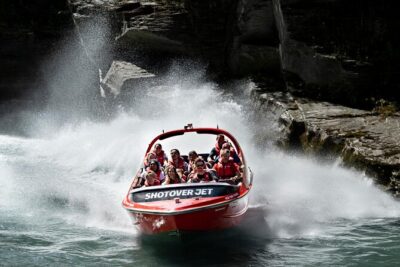
Shotover River Extreme Jet Boat Ride in Queenstown
Read our review →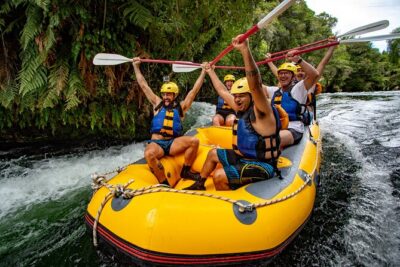
Rotorua Rafting: Kaituna River White Water Rafting & Free Sauna
Read our review →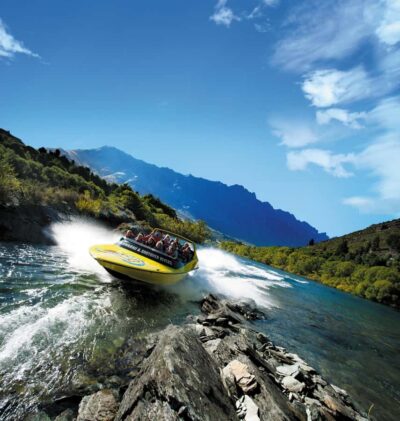
Shotover River and Kawarau River Jet Boat Ride
Read our review →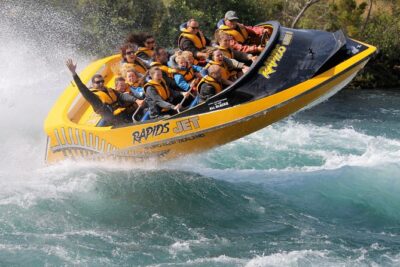
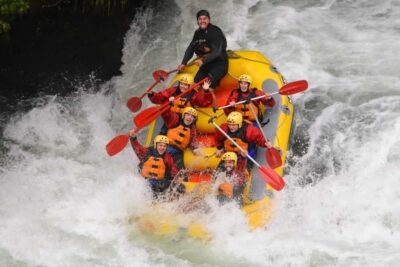
Rafting Rotorua: Kaituna River White Water Experience
Read our review →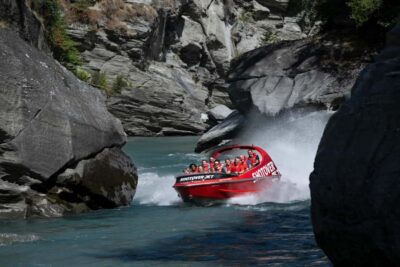
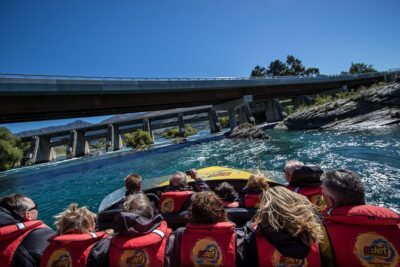
KJet Queenstown Jet Boat Ride on the Kawarau and Shotover Rivers
Read our review →
Browse the lists this tour appears in