
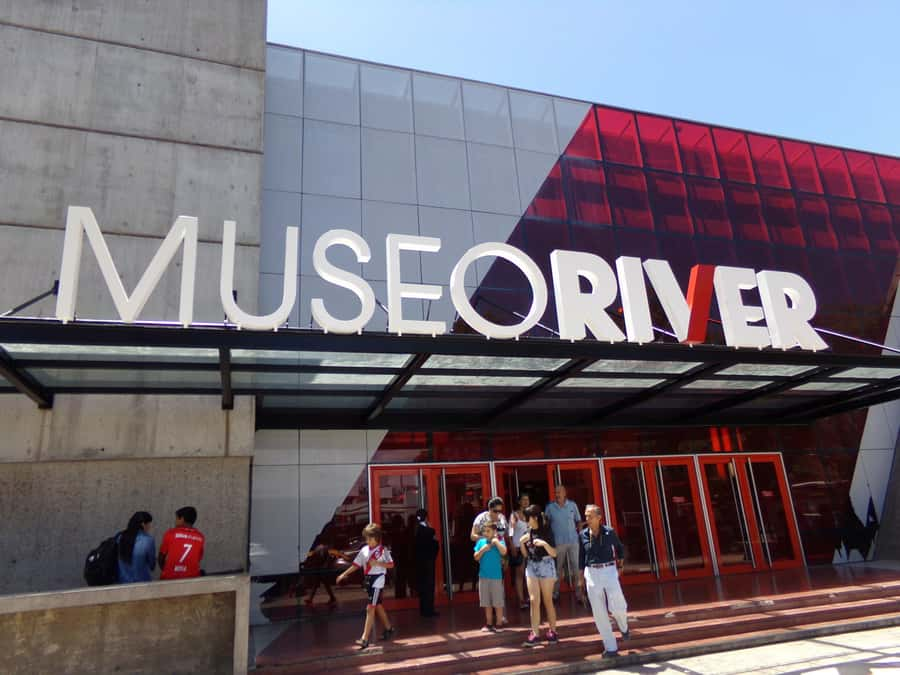
REVIEW · MUSEUMS
River Plate Stadium and Museum Guided Tour
River Plate’s stadium is more than a football ground. It is where Argentina won the 1978 World Cup and where one of South America’s biggest clubs plays before up to 86,000 fans. The museum adds the club’s story, trophies, and identity to the view from the stands.
I like the private guide and the separate entrance, especially if you want explanations rather than a quick walk through. I also like the chance to see the tunnel and visitors’ changing room, two places that make the stadium feel more real than a museum display alone. The main caution is that access can change for matches, concerts, training, cleaning, or renovation, and one booking reported that the promised snack was not received.
Key points to know before you book
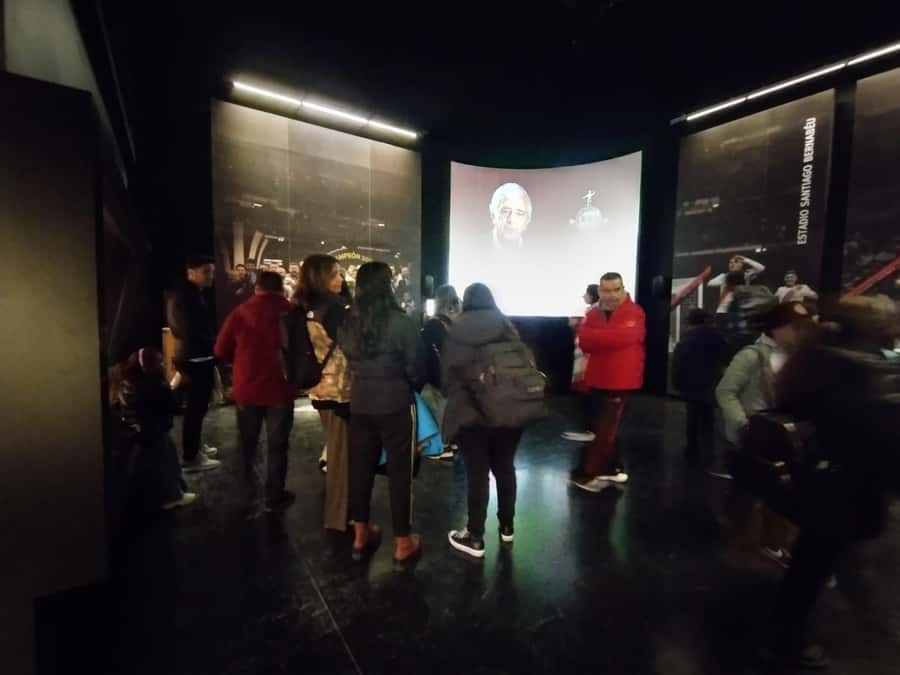
- River Plate’s 86,000-seat stadium: You visit the largest stadium in the American continent by stated capacity, in the Núñez neighborhood.
- A private visit: Your group has its own guide, with English, Portuguese, and Spanish available.
- Football history beyond club trophies: The stadium hosted Argentina’s 1978 World Cup victory.
- Museum plus behind-the-scenes spaces: The visit includes the museum, stadium, one tunnel, and visitors’ changing room.
- Guide quality can shape the tour: Juan received especially strong praise, though a specific guide is not guaranteed.
- Check the access situation: Match days, concerts, training, and maintenance can alter the route.
Why River Plate’s stadium matters
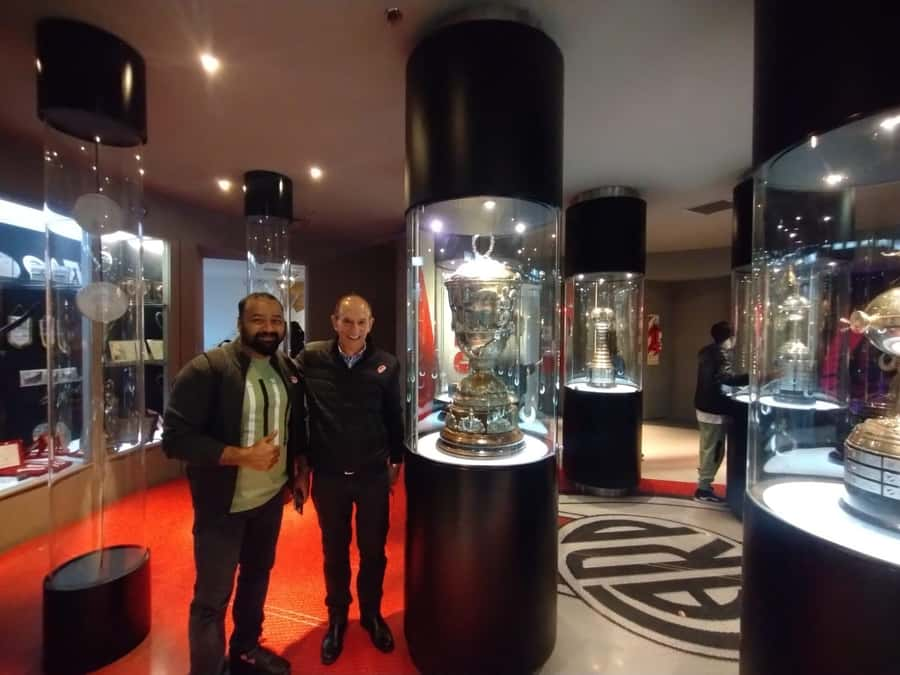
River Plate supporters call the club El más grande, or the greatest. That claim is part pride, part football rivalry, and part club history. River Plate has more than a century behind it and more than 70 titles, including four Copa Libertadores victories and several other South American and international trophies.
You do not need to be a devoted supporter to enjoy the visit. The club is one of Argentina’s five major football teams, and its rivalry with Boca Juniors is a basic part of the country’s football culture. A guide can help turn a collection of cups and dates into a story about how the club grew from modest beginnings into a force followed in Argentina and abroad.
The stadium also matters beyond River Plate. Argentina’s victory in the 1978 World Cup took place here, giving the building a place in the national story as well as the club’s story. That is the detail I would keep in mind as you look around. You are not only seeing River Plate’s home ground. You are seeing one of the country’s most important football settings.
A few more river trips around the world worth comparing
- Paris: Louvre Museum Entry Ticket With Host and River Cruise
★ 4.6 · 9,926 reviews - Louvre Museum and Seine River Cruise Tickets by e-mail
★ 3.0 · 1,315 reviews - Louvre Museum Ticket & Optional Seine River Cruise
★ 4.0 · 1,169 reviews
Starting at the River Plate Museum
The meeting point is the main entrance of the River Plate Museum. That makes the start fairly clear, but it also means you need to arrange your own way there. Transfer in and out is not included, despite one piece of booking feedback referring to hotel pickup, so I would rely on the stated meeting point unless your confirmation says something different.
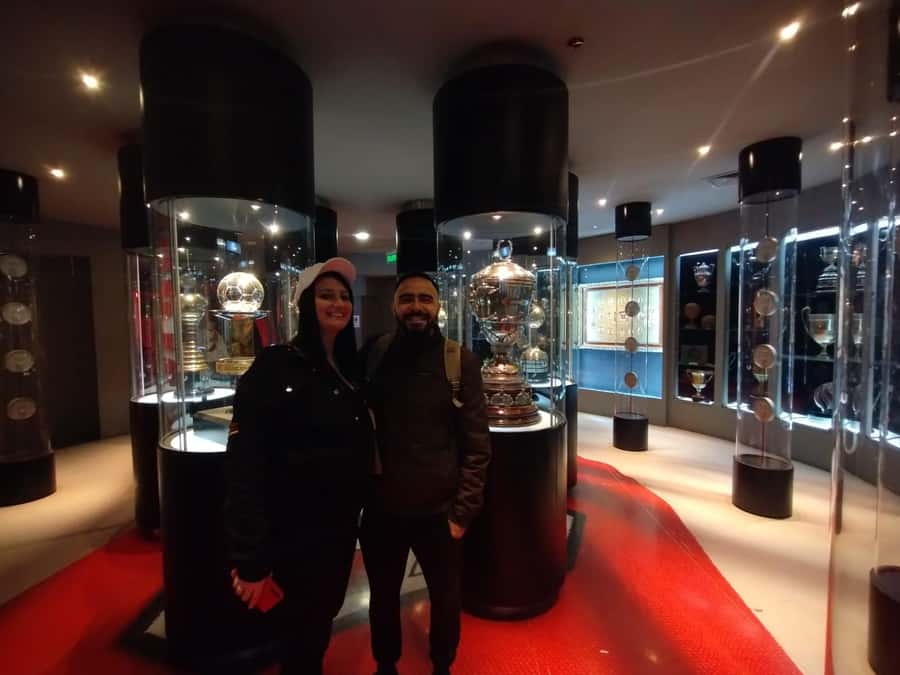
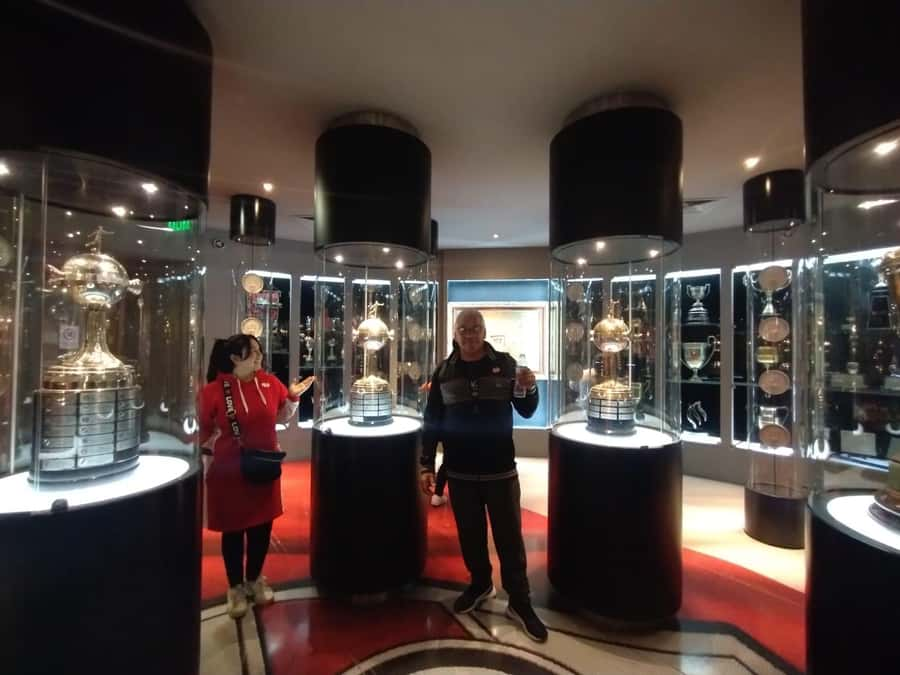
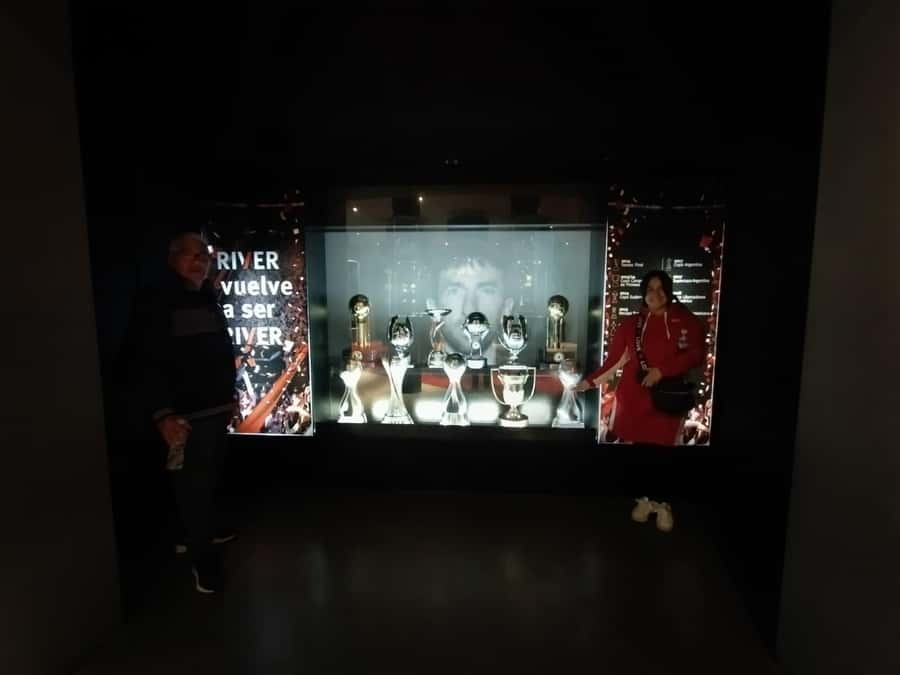
The museum is the right place to begin because it gives context before you enter the stadium areas. You can expect displays about the club’s past, its titles, and its development over more than 100 years. The museum is not just a waiting room for the stadium. It gives you names, competitions, and milestones that make the later spaces easier to understand.
The exact presentation can depend on your guide and the current displays. A private format should let you ask questions that matter to you, such as River Plate’s rivalry with Boca Juniors, the Copa Libertadores wins, or the club’s international success.
Allow enough time to read and listen. The full activity lasts about two to three hours, but the experience is not designed as a rushed photo stop. One booking described the tour as a little short while still rating it highly, so your pace may depend on the guide, the day, and how much time is available in each area.
Seeing the stadium and its enormous capacity
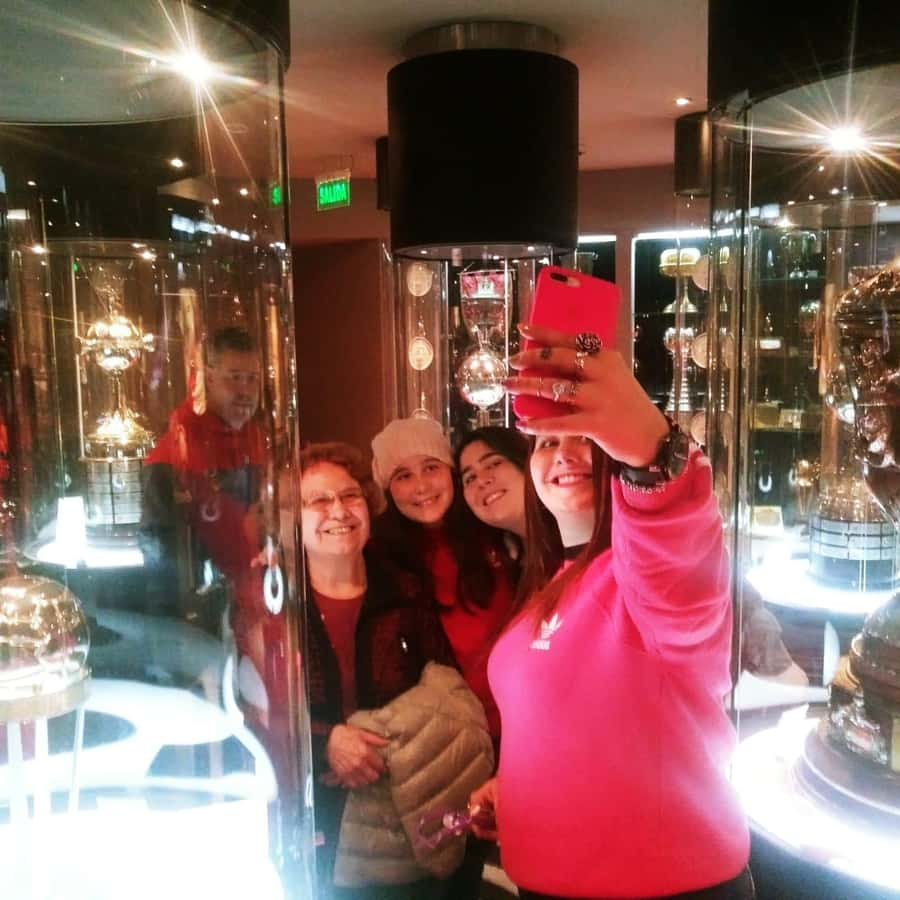
From the museum, the visit continues into the stadium. The stated capacity is 86,000, making it the largest in the American continent by that measure. Even if the seating area is quiet during your visit, the scale should be clear.
A stadium of this size is best understood when you connect the physical space with the crowds it holds. River Plate’s home matches draw an emotional following, and the stadium has also carried national importance through the 1978 World Cup. Your guide can give the building a sense of occasion instead of leaving you with only a large bowl of seats.
The experience is likely to appeal most to football fans, but I would not limit it to them. If you are interested in Buenos Aires culture, the stadium gives you a direct look at a major part of Argentine life. Football here is tied to family, neighborhood identity, national pride, and fierce club loyalty.
Keep your expectations practical. This is not advertised as a match-day experience, and you should not expect a live game or a full stadium atmosphere. You are visiting the venue and learning its history. The value comes from access and explanation, not from seeing a fixture.
Walking through the tunnel and changing room
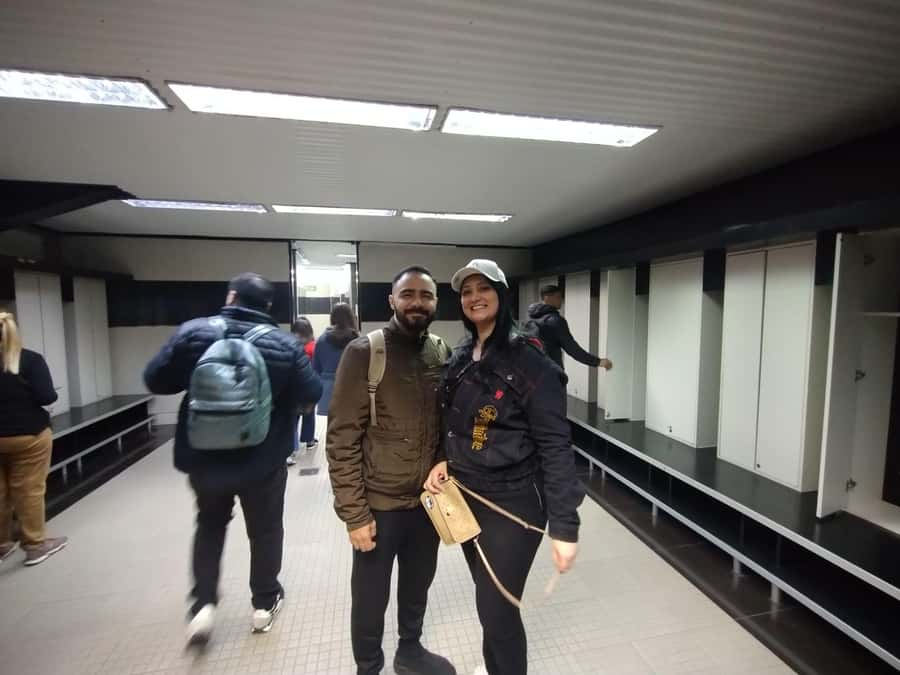
The tour includes one tunnel and the visitors’ changing room. These are modest details on paper, but they can be the most memorable part for many people. Museum displays tell you what the club has achieved. The tunnel and changing room show you the route people take through the building.
The wording matters: access is to a single tunnel and the visitors’ changing room. You should not assume that every team area or every backstage section is included. The route can also be changed by matches, concerts, training sessions, cleaning, refurbishment, or other work.
That possible change is the main uncertainty in the experience. It does not mean the tour will be poor, but it does mean you should treat the listed areas as planned access rather than an absolute guarantee. If seeing the changing room is the reason you are booking, check current conditions and ask at the meeting point if the route has been adjusted.
The private format helps here. You can ask your guide what you are seeing and why it matters. Juan, one guide associated with particularly strong feedback, was singled out for an excellent tour. A specific guide is not guaranteed, but that gives you a useful reason to value the human part of the visit.
More guided river trips in the world:
- Chicago River: 1.5-Hour Guided Architecture Cruise
★ 4.8 · 8,046 reviews - Québec City: Guided Sightseeing River Cruise
★ 4.4 · 3,000 reviews - Bali: Ayung River Guided Rafting Adventure with Lunch
★ 4.7 · 2,289 reviews - Montréal: Guided Sightseeing River Cruise
★ 4.2 · 1,889 reviews
A guide who can make the history click
The tour is offered in English, Portuguese, and Spanish. That range is useful in Buenos Aires, especially for visitors who want more than a few memorized facts. A private guide can adjust the emphasis to your interests, though the exact level of detail will depend on who leads your group.
I would use the time to ask direct questions. You can ask about River Plate’s four Copa Libertadores titles, its rivalry with Boca Juniors, the club’s move from humble beginnings to major success, or the role of the stadium in the 1978 World Cup.
Several ratings praised the experience as enjoyable, informative, and well led. One English-language booking described learning a lot, while Portuguese-language feedback praised Juan by name. Those details suggest that the guide can be a major part of the value.
There is also a warning here. One dissatisfied booking reported difficulty getting access and said the visitor received a stadium guide instead of the privately arranged service. I would not treat that as the normal outcome, but it is a useful reminder to carry your confirmation and clarify the private-tour arrangement when you arrive.
The snack and souvenir extras
A snack and souvenirs are included in the advertised package. These are small additions, not the reason to pay for the tour, but they can make the visit feel more complete.
I would think of the snack as a convenience rather than a meal. The available information does not specify its size, contents, or where it is served. One booking specifically reported not receiving it, so check that it is included when you arrive rather than assuming it will appear automatically.
The souvenir is also not described in detail. You should not book this expecting a particular shirt, scarf, signed item, or limited-edition product. Treat it as a modest extra unless your confirmation gives more information.
The core value is the museum, stadium, guide, tunnel, and changing room. If the snack or souvenir matters greatly to you, confirm the details before the visit.
What $117 means for the experience
At $117 per person, this is not a bargain admission ticket. The price makes more sense if you value a private group, skip-the-line access, a live guide, and the chance to combine several parts of the River Plate complex in one visit.
For a dedicated supporter, the price may be reasonable because the tour focuses on a club with more than 70 titles and one of the continent’s best-known stadiums. For a casual football fan, the decision is closer. You need to care enough about Argentine football or stadium culture to appreciate the guided context.
The separate entrance can save time, but the overall benefit depends on how busy the museum is when you visit. Skip-the-line service is helpful, yet it does not remove the possibility of access restrictions caused by a concert, match, training session, or maintenance.
A private tour also has more value when you are traveling with family or friends who want different levels of detail. You can ask questions without keeping pace with a large group. If you are alone or mainly want to see the stadium quickly, the price may feel high.
Free cancellation up to 24 hours before the start and reserve-now, pay-later booking reduce the financial risk. Those terms are useful if your Buenos Aires schedule is still shifting.
Planning your visit at Núñez
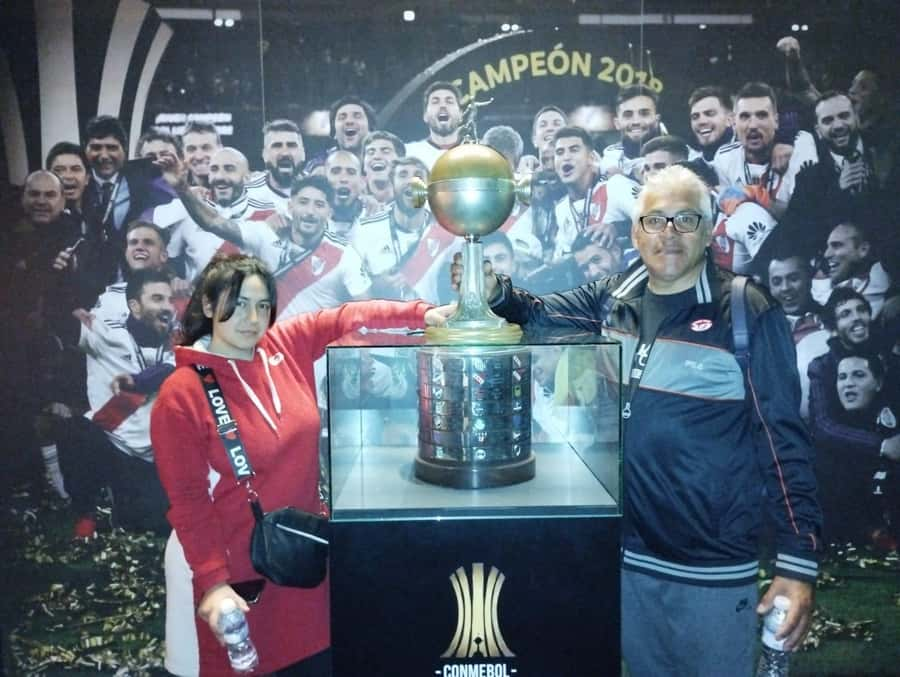
The meeting point is the main entrance of the River Plate Museum, not hotel pickup. Arrange transport separately, and give yourself enough time to arrive without rushing. The stated duration is two to three hours, so leave room in your day rather than placing another fixed activity immediately afterward.
Wear comfortable shoes. You should also bring a passport or ID card, sunglasses, a sun hat, and sunscreen. The activity is wheelchair accessible, but stadium access can still depend on the areas open that day. If you use a wheelchair, I would confirm the current route before setting out, especially if a match or event is scheduled.
Alcohol and drugs are not allowed. The tour is suitable for a private group, but the information does not state a maximum group size, so check the booking details if you are organizing a larger party.
Because the route can change, a flexible attitude helps. You may receive the full advertised path, or one section may be closed while another is available. The museum and stadium remain the central parts of the visit, even when behind-the-scenes access shifts.
Who will enjoy this River Plate tour
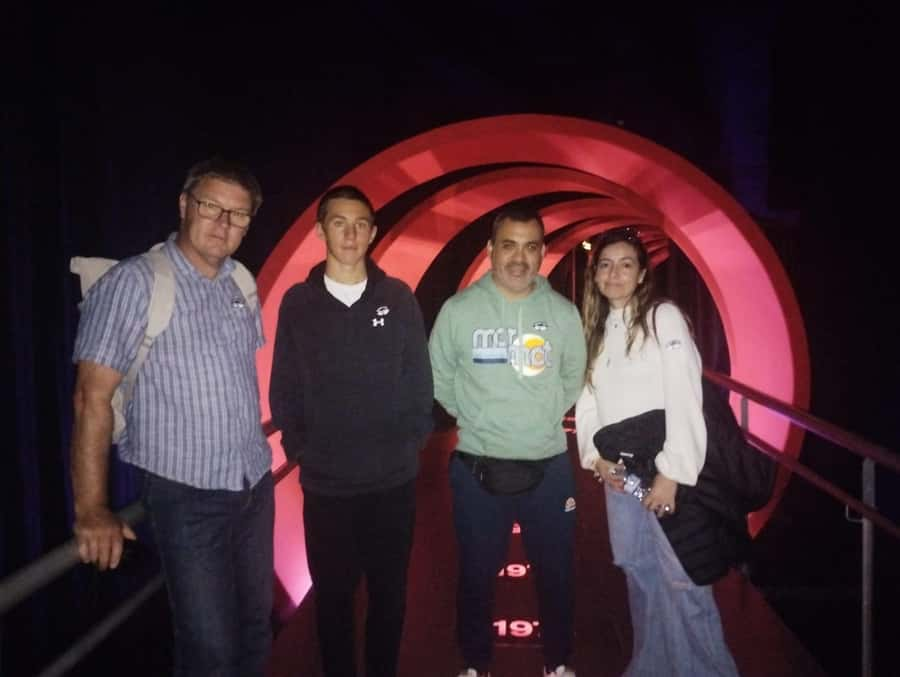
I would recommend it most strongly to:
- River Plate supporters who want club history tied to the actual stadium
- Football fans interested in Argentina’s major teams and the Boca Juniors rivalry
- Visitors who want to see the site linked with the 1978 World Cup
- Families or friend groups who prefer a private guide
- English, Portuguese, or Spanish speakers who want a guided visit
- Visitors who value a museum and stadium combination rather than a stadium photo alone
I would be more cautious if you only want a quick look around. Two to three hours and $117 per person is a substantial commitment for someone with little interest in football. I would also reconsider if your schedule cannot handle a changed route.
Should you book it?
Book this River Plate Stadium and Museum Guided Tour if the club’s story, the 86,000-seat stadium, and Argentina’s football culture are important to you. The private guide, skip-the-line entry, museum, tunnel, and visitors’ changing room give you more than a basic stadium admission.
Before paying, confirm the meeting point, the private guide arrangement, and which stadium areas are open on your date. Ask about the snack and souvenir if those extras matter. If Juan is available, you may have a particularly strong guide, but no specific guide is guaranteed.
For serious football fans, the tour offers useful access and context. For everyone else, the price is worthwhile only if you want to understand why River Plate means so much to Buenos Aires and Argentina.
FAQ
Where does the River Plate tour meet?
The meeting point is the main entrance of the River Plate Museum.
How long does the experience last?
The tour lasts approximately two to three hours.
What is included in the ticket?
The package includes skip-the-line access, tickets, museum entry, stadium entry, access to one tunnel, the visitors’ changing room, a snack, and souvenirs.
Is transportation to the stadium included?
No. Transfer in and out is not included. You need to make your own way to the main entrance of the River Plate Museum.
Which languages are available?
Live guides are available in English, Portuguese, and Spanish.
Is the tour private?
Yes. The activity is offered as a private group tour.
Can the stadium route change?
Yes. Visits to the stadium, tunnel, and changing rooms can change because of matches, concerts, training sessions, renovations, refurbishment, cleaning, or other access restrictions.
Is the experience wheelchair accessible?
Yes, the activity is listed as wheelchair accessible. Because the stadium route can change, confirm the available areas for your date if you need specific access arrangements.
Just added around the world
- Kakadu, Adelaide & Mary River Scenic Flight★ 5.0 · 18 reviews
- From Split/Omiš Guided White Water Rafting Tour on Cetina River★ 5.0 · 11 reviews
- Darwin: Adelaide River Queen Original Jumping Crocodile Cruise★ 5.0 · 63 reviews
- Canoe safari adventures at Zrmanja river day tour★ 5.0 · 11 reviews
- Rafting in upper part of Cetina river from Split or Blato n/C★ 5.0 · 67 reviews
- Kayaking and mussels tasting at Krka River estuary-private tours★ 5.0 · 13 reviews
- River Challenge Island Tour★ 5.0 · 45 reviews
- Canyoning on Cetina River from Split or Šestanovac★ 5.0 · 173 reviews
Museums, compared.
Louvre Museum Entry Ticket With Host and River Cruise
Read our review →
Louvre Museum and Seine River Cruise Tickets by e-mail
Read our review →
Louvre Museum Ticket & Optional Seine River Cruise
Read our review →
East Side Gallery Spree Cruise in a Solar Catamaran
Read our review →
Grèvin Wax Museum and Seine River Cruise Tickets
Read our review →
Picasso Museum Ticket & Optional Seine River Cruise
Read our review →
Best of the best Giza Pyramids, Nile Sphinx, Museum,Bazzar,Camel
Read our review →
Louvre Museum & River Cruise Priority Access Tickets
Read our review →Browse the lists this tour appears in