
REVIEW · ASWAN
Luxury 4-Day 3-Night Nile Cruise from Aswan to Luxor
The best part of this four-day cruise is the way ancient Egypt unfolds in a sensible order, from Aswan’s granite quarries and island temples to the royal tombs and giant sanctuaries of Luxor. I like the private vehicle transfers and the fact that entrance fees, meals, and guided visits are bundled into one price.
I also like the slower rhythm of a Nile cruise. You see the river from a felucca, watch fields and villages pass by, and return to the boat between temple visits. The main caution is the packed schedule, especially on the west bank of Luxor, and drinks are extra. Christmas and New Year add $200 per person.
Key points to know before booking
- Philae requires a motorboat ride: The temple sits on an island, so the visit begins with a short boat transfer.
- Three nights are full board: Breakfast, lunch, and dinner are included, while drinks and alcohol cost extra.
- You visit six major ancient sites: Philae, Kom Ombo, Edfu, the Valley of the Kings, Luxor Temple, and Karnak are all covered.
- The tour is private: Your group receives private transport and takes part in a private tour rather than joining a large shared party.
- The guide matters: Ahmed Mahmoud is specifically associated with warm, careful help, including advice about the airport and time after the tour.
- The hot-air balloon is optional: It is not included in the price and costs extra.
Why this Aswan to Luxor cruise works well
At $800 per person, this is not the cheapest way to see the Nile. But the price includes three nights aboard the cruise, three breakfasts, three lunches, three dinners, all listed entrance fees, a qualified Egyptologist, private air-conditioned transport, two bottles of mineral water each day, taxes, and service charges.
That bundle can make sense if you want one organized plan instead of arranging hotels, transfers, temple tickets, and guides separately. You also avoid the repeated hassle of finding transport between Aswan, the riverside sites, and Luxor.
The private format is especially useful for families and small groups. Your day can still be busy, but you are not tied to the needs of a large coach party. Most travelers can participate, and the tour offers pickup, including collection from Aswan Airport at the beginning.
The timing matters. This is a four-day experience, but the cruise itself covers three nights. The first day begins with sightseeing in Aswan, and the final day includes Luxor sightseeing followed by a transfer to Luxor Airport for a flight back to Cairo. You should treat it as a focused introduction to Upper Egypt, not as a slow, week-long river holiday.
More Luxury River Cruises in Egypt
- 4-Day 3-Night Nile Cruise from Aswan to Luxor – Luxury Tour
★ 4.5 · 27 reviews - Nile Cruise 4 Days / Deluxe from Aswan to luxor- Private Tour
★ 5.0 · 13 reviews - Luxury Felucca on the Nile with Lunch
★ 5.0 · 994 reviews
Day 1: Aswan Dam, Philae, and the granite of ancient Egypt
Your first day begins with pickup at Aswan Airport. The first stop is the Aswan High Dam, a huge embankment dam built between 1960 and 1970. The visit lasts about 30 minutes, so think of it as a useful orientation stop rather than a long engineering tour.
The dam changed the Nile and created Lake Nasser. It also shaped the modern story of Nubia, a region that appears again at Kom Ombo, where many Nubian families were displaced by the lake’s creation. A guide can help connect the modern infrastructure to the ancient sites you see later.
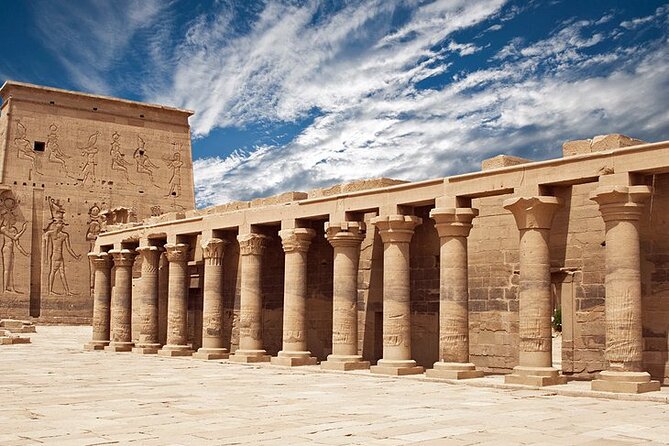
Next comes Philae Temple, reached by motorboat. This is one of the most memorable visits on the trip because the temple complex occupies an island and was moved to higher ground to protect it from rising water after the dam was built.
Philae was dedicated to Isis, often described here as the goddess of love. The site remained sacred through the Pharaonic, Greek, Roman, and Byzantine periods, and each era added to the complex. Allow about two hours, since the columns, courtyards, reliefs, and waterfront setting deserve more than a quick photo stop.
I would put Philae near the top of the first day. The boat ride gives the visit a clear sense of arrival, and the mix of Egyptian, Greek, Roman, and Byzantine work makes the temple more layered than a single-period monument.
The Unfinished Obelisk comes next, with about 40 minutes on site. Aswan supplied much of ancient Egypt’s granite, and this massive abandoned piece lets you see how an obelisk began as a block cut directly from the bedrock.
The important detail is the unfinished surface. You can study the partly worked stone and understand that these famous monuments were not simply pulled from a quarry ready to use. The short visit is enough for an introduction, though anyone fascinated by ancient construction may wish it lasted longer.
In the afternoon, you take a felucca ride around Elephantine Island and Kitchener Botanical Island, with views toward the Agha Khan Mausoleum. This is the calmest part of the first day and a welcome change from stone walls and museum-style explanations.
After the ride, you check in aboard the Nile cruise and have lunch and dinner on board. The day combines modern Egypt, sacred island architecture, ancient quarrying, and river life without requiring you to change hotels.
Day 2: Kom Ombo and the remarkable temple at Edfu
After breakfast, the boat sails toward Kom Ombo. The town sits among irrigated sugar-cane fields, and the area has a strong Nubian connection because of communities relocated after Lake Nasser was formed.
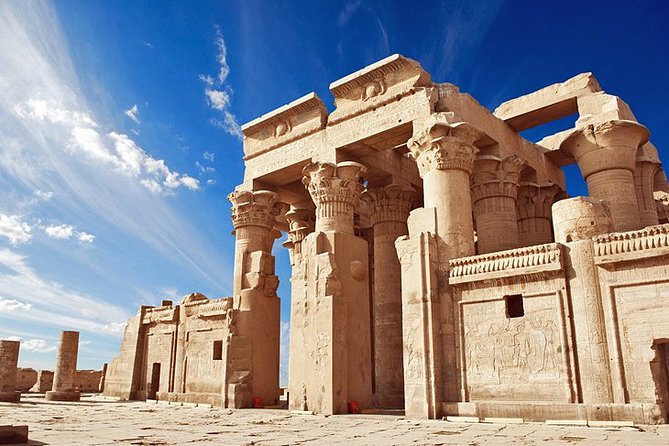
The main reason to stop is the riverside temple dedicated to Horus the Elder, also called Haroeris, and Sobek. Its double dedication gives the temple a distinctive plan, with areas associated with both gods. The attached Crocodile Museum adds another angle to Sobek, the crocodile god.
The temple visit lasts about an hour. That is enough to see the main courts and reliefs, but the site can feel brief if you want time to study every inscription. Bring your guide questions with you, since the paired layout is easier to understand with an explanation.
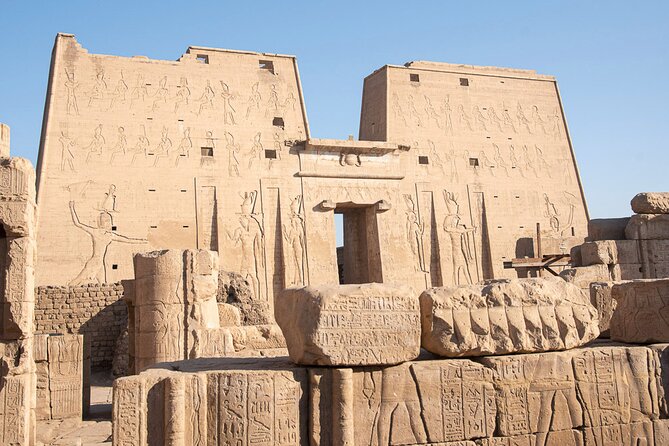
The boat then continues to Edfu. After lunch, you visit the Temple of Horus, one of the best-preserved ancient monuments in Egypt. Built between 237 and 57 BC, it was protected by desert sand after the old pagan cult was banned and the temple fell out of use.
Edfu’s preserved roof is the star feature. Many Egyptian temples survive as open-air walls and columns, but Edfu retains an enclosed, atmospheric quality. The temple was dedicated to Horus, the son of Isis and Osiris, and its reliefs tell stories connected to his role as an avenging deity.
Plan on about two hours here. The scale can be impressive, but the real value is the sense of a complete temple complex rather than a fragment. You can better understand how courts, halls, roofed spaces, and sanctuary areas worked together.
After dinner, the program includes a Galabya party. The event gives the cruise a more social side, though you should not mistake it for a full cultural performance program. The main strength of this day remains the temple sequence: Kom Ombo offers an unusual double shrine, while Edfu provides a remarkably complete example of later Egyptian temple design.
Day 3: Royal tombs and the cliffs of the west bank
Day three begins with breakfast aboard the cruise and a trip to Luxor’s west bank. The Valley of the Kings is the major stop, with about two hours allotted.
This valley served as a burial ground for pharaohs and powerful nobles for nearly 500 years, from the 16th to the 11th century BC. The tombs were cut into the rock, and the East Valley contains most of the royal tombs, while the West Valley holds additional burials.
Your included entry covers the attraction mentioned in the program, but the precise tombs open during a visit can vary. The experience is not about seeing one grand exterior. It is about walking into underground chambers covered with painted scenes, inscriptions, and religious imagery. Some tombs are easier to access than others, and the heat can make the visit tiring.
The guide is valuable here. Without context, the painted walls can look like a series of similar figures and symbols. With a good explanation, you can see how the decoration relates to the pharaoh’s passage into the afterlife.
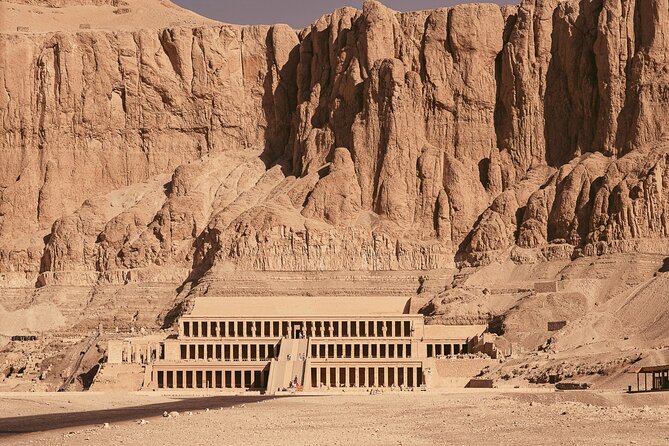
Next is the Mortuary Temple of Hatshepsut at Deir el Bahari. Allow about 90 minutes. The temple rises in broad terraces beneath massive cliffs, with colonnades, courts, pylons, a hypostyle hall, a chapel, and a sanctuary.
Hatshepsut’s temple has a different feel from the tombs. The Valley of the Kings is enclosed and subterranean, while Deir el Bahari opens outward in strong horizontal lines. It is dedicated to Amon-Ra, the sun god, and its setting makes the architecture easy to read from a distance.
The final included west-bank stop is the Colossi of Memnon, where you have about 20 minutes for panoramic photographs. These two giant seated statues once guarded the entrance to a much larger mortuary temple. The stop is brief, so treat it as a photo and orientation point, not a full archaeological visit.
A hot-air-balloon flight over Luxor is offered as an optional activity at extra cost. It is not included in the $800 price, and it takes about two hours. If you are considering it, remember that day three already includes a substantial west-bank program, so you should ask how the extra activity fits with the day’s schedule.
This is likely the most demanding day. You move from underground tombs to open terraces and a short roadside stop. Wear practical clothing, carry water, and keep some energy for the final morning at Karnak.
More Nile cruises in Aswan:
- 4-Days Nile Cruise From Aswan To Luxor including Abu Simbel and Hot Air Balloon
★ 5.0 · 3,142 reviews - 4-Day 3-Night Nile Cruise from Aswan to Luxor&Abu Simbel+Balloon
★ 5.0 · 2,023 reviews - 4-Day 3-Night Nile Cruise from Aswan to Luxor including Abu Simbel, Air Balloon
★ 4.5 · 612 reviews - From Aswan: 4-Day Nile Cruise from Aswan to Luxor with Guide
★ 4.1 · 593 reviews
Day 4: Luxor Temple and the vast complex at Karnak
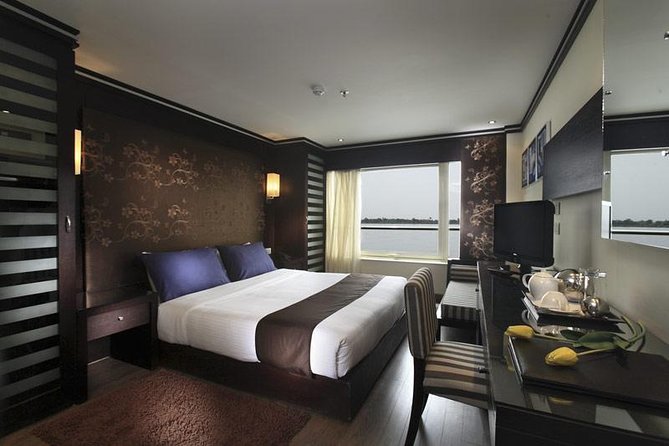
After breakfast on board, the final sightseeing day moves to Luxor’s east bank. Luxor Temple receives about 90 minutes.
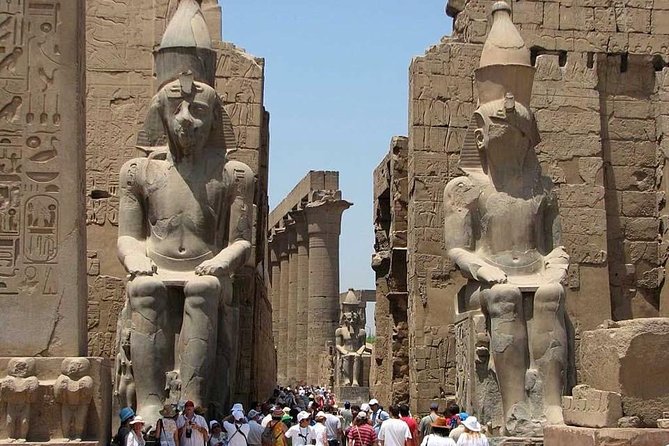
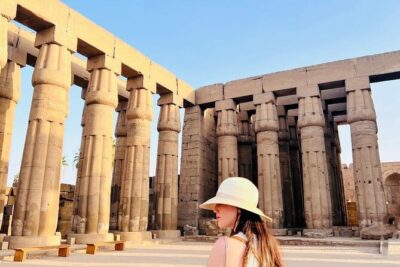
Unlike the Valley of the Kings, Luxor Temple sits within the modern city. Its location gives you a useful sense of how ancient monuments and present-day Luxor occupy the same place. The temple is connected with Amun-Ra, and its courts, columns, and processional spaces show the scale of royal religious architecture.
Then comes Karnak, described in the program as the largest temple in the world. It is best understood as a huge complex built and expanded over many generations, rather than as one single building. The scale can be hard to grasp from photographs, so this is one stop where a guide’s explanation helps you decide what to focus on.
The schedule lists two hours for the Karnak and airport transfer portion of the day. That means you should pay close attention to your flight time and keep your luggage arrangements clear with the tour team. The final service includes transfer to Luxor Airport for the flight back to Cairo.
What the guide and private format add
The experience includes a qualified Egyptologist guide and private transport in a deluxe air-conditioned vehicle. That matters in Upper Egypt, where several sites are spread along the river and the day includes both boat and road transfers.
A good guide does more than identify a god or pharaoh. You need help seeing why Philae was moved, why Edfu is unusually complete, how the Valley of the Kings functioned, and why Karnak grew into such a large religious center.
Ahmed Mahmoud is specifically associated with careful support beyond the monuments. His assistance included help with the schedule, the taxi to the airport, and suggestions for how to spend time before a flight. That kind of practical attention is useful on the final day, when a missed transfer or unclear airport plan can cause needless stress.
The private format also helps if your group has mixed interests. You may want a longer explanation at Philae and a shorter stop at the Unfinished Obelisk, while another group might prefer the reverse. The supplied details do not promise unlimited flexibility, so confirm timing with your guide, but private transport is still more comfortable than a large shared coach.
Food, cabins, and extra costs
The cruise includes full board for three nights: three breakfasts, three lunches, and three dinners. One particularly positive feature is that the onboard meals are part of the package rather than a daily add-on.
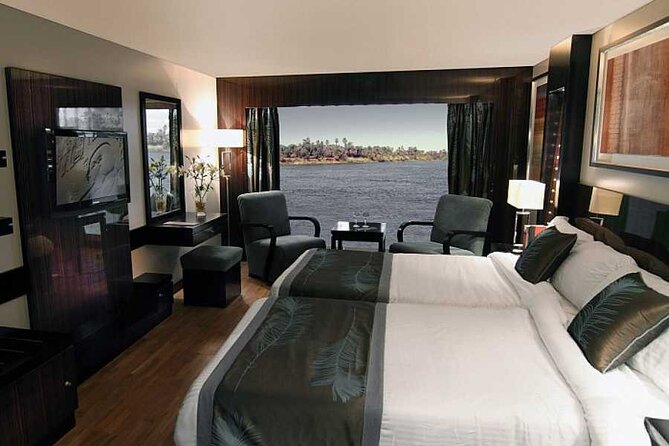
The available accommodation feedback describes spacious rooms, pleasant staff, and good food. That is encouraging, especially because the boat is your base for most of the trip. Still, the information does not specify cabin size, deck location, sailing schedule, or exact onboard facilities, so ask for those details if they affect your choice.
Drinks are not included. Alcoholic drinks are available to purchase, but you should budget separately for them. Two bottles of mineral water are included each day, which helps during temple visits, though you may want to confirm how and when they are provided.
The listed price is $800 per person. It includes service charges and taxes, so the number is easier to compare with other packages. The main question is not simply the price. It is whether you value having accommodation, meals, guide services, transport, and tickets arranged together.
There is a $200 per-person supplement from December 20 through January 2. If you plan a Christmas or New Year trip, include that extra cost before comparing the cruise with other options.
Who should book this Nile cruise?
I would recommend it for a first visit to Upper Egypt, especially if you want the main sites without managing a chain of separate reservations. Families can benefit from the private format, onboard meals, and door-to-door transfers. Small groups who enjoy history but want practical support should also find the structure useful.
It is less suitable if you want long, unhurried visits at each monument. The schedule covers a lot in four days, and day three in particular asks you to handle several major sites in one stretch.
It also may not suit someone seeking a highly flexible cruise with many unscheduled hours. The major advantage here is organization. You trade some independence for a clear route from Aswan to Luxor, a guide, and fewer decisions on the ground.
Confirmation is provided at booking, a valid passport is required on the day of travel, and free cancellation is available up to 24 hours before the start time. Pickup is offered, and the tour is marked as suitable for most participants.
Should you book it?
Book this cruise if you want a well-organized first look at the Nile corridor, with the major temples, royal tombs, meals, entrance fees, and private transfers handled together. The Aswan start is especially effective because Philae, the High Dam, and the Unfinished Obelisk create a strong opening before the boat moves south toward Luxor.
I would hesitate only if your priority is a slow cruise, a low-cost independent trip, or long hours at every archaeological site. At $800, the value comes from the complete package and the private support, not from bargain pricing. For a family or small group with limited time, that convenience can be worth the cost.
FAQ
How long is the Nile cruise?
The experience lasts approximately four days and includes three nights of accommodation aboard the Nile cruise.
What meals are included?
The package includes three breakfasts, three lunches, and three dinners. Drinks and alcoholic drinks are not included, though alcoholic drinks can be purchased.
Which major sites are included?
The program includes the Aswan High Dam, Philae Temple, the Unfinished Obelisk, Kom Ombo Temple, the Temple of Horus at Edfu, the Valley of the Kings, Hatshepsut’s Temple, the Colossi of Memnon, Luxor Temple, and Karnak.
Is the hot-air-balloon flight included?
No. The Luxor hot-air-balloon flight is optional and costs extra.
Is the tour private?
Yes. This is a private tour and only your group participates. Transport is provided in a private deluxe air-conditioned vehicle.
What is the cancellation policy?
You can cancel up to 24 hours before the experience starts for a full refund. Changes or cancellations made less than 24 hours in advance are not accepted for a refund.
More 4-Day Experiences in Aswan
- 4-Day 3-Night Nile Cruise from Aswan to Luxor – Private Tour
★ 5.0 · 369 reviews - 4 Days Nile Cruise from Aswan to Luxor including Abu Simbel and Hot Air Balloon
★ 4.5 · 356 reviews - 4-Day 3-Night Nile Cruise from Aswan to Luxor With Balloon and Abu Simbel
★ 5.0 · 327 reviews - From Aswan:4 Days Nile Cruise Luxor Abu Simbel & Air Balloon
★ 4.4 · 310 reviews
More Luxury River Cruises in Aswan
- Bangkok: The Newest Luxury 5-Star Bangkok Chao Phraya Cruise
★ 4.8 · 2,371 reviews - Premium Douro Valley Small-Group Tour, Wine Tasting, Lunch & Boat
★ 5.0 · 1,365 reviews - Bohol: Premium Chocolate Hills, Tarsiers & River Experience
★ 4.7 · 804 reviews - From Porto: Premium Douro Valley Small-Group Wine Tour
★ 4.8 · 533 reviews
Just added around Aswan
- Sailing Nile Cruise from Aswan to Luxor for 2 Nights★ 4.5 · 139 reviews
- 4-Day Nile Cruise: Aswan to Luxor & Abu Simbel + Hot Air Balloon★ 4.5 · 35 reviews
- 4-Days Aswan sails Nile Cruise Luxor &Abu Simbel.Hot air Balloon★ 4.5 · 77 reviews
- Sailing Nile cruise from Aswan for 2 nights★ 4.0 · 11 reviews
- 8 Nights Egypt Tour,Cairo,Luxor,Aswan&Abu Simbel,Nile Cruise,Hot Air Balloon★ 4.5 · 11 reviews
- Sailing Nile cruise from Aswan to Luxor includes tours for 3 nights★ 5.0 · 16 reviews
- 2 nights Nile cruise includes tours from Aswan to luxor★ 4.5 · 64 reviews
- (Wonderful 3-Nights Nile Cruise from Aswan to Luxor & Balloon)★ 4.5 · 17 reviews
Aswan River Cruises, compared.
4-Days Nile Cruise From Aswan To Luxor including Abu Simbel and Hot Air Balloon
Read our review →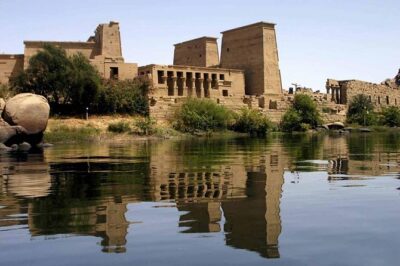
4-Day 3-Night Nile Cruise from Aswan to Luxor&Abu Simbel+Balloon
Read our review →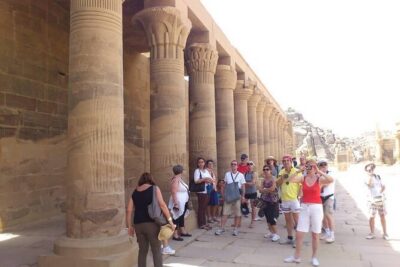
4-Day 3-Night Nile Cruise from Aswan to Luxor including Abu Simbel, Air Balloon
Read our review →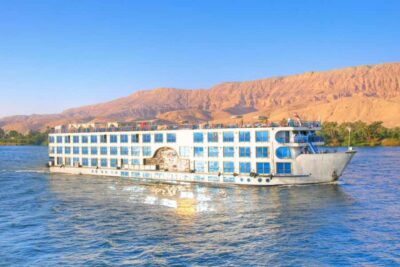
4-Day Nile Cruise from Aswan to Luxor with Guide
Read our review →4-Days Nile Cruise From Aswan To Luxor including Abu Simbel and Hot Air Balloon
Read our review →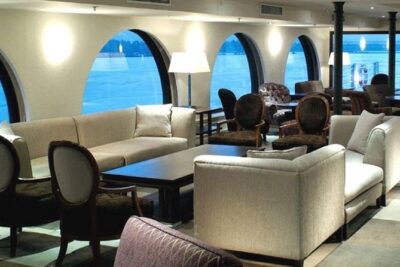
4-Day 3-Night Nile Cruise from Aswan to Luxor – Private Tour
Read our review →4 Days Nile Cruise from Aswan to Luxor including Abu Simbel and Hot Air Balloon
Read our review →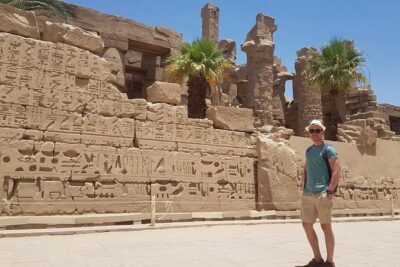
4-Day 3-Night Nile Cruise from Aswan to Luxor With Balloon and Abu Simbel
Read our review →Browse the lists this tour appears in