
REVIEW · LISBON
Lisbon: River Tagus Sightseeing Cruise in Traditional Vessel
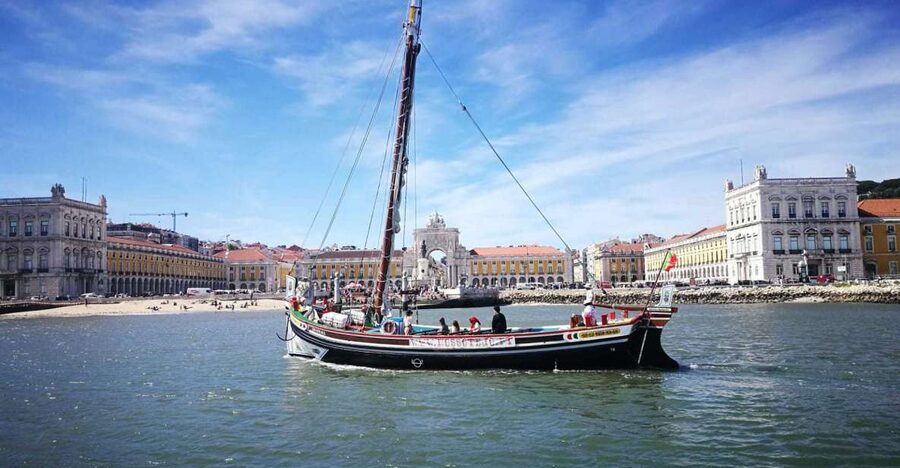
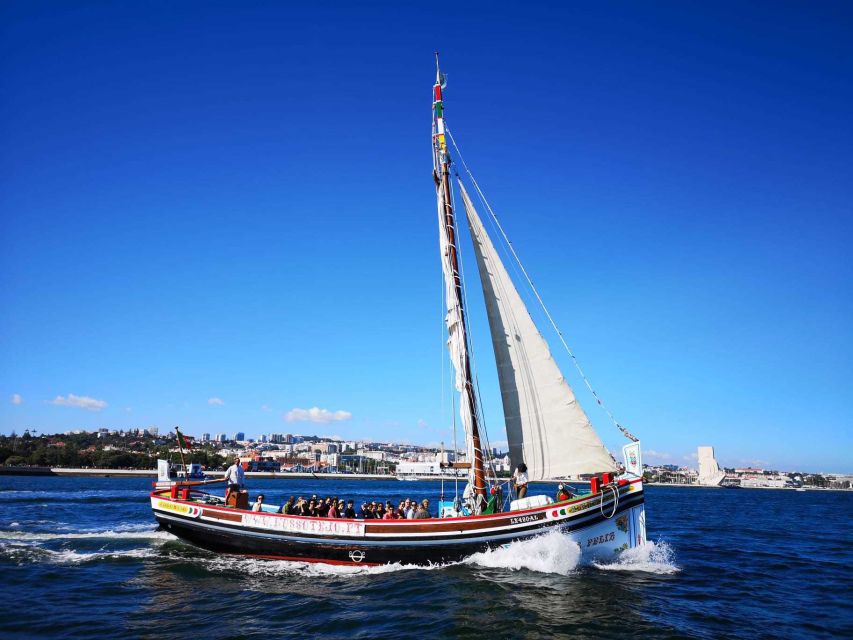
Lisbon’s best sightseeing angle may be from the Tagus, and this cruise gives you that view aboard a hand-painted 1947 cargo boat. Only seven boats of this size remain, and each is recorded by the Navy Museum, so this is more than a standard harbor ride.
I like the easy view of Lisbon’s seven hills and the chance to see the city’s waterfront in one outing. I also like the route to Belém, where you can line up several major monuments from the river. The main drawback is the open-water weather: it can feel brisk and windy, though blankets are offered when needed.
- A rare historic vessel: Cruise on a 1947 cargo boat with painted flowers and Navy Museum registration.
- A wide city view: See the old center, Lisbon’s hills, Christ the King, and Belém from the Tagus.
- A 105-minute route: The cruise covers the waterfront between Praça do Comércio, Cais do Sodré, and Belém before returning.
- Live multilingual commentary: Commentary is available in English, Spanish, Portuguese, and French.
- Strong value at $28: You get a long sightseeing ride and a guide without paying for a meal or extra transport.
- Weather matters: Bring comfortable clothes and prepare for wind on the river.
Why This 1947 Boat Changes the Experience
The boat is the star here. It is a traditional cargo vessel from 1947, painted by hand with flowers. That small detail gives the cruise a sense of place that a plain sightseeing ferry cannot provide.
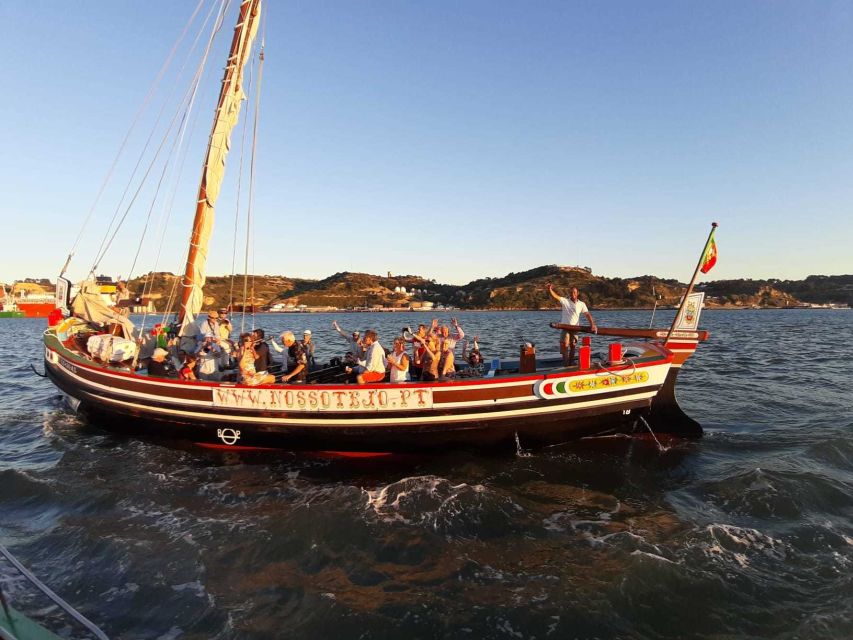
Only seven boats of this size remain, and they are inscribed in the Navy Museum. You are not simply riding past Lisbon on a modern tour boat. You are using a working piece of the city’s maritime story, even if the focus today is sightseeing rather than cargo.
That matters because the Tagus shaped Lisbon. Portuguese ships once left this river to trade and explore overseas, and much of the city’s identity faces the water. From a boat, you see why Praça do Comércio opens toward the river and why Belém became such an important departure point.
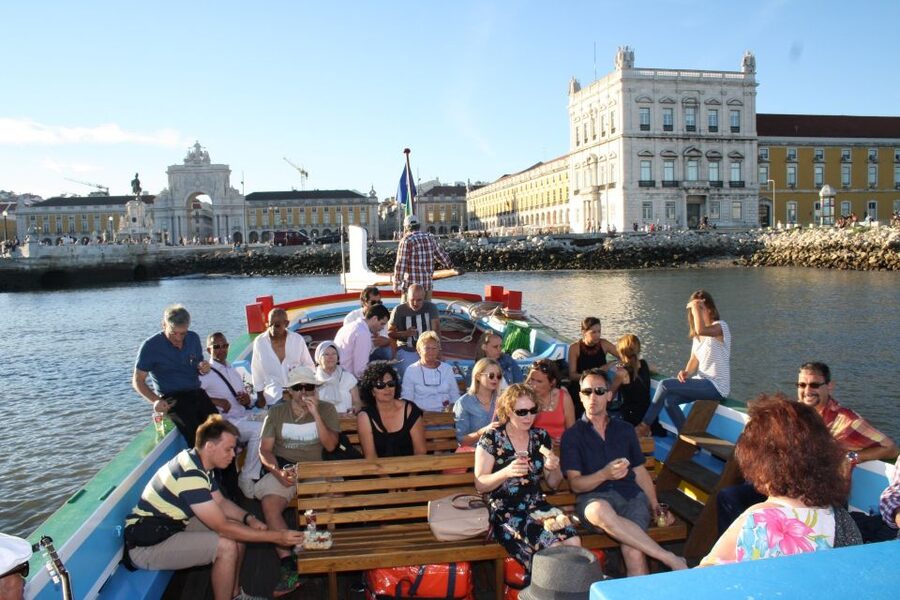
The vessel also creates a more personal setting for the live commentary. You can see the guide and listen as the city moves around you. The multilingual presentation may mean that information is shared in several languages, so the talk can feel brisk. One guide received praise for translating into three languages while still doing a good job of keeping the tour moving.
Finding the Boat at Praça do Comércio
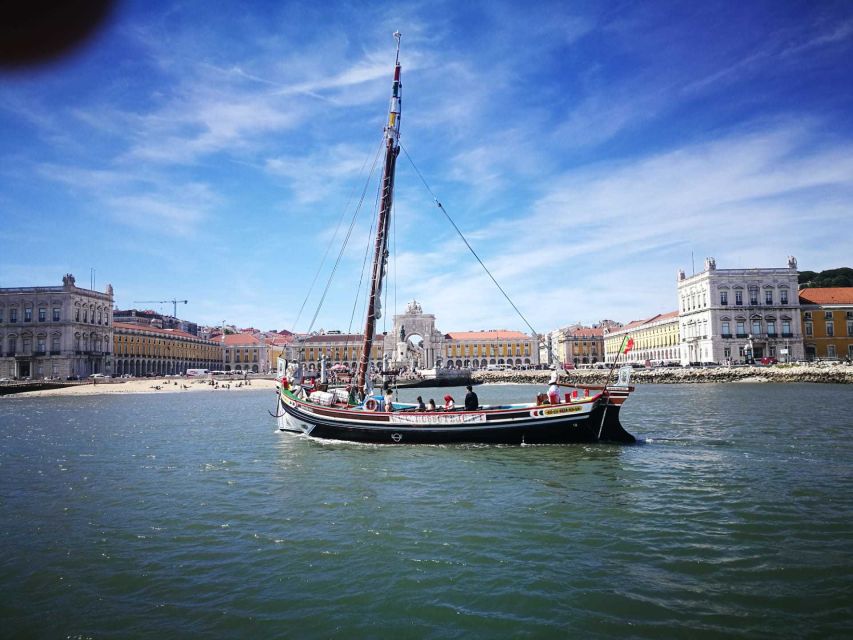
The meeting point is beside Terreiro do Paço, also called Praça do Comércio. Go to the first white building by the river on the left side of the square and look for ticket office number 8.
Arrive 15 minutes early. This is sensible advice in a large waterfront square, where it is easy to pause for photos and lose track of the river entrance. You do not get hotel pickup, so plan your own way to Praça do Comércio.
The activity returns to the meeting point after 105 minutes. That makes it easy to fit into a day of walking around central Lisbon. You can take the cruise early in your visit to get your bearings, or use it later as a break from steep streets and tiled sidewalks.
The boat is not wheelchair accessible. Children must be accompanied by an adult, and unaccompanied minors are not allowed. Wear comfortable clothes rather than dressing for a formal boat ride. The practical concern is not style, but wind and changing temperatures on the water.
More sightseeing cruises in Lisbon:
- Lisbon: Tejo River Sightseeing Cruise
★ 4.2 · 2,799 reviews - Lisbon: Tagus River Sailboat City Cruise
★ 4.9 · 1,212 reviews - Seville: 1-Hour Guadalquivir River Sightseeing Eco Cruise
★ 4.2 · 10,281 reviews
Praça do Comércio and Ribeira das Naus
Once underway, the cruise explores the waterfront between Praça do Comércio and Cais do Sodré. This is one of the most useful parts of the trip for understanding central Lisbon.
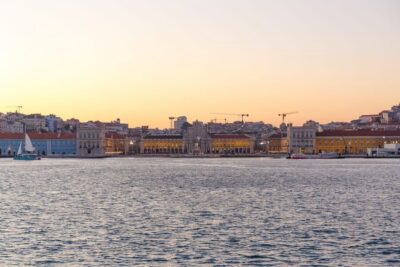
Praça do Comércio is Lisbon’s largest square and one of its clearest symbols. Its grand buildings were rebuilt after the earthquake of 1755, which badly damaged the city. From the Tagus, the square’s open shape makes more sense. It was designed to face the river, with the waterfront acting as both a working edge and a ceremonial entrance.
You then pass Ribeira das Naus. This area was linked to the construction of Portuguese ships, so the river view connects directly with Lisbon’s seafaring past. From street level, you might focus on restaurants, public spaces, and traffic. From the boat, you see the water as the reason this part of the city grew.
This section is especially good for photographs. The historic center rises behind the waterfront, with layers of pale buildings and hills. The boat provides distance, helping you see the relationship between the river and the old city instead of examining one building at a time.
Lisbon Cathedral and Castelo de São Jorge from the Water
The cruise gives you views toward Castelo de São Jorge, the Moorish castle above the historic center. The castle is one of Lisbon’s most familiar landmarks, but its position becomes clearer from the river. You see it as part of the city’s high defensive ridge rather than as an isolated monument.
Lisbon Cathedral, known as Sé, also comes into view. It is the city’s oldest church, built in 1147. From the Tagus, you get an outside view and a useful sense of where the cathedral sits within the older center.
Do not expect the same close detail you would get by walking to these buildings. You will not be examining stonework or entering the castle and cathedral. The value is the broad view, especially if you are short on time or want to connect several parts of Lisbon before exploring them on foot.
The guide’s commentary helps put the sights in context, but the amount of detail can vary with the multilingual format. One piece of feedback specifically wished for more history, while other comments praised the guides as well informed and friendly. I would treat this as a sightseeing cruise with commentary, not a full lecture on Lisbon’s past.
Santa Engrácia and Lisbon’s Seven Hills
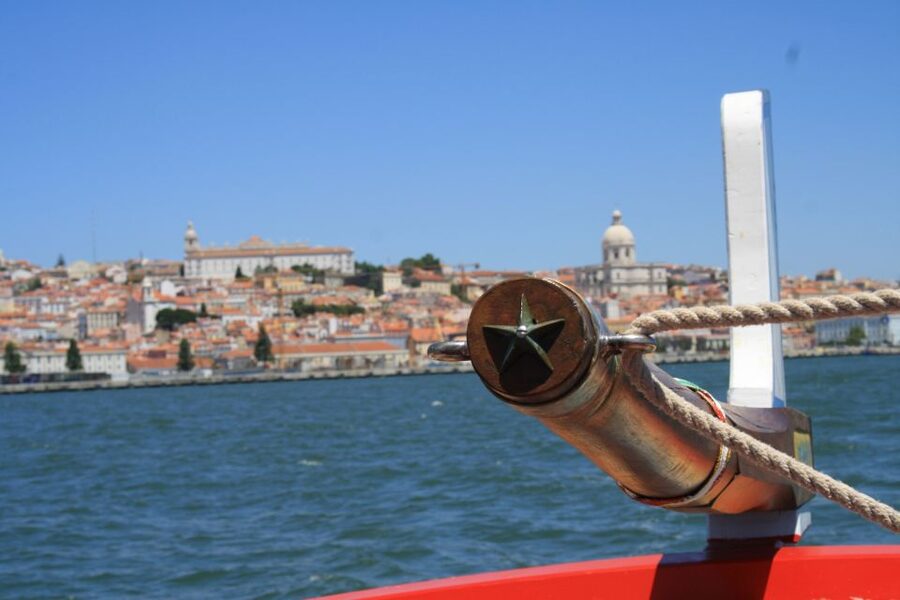
The Church of Santa Engrácia appears along the route. This 17th-century monument is now the National Pantheon, where important Portuguese figures are commemorated.
Its large dome and position make it easy to spot from the river. The boat offers a useful viewpoint because the church rises among the hills rather than being framed by nearby streets. You can also appreciate the scale of Lisbon’s slopes, which are harder to understand when you are climbing them one block at a time.
The famous seven hills are part of the visual appeal throughout the cruise. The water gives you a level platform while the city climbs above it. This is one reason the cruise suits first-time visitors: in under two hours, you see how the old center, hillside neighborhoods, monuments, and waterfront fit together.
Still, keep your expectations realistic. You will see many landmarks, but the boat does not stop for visits. Bring a camera, but remember that wind, distance, and the boat’s movement can affect close-up shots.
A few more river trips around Lisbon worth comparing
- Lisbon: Tagus River Cruise with Welcome Drink
★ 4.2 · 3,717 reviews - Lisbon: Tagus River Cruise to the Ocean & Dolphin Watching
★ 4.0 · 3,019 reviews - Lisbon: Sailing Tour on the Tagus River
★ 4.8 · 2,632 reviews - Lisbon: Tagus River Sunset Tour with Snacks and Drink
★ 4.2 · 2,543 reviews
Christ the King Across the Tagus
The route also takes in Christ the King, the large statue on the south bank of the Tagus. Its background is part of the commentary, and the view from the river shows how strongly it faces Lisbon across the water.
This is a good example of what the cruise does best. You are not only looking at a monument. You are seeing its position in relation to the river, the city, and the bridge area. The Tagus makes the scale easier to read.
Christ the King also provides a change of direction in the scenery. Central Lisbon is dense and historic, while the view across the water feels more open. If you enjoy taking photographs, this part of the route gives you a wide frame with fewer buildings immediately around you.
Belém’s Monuments from the Tagus
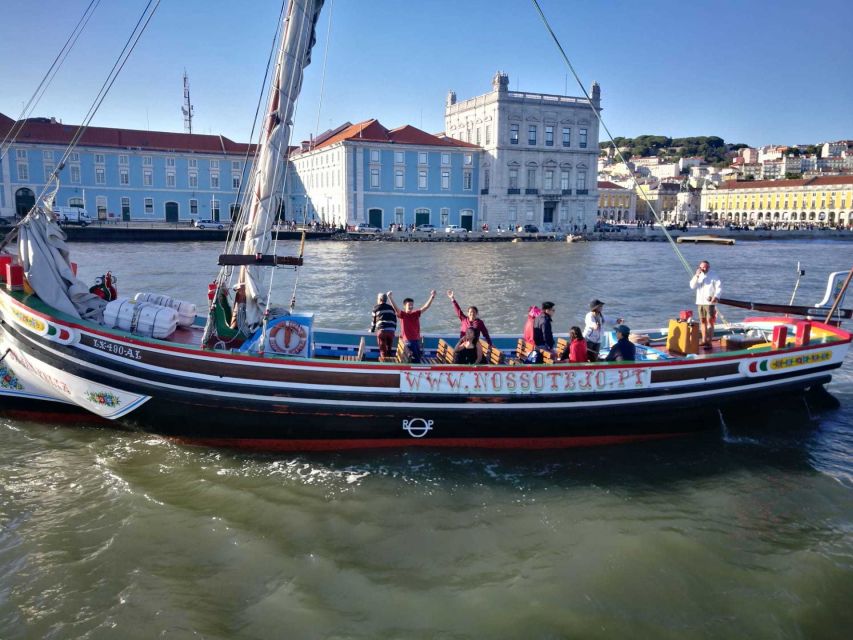
The cruise continues toward Belém, one of the strongest sections of the route. From the river, you can see the Mosteiro dos Jerónimos and Belém Tower, both World Heritage Sites.
The two monuments are famous for their Gothic Manueline style, a Portuguese form known for elaborate decorative details and links to the country’s maritime past. From the boat, you will not see every detail, but you will understand how Belém works as a ceremonial waterfront district.
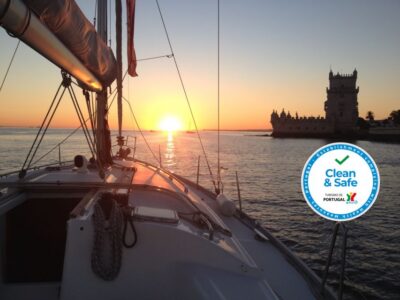
Belém Tower is particularly well suited to a river approach. It was built beside the Tagus, so viewing it from the water matches its original setting better than seeing it only from a busy path. Jerónimos Monastery sits farther inland, but the river view helps place it within the wider Belém area.
You also pass Padrão dos Descobrimentos, the monument linked to the ships that departed to trade with the East. Its forward-facing design and riverside location make it easy to identify from the boat. Here, the commentary can help connect the monument with Portugal’s age of exploration.
This part of the cruise is valuable if you plan to visit Belém separately. The boat lets you preview the area and decide which monuments deserve your time on land. It is not a replacement for entering Jerónimos Monastery or Belém Tower, but it gives you a strong visual introduction without adding another taxi or tram ride.
What the Commentary Adds
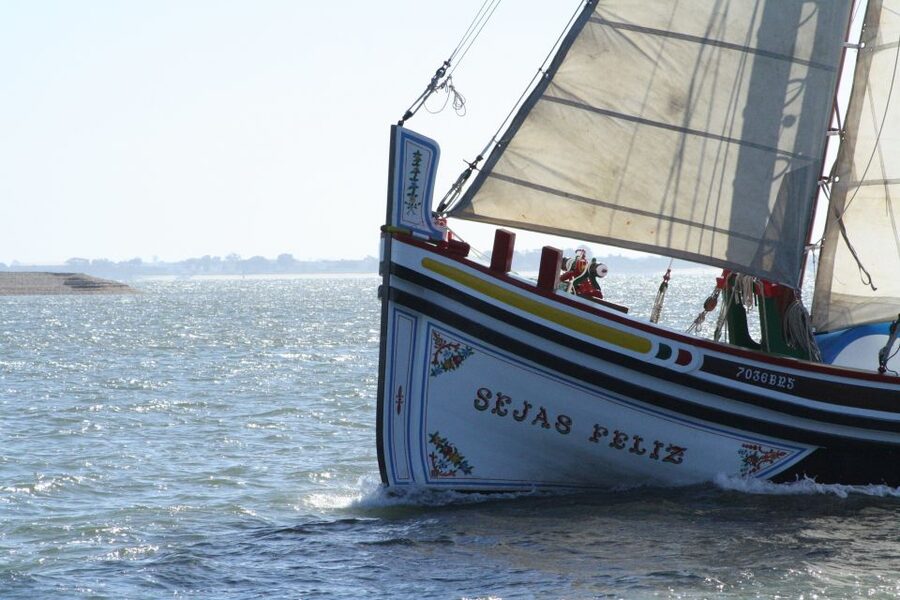
Live commentary is included, with guides speaking English, Spanish, Portuguese, or French. The guide also functions as the driver, according to the activity details.
The strongest part of the commentary is its ability to point out sights as they appear. That is useful on a moving boat, where you might otherwise miss a church, hilltop building, or monument. The tour also includes background on Christ the King and the maritime role of the waterfront.
The multilingual format has a tradeoff. If several languages are being used, each explanation may be shorter than on a tour conducted in one language. One guide was praised for handling three languages fluently, while another passenger wished for more historical detail. I would choose this cruise for clear orientation and selected stories, not for an extended history seminar.
If you want maximum detail, consider reading about Lisbon’s earthquake, the Age of Discoveries, and Manueline architecture before boarding. A little preparation will help you get more from the short explanations and recognize the sights as they pass.
Wind, Comfort, and What to Bring
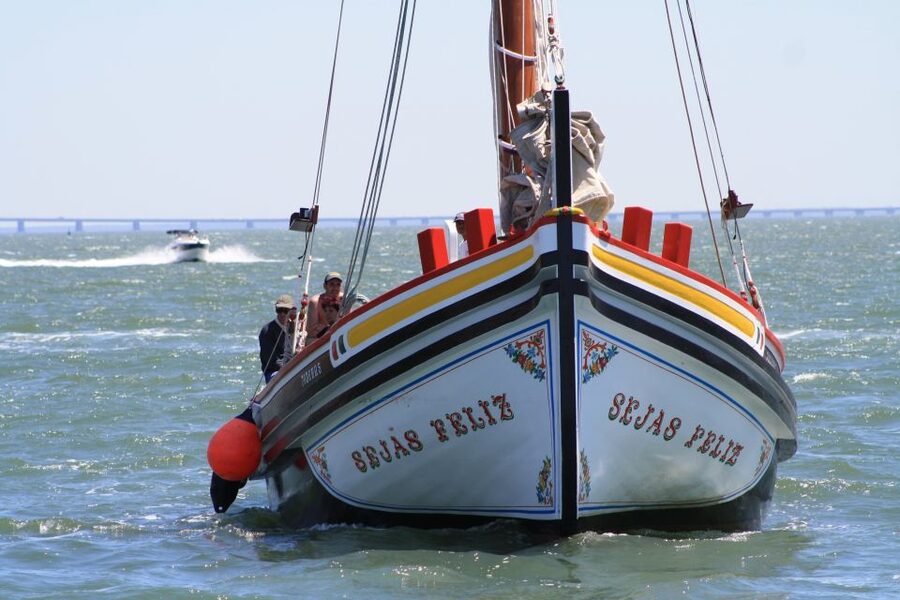
The boat is described as comfortable, but the Tagus can be brisk and windy. One cruise was affected by cool wind, although blankets were available for extra warmth. That small service can make a real difference, especially if you are visiting outside the warmest part of the year.
Wear comfortable clothes and bring an extra light layer. The advice is simple because there is no need for special equipment. Food and drinks are not included, though water was provided on one cruise.
You may want to eat before boarding rather than count on refreshments. The full outing lasts 105 minutes, and the boat returns to the starting point at the end. That length is long enough for a proper route to Belém, but short enough to fit around lunch, a museum visit, or an evening reservation.
Is $28 a Fair Price?
At $28 per person, this is a reasonable price for a 105-minute guided cruise on a historic vessel. You are paying for the boat ride, live commentary, and the chance to view a large part of Lisbon’s riverfront without arranging several separate stops.
The value is strongest if you want an overview. A walking tour can bring you closer to Lisbon’s streets and buildings, but it will not show you the city from the same broad angle. A standard ferry may cost less, yet it is unlikely to include this boat’s historic character or guided route.
The price is less attractive if you expect entry to monuments, food, drinks, hotel transport, or a private guide. None of those are included. You are buying a sightseeing ride, not a full-day Belém excursion.
Flexible booking also helps. You can reserve and pay later, and cancellation is allowed up to 24 hours in advance for a full refund. Check the available start times before booking because the exact departure schedule is not fixed in the information provided.
Who Should Book This Cruise?
I would choose this cruise for first-time visitors who want a quick view of Lisbon’s main waterfront sights. It also suits anyone who enjoys boats, maritime history, and photography more than a tightly packed walking route.
Families can book it as long as children are accompanied by an adult. The 105-minute length is manageable, and the boat gives children a changing view without requiring a long uphill walk.
It is also a good choice after several days of walking. Lisbon’s hills can be tiring, and the cruise lets you see the city while sitting down. The route covers central Lisbon and Belém in one outing, which can save time when your schedule is tight.
I would think twice if you use a wheelchair, need step-free access, or want detailed historical instruction in only one language. I would also check the weather and bring a warm layer if the day is cool or windy.
FAQ
Where does the Tagus River cruise start?
It starts at Terreiro do Paço, also called Praça do Comércio. Go to the first white building by the river on the left side of the square and look for ticket office number 8.
Where does the cruise end?
The activity ends back at the meeting point after the 105-minute cruise.
How long is the cruise?
The sightseeing cruise lasts 105 minutes, or 1 hour and 45 minutes.
What type of boat is used?
The cruise uses a traditional cargo boat built in 1947. It is hand-painted with flowers, and only seven boats of this size remain, all inscribed in the Navy Museum.
Which languages are available?
Live commentary is available in English, Spanish, Portuguese, and French.
What sights can I see from the boat?
The route includes views of Praça do Comércio, Ribeira das Naus, Castelo de São Jorge, Lisbon Cathedral, Santa Engrácia, Christ the King, Belém Tower, Mosteiro dos Jerónimos, and Padrão dos Descobrimentos.
Is food included?
No. Food and drinks are not included. Water was provided on one cruise, but you should not book this as a meal outing.
What should I wear?
Wear comfortable clothes. Because the river can be brisk and windy, an extra layer is a sensible choice. Blankets may be available if you need more warmth.
Is the boat wheelchair accessible?
No. The activity is not suitable for wheelchair users.
Can children join the cruise alone?
No. Children must be accompanied by an adult, and unaccompanied minors are not allowed.
Should You Book It?
Book this cruise if you want a relaxed view of Lisbon from the Tagus, a historic boat, and a useful introduction to the waterfront and Belém. At $28, the combination of a 105-minute route, live commentary, and unusual vessel gives you solid value.
Skip it if you need wheelchair access, a full meal, monument entry, or a highly detailed single-language history tour. For everyone else, arrive early at ticket office 8, bring a warm layer, and treat the cruise as a scenic overview that helps you plan the rest of Lisbon.
Just added around Lisbon
- Lisbon: Tagus River Cruise With Brunch★ 3.2 · 73 reviews
- Sail into 2026: Lisbon Fireworks from the River★ 4.8 · 12 reviews
- Lisbon: New Year’s Eve Fireworks Tagus River Sailing Cruise★ 4.6 · 19 reviews
- Lisbon on foot: From the hills to the river – Dutch guide★ 4.9 · 17 reviews
- Lisbon: Sunset Cruise on The Tagus River with Welcome Drink★ 5.0 · 37 reviews
- Lisbon: Private Tagus River Sunset Cruise on a Luxury Boat★ 5.0 · 61 reviews
- Lisbon: Tagus River Sailboat Tour★ 4.8 · 159 reviews
- Lisbon: Private sailboat tours on Tagus River★ 5.0 · 12 reviews
Lisbon River Cruises, compared.
Tagus River Cruise to the Ocean & Dolphin Watching
Read our review →
Tagus River Sunset Tour with Snacks and Drink
Read our review →
Browse the lists this tour appears in