
REVIEW · CAN THO
Can Tho: The Untouched Mekong for Nature Souls
The best part of this Can Tho outing is the change of pace. You leave the city and its busy waterways behind for a Khmer pagoda, a small basket-weaving village, and the quiet canals of Lung Ngoc Hoang Nature Reserve. It is a good choice if you want to see the Mekong Delta as a lived-in place, not only from a floating market boat.
I like the combination of culture and nature. You get stories about Khmer Buddhism, a look at handwoven bamboo baskets, a forest walk, and a boat ride in one half-day. I also like the care shown by guides such as Sunny, Sophia, Clara, and Thuy, who have helped visitors understand local customs, plants, birds, and daily life. The main drawback is that this is not an easy outing for everyone: expect walking, uneven ground, stairs, heat, and insects, with no wheelchair access.
Key points at a glance
- A quieter side of Can Tho: The reserve offers a calm alternative to the better-known floating markets.
- A Khmer pagoda visit: Learn how Theravada Buddhist practice shapes local Khmer community life.
- A 25-meter observation tower: Look across melaleuca forest, canals, rivers, and seasonal rice fields.
- A real basket-weaving stop: See bamboo work in a riverside village and learn how baskets are made.
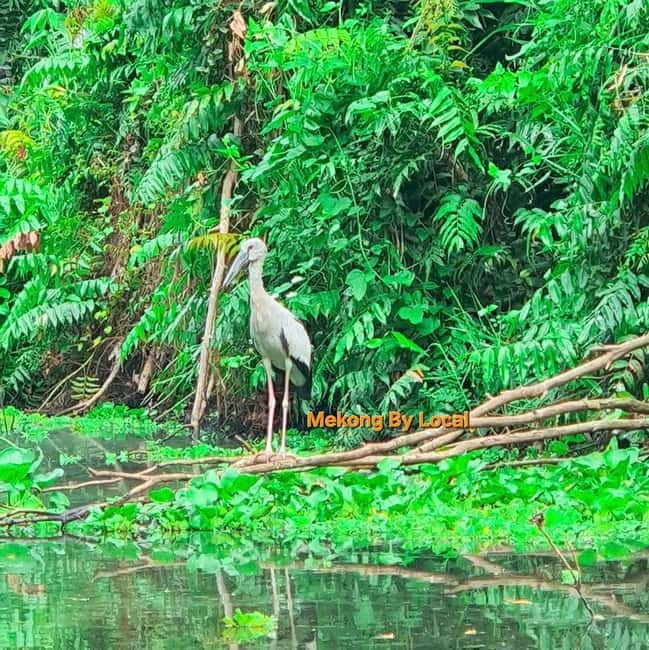
- A peaceful forest boat ride: Drift under arching trees and watch for birds and other wildlife.
- Strong guiding: Sunny, Sophia, Clara, and Thuy are among the guides praised for warmth, humor, English, and local insight.
Why this half-day trip is different from a floating market visit
Can Tho is best known as a base for the Mekong Delta’s floating markets, but the market experience is only one piece of the region. This trip takes you toward wetlands, village life, and Khmer culture. I would choose it as an addition to a floating market morning, or as an alternative if you have already seen the market and want a quieter outing.
The mood changes quickly once you leave Can Tho. Instead of focusing on trading boats and fruit sellers, you spend time looking at trees, waterways, birds, religious buildings, and local craftwork. That makes the experience feel less like a quick sightseeing circuit and more like a short lesson in how the Delta works.
The tour costs $43 per person. That price includes return transportation from Can Tho, an English-speaking guide, entrance to Lung Ngoc Hoang Nature Reserve, and the basket-weaving workshop. Meals and drinks are not included, so the value depends on what you want from a half-day trip. For me, the price makes sense if you value private-feeling transport, detailed guiding, and several distinct stops rather than only a boat ride.
More Mekong Delta trips in Can Tho:
- Can Tho: Floating Market & Mekong’s Legacy( About 6 Pax)
★ 5.0 · 1,438 reviews - Can Tho: A Real Mekong Tour, Floating Market, Cacao & Life’s
★ 4.9 · 574 reviews - CAN THO: Floating Market & Mekong’s Legacy (About 6 Pax)
★ 5.0 · 235 reviews
Starting with Khmer Buddhist culture
The first major stop is an ancient Khmer pagoda. Its tiered roofs, painted statues, and decorative carvings give you an immediate sense that this is not simply another tourist attraction. It is a working spiritual place connected to the Khmer community of the Mekong Delta.
Your guide explains the meaning of the building, Buddhist traditions, sacred rituals, and the role the pagoda plays in ordinary life. That context matters. Without it, you might notice the bright colors and unusual rooflines but miss how the pagoda fits into local identity.
This is a Theravada Buddhist setting, a tradition with a strong presence among Khmer communities in southern Vietnam. Take time to look at the statues and roof details, but also keep your voice low and follow local customs. You are entering a religious place, not just photographing an attractive building.
I particularly like this early stop because it gives the nature portion more meaning. You are not simply being driven from one scenic site to another. You first meet an important part of the area’s cultural life, then move into the wetlands that support nearby communities.
Seeing baskets made in a riverside village
The basket-weaving workshop adds a practical, human stop between the pagoda and reserve. In the village, you can see local people working with bamboo to make baskets. This is a small-scale craft tradition, but it gives you a direct look at useful work rather than a staged cultural show.
The visit is also a chance to understand how materials from the Delta become household objects and tools. Guides have explained how the baskets are made, and you can ask questions as the work takes place. A small purchase may be possible for a modest amount, although personal spending is not included in the tour price.
This stop can be especially useful if you enjoy meeting people through everyday work. It is less polished than a formal museum and more immediate. You may see a poorer riverside village, so approach with respect. Ask before photographing people, avoid treating anyone’s home as a display, and remember that friendly local hospitality does not remove the need for privacy.
The basket visit also breaks up the day nicely. You are not spending the whole outing inside a vehicle or on a trail. The tour moves from worship to craft to wetland, with each stop showing a different part of Delta life.
Entering Lung Ngoc Hoang Nature Reserve
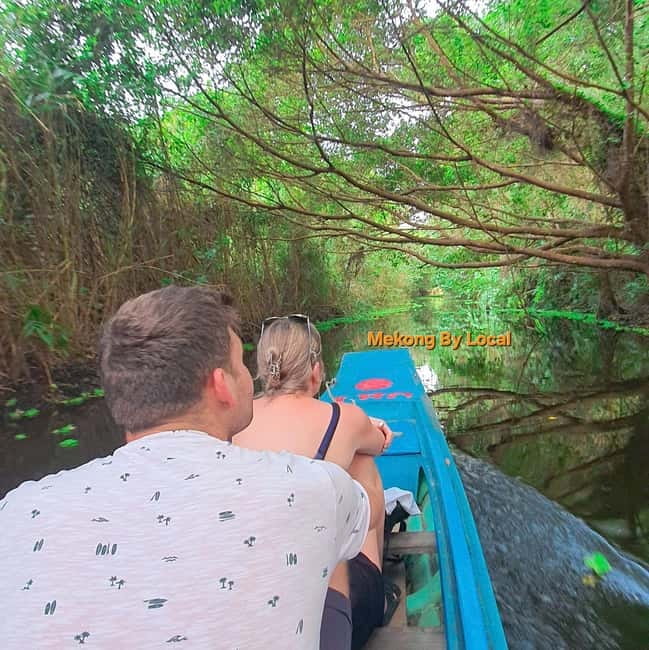
Lung Ngoc Hoang is the heart of the trip. It is described as one of the last relatively untouched wetland areas in the Mekong Delta, with melaleuca forests, narrow waterways, and seasonal rice fields. The reserve feels quiet and open, especially when your departure time avoids the busiest periods.
The local team chooses time slots with fewer people in mind. That does not guarantee solitude every day, but it can make a real difference in a place where the best moments are quiet ones. Early departures are useful for cooler air and better chances of hearing and seeing birds along the canals.
The reserve is not a manicured city park. That is part of its appeal, but it also means you should come prepared for heat, mud, insects, and uneven walking surfaces. Wear comfortable shoes that you do not mind getting dusty or damp. Light clothing, sunscreen, a hat, water, and insect repellent are sensible basics.
Same river, a completely different day on the water:
- Mekong Delta and Cai Rang Floating Market 5-Hours Tour
★ 5.0 · 183 reviews - Cai Rang Floating Market Biking Cooking Class in Can Tho Rural
★ 5.0 · 172 reviews - Full-Day Experience in Mekong Cycling and Authentic Home Cooking
★ 5.0 · 89 reviews - From HCM: Mekong Delta Can Tho Floating Market 2-Day Tour
★ 4.7 · 84 reviews
Climbing the 25-meter tower
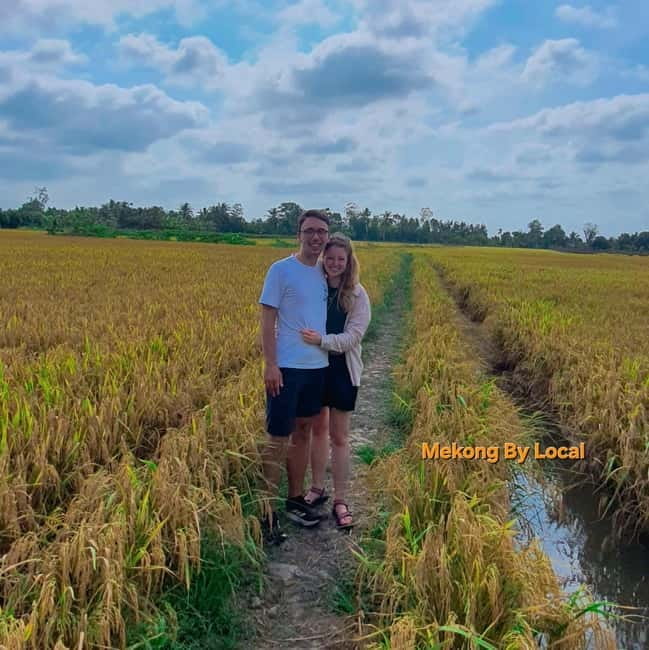
The observation tower gives you a wider view before you head into the forest. From about 25 meters up, you can look across melaleuca trees, winding rivers, and, in some seasons, broad rice fields shining in the sun.
This stop helps you understand the scale of the wetland. At ground level, a forest trail can feel enclosed and intimate. From the tower, the waterways and plant cover form a larger picture. The views will vary with season and weather, so do not expect the same scene every visit.
The tower does require stairs and may not suit anyone with limited mobility. The entire outing is not suitable for wheelchair users or people with mobility impairments, and the age guidance excludes people over 95. If stairs, heat, or uneven ground are a concern, ask the operator about the day’s exact route before booking.
Walking beneath the melaleuca trees
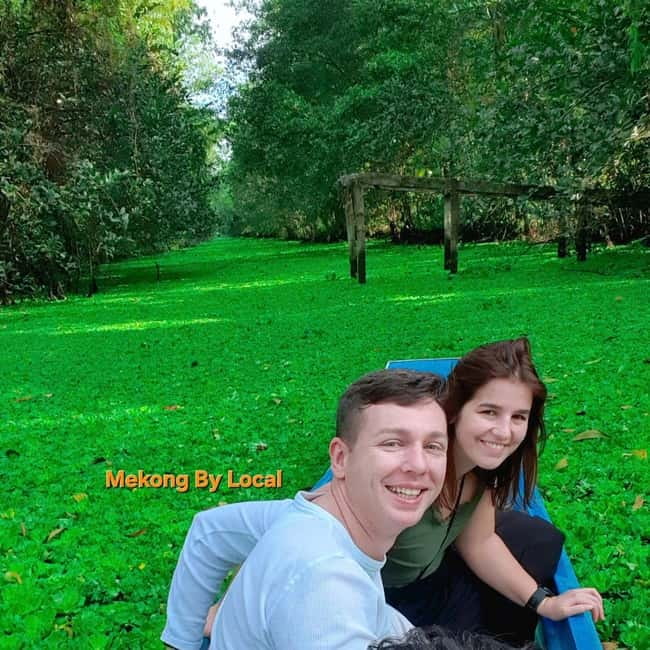
The forest walk is gentle in spirit, but not necessarily effortless in practice. You follow a shaded trail where sunlight filters through the canopy and the sounds of insects and birds replace city noise.
This is the part of the outing where patience pays. You might spot birds or other wildlife, but sightings are never guaranteed. Keep your movements calm, listen to your guide, and avoid expecting a zoo-like display. The reserve’s value lies in its natural setting and quiet rhythm, not in a checklist of animals.
Guides have pointed out plants and wildlife along the way, and this is where someone like Sunny or Sophia can make the difference. A good guide helps you notice small details, explains what you are seeing, and keeps the walk relaxed. Sophia, also known by her Vietnamese name Anh, has been praised for explaining local flora and fauna while keeping the mood light.
You may also be offered fresh fruit or coconut during the outing. Mango, passion fruit, and coconut have been part of the experience for some visitors, but these refreshments should be treated as a pleasant possibility rather than a guaranteed meal. Bring your own water because drinks are not included.
Drifting through the forest canals
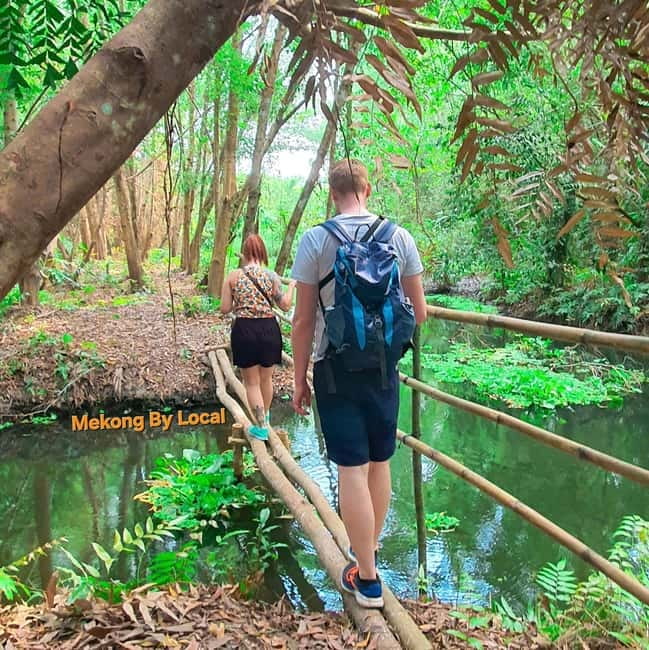
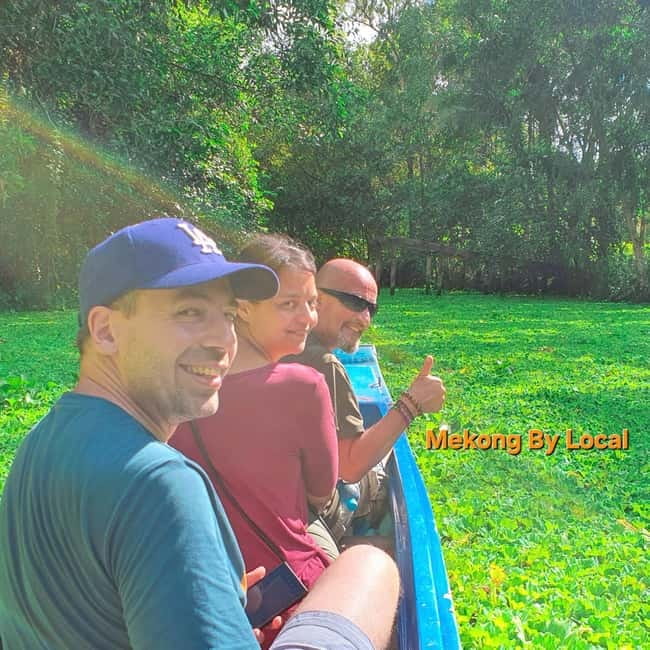
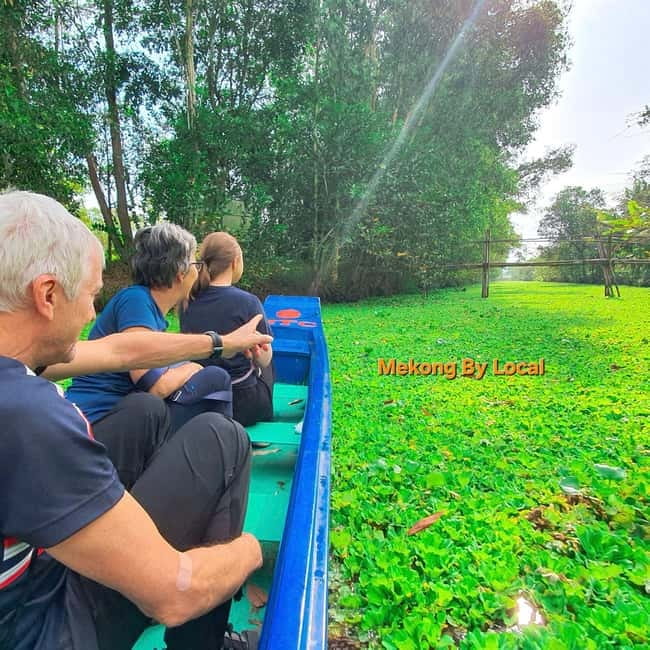
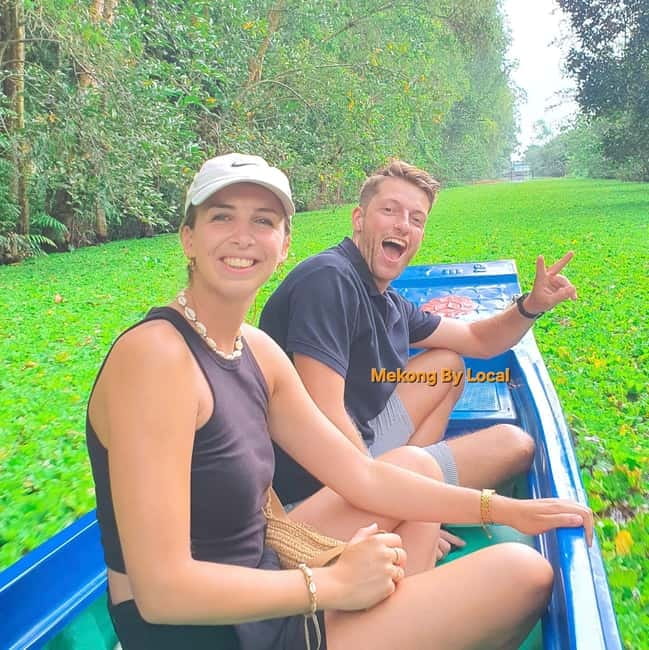
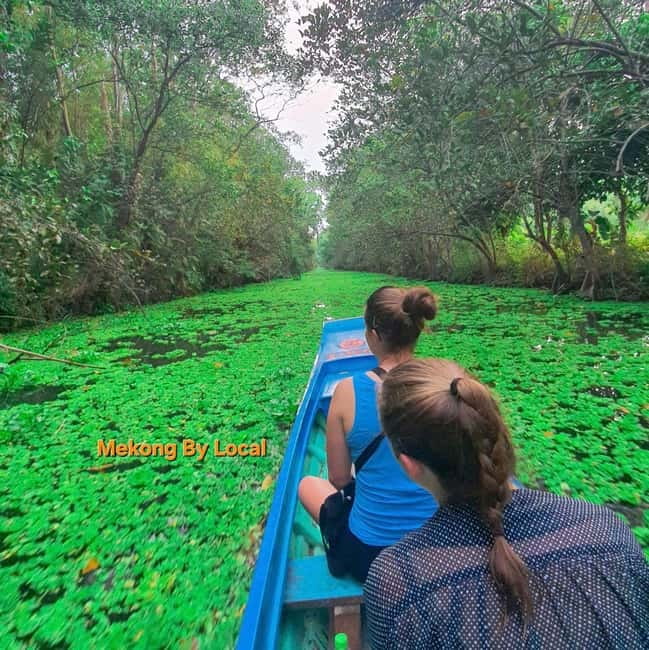
The boat trip is the calmest part of the day. You glide through narrow waterways under arching trees, with the forest close to the boat and open water ahead. The ride gives you a different view from the walking trail, since much of the reserve is shaped by canals and wetland channels.
I like the contrast between the two forms of movement. On foot, you notice the ground, roots, leaves, and sounds overhead. From the boat, the view stretches along the water, and you can watch for birds at the edges of the trees. Some visitors have seen many birds during the ride, but wildlife depends on timing and luck.
The boat is also a good reason to bring a camera, though protect it from splashes and keep your attention on the surroundings. Smoking is not allowed, and everyone should respect the wildlife by avoiding loud behavior or attempts to get too close.
If you are choosing between this and a more crowded boat attraction, the appeal here is quiet rather than spectacle. There are no guarantees of dramatic wildlife encounters, but the slow ride through the forest can be the most memorable part of the tour.
Guides who shape the experience
Guide quality matters a great deal on an outing like this because the sights do not explain themselves. Clara has been described as kind, helpful, friendly, and enthusiastic, with a strong ability to explain Vietnamese culture. Sophia, or Anh, is known for humor, warmth, and clear explanations of the pagoda, village life, plants, and animals.
Sunny is another guide associated with the tour. His relaxed style, good English, and positive energy have helped make the day entertaining as well as informative. Thuy has also been praised for her friendliness and personal touches, including sharing fruit during the forest visit.
Guide names are not a guarantee that you will be assigned a particular person, but you can ask about guide availability when booking. The operator speaks English, and the guiding appears to be one of the strongest reasons to choose this outing instead of arranging transport to the reserve on your own.
The tour can also feel almost private when demand is low. Some departures have had no other tourist groups at the stops, while others may be shared. If having a private experience matters to you, ask about a private tour or the group arrangement before paying.
Transport, timing, and what to bring
Return transportation from Can Tho is included, and hotel pickup has been provided on some departures. The tour operator also uses departure and return schedules designed to avoid crowded periods. Since exact pickup times can vary, confirm the meeting details when you book.
The tour begins and ends in Can Tho. A floating market visit can be added for an extra cost, which may be useful if you want to combine the Delta’s commercial side with its wetlands and village culture.
Pack lightly but sensibly:
- Comfortable walking shoes
- Light clothing
- A hat
- Sunscreen
- Insect repellent
- A refillable water bottle
- A camera
There is no meal or drink included. Fresh fruit or coconut may be offered during the day, but you should not count on that as lunch. The outing is best suited to people who can walk on uneven ground, handle stairs, and stay comfortable in warm weather.
Cancellation is allowed up to 24 hours before departure for a full refund, and you can reserve now and pay later. Those policies add useful flexibility if your Can Tho plans are still changing.
Who should book this $43 experience
I would recommend this tour to you if you want nature without a long journey and cultural stops that feel connected to local life. It suits visitors who have already seen a floating market, photographers looking for forest and water views, and anyone who prefers a small village and wetland setting to a busy attraction.
It is also a good choice for first-time visitors who want a guide to explain what they are seeing. The pagoda, basket workshop, trail, tower, and boat ride create a varied half-day, so you are unlikely to spend the whole time doing one repetitive activity.
I would think twice if you need step-free access, dislike insects, or want guaranteed wildlife sightings. The reserve is natural, not a wildlife park, and the walking conditions may be tiring in hot weather. If your main goal is shopping or seeing boats packed with produce, choose a floating market tour instead.
Should you book it?
Book this trip if you want to see a quieter, more personal side of the Mekong Delta. At $43, the package offers good value because it combines transport, guiding, reserve admission, a boat ride, a forest walk, a pagoda, and basket making.
The strongest reason to go is the mix. You learn about Khmer Buddhist culture, see a practical village craft, then spend time among wetlands and birds. Ask for your preferred guide if possible, request an early or less crowded departure, and bring water, sun protection, and shoes suited to uneven ground. If those details fit your style, this is one of the better half-day choices from Can Tho.
FAQ
Where does the tour begin and end?
The tour begins in Can Tho and includes return transportation to Can Tho. Hotel pickup has been provided on some departures, so confirm your exact pickup details when booking.
What is included in the price?
The $43 price includes an English-speaking guide, return transportation from Can Tho, entrance to Lung Ngoc Hoang Nature Reserve, and a basket-weaving workshop.
Are meals and drinks included?
No. Meals and drinks are not included. Bring water, and plan to cover any personal food or drink purchases yourself.
Is the tour suitable for wheelchair users?
No. The experience is not suitable for wheelchair users or people with mobility impairments because it includes walking, stairs, and natural trails.
Can I add a floating market tour?
Yes. A floating market tour can be combined with this experience for an additional cost.
What is the cancellation policy?
You can cancel up to 24 hours before departure for a full refund. You can also reserve your place and pay later.
Just added around Can Tho
- Boat tour on Mekong river see the sunset, small canal, Vegan dinner, street food★ 5.0 · 17 reviews
- Full-Day Experience in Mekong Cycling and Authentic Home Cooking★ 5.0 · 89 reviews
- Cai Rang Floating Market Biking Cooking Class in Can Tho Rural★ 5.0 · 172 reviews
- Premium Can Tho Small Canal Tour in Mekong Delta★ 5.0 · 20 reviews
- Can Tho: Floating Market, Canals, Nature Reserve & Forest★ 5.0 · 42 reviews
- Mekong Delta Tour 2-Day (SaDec – Can Tho – My Tho – Ben Tre)★ 3.6 · 16 reviews
- Can Tho: Mekong Delta and Cai Rang Floating Market Tour★ 4.8 · 47 reviews
- From HCM: Mekong Delta Can Tho Floating Market 2-Day Tour★ 4.7 · 84 reviews
Can Tho River Cruises, compared.
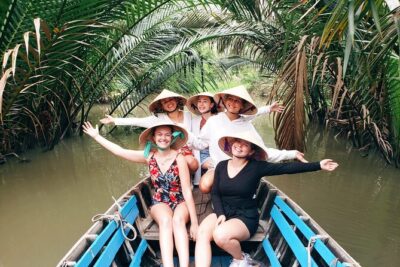
Floating Market & Mekong’s Legacy( About 6 Pax)
Read our review →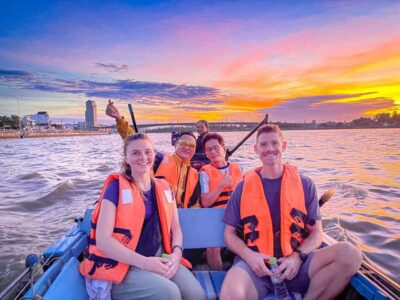
A Real Mekong Tour, Floating Market, Cacao & Life’s
Read our review →Floating Market & Mekong’s Legacy (About 6 Pax)
Read our review →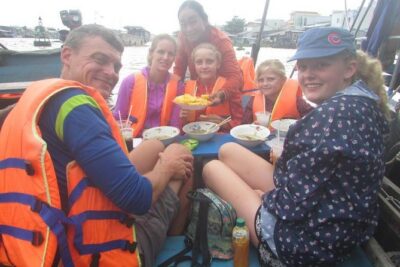
Mekong Delta and Cai Rang Floating Market 5-Hours Tour
Read our review →
Cai Rang Floating Market Biking Cooking Class in Can Tho Rural
Read our review →
Full-Day Experience in Mekong Cycling and Authentic Home Cooking
Read our review →
From HCM: Mekong Delta Can Tho Floating Market 2-Day Tour
Read our review →
Browse the lists this tour appears in