
REVIEW · BELGRADE
Belgrade Underground Tour w/ Sparkling Wine Along the River
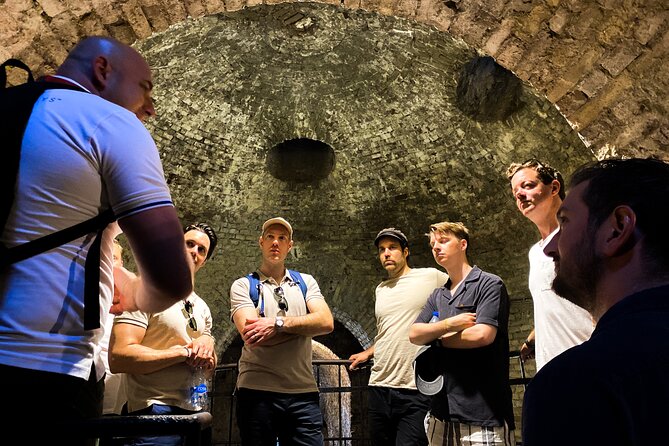
Belgrade keeps some of its best stories below ground. This tour takes you through a Roman hall and well, an Austrian gunpowder warehouse, and a Cold War military bunker, then finishes with a drink beside the Sava River.
I like the mix of time periods, from Roman remains to President Tito’s Cold War politics. I also like the guides’ personal, lively approach. Bojan, Darko, Novica, Kristina, and Vladica are all singled out for clear English, humor, and careful answers.
The main catch is simple: this is not an entirely underground tour. You also walk around Belgrade Fortress, climb stairs, and finish at a modern riverfront bar. If you expect a maze of tunnels or an old Serbian tavern, adjust your expectations.
Key points at a glance
- Three distinct underground sites: See the Roman well, Austrian gunpowder warehouse, and Cold War army bunker.
- A 2.5-hour history lesson: The tour links Roman, Austrian, Ottoman-era, Yugoslav, and modern Serbian stories.
- Strong English-speaking guides: Bojan, Darko, Novica, Kristina, and Vladica have all led engaging tours.
- A drink beside the Sava: The included glass of local wine ends the walk at Beton Hala, though the venue is modern.
- Good value at $35.09: Entrance fees, a professional guide, and one alcoholic drink are included.
- Prepare for stairs: Most people can take part, but the underground sections are not suited to everyone with limited mobility.
What this Belgrade tour really offers
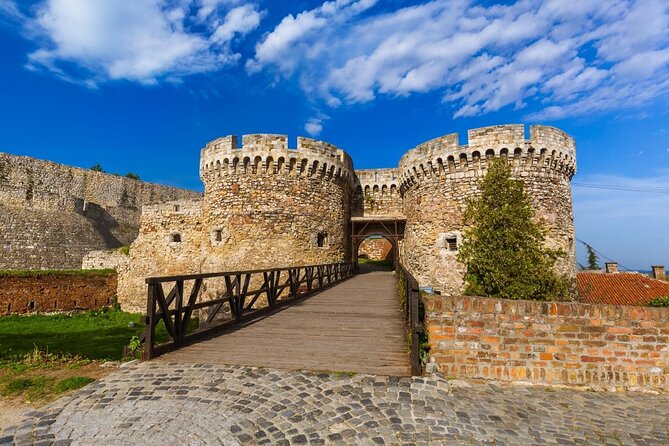
I would think of this as a Belgrade Fortress history walk with three underground visits, not as a full cave expedition. That distinction matters. The underground rooms are the main attraction, but you also spend time outdoors hearing about the fortress and taking in views toward the Sava and Danube.
The tour lasts about two and a half hours. It begins near Kralja Petra Street, at Osnovna škola Kralj Petar I, and ends at Beton Hala on Karađorđeva Street. You do not need to arrange transport between the stops because the walk connects them, but you do need to make your own way to the starting point and back from the riverside finish.
The group can reach as many as 40 people, although some departures are smaller. A shared tour requires at least four people. If that minimum is not met, you can be offered another date or cancel without a fee. That is useful to know if you are planning around a tight schedule.
More river valley wine tours in Belgrade:
- From Porto: Douro Valley w/ Boat Tour, Wine Tasting & Lunch
★ 4.7 · 19,061 reviews - Complete Douro Valley Wine Tour with Lunch, Wine Tastings and River Cruise
★ 5.0 · 12,920 reviews - Porto: Douro Valley with Winery Lunch, Tastings & Cruise
★ 4.7 · 7,002 reviews
The Roman well and Belgrade’s oldest layers
The first underground stop is the Roman well within the fortress area. Despite its name, the structure you see today was built in the 18th century during the Austrian period. It is tied to a long list of mysteries and stories, including the curious fact that Alfred Hitchcock regarded it as his favorite place in Belgrade.
That mixture of Roman association, Austrian construction, and later legend gives the stop its appeal. You are not simply looking at an old stone shaft. You are seeing how different rulers reused and reinterpreted the same fortress site over time.
The Roman Hall and other Roman remains add another layer. Archaeological objects connected with Serbia’s ancient past help show that Belgrade’s strategic importance began long before modern Serbia or Yugoslavia. I like this opening because it sets up the whole tour: the fortress is not one monument from one period, but a stack of eras built on top of one another.
The stop may be less dramatic than someone expecting a vast underground complex imagines. It is a focused historic site, not a large subterranean network. Your guide does much of the work here by explaining the construction, legends, and political setting.
Tito’s bunker and Cold War Belgrade
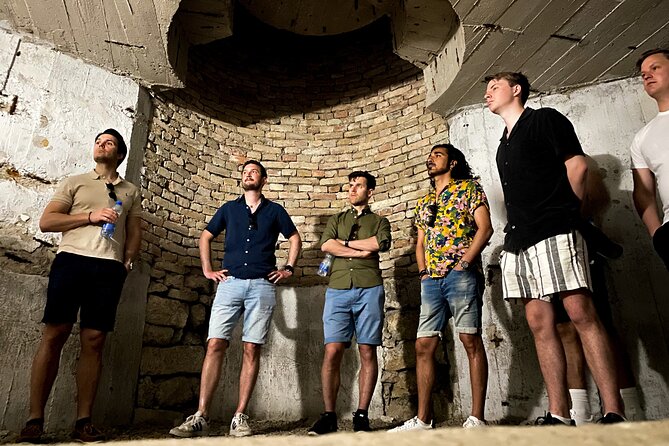
The army bunker brings you forward to the period after the Second World War. Built during President Tito’s rule, it offers a look at Yugoslavia’s difficult position between major powers.
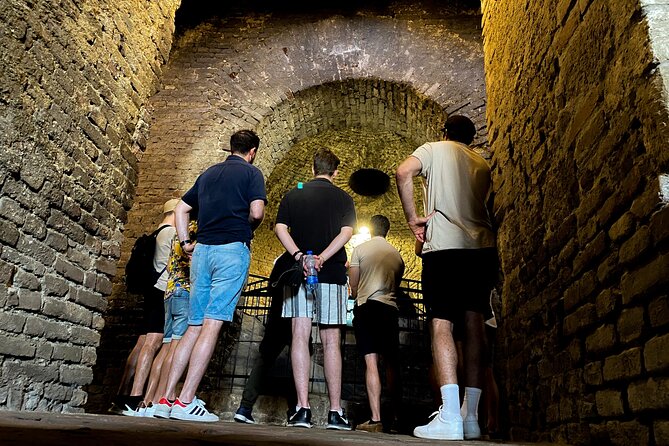
This is one of the strongest stops for anyone interested in 20th-century politics. The guide explains Tito’s political maneuvers and the pressure surrounding Yugoslavia during the Cold War. You get more than a military room and concrete walls. You get a short lesson in how the country tried to protect its independence while dealing with larger powers.
The bunker is also a welcome change of mood from the Roman material. Ancient stones can feel remote. A Cold War shelter feels closer to modern memory, and the political questions still connect with the way Serbia and the former Yugoslavia are understood today.
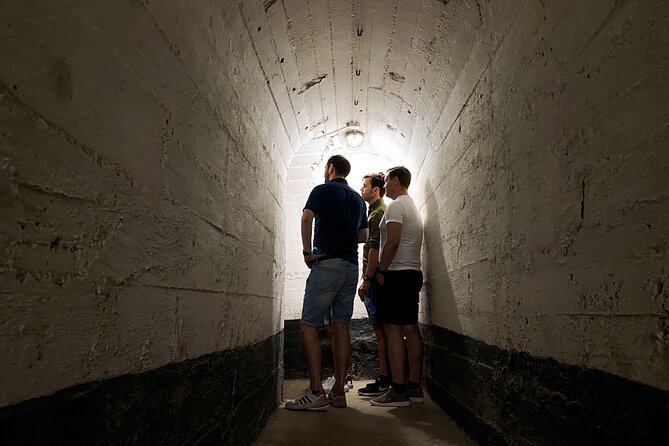
The space is underground, but do not expect a huge preserved command center. The value comes from the setting and the explanation. Guides such as Bojan and Novica have been praised for making political history concise, funny, and easy to follow. That matters in a bunker, where the physical room alone may not hold your attention for long.
The Austrian gunpowder warehouse
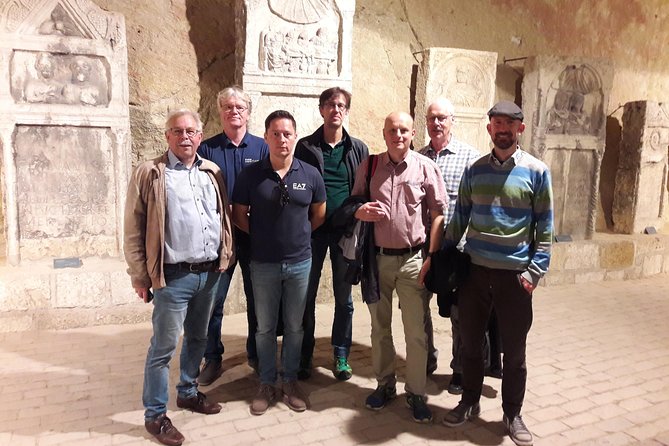
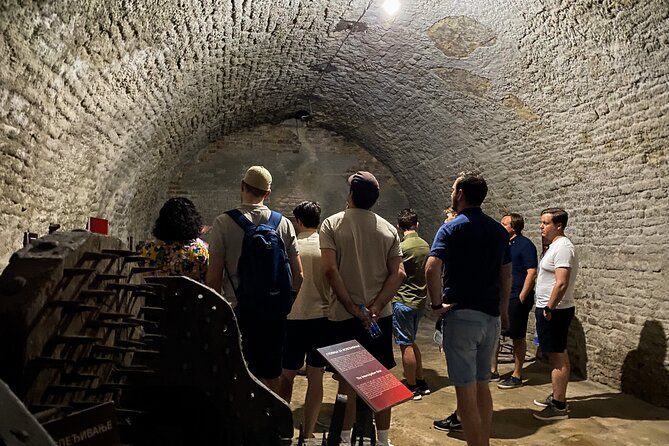
The third underground stop is the gunpowder warehouse built by the Austrians as part of the fortress defenses against the Ottoman Empire. Here you can touch the stone walls and get a stronger sense of the site as a working military installation.
The warehouse also serves as an archaeological display space. You see sarcophaguses and altars gathered from different sites across Serbia. These objects shift the focus again, from military architecture to religious and funerary remains.
For me, this is the most varied stop. You have the solid defensive walls, the practical purpose of storing gunpowder, and ancient objects that came from elsewhere in the country. The guide’s job is to connect those pieces without turning the visit into a list of dates. A good guide makes the warehouse feel like part of a larger story about Serbia’s position between empires and cultures.
The wording underground tour can create the wrong picture here. You visit three underground areas, but they are separate historic sites rather than one long tunnel route. One person who expected more underground exploration found the experience too limited after visiting the fortress above ground the previous day. If you have already spent a lot of time at Belgrade Fortress, some of the outdoor walking may feel familiar.
A few more river trips around Belgrade worth comparing
- Belgrade: Guided Sightseeing Cruise, Danube and Sava rivers
★ 3.7 · 428 reviews - Šargan Eight Railway, Wooden Town & House on Drina river day trip from Belgrade
★ 5.0 · 107 reviews - Full-Day Trip from Belgrade: Tara National Park & The Drina River Valley
★ 5.0 · 87 reviews - From Belgrade: Tara National Park & Drina River Valley Tour
★ 4.9 · 68 reviews
Why the fortress walk still matters
The outdoor portions are not filler. Belgrade Fortress is the setting that links the stops, and the guide uses the walls, views, and surrounding spaces to explain why the site mattered for so long.
You can see toward the Sava and Danube, and the elevated fortress position helps make its military role clear. The outdoor walk also gives you a chance to reset between the cooler underground rooms. On a hot day, several people have found the tunnels a welcome break from temperatures around 31 Celsius.
At the same time, summer heat can make the exposed walking tiring. One guide, Novica, was specifically praised for staying fresh and attentive during a very hot two-hour-plus tour. Still, you should bring water and wear comfortable shoes. The tour includes quite a lot of stairs, and uneven historic surfaces are part of the setting.
Most people can participate, but this is not the best choice if stairs are difficult for you. Someone arriving on crutches could only manage the Roman Well. That does not make the tour poorly designed, but it does make the physical demands worth considering before you book.
The guides are a major part of the value
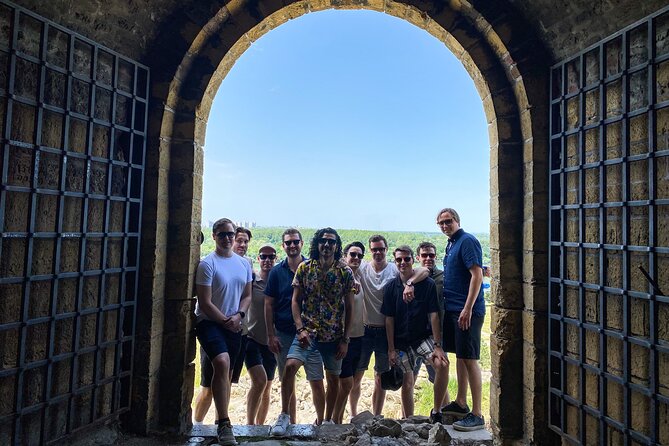
The strongest part of this experience is the guiding. Bojan appears repeatedly as a lively and well-informed host who speaks clear English, answers questions, and offers a personal view of Belgrade and Serbia. Darko is described as friendly and good at keeping the tour moving, while Novica combines humor with strong historical detail.
Kristina and Vladica have also led well-received departures. The exact guide depends on your date, so you should not assume one particular person will lead your tour. Still, the range of positive comments suggests that the company has several capable English-speaking guides.
That is important because the sites are not self-explanatory. A bunker is just a bunker if no one explains its political purpose. A well is just a dark opening if you do not hear why it was built, how it was used, and why it became famous. The guide turns the separate rooms into a connected story.
The tours seem to work especially well for people who like to ask questions. Several guides are described as considerate and willing to adapt to the group’s needs. For a small private-feeling departure, you may get more time with the guide, but the maximum group size is 40, so a larger departure may feel less personal.
The riverfront drink: a pleasant finish with limits
The tour ends near the Sava River at Beton Hala. Your booking includes one alcoholic drink, described as a glass of local wine or sparkling wine. It gives you a chance to sit down after the stairs and walking, and it creates an informal moment to ask the guide for more suggestions.
There is one point to clarify. The final venue is a modern bar or restaurant, not an old Serbian kafana. If you were picturing a traditional tavern with local character, you may find the ending less atmospheric than expected.
The drink itself has also varied in how it is described. Some information presents it as local wine, while one account says the wine was not Serbian and another mentions choosing a cocktail or another drink. If sampling Serbian wine is important to you, check the current drink arrangement before booking rather than treating it as a dedicated wine tasting.
Even with that limitation, I think the finish works. A glass of wine beside the river is a comfortable way to end a history walk, and you can often continue the conversation with the guide. Just book this for the underground and fortress history first. Treat the drink as a pleasant extra, not the central attraction.
Is $35.09 a fair price?
At $35.09 per person, the price is sensible if you want a guided introduction to Belgrade’s layered past. The cost includes the guide, entrance fees for the underground sites, and one alcoholic drink. You are paying for access to places you might not locate or understand on your own, not simply for a walk around the fortress.
The value is strongest for a first visit to Belgrade. You see several periods in one outing, get context from an English-speaking guide, and finish near the river in about two and a half hours. It is also a useful opening tour because the guide can help you understand the city before you explore more sites on your own.
The value is weaker if you already know Belgrade Fortress very well or have already spent a full day exploring the surface. In that case, only three underground areas may not feel like enough new material. Likewise, anyone seeking a long tunnel adventure should choose a different experience.
Group discounts are available, but the details are not specified. The maximum group size is 40, and the shared option needs at least four participants. Free cancellation is available up to 24 hours before the start time. Poor weather or an unmet minimum can also lead to a new date or a full refund.
Who should book this experience?
I would recommend it to you if you enjoy history presented through physical places. The best match is someone who wants to connect ancient remains, imperial warfare, Yugoslav politics, and present-day Belgrade in a single outing.
It is also a good fit for:
- First-time visitors who want a guided orientation to the fortress
- People curious about Cold War Yugoslavia
- Anyone who enjoys unusual archaeological displays
- Visitors who appreciate personal stories and questions rather than a dry lecture
- Those looking for a reasonably priced activity lasting half a day
I would hesitate if you dislike stairs, need a fully accessible route, or have already explored the fortress in detail. I would also hesitate if your main goal is an extensive tunnel system or a traditional Serbian wine experience.
Practical tips for a better visit
Meet at the school on Kralja Petra 7. The experience does not include transportation to or from the attractions, so plan your arrival and your return from Beton Hala.
Wear shoes suitable for stairs and historic surfaces. On warm days, the outdoor portions can be hot, even though the underground rooms offer some relief. A small bottle of water is sensible, especially since the included drink comes at the end rather than during the walk.
Keep your schedule flexible around the full two and a half hours. The stated duration is approximate, and the group’s questions can affect the pace. If you want the guide’s recommendations for restaurants or other sights, the final drink is a natural time to ask.
Should you book the Belgrade Underground Tour?
Book it if you want three unusual historic sites, strong English guiding, and a compact introduction to Belgrade’s long and complicated past. The Roman well, Austrian warehouse, and Tito-era bunker each offer a different kind of story, and the guides are the reason the separate stops hold together.
Skip it if you expect the entire experience to take place below ground, if stairs are a serious problem, or if a traditional tavern and Serbian wine are essential to your plans. For most first-time visitors who like history, the $35.09 price is fair, and the riverfront drink makes a comfortable finish.
FAQ
How long does the Belgrade Underground Tour last?
The tour lasts approximately 2 hours and 30 minutes.
Where does the tour begin?
It begins at Osnovna škola Kralj Petar I, Kralja Petra 7, Belgrade, Serbia.
Where does the tour end?
It ends at Beton Hala, Karađorđeva 2, Belgrade 11080, beside the Sava River.
What language is the tour offered in?
The tour is offered in English.
Which underground sites are included?
The tour includes the Roman well and Roman-related areas, an Austrian gunpowder warehouse, and a military bunker from the period of President Tito and the Cold War.
Is the entrance fee included?
Yes. Entrance fees and a professional guide are included in the price.
Is a drink included?
Yes. One alcoholic drink is included, described as a glass of local wine or sparkling wine. Other drinks may be available at the final venue.
Is the whole tour underground?
No. You also walk around Belgrade Fortress and finish at a modern riverfront bar or restaurant.
How large can the group be?
The maximum group size is 40 people. The shared group option requires at least four participants.
Can I cancel for a full refund?
Yes, if you cancel at least 24 hours before the experience begins. Cancellations or changes made less than 24 hours in advance are not refunded.
Just added around Belgrade
- Šargan Eight Railway, Wooden Town & House on Drina river day trip from Belgrade★ 5.0 · 107 reviews
- Full-Day Trip from Belgrade: Tara National Park & The Drina River Valley★ 5.0 · 87 reviews
- Iron Gate NP Tour with 1-hour speedboat ride + 2 viewpoints★ 5.0 · 148 reviews
- From Belgrade: 3 Danube Fortresses tour★ 5.0 · 19 reviews
- From Belgrade: Golubac fortress & Iron Gate Danube gorge★ 4.5 · 24 reviews
- Belgrade Amazon Kayak Adventure★ 5.0 · 45 reviews
- From Belgrade: Tara National Park & Drina River Valley Tour★ 4.9 · 68 reviews
- From Belgrade: Tara NP & Drina river & House on the Drina★ 5.0 · 15 reviews
Belgrade River Cruises, compared.
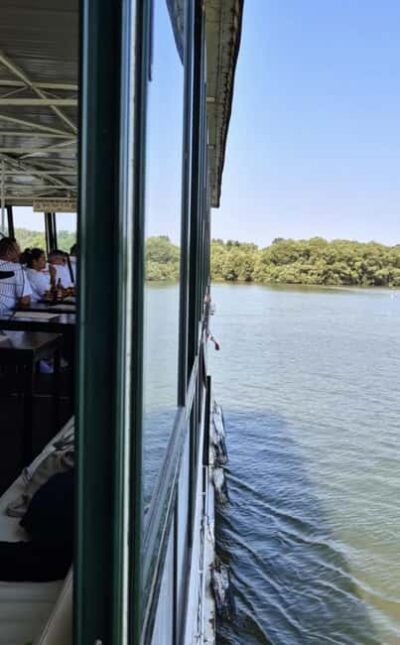
Belgrade: Guided Sightseeing Cruise, Danube and Sava rivers
Read our review →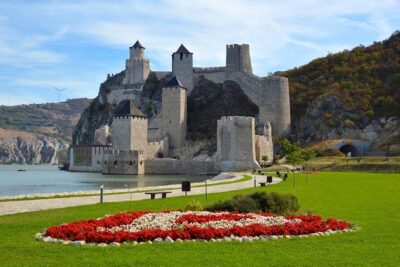
From Belgrade: Golubac Fortress & Iron Gate Danube Gorge
Read our review →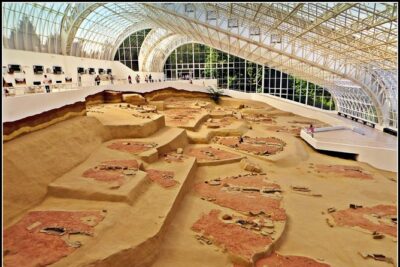
Along the Danube: Golubac Fortress & Iron Gate Gorge day trip from Belgrade
Read our review →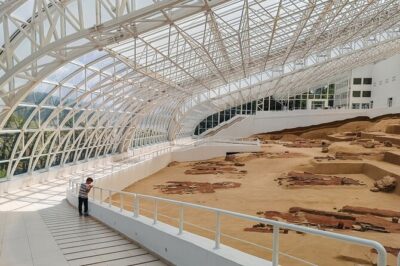
Iron Gate NP Tour with 1-hour speedboat ride + 2 viewpoints
Read our review →
Šargan Eight Railway, Wooden Town & House on Drina river day trip from Belgrade
Read our review →
Full-Day Trip from Belgrade: Tara National Park & The Drina River Valley
Read our review →
From Belgrade: Tara National Park & Drina River Valley Tour
Read our review →
Browse the lists this tour appears in