
REVIEW · PORTO
Porto: River Douro 6 Bridges Cruise
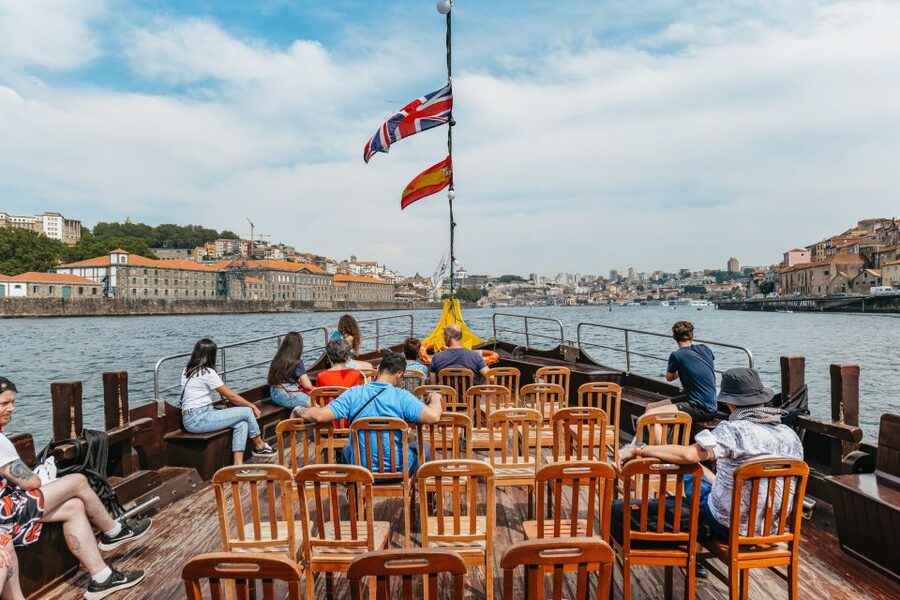
The best thing about Porto’s Six Bridges Cruise is the quick change of viewpoint. From the Douro, the steep red-roofed buildings of Ribeira and Vila Nova de Gaia rise above you, while the bridges that define the city become the main event. You follow the old route of the rabelo boats that once carried wine downriver to the cellars.
I like two things here: the 50-minute length, which fits neatly into a busy day, and the choice of boarding in Porto or Gaia. At $17, it is an easy way to see both sides of the river without committing to a long excursion. The main drawback is the uneven commentary. Some boats offer recorded information, but the listing describes no guide or audio guide, and sound can be hard to hear from the front or outside seats.
Six useful things to know before boarding
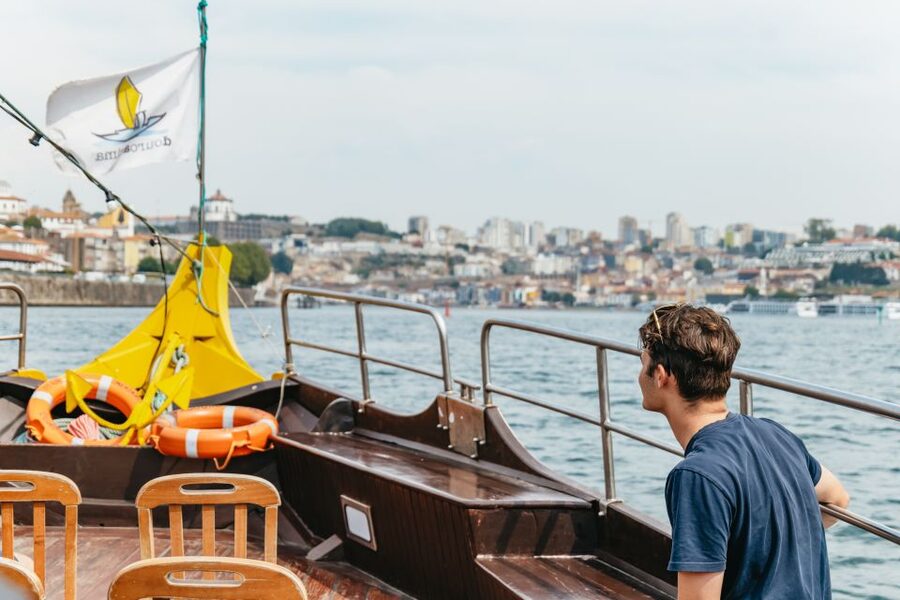
- The cruise passes beneath six bridges, giving you a close look at the structures linking Porto and Vila Nova de Gaia.
- Departures run hourly, generally from 11:00 AM to 6:00 PM from April through September, and from 10:00 AM to 4:00 PM from October through March.
- You can board from Porto or Gaia, but the exact meeting point depends on the option you book.
- Commentary is not guaranteed in the same form on every boat. Some operators use recorded audio, while others provide little or none.
- The boat is mostly open, so bring sun protection in warm weather and an extra layer in cooler months.
- Large bags, luggage, smoking, and pets are not allowed, and the cruise is not suitable for people with mobility impairments.
Why the Douro is the best seat in the house
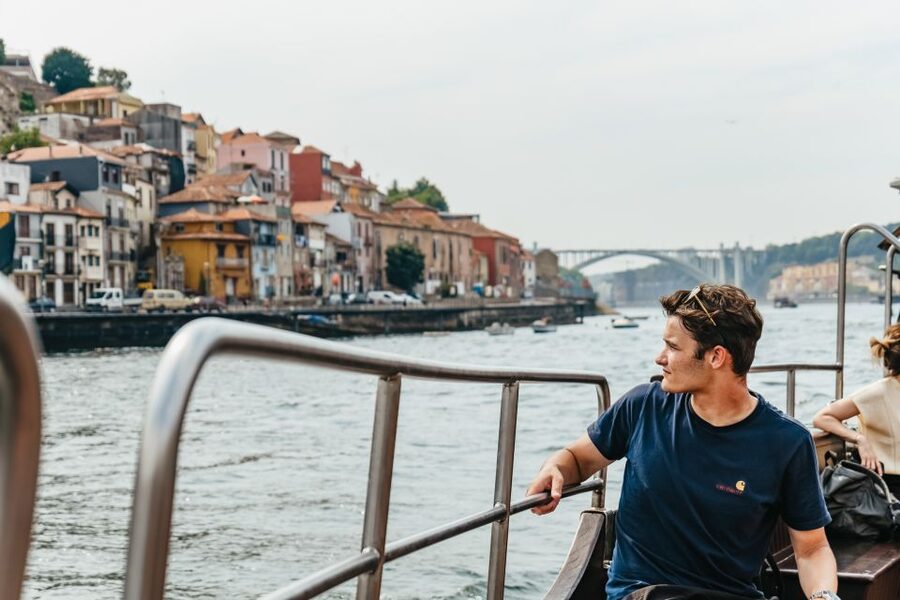
Porto is a city of steep streets, tiled facades, church towers, and crowded viewpoints. The river gives you a break from all that climbing. You sit back and watch the city unfold at eye level, with Vila Nova de Gaia on one bank and Porto’s Ribeira district on the other.
This matters because the two cities are easy to confuse when you first arrive. They face one another across the Douro, but the water makes their different characters clear. Porto rises in layers above the north bank. Gaia is closely tied to port wine, with its famous cellars and long waterfront below the hills.
The boat also shows you details that disappear when you are walking along the quays. From the river, you can see how tightly the buildings crowd toward the water, how the bridges frame the city, and how the urban scene gradually opens as you move toward the river mouth.
I would not book this as a full history lesson. I would book it as a calm orientation ride with enough information to make the views more meaningful.
More Douro river cruises in Porto:
- From Porto: Douro Valley w/ Boat Tour, Wine Tasting & Lunch
★ 4.7 · 19,061 reviews - Complete Douro Valley Wine Tour with Lunch, Wine Tastings and River Cruise
★ 5.0 · 12,920 reviews - Porto: Douro Valley with Winery Lunch, Tastings & Cruise
★ 4.7 · 7,002 reviews
Following the old rabelo boat route
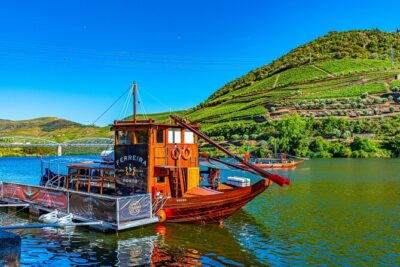
The cruise recalls the rabelo boats, the traditional flat-bottomed craft used to transport barrels of port wine from the Douro Valley toward Gaia’s wine cellars. You will not be taking a historic cargo boat up the valley, but the connection gives the ride a useful sense of place.
For centuries, the river was a working highway. Wine came down from the interior, and the cellars below Gaia became the point where it was stored and shipped. Today, the river is quieter and the boats are designed for sightseeing, but you can still read the old commercial story in the buildings along the banks.
That historical link is one reason I prefer this cruise to a generic city boat ride. It is not only about looking at Porto from the water. It helps explain why the river, the port cellars, and the two waterfront districts belong in the same story.
The experience itself remains simple. You board, find a seat, and follow the river toward the bridges and Foz do Douro before returning. There is no long stop, meal, wine tasting, or shore visit included.
The six bridges, one by one from the river
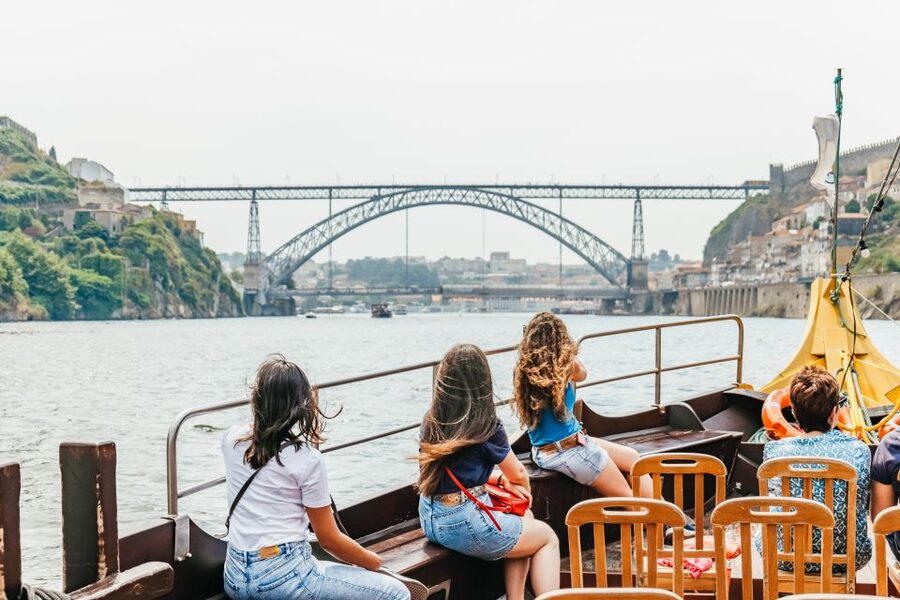
The central part of the cruise is the run beneath Porto’s bridges. Each crossing gives you a fresh angle on the riverbanks, and the boat’s low position makes the structures feel larger than they do from the shore.
The bridges connect Porto and Gaia, but they do not all look or feel alike. Some are broad and modern, while others have a more historic presence. From the boat, you can study their arches, supports, and upper spans without traffic or buildings blocking the view.
The exact bridge-by-bridge information depends on the boat and operator. Some boats use recorded commentary, sometimes in several languages, while other departures may have little spoken information. A few people have found the announcements difficult to hear from outside seats or near the front. If learning the engineering details is important to you, sit near the middle where the speakers may be easier to hear, and keep expectations modest.
You can also use the crossing as a photo rhythm. Have your camera ready before the boat reaches each bridge, then turn toward the banks once you pass underneath. The front of the boat offers a clear view ahead, but the middle and rear sections can make it easier to photograph both sides.
Ribeira and Gaia from a lower angle
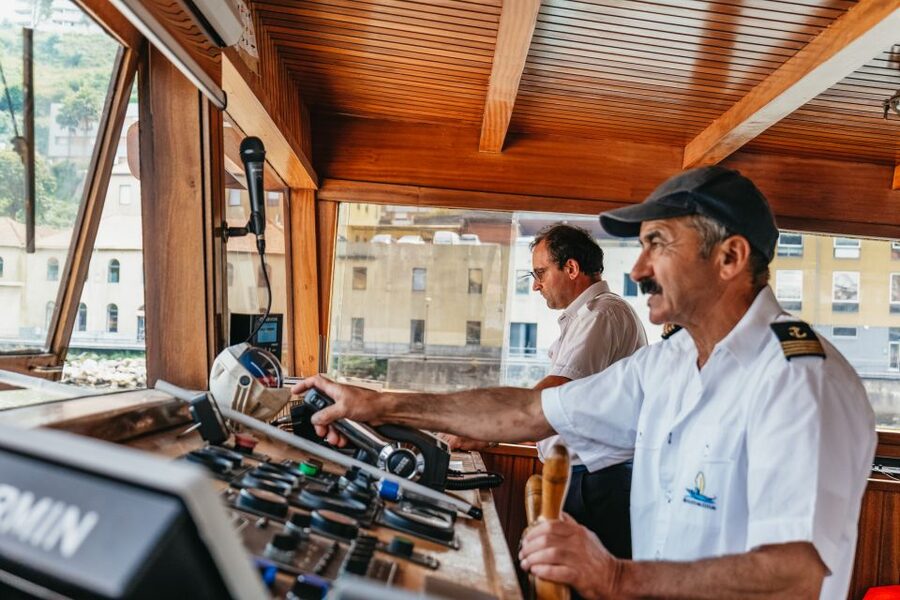
Ribeira is most famous at street level, where narrow lanes lead down to the riverfront. From the boat, you get a wider view of the district’s stacked buildings and red tile roofs. The effect is especially strong when you look back toward the waterfront and see the city rising behind it.
Across the river, Gaia presents a different scene. Its waterfront is closely associated with port wine cellars, and the hillside gives you a good sense of how the cellar district fits into the city. The boat places both shorelines in the same frame, which is difficult to achieve from land.
This is also a good activity if you are visiting Porto for only one day. You can see the two riverfront districts, pass the bridges, and get a basic sense of the city without spending half your day on transport. The cruise is short enough to combine with a cellar visit, a walk through Ribeira, or an afternoon exploring Gaia.
Do not expect every part of Porto to appear from the river. The cruise focuses on the waterfront corridor. Its value is the view of the city’s relationship with the Douro, not a complete city tour.
A few more river trips around Porto worth comparing
- Porto: 6 Bridges Douro River Cruise
★ 4.3 · 6,472 reviews - Authentic Small Group Douro Wine Tour with Lunch & River Cruise
★ 5.0 · 4,775 reviews - Douro Valley Tour: 2 Vineyard Visits, River Cruise, Winery Lunch
★ 5.0 · 3,542 reviews - Porto Walking Tour, Lello Bookshop, River Cruise and Cable Car
★ 5.0 · 3,354 reviews
Toward Foz do Douro and the Atlantic
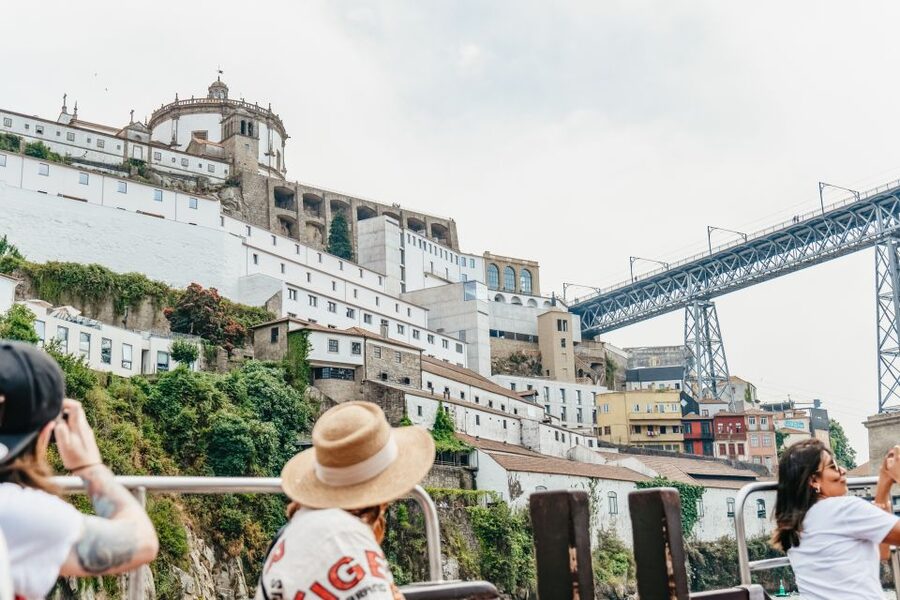
As the boat reaches the last bridge, the river scene opens toward Foz do Douro. This is where the Douro meets the Atlantic, and the character of the view changes from dense historic waterfront to sandy beaches and the seafront.
The open water gives the final part of the ride a pleasant sense of release. After the close walls and bridges of the central city, you get more sky and a wider horizon. It is a modest change, but it makes the return trip feel less repetitive.
The cruise does not include a stop at Foz. You see the area from the water, then continue on the route. If you want time on the beaches or along the seafront, plan that separately.
The river can feel cool even on a bright day, particularly in spring, autumn, or winter. One April departure was described as chilly, while summer rides benefited from a breeze. Bring a light layer outside the hottest months, and use sunscreen and a hat in summer because much of the boat is uncovered.
Choosing Porto or Vila Nova de Gaia
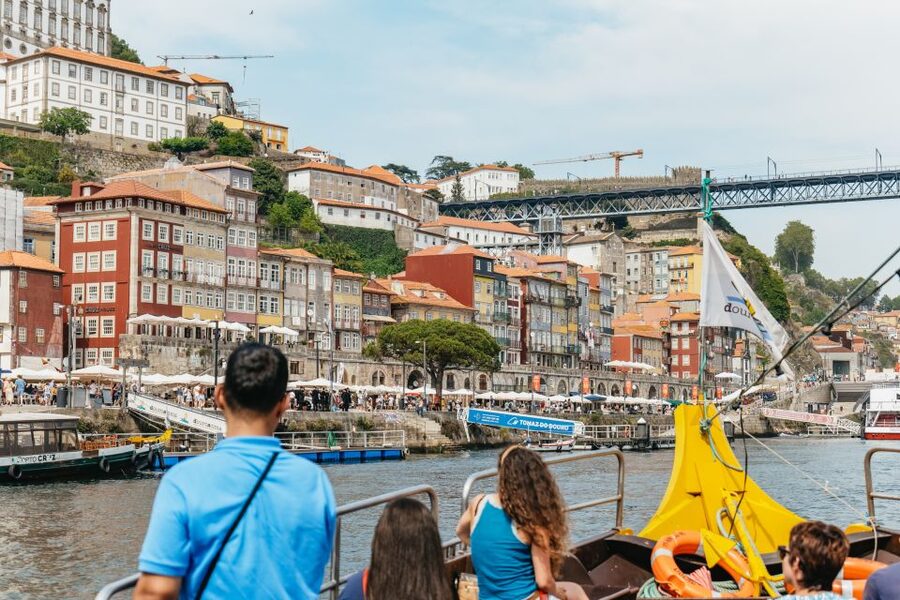
The ability to depart from either side is useful, but it also means you need to read your booking details carefully. The meeting point can change according to the option selected, and the waterfront has several boat companies operating close together.
If you are already exploring Ribeira, boarding on the Porto side is convenient. If you are visiting the wine cellars or staying in Gaia, the Gaia departure may save you a climb or river crossing.
Allow time to locate the correct kiosk or boarding point. A ticket may need to be exchanged for a specific departure time, and a preferred boat may not be immediately available. This matters most in summer, when the hourly schedule can fill more quickly.
The flexible schedule is one of the strongest practical features. You can choose a morning ride for softer light, a midday departure for a breezy pause, or a later sailing during the longer summer schedule. From October through March, departures run earlier in the day and finish by late afternoon.
What the boat is like in practice
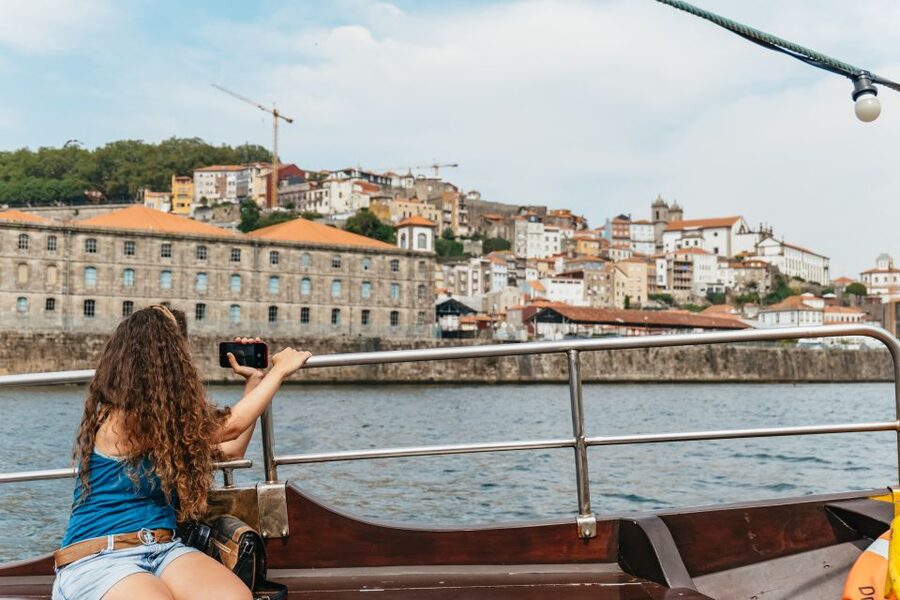
This is a straightforward sightseeing boat, not a luxury cruise. Seating includes outdoor areas, and some boats have indoor seats. The open sections are best for photographs, but they expose you to sun, wind, and cooler air.
The benches may be plain rather than cushioned. If you want to sit comfortably for the entire ride, an indoor seat may suit you better. If your priority is photography, you will probably prefer the outside, even if you need to move around a little.
The boat can feel spacious on a quiet departure and crowded on a busy one. Early morning rides may offer more room, especially outside the busiest summer period. You cannot count on having an empty deck, so arrive with a simple plan for where you want to sit.
Families can find the ride easy to manage because it is short and does not require much walking once you reach the boat. Children get the basic excitement of being on the river, while adults get a relaxed view of the city. The no-pets rule and the ban on large bags keep the boarding area simpler, but they also mean you should leave bulky luggage elsewhere.
Commentary, audio, and what you will learn
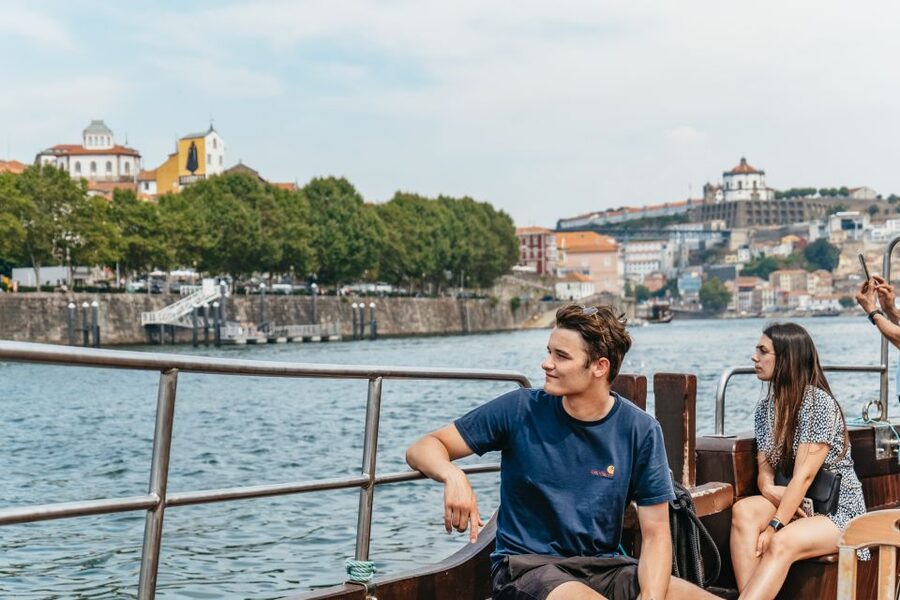
The information provided for this activity says it is not guided, and that is the safest way to plan. Some boats use an automated audio system with information about the bridges and sights along the banks. The languages can include English, Portuguese, French, and Spanish, but the quality and volume vary.
Do not assume that an English-speaking guide will be on board. Some departures have staff who help with boarding but do not lead the cruise. If you sit at the front or outside, announcements may be hard to hear. The middle of the boat may offer a better chance of catching the recorded descriptions.
The audio, when available, is useful for basic context. It can explain the bridges and point out features on the riverbanks. It is not a substitute for a dedicated walking tour, and the information can feel brief.
I see that as a reasonable tradeoff at this price. You are paying mainly for the boat ride and the view. If you want detailed explanations of Porto’s architecture or port wine trade, add a separate guided visit rather than expecting this short cruise to cover everything.
Is $17 good value?
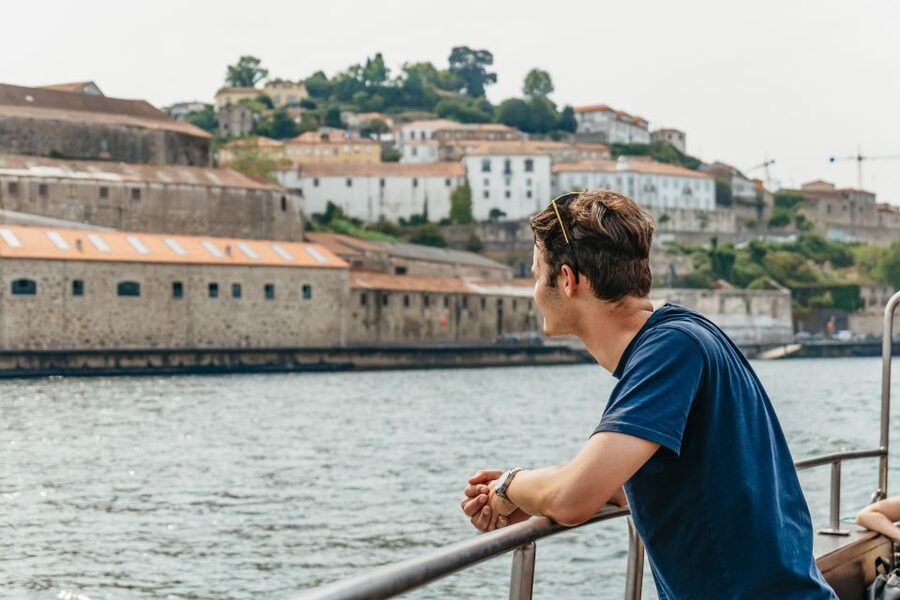
At $17 per person, this is good value if you want a scenic break and a quick introduction to Porto’s riverfront. The ride lasts about 50 minutes, and it covers both Porto and Gaia from a viewpoint that costs nothing extra once you are on board.
The value is strongest for three types of visitors:
- You have only a day in Porto and want a fast overview.
- You are traveling with children and need an activity with a clear start and finish.
- You want photographs of the bridges and waterfront without spending hours on foot.
The value is weaker if you mainly want expert commentary, a meal, or a longer trip into the Douro Valley. This is not a vineyard cruise and does not take you into the wine-growing interior. It stays around the Porto and Gaia waterfront.
The hourly departures also add value. You are not locked into one long time slot, though you may still need to reserve a place at the kiosk. Free cancellation up to 24 hours before departure and the reserve-now, pay-later option make it easier to fit into an uncertain schedule.
Practical tips for a smoother ride
Wear comfortable shoes for the walk to the waterfront and bring only what you need. Large bags and luggage are not allowed, so this is not an activity to schedule while carrying suitcases.
Bring a camera, a sun hat, and comfortable clothing. Sunscreen is important in the warmer months because the boat may have little shade. In cooler weather, take a jacket, since the river breeze can make the ride feel colder than the quay.
For the best chance of a quieter boat, choose an early departure. For the best light, morning can work well for photographs, though the exact effect depends on the direction of the sun and your chosen side of the river.
If the commentary matters to you, ask at the boarding point which operator is running the departure and if audio is available. Then sit where you can hear the speakers. If the boat is quiet, move around during the ride rather than staying in one seat. The bridges and views change quickly.
Who should book the Six Bridges Cruise?
I would book this for a first visit, a short stay, or a family day in Porto. It gives you the essential riverfront view, the six bridges, both cities, and a glimpse toward Foz without taking over your itinerary.
I would skip it if you dislike open boats, need step-free access, or want a fully guided experience. The activity is not suitable for people with mobility impairments, and the lack of a consistent live guide may disappoint anyone looking for detailed history.
For most people, the choice is simple: book it as a scenic 50-minute pause, not as the main cultural tour of Porto. At $17, the views justify the cost, especially if you sit outside, keep your camera ready, and treat the changing commentary as a bonus rather than the reason to go.
FAQ
How long is the Six Bridges Cruise?
The panoramic cruise lasts approximately 50 minutes.
How much does the cruise cost?
The listed price is $17 per person.
Where does the cruise depart?
You can choose a departure from Porto or Vila Nova de Gaia. The exact meeting point depends on the option booked.
What time does the cruise run?
From April through September, departures run every hour from 11:00 AM to 6:00 PM. From October through March, departures run every hour from 10:00 AM to 4:00 PM.
Does the cruise include a guide?
No live guide is included as a standard feature. Some boats may provide recorded audio commentary, but the activity information says the cruise is not guided.
What will I see from the boat?
You will see Porto’s Ribeira district, Vila Nova de Gaia, the six bridges connecting the two cities, and views toward the beaches and seafront of Foz do Douro.
What should I bring?
Bring comfortable shoes, a sun hat, a camera, and comfortable clothing. Sunscreen and an extra layer may also be useful because the boat is exposed to sun and wind.
Can I bring luggage or a pet?
No. Pets, smoking, luggage, and large bags are not allowed on the cruise.
Just added around Porto
- The Douro Valley Tour – Late Start Experience★ 4.8 · 48 reviews
- Porto: Private Douro River Cruise – 6 Bridges & Sunset★ 5.0 · 149 reviews
- Small Group: Douro Valley Wine Tasting from Porto★ 4.9 · 20 reviews
- Porto: Premium Douro Valley Small-Group Tour, Cruise & Lunch★ 4.9 · 39 reviews
- Porto: Six Bridges Douro River Cruise with Drinks★ 5.0 · 85 reviews
- Porto/Regua/Porto (and reverse): Douro River Cruise + Lunch★ 4.1 · 15 reviews
- Porto: Sunset Cruise on the Douro River & Iconic Bridges★ 4.1 · 122 reviews
- Porto: Douro River Boat Tour with Wine Tasting★ 4.9 · 167 reviews
Porto River Cruises, compared.
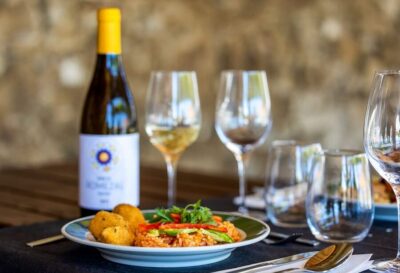
Douro Valley w/ Boat Tour, Wine Tasting & Lunch
Read our review →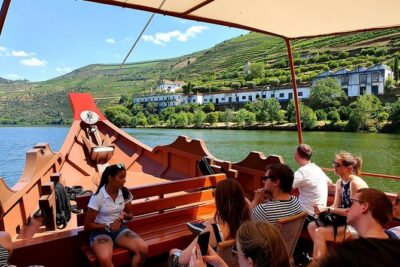
Complete Douro Valley Wine Tour with Lunch, Wine Tastings and River Cruise
Read our review →
Douro Valley with Winery Lunch, Tastings & Cruise
Read our review →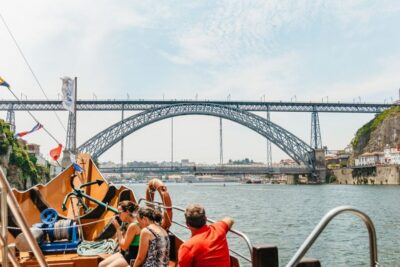
Douro Valley: Historical Sites, Wine Experience, Lunch & Cruise
Read our review →
Authentic Small Group Douro Wine Tour with Lunch & River Cruise
Read our review →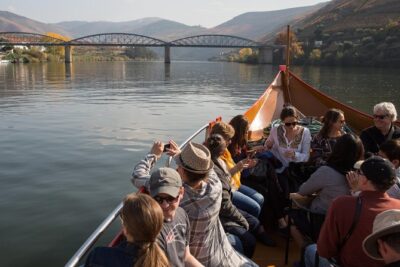
Douro Valley Small-Group Tour with Wine Tasting, Lunch and Boat
Read our review →
Douro Valley Tour: 2 Vineyard Visits, River Cruise, Winery Lunch
Read our review →Browse the lists this tour appears in