
REVIEW · NILE
Addis Ababa: Debre Libanos, Blue Nile Gorge, and Cave Tour
The most memorable part of this day is the sharp change from Addis Ababa’s busy streets to the highland world beyond them. In one long outing, you can see gelada baboons, an old Orthodox monastery, a cave church, and the Blue Nile Gorge, with the road itself providing a steady show of mountain scenery and rural life.
I like the mix of nature and culture. The chance to walk across the Portuguese Bridge and look into the gorge gives the day a strong visual payoff, while a monk-led visit at Debre Libanos adds real religious context. Guides such as Gebru, Abiy, Teka, and Desale are often praised for explaining local history clearly and helping with photographs.
The main drawback is the driving. Although the tour is sold as eight hours, the full day can stretch to nine or ten hours, especially with traffic around Addis Ababa. Roads beyond the city can be rough, the schedule may feel tight, and the short walks include uneven stone.
Key points to know before booking
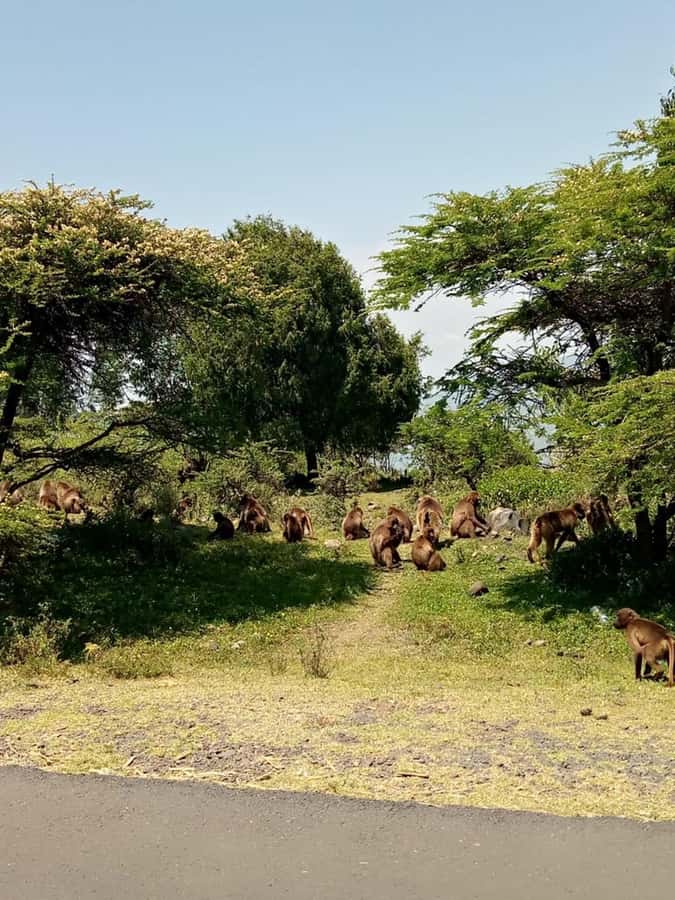
- Gelada baboons are a major highlight: You may see these Ethiopian highland specialists close to the road and on rocky slopes.
- Debre Libanos is more than a photo stop: A church, museum, monk guide, and nearby cave connect the visit to Ethiopia’s Orthodox Christian tradition.
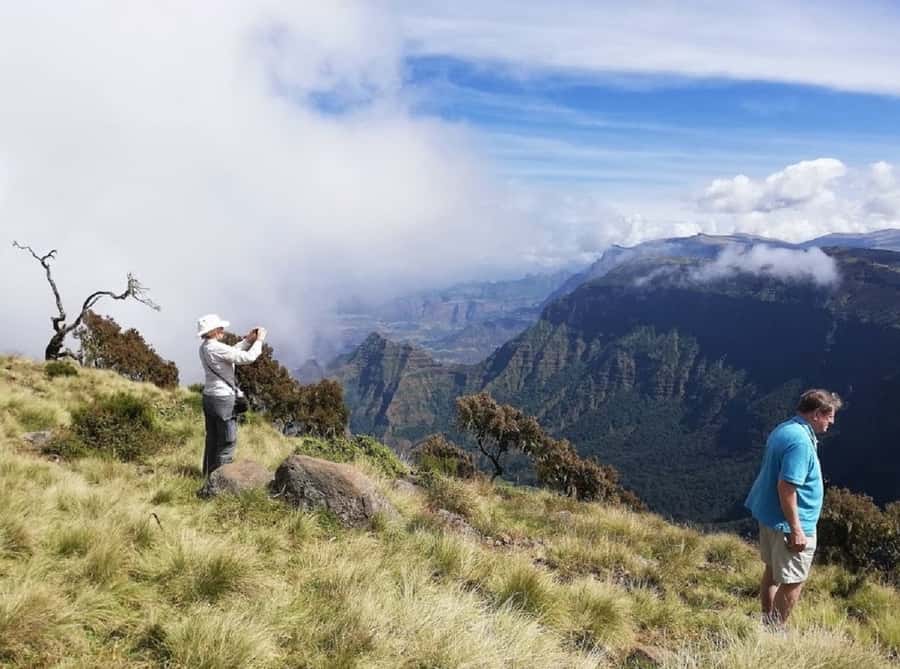
- The Blue Nile Gorge delivers the grandest views: Expect huge mountain vistas, but also wind, sun, and rough footing.
- The Portuguese Bridge requires a short walk: The stone arch and nearby river views reward sturdy shoes.
- The drive takes up much of the day: This is a worthwhile escape from Addis, but not a quick excursion.
- Dress modestly for the monastery: Women should cover well below the knees and may wish to bring a scarf for church access.
Why this day trip works so well from Addis Ababa
At about $94 per person, this is a practical way to reach several important sights that are awkward to visit independently in one day. The cost covers transport, an escorting guide from Addis Ababa, a local monastery guide, entry fees, lunch, water, and hot drinks.
That package matters here. You are covering roughly 100 kilometers north of the capital, but the roads and traffic make distance a poor guide to travel time. Having a driver who knows the route, plus a guide who can explain the churches and local customs, saves you from trying to arrange several separate rides.
I also like the range of the experience. You are not spending the whole day at one viewpoint. The morning begins with city and mountain scenery, then moves through religious sites, wildlife country, rural communities, a river gorge, and a traditional meal. It gives you a useful first look at the countryside beyond Addis Ababa.
The value depends on your tolerance for road time. If you want a relaxed day with long stays at one or two places, this may feel hurried. If you have only one free day and want to see several sides of Ethiopia, the price is reasonable.
More Nile cruises in the world:
- Cairo: Dinner Cruise on the Nile River with Entertainment
★ 4.2 · 2,190 reviews - Cairo: Dinner Cruise on the Nile River
★ 4.2 · 741 reviews - 2-Hour Nile River Dinner Cruise From Cairo
★ 4.5 · 672 reviews
Leaving Addis through Entoto’s high country
Pickup is available from your hotel or Addis Ababa airport. From the city, the route passes Mount Entoto, which rises to about 3,300 meters, or 10,827 feet. This high ridge gives you broad views over Addis Ababa and helps explain the city’s cool, elevated setting.
The road passes Entoto St. Maryam and St. Raguel churches. These are mainly scenic and photographic stops on this day rather than long church visits, but they add religious and architectural context before you leave the capital.
Entoto is also a useful early reminder to bring sun protection. At this height, bright light can be strong even when the air feels cool. Sunglasses, a hat, and sunscreen belong in your day bag.
Once you leave the city, the road crosses rolling mountain country. The drive takes around an hour and 45 minutes in the planned schedule, though traffic, road conditions, and stops can extend it. I would treat the journey as part of the experience rather than dead time. You will see farmland, roadside activity, mountain slopes, and glimpses of everyday life outside the capital.
Debre Libanos and the Ethiopian Orthodox tradition
Debre Libanos was founded in 1284 by the Ethiopian saint Abune Tekle Haymanot. The monastery complex sits on a high terrace near a gorge formed by the Jamma River, one of the Blue Nile’s tributaries.
A local guide or monk gives the visit its meaning. You can learn about Ethiopian Orthodox Christianity, the monastery’s role, and the traditions attached to the church. The church interior, including its stained-glass windows, is one of the details worth taking time to notice.
The visit is usually planned for about 30 minutes at the monastery, followed by another guided visit nearby. That is enough for a useful introduction, but not a slow study of every building. Religious services can affect access. If worship is taking place, you may not be able to enter the church, so keep expectations flexible and behave respectfully around active services.
Dress is important here. Women should wear clothing that covers well below the knees, and a scarf is encouraged for covering the head when entering the monastery. The scarf is optional, but carrying one is an easy way to avoid a last-minute problem.
The monastery stop is valuable because it puts the scenery into a wider setting. Ethiopia’s highlands are not simply a backdrop for photographs. They are tied to old religious communities, pilgrimage, local memory, and daily worship.
Saint Teklehaimanot Cave Church and a difficult past
The cave church linked with Saint Teklehaimanot is one of the more haunting parts of the day. The cave is connected with the death of around 300 monks who were killed by Italian invaders in 1936.
That history gives the stop a solemn tone. It is not a light sightseeing pause, and your guide’s explanation is important because the physical site alone cannot tell you what happened there. Allow yourself a quiet moment rather than treating the cave as just another picture stop.
The walk can involve stone and uneven ground. It is short, but you should be comfortable on your feet and wear shoes with a firm sole. The tour is not suited to people with mobility impairments, and it is not recommended for pregnant women.
The cave and monastery also show why this trip works best with a guide. Names, dates, and religious details are easy to miss when you visit alone. A good guide can explain what you are seeing without turning the visit into a long lecture.
More underground river and cave trips in the world:
- Cave, Waterfall and River Adventure in Charco Azul from San Juan
★ 5.0 · 1,662 reviews - From Puerto Princesa: Underground River Full-Day Trip
★ 4.3 · 1,460 reviews - Split: Cetina River Rafting with Cliff Jumping and Cave Tour
★ 4.9 · 1,219 reviews - Rio Secreto Underground River Tour with Crystal Caves
★ 4.5 · 798 reviews
Lunch, coffee, and a taste of local hospitality
Lunch takes about an hour at a local restaurant, with water and hot drinks included. Several stops may also offer a chance to enjoy Ethiopian coffee, which is a welcome break after the morning drive and walking.
The meal is part of the cultural value of the day, not just fuel between sights. You get a chance to sit down, speak with your guide, and see how a simple meal fits into a rural outing. Food quality can vary, and one experience described lunch as the weakest part of an otherwise strong day, so do not book this expecting a polished city restaurant.
You may also meet Oromo people along the route. The interaction should be approached with courtesy. Ask your guide before photographing people, and remember that the tour is passing through working communities rather than a staged cultural show.
The Portuguese Bridge and Jamma River views
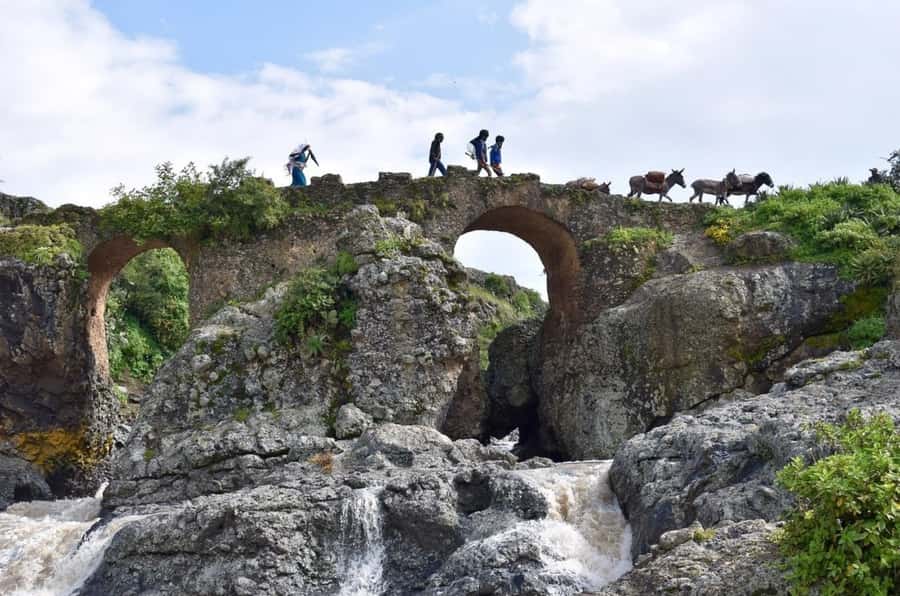
The Portuguese Bridge is a stone-arch bridge built by Ras Darge in the 1890s in a style associated with Portuguese construction. It is reached by a short walk, and the setting is as important as the bridge itself.
The path can be rocky, especially near the gorge. Sturdy walking shoes matter more here than fashionable footwear. Guides can help you over awkward sections, but you still need a reasonable level of balance and comfort on uneven surfaces.
The nearby Jamma River and waterfall views add variety to the stop. You may have time to cross the bridge, look along the river valley, and take photographs. The bridge is not a huge monument in the European sense. Its appeal comes from the stonework, the setting, and the feeling of crossing a route through remote highland country.
This is also one of the spots where a flexible guide helps. Some groups want photographs, others prefer a longer look at the river or a little extra walking. Guides such as Gebru and Haleluya have been praised for adapting the pace when time allows, though road delays can limit that flexibility.
The Blue Nile Gorge delivers the big view
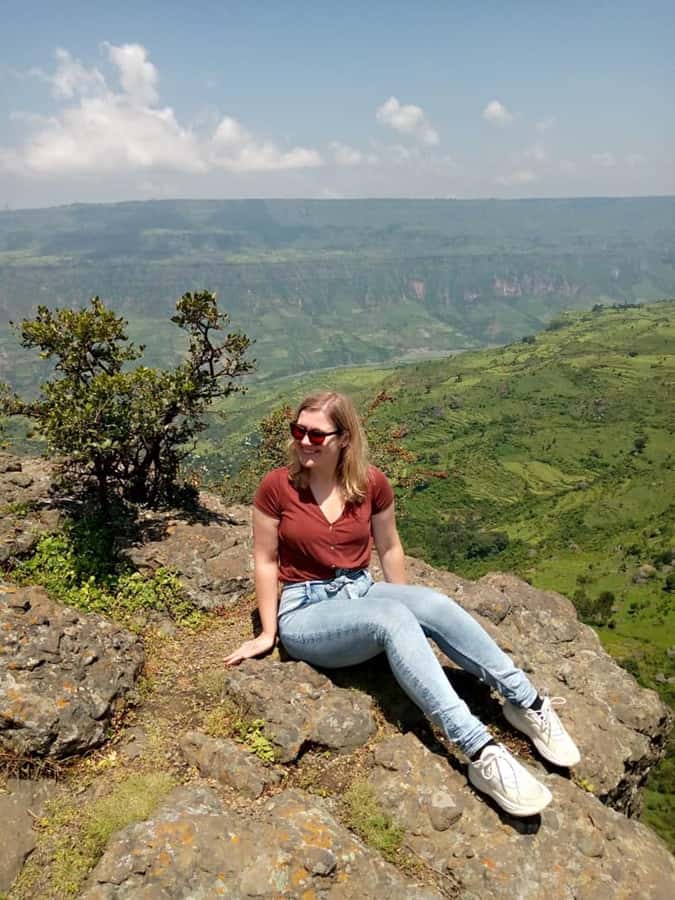
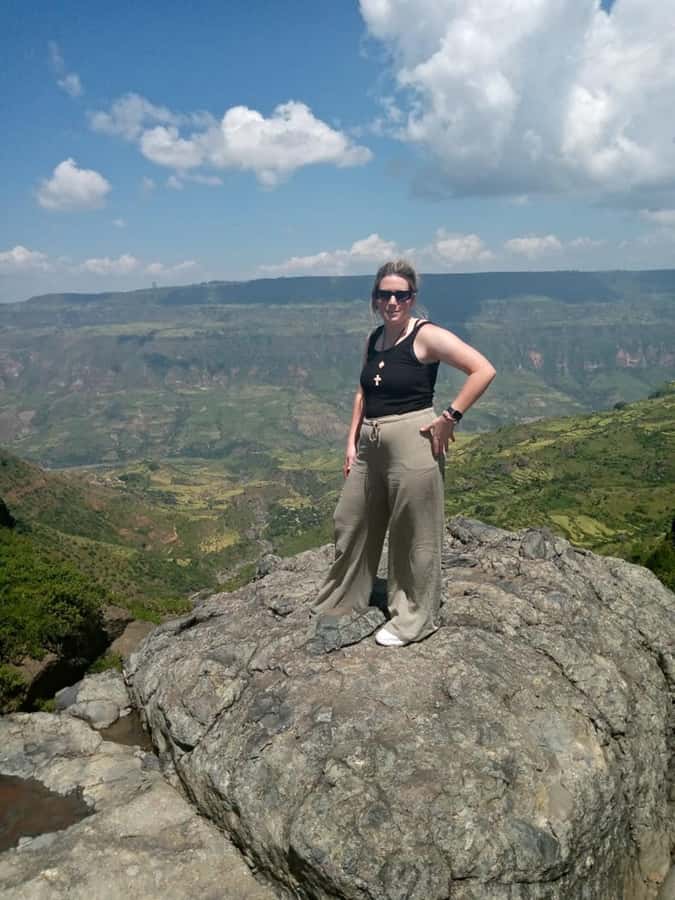
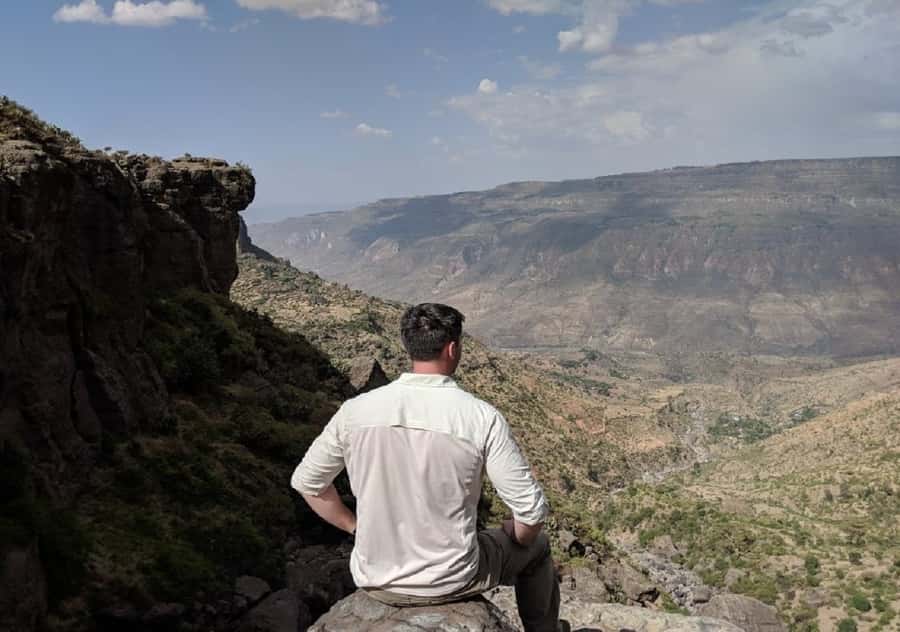
The Blue Nile Gorge is the visual high point of the day. It is often compared with Arizona’s Grand Canyon, though the comparison should not make you expect an identical setting. Here, the reward is a broad Ethiopian mountain view, deep folds in the terrain, and a strong sense of distance.
Take time to look beyond the nearest cliff. The scale can be easy to miss if you only stop for a quick photograph. Weather changes the mood, too. Clear conditions reveal more of the gorge, while clouds and rain can soften the view and make walking surfaces slippery.
This is not a formal viewpoint with a smooth, easy path. Expect stones and uneven ground. If you are steady on your feet, the walk is manageable, and the guide can assist. If you have knee, balance, or mobility concerns, this part deserves serious thought before booking.
The gorge is where the long drive starts to make sense. It is a powerful change from Addis Ababa, and it gives the day its strongest sense of open space. The scenery also keeps changing on the return route, so it is worth staying alert rather than sleeping through every road section.
Finding gelada baboons in the highlands
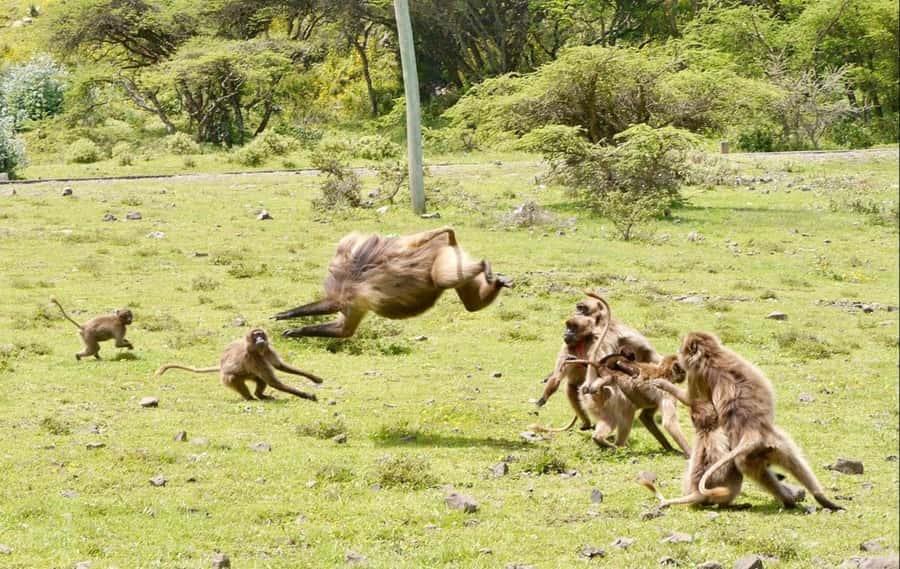
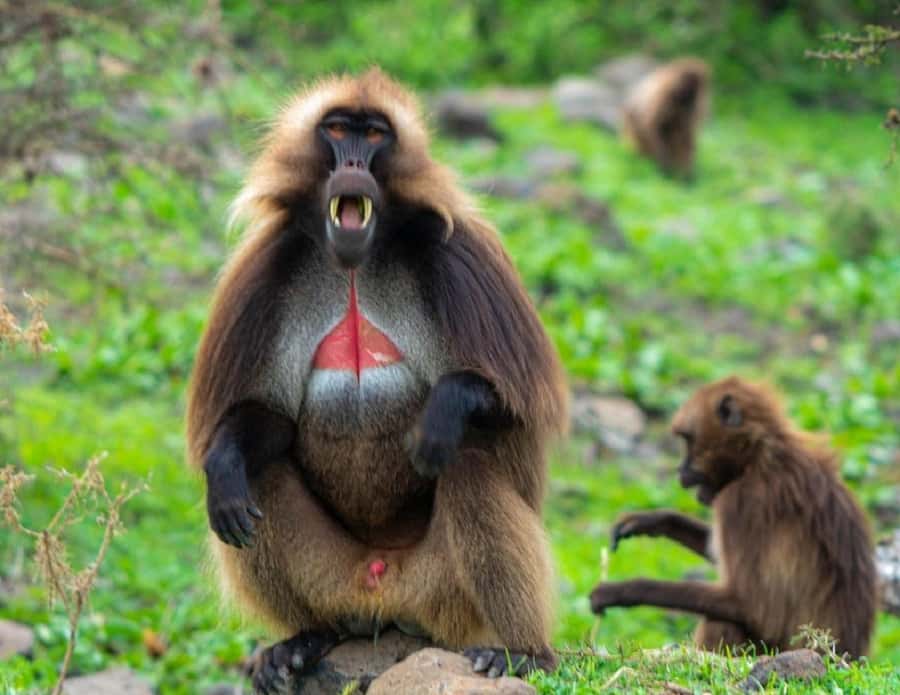
The bleeding-heart baboon, more commonly called the gelada, is one of Ethiopia’s most distinctive animals. This highland primate is known for the reddish patch on its chest, which gives it the name bleeding-heart baboon.
Sightings are not guaranteed, but the route passes through areas where groups may be seen. Several outings have found families close enough for a good look, sometimes along rocky slopes or near the road. Your guide and driver will watch the surroundings, but you should keep your eyes open as well.
Geladas are a major reason to choose this day over a simple church and viewpoint tour. You get a chance to see wildlife without committing to a longer national park trip. Birdlife is also present in the mountain country, including Ethiopian species, though the tour is not designed as a specialist birding excursion.
Do not expect a controlled animal encounter. The baboons are wild, and sightings depend on the day, season, traffic, and where groups are feeding or resting. That uncertainty is part of the appeal.
Transport, timing, and guide quality
The tour uses ground transport from Addis Ababa, with a guide and driver. Guide quality is one of the strongest parts of the experience. Names that appear repeatedly in connection with warm service and clear explanations include Gebru, Abiy, Teka, Desale, Haleluya, and others.
The driver matters just as much. Roads can be rough, and the route includes long sections outside the city. Abiy, Muse, Tadele, and other drivers have been praised for careful handling and helping the day stay on track despite difficult conditions.
Vehicle quality may vary. One outing found the van comfortable and spacious, while another described the vehicle as tired. If you are sensitive to long road journeys, ask about the vehicle when booking and prepare for a full day in the seat.
Traffic on the return to Addis can be heavy. A pickup delay, including a reported fuel problem, can make the final hours feel rushed. I would avoid scheduling an important evening flight unless you have a generous buffer. Airport drop-off is available, but the day can run longer than the advertised eight hours.
For airport pickup, the driver or guide holds a sign with your last name outside the airport near the yellow taxis. For hotel pickup, wait in the lobby about 15 minutes before the planned time.
What to bring and how to dress
Pack lightly, but bring the basics:
- Passport or identification
- Comfortable walking shoes
- Sunglasses, sun hat, and sunscreen
- A scarf for monastery access
- Water, although bottled water is supplied
Your clothing should work for both walking and religious sites. Women should cover well below the knees, and modest dress is the safer choice for everyone inside the monastery.
The high elevation can make the air feel cooler than expected, while direct sun remains strong. Layers are useful, though the supplied information does not specify a required clothing system. The key is comfort, sun protection, and respectful dress.
Is the $94 price good value?
I think it is good value if you want an escorted day outside Addis Ababa and would otherwise need to arrange a private vehicle, driver, guide, site entries, lunch, and water separately.
The strongest value comes from the number of experiences packed into one day: Entoto views, Debre Libanos, a monk-led religious visit, the cave church, lunch, the Portuguese Bridge, the Jamma River, the Blue Nile Gorge, and a chance to see geladas. Entry fees and transport are already handled, which keeps the day simple.
The value is weaker if you dislike long drives or want a slow, deeply detailed visit at each place. You are paying for access and range, not for a leisurely pace. Alcoholic drinks and personal purchases are extra, but those are minor costs beside the transport and guiding.
Free cancellation up to 24 hours before departure and the option to reserve now and pay later add useful flexibility, especially if your Addis Ababa plans may shift.
Who should book this day trip?
I would choose it if you have at least one spare day in Addis Ababa and want to see rural Ethiopia, not only museums and city streets. It suits people who enjoy dramatic views, religious history, wildlife, and a full schedule.
It is also a good choice for solo visitors who want a guide, driver, and planned transport. Several solo participants have valued the feeling of being looked after, and the guides have helped with photographs, local questions, and practical problems.
I would think twice if you are pregnant, have mobility limitations, dislike rough roads, or need a guaranteed return time. The cave and gorge involve uneven walking, and the drive can stretch well beyond eight hours.
Should you book the Debre Libanos and Blue Nile Gorge tour?
Book it if your priority is seeing a lot beyond Addis Ababa in a single day. The geladas, Blue Nile Gorge, Portuguese Bridge, and monastery give the outing real variety, while the guides add context that would be hard to gather alone.
Go in prepared for a long road day, variable vehicle comfort, and a schedule that can tighten if traffic or delays intervene. Wear proper shoes, dress respectfully, and leave room in your evening plans. With those expectations, the tour offers one of the most efficient ways to reach Ethiopia’s highland scenery and culture from the capital.
FAQ
How long does the tour last?
The stated duration is eight hours, but the full day can sometimes take nine or ten hours because of traffic, road conditions, and pickup delays.
How far is Debre Libanos from Addis Ababa?
The route travels about 100 kilometers north of Addis Ababa, with the drive taking much of the day because of traffic and road conditions.
Is hotel pickup included?
Yes. Pickup and drop-off are included at hotels in Addis Ababa. You should wait in the hotel lobby 15 minutes before the scheduled pickup.
Is airport pickup available?
Yes. For airport pickup, the driver or guide holds a sign with your last name outside the airport near the yellow taxis.
What language does the guide speak?
The live tour guide speaks English.
Are entry fees included?
Yes. Entry fees for the included sites are covered.
Is lunch included?
Yes. Lunch, water, and hot drinks are included. Alcoholic beverages and personal expenses are not included.
Will I definitely see gelada baboons?
The route passes through areas where gelada baboons live, and sightings are possible, but the information provided does not guarantee an encounter.
Do I need special clothing for Debre Libanos?
Women should wear clothing that covers well below the knees. A scarf for covering the head inside the monastery is encouraged but optional.
Is the tour suitable for people with mobility impairments?
No. The tour is not recommended for people with mobility impairments because the cave and gorge visits include walking over uneven stone. It is also not suitable for pregnant women.
Just added around the world
- Kakadu, Adelaide & Mary River Scenic Flight★ 5.0 · 18 reviews
- From Split/Omiš Guided White Water Rafting Tour on Cetina River★ 5.0 · 11 reviews
- Darwin: Adelaide River Queen Original Jumping Crocodile Cruise★ 5.0 · 63 reviews
- Canoe safari adventures at Zrmanja river day tour★ 5.0 · 11 reviews
- Rafting in upper part of Cetina river from Split or Blato n/C★ 5.0 · 67 reviews
- Kayaking and mussels tasting at Krka River estuary-private tours★ 5.0 · 13 reviews
- River Challenge Island Tour★ 5.0 · 45 reviews
- Canyoning on Cetina River from Split or Šestanovac★ 5.0 · 173 reviews
Nile Cruises, compared.
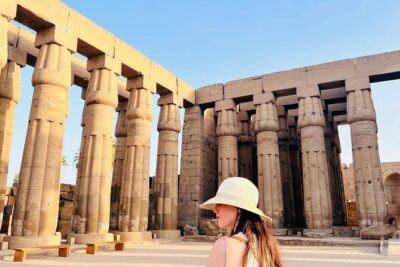
4-Days Nile Cruise From Aswan To Luxor including Abu Simbel and Hot Air Balloon
Read our review →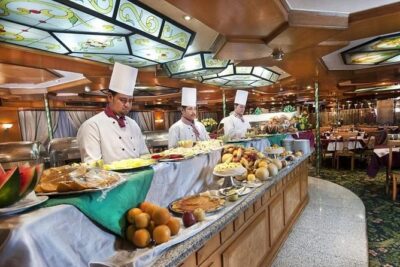
Dinner Cruise on the Nile River with Entertainment
Read our review →
Nile Sunset Dinner Cruise, Show & Optional Transfer
Read our review →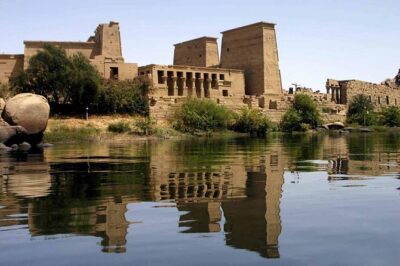
4-Day 3-Night Nile Cruise from Aswan to Luxor&Abu Simbel+Balloon
Read our review →

Nile Dinner Cruise with Belly Dancer Show with Pickup
Read our review →
Browse the lists this tour appears in