
REVIEW · CAIRO
Egypt in 9 Days from Saturday to Sunday including tours and Dahabeya Nile trip.
The most unusual part of this nine-day Egypt trip is the shift from busy roads and famous monuments to two quiet nights aboard a traditional Dahabeya sailing north from Aswan. You’ll see the Pyramids of Giza, Saqqara, the Valley of the Kings, Karnak, Abu Simbel, Philae, Kom Ombo, and Edfu without joining a large coach group. I especially like the private format and the chance to see the Nile at a slower pace. The main catch is cost: at $2,800 per person, you still need to pay for Cairo lodging, flights, and about $150 in site tickets.
The Luxor portion is the strongest link in the chain. Guide Samar is repeatedly praised for clear English, warmth, detailed explanations, and good timing at the Valley of the Kings. You also get useful comforts, including bottled water, snacks on the private sightseeing day, air-conditioned transport, and two nights with meals and soft drinks on the Dahabeya. The schedule is full, though, and early starts, long drives, flights, and train travel leave little room for wandering on your own.
Key points at a glance
- A private route through Egypt’s essential sights: Your group has its own guide and vehicle rather than sharing the day with a large tour party.
- Two contrasting Nile experiences: You spend time in Aswan and Luxor, then sail for two nights on a Dahabeya with meals and soft drinks included.
- Samar is a major strength in Luxor: Her explanations, patience, enthusiasm, and ability to adjust the pace receive the strongest praise.
- Abu Simbel is included in the route: The early excursion adds one of Egypt’s most striking temple complexes, but it makes Day 6 a long day.
- The headline price is not the final price: Site admission, flights, and Cairo hotels are extra, so budget beyond the advertised $2,800.
What this nine-day Egypt route does well
This is not a relaxed resort holiday. It is a fast-moving introduction to ancient Egypt, built around major monuments and several changes of base. You arrive in Cairo, move south to Luxor by air, continue to Aswan by evening train, travel to Abu Simbel, then board the Dahabeya before returning to Luxor and flying back to Cairo.
The private setup matters. You are not trying to hear a guide over a large group or waiting for dozens of people to reboard a bus. Your guide can spend more time on the subjects that interest you, and the vehicle is arranged for your group alone. That makes a real difference at places such as the Valley of the Kings, where a good explanation can help you understand why the tombs were built and how the royal burial system worked.
The schedule also gives you a good mix of headline attractions and quieter movement along the Nile. Cairo brings the pyramids and old churches. Luxor supplies the tombs and temples. Aswan adds Philae and Abu Simbel. The Dahabeya then changes the mood completely, replacing airport and road transfers with meals on board and slow sailing toward the north.
The weak point is the amount of coordination required. You have an arrival transfer, Cairo touring, an evening flight, a hot-air balloon ride, Luxor sightseeing, an evening train, an Abu Simbel excursion, a boat check-in, horse carriage transport at Edfu, a return drive, and another flight. The plan works best for you if seeing a lot matters more than having empty afternoons.
More Nile cruises in Cairo:
- Cairo: Dinner Cruise on the Nile River with Entertainment
★ 4.2 · 2,190 reviews - Cairo: Nile Sunset Dinner Cruise, Show & Optional Transfer
★ 4.1 · 2,184 reviews - Luxury Felucca on the Nile with Lunch
★ 5.0 · 994 reviews
Day 1: Arriving in Cairo without a demanding first day
A representative meets you outside the airport hall with a sign showing your names and takes you to your Cairo hotel. The first day is deliberately free, which is sensible after an international flight.
Your Cairo hotel is not included in the package, so confirm its location and price before you commit. You will want a place that makes the next morning’s pickup straightforward. Since the arrival day has no sightseeing scheduled, use it to rest, sort out local cash, and prepare for an early start rather than trying to add another activity.
Day 2: Giza and Saqqara, Egypt’s first major monuments
After breakfast, you visit the Pyramids of Giza. The tour material gives the date of construction as 2571 BC and notes that the pyramid took roughly 23 to 27 years to build. The scale is the point here. Even with the familiar photographs in mind, standing near the pyramids gives you a better sense of the labor, planning, and ambition involved.
The timing listed for this section is about four hours, with admission not included. You should set aside extra money for the entrance tickets and check exactly which areas are covered by the ticket you buy. The basic site visit and access to additional interiors may not be the same thing.
Saqqara follows, home to Egypt’s oldest pyramid and one of its major early monuments. Pairing Giza with Saqqara is a smart choice because the two places show different stages of pyramid building. Giza delivers the giant, famous forms. Saqqara gives you a closer look at an earlier architectural idea.
Lunch breaks up the morning, then you return to the hotel. Since Cairo sightseeing can be tiring, the private vehicle and direct pickup are useful. You are not spending time collecting other groups from several hotels, though traffic can still affect the day.
Day 3: The Egyptian Museum and Coptic Cairo
Day 3 begins after breakfast and hotel checkout. You visit the old Egyptian Museum, where thousands of objects from across Egypt are displayed. The museum is valuable less for one single room than for the sheer range of material gathered there. A guide can help you avoid wandering past important objects without context.
The visit lasts about six hours in total and includes Coptic Cairo after lunch. The Hanging Church and other Coptic sites connect the city’s ancient story with its Christian period. The route also includes places associated with the Holy Family’s stay in Egypt, giving this part of the day a different tone from the royal monuments.
The order is practical. You see Cairo before flying south in the evening, then meet a representative at Luxor airport and transfer to your hotel. Admission fees are again extra. Your Cairo accommodation is also not included, while the Luxor and Aswan hotel stays are listed as four-star bed and breakfast.
This is a demanding day. You check out, sightsee, eat lunch, fly, transfer, and check in again. Keep your luggage manageable and do not plan a late-night activity after reaching Luxor.
Same river, a completely different day on the water:
- Cairo: Nile Dinner Cruise with Belly Dancer Show with Pickup
★ 4.4 · 835 reviews - Cairo: Dinner Cruise on the Nile River
★ 4.2 · 741 reviews - 2-Hour Nile River Dinner Cruise From Cairo
★ 4.5 · 672 reviews - Private Felucca Ride on the Nile River
★ 4.2 · 537 reviews
Day 4: Sunrise over Luxor and the West Bank tombs
The day begins with an early hot-air balloon ride to watch sunrise over the West Bank monuments. Weather matters here. The balloon element can be canceled or moved if conditions are poor, and the operator says you will be offered a different date or a full refund if the experience is canceled for that reason.
After the balloon ride, you visit the Valley of the Kings. More than 62 tombs have been found there, and the quality of the visit depends heavily on what you are shown and how the decoration is explained. Tomb access can change, and the ticket system may limit which tombs you can enter. Since admissions are not included, ask what the standard ticket covers and what costs extra.
The Mortuary Temple of Hatshepsut is next. Its terraces and strong geometric design make it different from the tombs, and its association with one of Egypt’s most important female rulers adds another useful layer to the day. A short stop at the Colossi of Memnon follows.
The listed touring time is about five hours, not counting every transfer or the balloon ride. Take water, protect yourself from the sun, and wear shoes suited to uneven ground. Bottled water and snacks are provided for the private sightseeing day, which is helpful, but you should still pace yourself.
Samar is the guide most closely associated with this Luxor program. Her strengths are clear explanations, enthusiasm, patience, and the ability to adjust the amount of detail. Several experiences with her include both East and West Bank touring, and she has been particularly praised for arranging visits to the Valley of the Kings at less crowded times. That kind of timing can matter more than another paragraph of facts.
Day 5: Karnak, then south by evening train
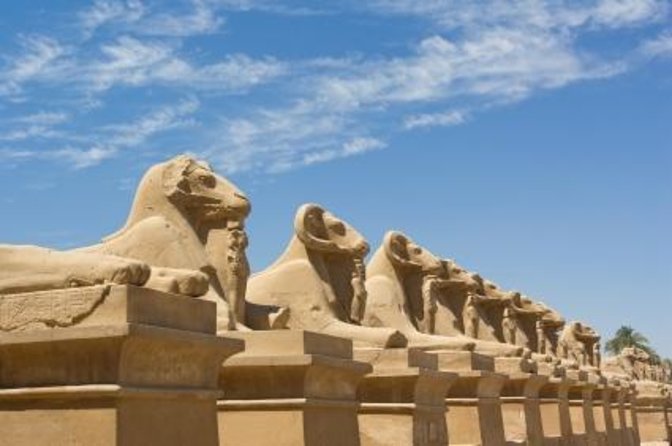
After breakfast and checkout, you visit Karnak Temple. Its great halls, huge columns, and surviving color make it one of the largest and most rewarding temple complexes in Egypt. The scale can be hard to grasp without a guide, so this is another stop where good interpretation earns its keep.
The schedule lists about eight minutes for the stop, which is plainly inconsistent with a full Karnak visit. Treat that figure as a data error and confirm the actual timing before departure. The day includes lunch and an evening train to Aswan, where you check in to your hotel.
This is a transition day as much as a sightseeing day. You are moving from Luxor to Aswan, and the train adds a local form of transport to the route. The plan does not state the train class, departure time, or journey length, so ask for those details in advance. You will want to know how much free time remains after Karnak and before boarding.
Day 6: Abu Simbel and Philae by night
The Abu Simbel trip begins early, making this one of the toughest days physically. The temples were built by Ramses II and are among Egypt’s most impressive monuments. Their scale and setting make the long morning worthwhile, but you should not underestimate the effect of the early departure and return journey.
After returning to Aswan, you have lunch and a break before visiting Philae Temple during the sound and light show. Philae sits on an island and was dismantled and moved to Agilika Island after flooding connected with the Aswan Low Dam. That rescue story gives the site more than its elegant columns and reliefs. You are also seeing the result of a major preservation effort.
The total day is listed at about eight hours, with admission fees not included. Abu Simbel is a major value point in the route because reaching it independently can take planning, but the cost and fatigue are real considerations. If you want a slow holiday, this day may feel too packed. If you want the great monuments, it is one of the days you are least likely to regret.
Day 7: Boarding the Dahabeya and stopping at Kom Ombo
After checkout, you drive to the Dahabeya, board, and begin sailing north. Lunch is served during the journey, and the pace changes from scheduled road transport to time on the water.
In the afternoon, you stop at Kom Ombo Temple, built during the Ptolemaic period for the god Sobek. Its position beside the river makes the arrival part of the experience. The site has scenes and details tied to the temple’s religious purpose, and a guide can help you make sense of the unusual shared layout.
The boat then continues toward Gabal El Silsila, a sandstone quarry that supplied blocks for temples. Chambers cut during quarrying are also associated with different rulers. This is a useful stop because it shows where some of the building material came from, not just the finished monuments.
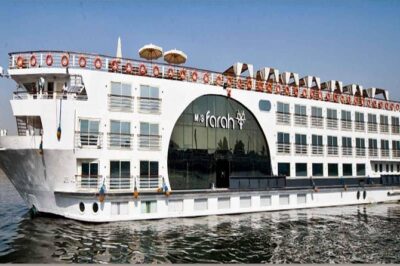
You spend the night on the Dahabeya, with all meals and soft drinks included for the two-night stay. The boat is the trip’s most distinctive feature, but the information provided does not specify cabin size, exact facilities, or the number of passengers. Ask about those points if comfort standards are important to you.
Day 8: Edfu Temple by horse carriage
Breakfast is served while sailing toward Edfu. From the boat, you travel to the temple by horse carriage, an old-fashioned form of transport that adds local character but may not appeal to everyone. The carriage arrangement is part of the planned visit, so ask how long the ride takes and where the pickup point is if mobility is a concern.
Edfu is described as the best-preserved structure in Egypt. Built during the Ptolemaic period and dedicated to Horus, it offers a strong sense of how a complete temple plan looks, with its entrance, halls, columns, and reliefs still easy to follow.
You return to the boat around lunchtime and sail to a nearby island for dinner and the night. This is probably the calmest day of the trip. There is still a scheduled visit, but the Dahabeya provides a welcome break from hotel changes and road traffic.
Day 9: Leaving the river and returning through Cairo
After breakfast, you check out of the Dahabeya and drive for about an hour to Luxor. You then transfer to Luxor airport for the flight back to Cairo, where a representative meets you and takes you to your final destination.
The day is listed at about three hours, but airport procedures and flight timing will shape the actual schedule. Your onward destination is not specified, so allow plenty of margin if you have a separate connection. The package ends after the Cairo transfer, and it does not include the Cairo hotel.
What the $2,800 price really covers
At $2,800 per person, this is a substantial purchase. The value comes from combining private transport, guides, airport transfers, multiple cities, Abu Simbel, the Dahabeya, and organized movement through a complicated route.
Included are an air-conditioned vehicle, two nights aboard the Dahabeya with all meals and soft drinks, and four-star bed and breakfast hotels in Luxor and Aswan. Pickup is offered, group discounts are available, and only your group participates in the private activity.
You must add site tickets, estimated at about $150 per person. Plane tickets are extra, and Cairo accommodation is not included. Those omissions can change the final total sharply, especially if you need a round-trip flight to Egypt and domestic flights between Cairo and Luxor.
I would compare the complete cost, not just the advertised headline price. If you value having someone organize transfers and explain the monuments, the package may be worth the premium. If you already enjoy arranging trains, hotels, and guides yourself, the price may feel high.
The tour has a 4.9 rating from 21 reviews and a 95 percent recommendation rate. The most consistent praise is directed at Samar, particularly for Luxor. That makes the guide assignment worth confirming before you book, since the quality of explanation is central to this experience.
Who should book this Egypt trip?
I would recommend it to first-time visitors who want to cover the major ancient sites in a short period and prefer not to manage every transfer themselves. Families and small groups can benefit from the private vehicle, and the schedule can be adjusted more easily than a large group tour.
It also suits people who want a Dahabeya experience but do not want a long cruise. Two nights on the river provide the atmosphere without taking over the whole holiday.
I would hesitate if you dislike early departures, frequent hotel changes, or long transport days. The Abu Simbel outing and the balloon start require energy, while the Cairo hotel and flights add planning work. The tour is also not ideal if you want several unplanned days in Cairo or Luxor.
Free cancellation is available up to 24 hours before the experience starts. Changes or cancellations inside that window are not refunded, and poor weather can affect the balloon activity.
Should you book it?
Book this trip if your priority is seeing Egypt’s essential monuments with private guiding and a memorable two-night Dahabeya segment. Confirm the guide, the exact flight and train arrangements, cabin details, and the full cost of admissions, Cairo lodging, and air tickets before paying.
Skip it if you want a slower pace or a simpler price. The route is well designed for coverage, not idleness. Its best feature is the combination of private Luxor guiding and time on the river, while its biggest weakness is the packed schedule and the number of important extras left outside the $2,800 price.
FAQ
How long is the Egypt experience?
The trip lasts approximately nine days, from Saturday arrival in Cairo through the following Sunday departure from Luxor to Cairo.
Is this a private tour?
Yes. Only your group participates in the private tour activity, and an air-conditioned vehicle is included.
Which Cairo attractions are included?
The Cairo portion includes the Pyramids of Giza, Saqqara, the old Egyptian Museum, Coptic Cairo, and the Hanging Church.
Are entrance tickets included?
No. Tickets for the listed sites are not included and are estimated to cost about $150 per person.
Are flights included in the price?
No. Plane tickets are not included. The plan includes an evening flight from Cairo to Luxor and a return flight from Luxor to Cairo, but you must arrange and pay for the flights.
Is accommodation in Cairo included?
No. Cairo hotel accommodation is not included. Four-star bed and breakfast accommodation in Luxor and Aswan is included.
What is included on the Dahabeya?
The package includes two nights on the Nile Dahabeya, with all meals and soft drinks included.
Just added around Cairo
- Private Egyptian Felucca Ride On The Nile With traditional lunch★ 4.0 · 63 reviews
- Tour to Giza pyramids Memphis Sakkara and Felucca on the Nile★ 5.0 · 16 reviews
- Private 60 min Felucca Ride on Nile and lunch in Cairo★ 5.0 · 35 reviews
- Cairo Private layover tour Giza pyramids,sphinx&Nile Felucca Boat★ 4.5 · 13 reviews
- 8 Day Stunning Cairo Pyramids and Nile cruise and Hurghada All inclusive★ 5.0 · 43 reviews
- Private Day Tour to Giza Pyramids, Sphinx & Saqqara + Luxury Nile Dinner Cruise★ 5.0 · 12 reviews
- 1 -Hour Sailing Egyptian felucca ride on the Nile in Cairo★ 4.5 · 41 reviews
- Cairo Dinner Cruise show with belly dancer show on Nile river★ 4.5 · 20 reviews
Cairo River Cruises, compared.
Dinner Cruise on the Nile River with Entertainment
Read our review →
Nile Sunset Dinner Cruise, Show & Optional Transfer
Read our review →

Nile Dinner Cruise with Belly Dancer Show with Pickup
Read our review →

1 or 2-Hour Felucca Ride on the Nile with Transfers
Read our review →Browse the lists this tour appears in