
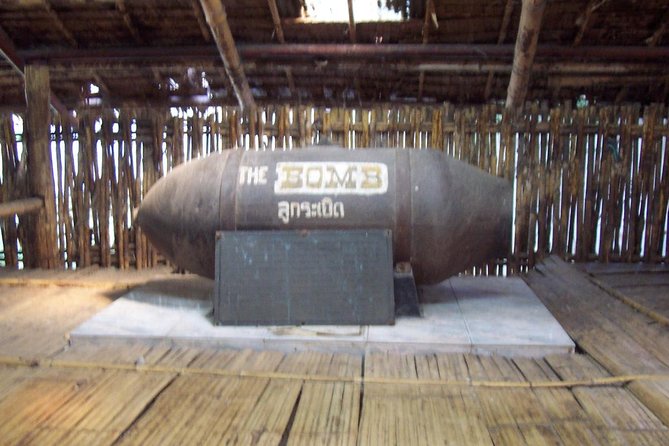
REVIEW · BANGKOK
Train trip death railway Bridge on river Kwai from Bangkok to Kanchanaburi trip
The most moving part of this day is the shift from a quiet Allied war cemetery to the actual railway built by prisoners of war under Japanese direction. I like that the tour connects memorials, museum, bridge, and railway rather than treating the famous bridge as a stand-alone photo stop. I also like the small group limit of 10, which can make a long day easier to manage.
You leave Bangkok at 6:00 am and return around 4:00 pm, so this is a full day with a lot of road time. The main drawback is that the experience depends heavily on transport and tour coordination. One poor experience involved a change of guide during the pickup and an unwell replacement, while another praised guides Rach and 00M for making the history clear and useful.
Key points to know before booking
- The 6:00 am start matters: Early pickup gives you time for Kanchanaburi’s main wartime sites in one day, but you need to be ready before Bangkok fully wakes up.
- The cemetery comes first: You begin at Don-Rak War Cemetery, where the human cost of the Burma Railway is harder to overlook than at the bridge itself.
- The JEATH Museum is a short, focused stop: Allow about 30 minutes for a compact introduction to prisoners of war and the railway’s construction.
- The bridge and train ride tell different parts of the story: The bridge gives you the landmark and river setting, while the train shows how the railway cuts through the countryside.
- A small group can improve the day: The maximum is 10 people, and guides such as Rach and 00M have been praised for clear explanations.
- The price covers a full outing: At $80.67 per person, the value comes from hotel pickup, transport, admission to the listed sites, a train ride, and lunch.
Why this Kanchanaburi day trip matters
The Bridge over the River Kwai is one of Thailand’s best-known wartime sights, but the bridge alone can feel too neat and too photogenic for the painful story behind it. This tour gives you the needed context before placing you beside the river and onto the railway.
The Death Railway was built during the Second World War by Allied prisoners of war and Asian laborers forced to work under Japanese control. The railway linked Thailand with Burma, now Myanmar, and became associated with brutal working conditions, disease, hunger, and mass loss of life. The tour does not ask you to absorb all of that from one plaque. Instead, the sequence of stops builds the subject in stages.
You start with the cemetery, where names and dates make the history personal. Then the JEATH War Museum gives you a short museum visit. After that, the bridge and train ride place you in the physical setting. I like this order because it puts remembrance before sightseeing.
More river and railway trips in Bangkok:
- Bridge on the River Kwai and Thailand-Burma Railway Tour
★ 4.5 · 658 reviews - Bridge on the River Kwai and Thailand-Burma Railway Guided Tour
★ 4.5 · 353 reviews - Bridge over River Kwai and Hellfire Pass Tour with Train Ride
★ 5.0 · 199 reviews
Leaving Bangkok at 6:00 am
Hotel pickup is offered within the Bangkok city area, with the start time listed as 6:00 am. This is not a late-starting city excursion. You are committing to a long day, roughly 10 hours in all, with the return drive beginning at about 3:00 pm.
The early start is practical. Kanchanaburi is outside Bangkok, and the tour needs time for the cemetery, museum, bridge, train, and lunch. An early departure also leaves room for the railway schedule and the drive back.
The tradeoff is simple: you lose part of the morning in Bangkok and spend much of the day on the road. If you want a relaxed morning or dislike long transfers, this may feel tiring. If you have limited time in Thailand and want to see the principal Kanchanaburi sights in one day, the schedule is efficient.
The maximum group size is 10 people. That is a useful middle ground. You are not in a huge coach group, but the experience is still organized as a shared excursion rather than a private tour. The guide can usually speak to a small group more directly, and boarding the train or regrouping at stops should be less awkward than with a large crowd.
Don-Rak War Cemetery and the cost of remembrance
The first planned stop is Kanchanaburi War Cemetery, also called Don-Rak War Cemetery. You have about 50 minutes here, and admission is included.
This is the stop that gives the day its moral center. The cemetery is the main burial place in Kanchanaburi for prisoners of war who died during the construction of the Burma Railway. Rows of graves make the scale of the deaths plain, but the setting is also quiet and orderly. That contrast can be powerful.
Give yourself time to read the names and dates rather than rushing through for photographs. The cemetery is not simply a preliminary stop before the bridge. It helps explain why a railway journey that might otherwise seem scenic is also a visit to a site of suffering.
A guide who handles this stop well can make a real difference. Rach has been singled out for giving plenty of information and making the military history accessible. The best guiding here should be clear and respectful, not theatrical.
Thirty minutes at the JEATH War Museum
The JEATH War Museum follows at about 10:00 am, with roughly 30 minutes scheduled and admission included. The museum focuses on the Death Railway, built from 1942 to 1943 by Allied prisoners of war under Japanese direction as part of the Thai-Burma railway system.
Thirty minutes is enough for an introduction, but not enough for a slow museum study. You should expect a concise visit rather than a full morning among exhibits. That can work well on a day already packed with sites, though anyone who wants extensive historical displays may find the stop brief.
The museum is useful because it supplies background before the bridge and train ride. The railway can look like a pleasant route through rural Thailand, especially in good weather. The museum helps you keep in mind the forced labor and wartime conditions behind its construction.
Use the stop to get the basic timeline and terms clear. Then the remaining parts of the day become easier to understand. The cemetery shows the dead, the museum explains the project, and the bridge and train show the surviving structure.
A few more river trips around Bangkok worth comparing
- Bangkok: Chao Phraya River Hop-on Hop-off Boat
★ 4.5 · 2,990 reviews - From Bangkok: Ayutthaya Day Tour by Bus with River Cruise
★ 4.3 · 1,892 reviews - Ayutthaya Temples and River Cruise from Bangkok
★ 4.0 · 1,692 reviews - Bangkok: River Dinner Cruise on the Chao Phraya Princess
★ 4.2 · 1,651 reviews
Walking across the Bridge over the River Kwai
At around 10:40 am, you visit the River Kwai Bridge. The overall bridge stop is listed as two hours, which appears to include time around the bridge and the following railway experience. The exact time spent walking on the bridge may vary with the group and the train schedule.
The bridge is the visual centerpiece of the outing. You can walk along it, look out over the river, and see the railway as a working piece of infrastructure rather than only a historical object. The setting is scenic, but the subject remains serious.
I like that the tour places the bridge after the cemetery and museum. Seen first, the bridge might become a quick landmark photograph. Seen after the earlier stops, it carries more weight. You are looking at the physical remains of a wartime labor project, not simply checking off a famous attraction.
Take care while walking and stay aware of other people using the bridge. The tour information does not promise a private walk or a quiet viewing area, so expect a public attraction with movement around you. The experience is strongest when you balance photographs with a moment to consider what happened here.
The Death Railway train through the countryside
At about 11:10 am, you board the train for a ride along the Death Railway. This is one of the tour’s most valuable features because it moves the experience beyond monuments and displays.
The train ride lets you see the railway from the route itself. You pass through the countryside and get a sense of the line’s position in relation to the river and surrounding terrain. The views are an important part of the trip, but they should not be mistaken for the whole point.
A train ride also changes your pace. After the cemetery and museum, you are no longer standing and listening to information. You are moving along the route, with time to look outside and think about how the line was built and used.
The railway portion is tied to a schedule, so flexibility may be limited. You should not expect to stop wherever you wish or leave the train for long personal exploration. That is the price of fitting this experience into a single day from Bangkok, and it is also why a well-organized guide matters.
Guide quality can shape this section. 00M has been praised for being helpful and well-informed, while Rach has earned similar praise for clear historical explanations. If your guide gives useful context during the train ride, the scenery becomes far more meaningful.
Lunch with river views
Lunch is provided at a restaurant at about 1:45 pm, after the railway visit. One meal has been described as a buffet with pleasant views over the river.
Included lunch adds practical value to a long day. You do not have to spend time finding a restaurant or worry about missing part of the schedule while ordering. It also gives you a proper pause before the return journey.
Keep your expectations sensible. The available information confirms lunch and a buffet-style meal from one account, but it does not provide a full menu or dietary details. If you have special food needs, check with the operator before booking rather than assuming the meal will suit you.
The restaurant stop also gives you a chance to compare the morning’s quiet memorial sites with the more relaxed rhythm of a group meal. That change is normal on a day trip, though some people may find the shift from wartime remembrance to sightseeing and lunch abrupt.
The return to Bangkok
The group departs the restaurant at about 3:00 pm. With the tour beginning at 6:00 am and lasting about 10 hours, you should expect to return to Bangkok around late afternoon or early evening, depending on traffic.
The return drive is the least exciting part of the day, but it is part of the bargain. You cover a lot of ground and see Kanchanaburi’s main sites without changing hotels. For visitors based in Bangkok, that convenience can be worth the long day.
Transport is also where the clearest caution appears. A complaint described a disorganized guide change during pickup and a replacement guide who appeared ill. Another account raised concerns about the condition of the minivan and the driver. These reports do not define every departure, but they are useful reminders that the quality of the day is not only about the attractions.
At the same time, other experiences praised the guides and called the trip interesting, well organized, and worthwhile. I would treat this as a good-value shared excursion with some operational risk, not as a polished private tour.
Is $80.67 a fair price?
At $80.67 per person, the tour is not the cheapest way to see Kanchanaburi. Its value comes from what is bundled into a single day: Bangkok hotel pickup, transport, a small group capped at 10, admission to the war cemetery and JEATH Museum, access to the bridge visit, the Death Railway train ride, and lunch.
That bundle matters if you are staying in Bangkok and want someone else to handle the long transfer and timing. Arranging the same collection of stops independently would require sorting out transport to Kanchanaburi, local transfers, admission, the train schedule, and food.
The price is less attractive if you already have transport or want to spend more time at one site. The cemetery and museum visits are fairly short, and the 10-hour schedule leaves little room for unscheduled exploration.
The tour is commonly booked about 25 days ahead. That does not guarantee that every date will sell out, but it suggests you should not leave planning until the last moment if your Bangkok dates are fixed.
Who will enjoy this tour most?
I would recommend this outing to you if you want a clear introduction to the Death Railway and prefer a guided day trip over arranging several connections yourself. It suits first-time visitors who want the major Kanchanaburi sites in one outing.
It is also a good fit for people who value historical context. The cemetery, museum, bridge, and train ride create a fuller picture than a quick bridge visit alone. The strongest part of the experience is the connection between place and history.
You may want another option if you dislike early mornings, long road transfers, or fixed schedules. The day has several timed stops, and the train portion cannot simply be extended because you are enjoying the views.
You should also think carefully if transport reliability is your top concern. The small group size is helpful, but the mixed reports about the minivan, driver, and guide change mean you should keep your expectations practical.
Should you book the Bangkok to River Kwai trip?
I would book this tour if you have one free day in Bangkok and want the main Kanchanaburi wartime sites handled in one package. The cemetery and JEATH Museum provide needed context, while the bridge and train ride give you a direct connection to the railway itself.
The strongest reasons to book are the included train journey, small group size, hotel pickup, and guides such as Rach or 00M, who have been praised for making the history understandable. The main reasons to hesitate are the 6:00 am start, long day, fixed schedule, and occasional concerns about transport and coordination.
Free cancellation is available if you cancel at least 24 hours before the start time. If you do book, confirm your Bangkok pickup area, arrive ready for the early departure, and treat the day as a serious history trip with scenic elements, not as a light sightseeing ride.
FAQ
What time does the tour start?
The tour starts at 6:00 am with pickup from hotels in the Bangkok city area.
How long does the experience last?
The tour lasts approximately 10 hours.
What places are visited?
The planned stops include Kanchanaburi War Cemetery, the JEATH War Museum, the Bridge over the River Kwai, and the Death Railway train route through the countryside.
Is the train ride included?
Yes. The itinerary includes a train trip along the Death Railway, with sightseeing through the countryside.
Is lunch included?
Yes. Lunch is provided at a restaurant at approximately 1:45 pm.
Is hotel pickup available?
Yes. Pickup is offered from hotels in the Bangkok city area.
How large is the tour group?
The activity has a maximum of 10 travelers.
Can I cancel for a full refund?
Yes, you can receive a full refund if you cancel at least 24 hours before the experience start time. Cancellations or changes made less than 24 hours before the start are not accepted for a refund.
Just added around Bangkok
- VIVA Alangka River Cruise: Dining & Cabaret Delight★ 3.5 · 15 reviews
- Ancient City & Temples of Ayutthaya ( UNESCO ) by River Cruise with Buffet Lunch★ 4.0 · 11 reviews
- The White Orchid: Chao Phraya Dinner Cruise Experience★ 3.5 · 223 reviews
- Bangkok Opulence Chao Phraya River Dinner Cruise from ICONSIAM★ 4.0 · 135 reviews
- Bangkok Sunset or Evening Dinner Cruise (The Planet Cruise)★ 4.0 · 30 reviews
- Saffron Luxury Dinner Cruise: A Journey on the River of Kings★ 4.5 · 84 reviews
- River Kwai Day Tour from Bangkok: History, Scenic Views & Culture★ 4.5 · 36 reviews
- Royal Princess Dinner Cruise: Bangkok Chao Phraya River★ 3.0 · 107 reviews
Bangkok River Cruises, compared.
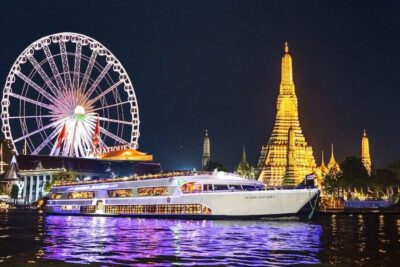
White Orchid Chao Phraya Dinner Cruise free Beer
Read our review →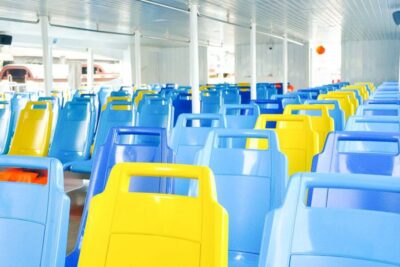
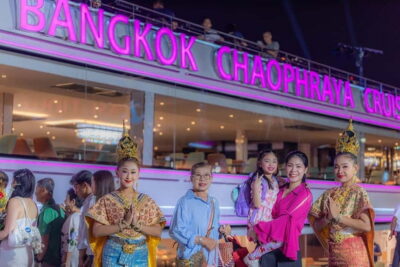
The Newest Luxury 5-Star Bangkok Chao Phraya Cruise
Read our review →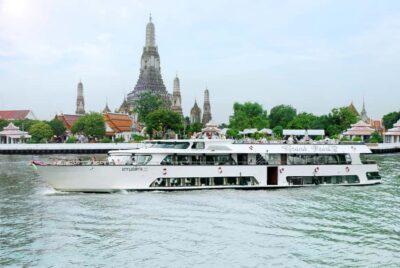
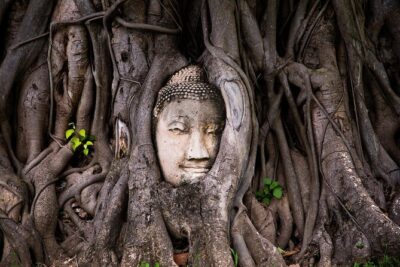
Ayutthaya Temples and River Cruise from Bangkok
Read our review →
River Dinner Cruise on the Chao Phraya Princess
Read our review →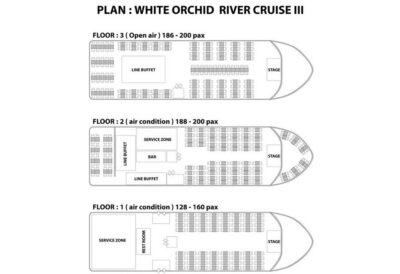
2-Hour Dinner & Shows on White Orchid River Cruise
Read our review →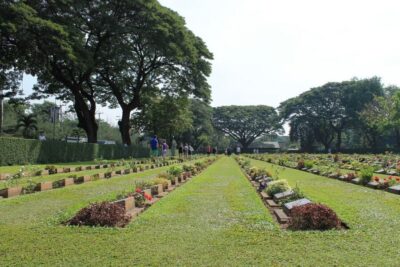
Browse the lists this tour appears in