
REVIEW · ASWAN
Dahabiya Nile Cruise: Aswan to Luxor – 4 Days/3 Nights
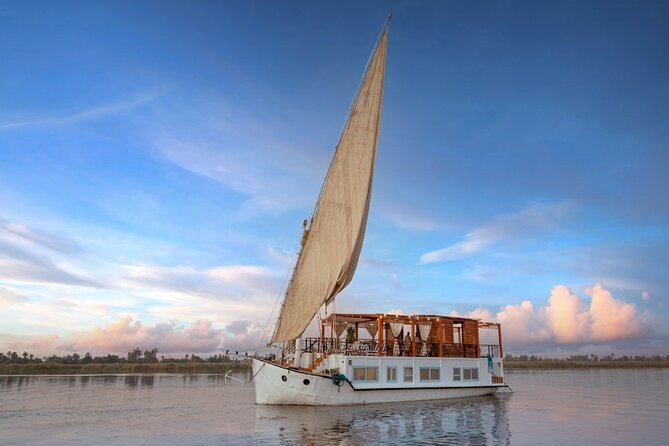
A small dahabiya gives you a far quieter Nile journey than the large hotel boats. You sail close to river islands, watch birds from the deck, stop at places such as Besaw Island, and reach the major temples without giving up three nights of comfort. The route links Philae, Kom Ombo, Edfu, and El Kab with the grand sites of Luxor.
I like the peaceful pace and the fact that meals, transfers, entrance fees, and a private guide are bundled into the price. I also like the personal feel: past trips have included small groups, attentive crew, and guides such as Salem, Aref, Iman, and Mohamed. The main consideration is that a dahabiya moves at a slower pace, and you should confirm the exact boat and cabin before paying, since the vessel can affect the quality of the stay.
Key points to know before booking
- Small-boat Nile sailing: Expect a calmer, more intimate setting than a large river cruiser, with outdoor seating and quiet views.
- Seven major archaeological stops: Philae, Kom Ombo, Edfu, El Kab, the Valley of the Kings, Hatshepsut’s temple, and Karnak are all covered.
- Three nights on full board: Breakfast, lunch, dinner, tea, coffee, and natural water are included.
- Private group format: Only your own group takes part, with pickup in Aswan and drop-off anywhere in Luxor.
- Guiding makes a difference: Guides named in past bookings include Salem, Aref, Iman, and Mohamed, though your assigned guide may differ.
- A $1,123 package: The price is strongest for travelers who value a private vehicle, guide, meals, and a small boat rather than a bare-bones sailing trip.
Why this Aswan to Luxor route feels different
The traditional Nile route between Aswan and Luxor is one of Egypt’s finest stretches for slow travel. A dahabiya, with its low profile and intimate deck space, lets you watch the riverbank at a gentler pace. You are not simply moving between monuments. You have time to notice farmland, palms, islands, fishing activity, birds, and the changing color of the water at sunset.
This trip lasts four days and three nights. It begins with pickup from your Aswan hotel, station, or airport, then ends with a transfer in Luxor to your hotel, train station, or airport. That door-to-door structure matters in Egypt, where coordinating separate taxis and site visits can consume a surprising amount of time.
The price is $1,123 per person. That is not a low-cost Nile option, but the package includes a great deal: three nights aboard the dahabiya, all meals, a professional Egyptologist guide, all listed entrance fees, air-conditioned road transfers, tea, coffee, water, taxes, and the transfer from Esna to Luxor.
I would compare this price with the cost of arranging a private guide, several long car rides, entrance tickets, three nights of lodging, and meals on your own. The value improves for a couple or family that wants one organized booking. It may feel less attractive if you only want transportation and plan to arrange every visit independently.
More Nile cruises in Aswan:
- 4-Days Nile Cruise From Aswan To Luxor including Abu Simbel and Hot Air Balloon
★ 5.0 · 3,142 reviews - 4-Day 3-Night Nile Cruise from Aswan to Luxor&Abu Simbel+Balloon
★ 5.0 · 2,023 reviews - 4-Day 3-Night Nile Cruise from Aswan to Luxor including Abu Simbel, Air Balloon
★ 4.5 · 612 reviews
Day one: Philae, island walking, and Kom Ombo
Your first visit is to Philae Temple, dedicated to Isis. The temple sits on an island and is one of Aswan’s most memorable monuments. Its setting gives it a special quality: the water around the sanctuary is part of the view, not just a backdrop.
Allow about four hours for the first part of the day, including the guided visit and the transition to the boat. Afterward, you board the dahabiya, eat lunch on board, and sail toward a small Nile island for a walk through the countryside.
That island stop is one of the reasons to choose this style of cruise. Instead of spending every hour inside an archaeological site, you get a look at ordinary river life. The walk is also a useful change of rhythm after the morning at Philae. You should expect a simple countryside visit rather than a polished attraction.
Later, you continue toward Kom Ombo. The temple occupies a striking position on a bend in the Nile. It is unusual because it serves two gods: Sobek, the crocodile god, and Horus the Elder. Its double design gives your guide plenty to explain, from the paired sanctuaries to the temple’s connection with crocodile worship.
Plan about two hours at Kom Ombo. The site is especially rewarding near the river, when the temple’s location becomes clear. The visit is not as extensive as a full-day archaeological stop, but two hours is enough to understand the layout and see the major features without turning the first day into a marathon.
After the visit, you return to the dahabiya and continue toward Gebel el Silsila. The first evening is likely to suit you if you want a quiet deck, a meal on board, and time to watch the banks pass without the noise of a large ship.
Day two: Gebel el Silsila and the great temple at Edfu
Day two begins with sunrise from the sundeck and breakfast. The schedule combines one site seen from the river with one major temple visit, which makes good use of the dahabiya’s slower pace.
At Gebel el Silsila, you view the sandstone quarries and rock-cut chapels connected with Horemheb, Seti I, Ramses II, and Merenptah. The itinerary describes this part as a view from the boat, so you should not assume a full shore excursion there. Even from the water, the site helps explain where much of the sandstone used in Egyptian temples came from.
The boat then continues to Edfu. On arrival, you meet your guide for a visit to the Temple of Horus. This is one of Egypt’s best-preserved cult temples, and its strong walls, columns, and reliefs make it easier to picture how an ancient temple worked than many more damaged sites.
Edfu is dedicated to the falcon-headed Horus. Its mythology centers on Horus avenging Osiris by defeating Seth, and your guide can connect the carved scenes with the larger Egyptian stories you have already encountered at Philae and Kom Ombo.
The scheduled visit lasts about two hours. That is enough for a focused tour, though you may wish you had more time if you enjoy reading every inscription. The guide is important here because the scale and repeated imagery can blur together without some help.
The boat moors at Besaw Island for the night. This is another quiet stop rather than a major monument. The appeal lies in the setting and the chance to spend the night away from the main stream of organized sightseeing.
Day three: El Kab and a slower stretch of river
After breakfast, you sail toward El Kab, also known by its ancient name, Nekheb. This old town is among the Nile’s significant archaeological sites, with temple remains and tombs cut into the nearby cliffs.
The visit takes about two hours and comes with a personal guide. El Kab is less famous than Edfu or the Valley of the Kings, which is part of its appeal. You get a more restrained archaeological visit, one where the remains and tombs require attention rather than simply announcing themselves through size.
This day has a lighter sightseeing load. After El Kab, you return to the dahabiya and sail toward Esna. That gives you time to use the deck, rest after two days of temples, and enjoy the river at a more relaxed pace.
I would consider this the most flexible day in the program. If you need a break from long guided explanations, it provides one. If your main goal is to pack in every possible monument, it may feel less full than the final day in Luxor.
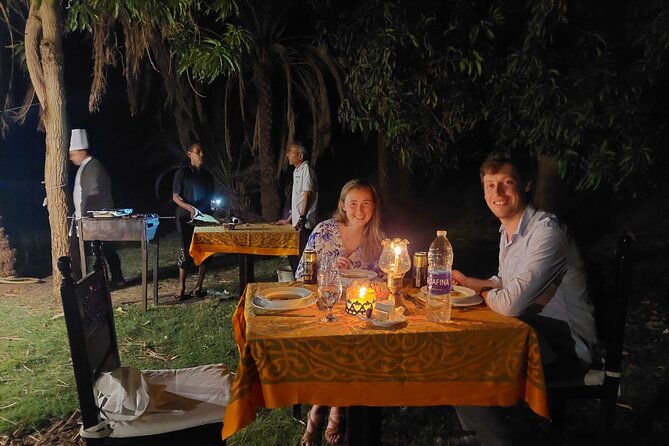
The boat itself matters more on this night. A comfortable cabin, pleasant common areas, and a good crew can make the slower schedule feel like a privilege. Past bookings have praised the polished wood, tasteful seating areas, traditional food, and discreet service. Food needs can also be discussed in advance. One booking specifically notes that vegan meals were handled by the chef, Osama.
A few more river trips around Aswan worth comparing
- From Aswan: 4-Day Nile Cruise from Aswan to Luxor with Guide
★ 4.1 · 593 reviews - 4-Day 3-Night Nile Cruise from Aswan to Luxor – Private Tour
★ 5.0 · 369 reviews - 4 Days Nile Cruise from Aswan to Luxor including Abu Simbel and Hot Air Balloon
★ 4.5 · 356 reviews - 4-Day 3-Night Nile Cruise from Aswan to Luxor With Balloon and Abu Simbel
★ 5.0 · 327 reviews
Day four: the Valley of the Kings and Luxor’s grand finale
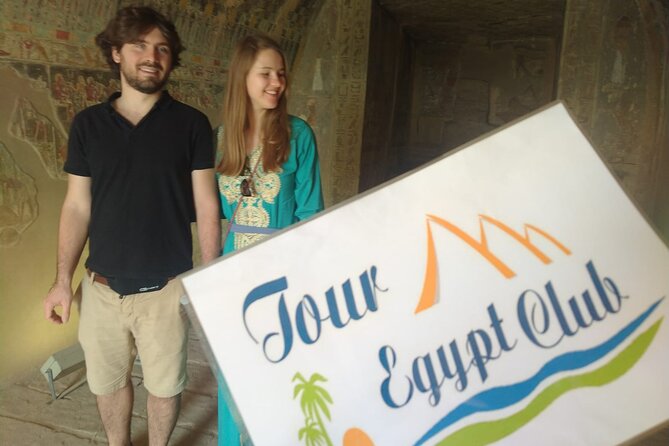
After breakfast, you check out of the dahabiya and continue by air-conditioned vehicle with your guide. The final day packs several major sights into one route, so expect a busy schedule.
The Valley of the Kings is the first major stop. The package includes visits to three tombs, but not the tomb of Tutankhamun. This is an important detail if seeing Tut’s burial chamber is a personal priority. You would need to ask separately about availability and any extra ticket arrangements.
The valley’s importance comes from the tombs rather than surface architecture. Pharaohs of the New Kingdom were buried here, and the decorated corridors show how rulers prepared for the afterlife. Three tombs give you a useful sample, but the exact selection may vary.
Next comes the Temple of Hatshepsut at Deir el Bahari. Hatshepsut ruled for about 20 years during Egypt’s 18th Dynasty and is remembered as the only pharaonic woman to reign in ancient Egypt. Her temple is built in broad terraces against the cliffs, making it one of Luxor’s most recognizable monuments.
The visit is scheduled for about one hour. That is enough to see the main terraces and hear the story of Hatshepsut’s rule, though the site deserves a measured pace if you want to examine its reliefs closely.
You then stop at the Colossi of Memnon. Each statue originally represented Amenhotep III and rises about 18 meters above the plain. The two figures once guarded the entrance to a vast funerary temple, much of which is now being excavated.
This is a short, 30-minute stop. Treat it as a useful orientation to the west bank rather than a full archaeological visit. The statues are easy to see, photograph, and understand quickly.
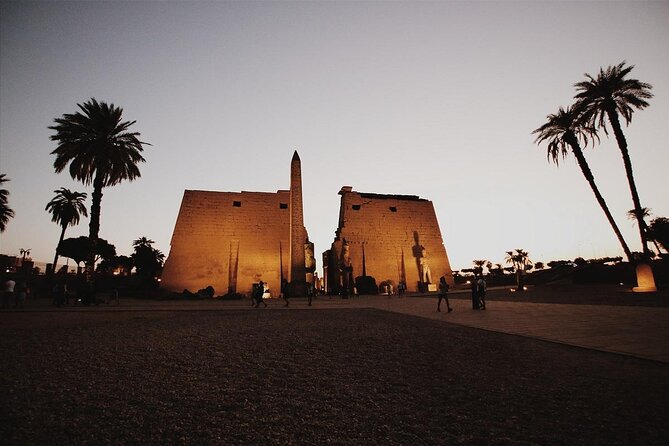
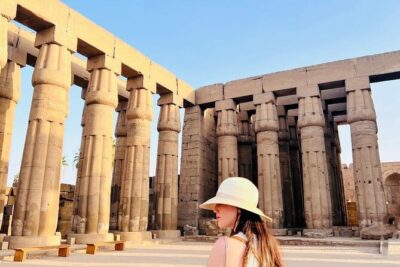
The day ends at Karnak Temple on Luxor’s east bank. Karnak is enormous, covering more than two square kilometers, with pylons, obelisks, sanctuaries, columns, and courts built and altered over roughly 1,500 years. At its center is the Temple of Amun, once the main religious center of Thebes.
One hour is scheduled at Karnak. That is enough to see the core areas with a guide, but the complex can easily absorb much longer. If you are an avid Egyptology enthusiast, the limited time may be the biggest compromise in this itinerary. Still, placing Karnak at the end gives the tour a powerful finish.
Afterward, you are transferred to Luxor and dropped at the place you choose, including the airport, station, or hotel.
Life aboard the dahabiya
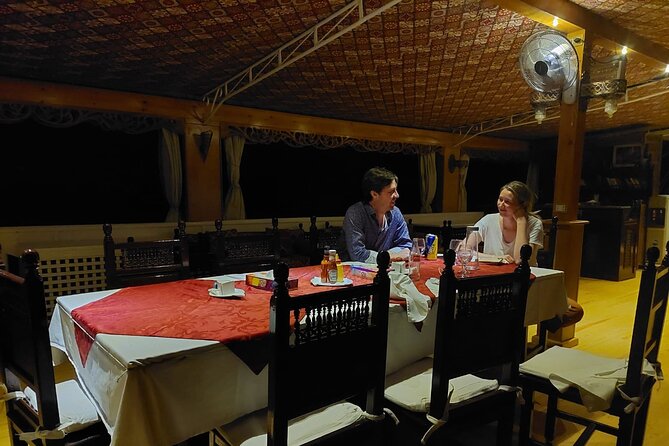
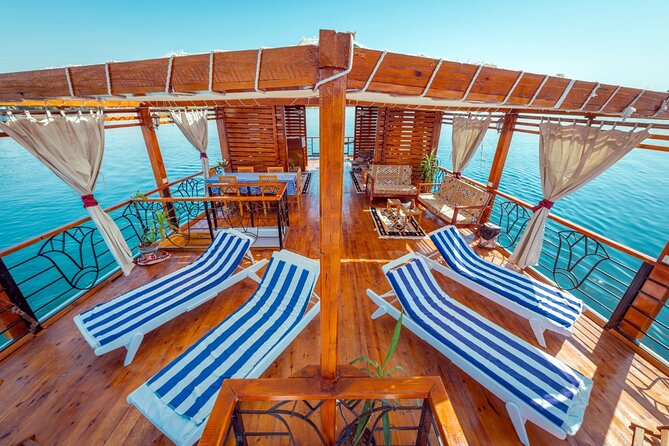
The strongest reason to choose this cruise is the small-boat atmosphere. Past bookings describe cozy cabins, polished wood, comfortable seating, and a crew that pays close attention to details. Meals are traditional, and food has been singled out as one of the best parts of the stay.
The deck is central to the experience. You can watch sunrise, sunset, a full moon, birds, islands, and the banks of the Nile without the constant engine noise associated with larger boats. One important practical point is that dahabiyas may sometimes be towed by a small boat instead of moving only under sail. That can keep the cabins quiet, but it means the journey may not match a strict idea of sailing under canvas every hour.
The crew names reported in past bookings include Ahmed, Hayam or Heyam, and other staff members. Guide names include Salem, Aref, Iman, Mohamed, and Mohamed Salem. Your exact team is not guaranteed, but the personal service element is clearly central to the product.
The private format also helps. Only your group participates, rather than joining a large mixed tour. That can make questions easier and reduce the feeling of being processed through each temple.
What could disappoint you
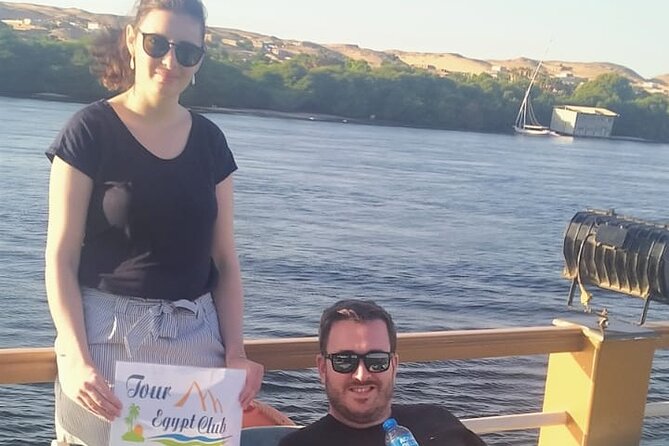
The most important question is the exact boat. The supplied information does not identify a single fixed vessel or cabin category, and past bookings refer to different dahabiyas, including Karnak and a newly remodeled boat. One negative account also describes a serious mismatch between the expected and delivered boat arrangements.
Before booking, ask for the confirmed boat name, cabin photographs, room count, and what happens if the assigned vessel changes. This is not a reason to reject the trip, but it is a sensible check for a $1,123 purchase.
You should also expect early starts, warm conditions, walking over uneven ground, and a full final day in Luxor. The itinerary is private, but it is not leisurely at every point. The last day especially asks you to see the Valley of the Kings, Hatshepsut, the Colossi, and Karnak in one sweep.
Tips and personal expenses are not included. Drinks such as wine and beer have been available on board in some accounts, but the package specifically lists tea, coffee, and natural water, so ask about other drinks before assuming they are included.
Cancellation terms are strict near departure. You receive a full refund when canceling at least six full days before the start time, 50 percent when canceling two to six full days before, and no refund for cancellations within two full days. Poor weather may lead to a new date or full refund.
Who should book this Nile cruise
I would choose this for a couple, family, or small private group that wants the Nile itself to be part of the holiday, not merely a way to reach monuments. It suits you if quiet views, local river scenery, attentive service, and traditional meals matter as much as checking off temples.
It is also a strong fit if you want one company to handle airport pickup, guides, tickets, road transfers, meals, and the final Luxor drop-off. The private format is useful for families and for anyone who wants to ask detailed questions at the sites.
I would hesitate if you want nightlife, resort-style facilities, a large choice of onboard amenities, or long visits at every archaeological site. I would also think twice if you are uncomfortable with a slower boat, early mornings, or the possibility that towing may replace part of the sailing.
Should you book it?
Yes, if you want a quieter and more personal Nile journey with the major Aswan and Luxor sights built in. The 4.7 rating from 32 listed reviews and 94 percent recommendation rate fit the main strengths: crew service, food, guides, birdlife, sunsets, and the peace of a small boat.
Book only after confirming the exact dahabiya and cabin. That one step protects the value of the package. With that detail settled, this is a well-rounded choice for seeing southern Egypt at a human pace, with enough comfort to make the long river days enjoyable.
FAQ
How long is the Dahabiya Nile Cruise from Aswan to Luxor?
The cruise lasts four days and three nights, with accommodation aboard the dahabiya.
Where does the tour start?
The tour starts in Aswan, Egypt. Pickup is offered from an Aswan airport, train station, or hotel.
Where does the tour end?
The tour ends in Luxor. You can be dropped at a Luxor airport, station, hotel, or another chosen location in Luxor.
Which temples and archaeological sites are included?
The itinerary includes Philae Temple, Kom Ombo Temple, the Temple of Horus at Edfu, El Kab, the Valley of the Kings, the Temple of Hatshepsut, the Colossi of Memnon, and Karnak Temple.
Are meals included?
Yes. Breakfast, lunch, and dinner are included for all three days aboard the dahabiya. Tea, coffee, and natural water are also included.
Is this a private tour?
Yes. Only your own group participates in the activity.
Is a guide included?
Yes. A professional Egyptologist guide accompanies the scheduled tours. Guide names associated with past bookings include Salem, Aref, Iman, Mohamed, and Mohamed Salem, but your assigned guide may be different.
Is the tomb of Tutankhamun included?
No. The Valley of the Kings visit includes three tombs, excluding the tomb of King Tutankhamun.
What is included in the $1,123 price?
The price includes three nights aboard the dahabiya, meals, listed entrance fees, an Egyptologist guide, air-conditioned transfers, Aswan pickup, the transfer from Esna to Luxor, tea, coffee, natural water, taxes, and the listed tours. Tips and personal expenses are not included.
Just added around Aswan
- Sailing Nile Cruise from Aswan to Luxor for 2 Nights★ 4.5 · 139 reviews
- 4-Day Nile Cruise: Aswan to Luxor & Abu Simbel + Hot Air Balloon★ 4.5 · 35 reviews
- 4-Days Aswan sails Nile Cruise Luxor &Abu Simbel.Hot air Balloon★ 4.5 · 77 reviews
- Sailing Nile cruise from Aswan for 2 nights★ 4.0 · 11 reviews
- 8 Nights Egypt Tour,Cairo,Luxor,Aswan&Abu Simbel,Nile Cruise,Hot Air Balloon★ 4.5 · 11 reviews
- Sailing Nile cruise from Aswan to Luxor includes tours for 3 nights★ 5.0 · 16 reviews
- 2 nights Nile cruise includes tours from Aswan to luxor★ 4.5 · 64 reviews
- (Wonderful 3-Nights Nile Cruise from Aswan to Luxor & Balloon)★ 4.5 · 17 reviews
Aswan River Cruises, compared.
4-Days Nile Cruise From Aswan To Luxor including Abu Simbel and Hot Air Balloon
Read our review →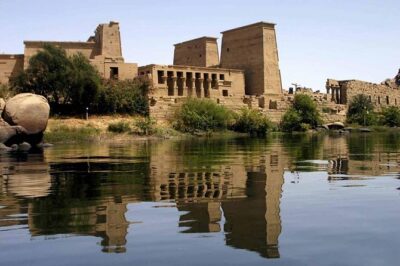
4-Day 3-Night Nile Cruise from Aswan to Luxor&Abu Simbel+Balloon
Read our review →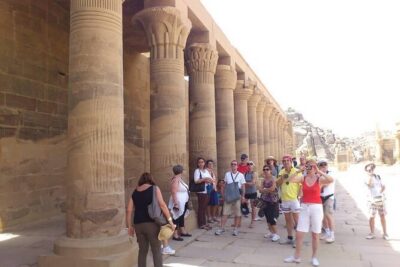
4-Day 3-Night Nile Cruise from Aswan to Luxor including Abu Simbel, Air Balloon
Read our review →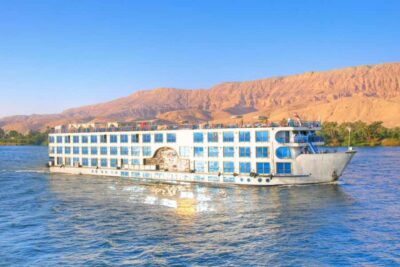
4-Day Nile Cruise from Aswan to Luxor with Guide
Read our review →4-Days Nile Cruise From Aswan To Luxor including Abu Simbel and Hot Air Balloon
Read our review →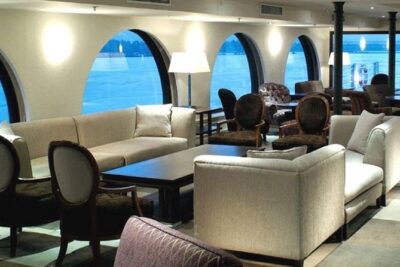
4-Day 3-Night Nile Cruise from Aswan to Luxor – Private Tour
Read our review →4 Days Nile Cruise from Aswan to Luxor including Abu Simbel and Hot Air Balloon
Read our review →
4-Day 3-Night Nile Cruise from Aswan to Luxor With Balloon and Abu Simbel
Read our review →Browse the lists this tour appears in