
REVIEW · ASWAN
4 Days Nile Cruise from Aswan to Luxor
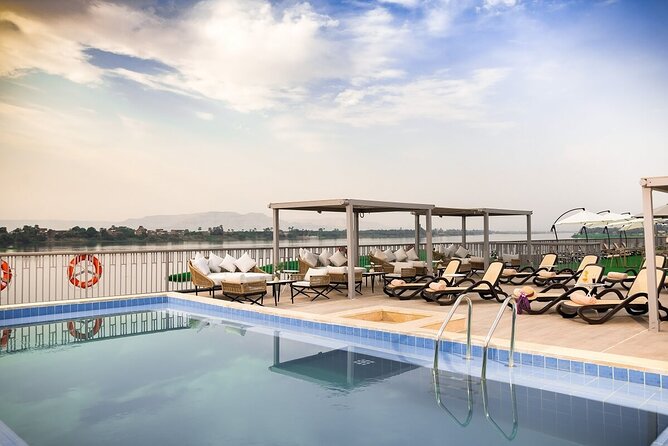
The best part of this Aswan to Luxor Nile cruise is the way it links Egypt’s major ancient sites without making you repack every morning. You wake near the river, visit temples built for Isis, Horus, and Sobek, then finish among the tombs and monuments of Luxor.
I like the practical route and the small-group limit of 15 people. I also like that three nights, meals, transfers, and an Egyptologist guide are included, so you can focus on the sights instead of arranging every taxi and train connection. The main catch is the price of $450.45 per person does not include entrance fees or drinks, and the sightseeing days can feel full.
Key points to know before you book
- Philae begins the journey: Reach the island temple by small motorboat, then pair it with the Aswan High Dam.
- Kom Ombo arrives by river: The cruise brings you directly beside this unusual double temple dedicated to Sobek and Horus.
- Edfu is the most complete temple stop: Its late Greco-Roman construction helps you picture how older Egyptian temples may once have looked.
- Luxor packs in the major sights: You visit Luxor Temple, Karnak, the Valley of the Kings, Hatshepsut Temple, and the Colossi of Memnon.
- The package handles the basics: Three nights, nine included meals, air-conditioned transport, port and hotel transfers, and a qualified Egyptologist guide are covered.
- Budget for admission and drinks: Entrance fees to every listed sight are extra, and water or other drinks on the cruise are not included.
Why this four-day Nile route works
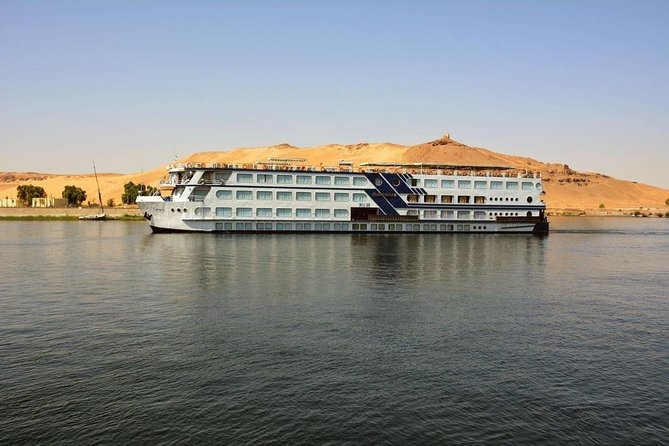
A Nile cruise is useful because the river connects the major temple sites in a natural order. You start in Aswan and move north toward Luxor, instead of losing time on separate road transfers between each attraction.
This route is especially helpful if you are visiting Egypt for the first time. It gives you a clear introduction to ancient Egyptian religion, royal burial customs, and the later Greek and Roman periods, all in four days.
The cruise includes three nights of accommodation, breakfast, lunch, and dinner for three days. Air-conditioned vehicles and transfers are also covered, including pickup from an Aswan airport, train station, or hotel and drop-off at a Luxor hotel, airport, or railway station.
That convenience has real value. At $450.45, the price is not simply paying for a boat bed. You are also paying for transport between sites, a guide, meals, and the coordination needed to move from Aswan to Luxor. Still, calculate your likely admission costs before booking. Every sightseeing entrance fee is extra, and drinks on the boat are not included.
The group can include up to 15 people. That is not a private tour, but it is small enough for a guide to explain details and answer questions without addressing a huge crowd. One reported pairing included Ronda for Philae and the High Dam, followed by Muhammad for Kom Ombo, Edfu, the Valley of the Kings, and the Luxor temples. Guide assignments can vary, but this gives you an idea of the personal attention available.
More Nile cruises in Aswan:
- 4-Days Nile Cruise From Aswan To Luxor including Abu Simbel and Hot Air Balloon
★ 5.0 · 3,142 reviews - 4-Day 3-Night Nile Cruise from Aswan to Luxor&Abu Simbel+Balloon
★ 5.0 · 2,023 reviews - 4-Day 3-Night Nile Cruise from Aswan to Luxor including Abu Simbel, Air Balloon
★ 4.5 · 612 reviews
Day one: Philae and the High Dam in Aswan
Your first transfer takes about 30 minutes from an Aswan airport, train station, or hotel to the Nile cruise. The day then turns to two very different sights: the ancient Temple of Philae and the modern High Dam.
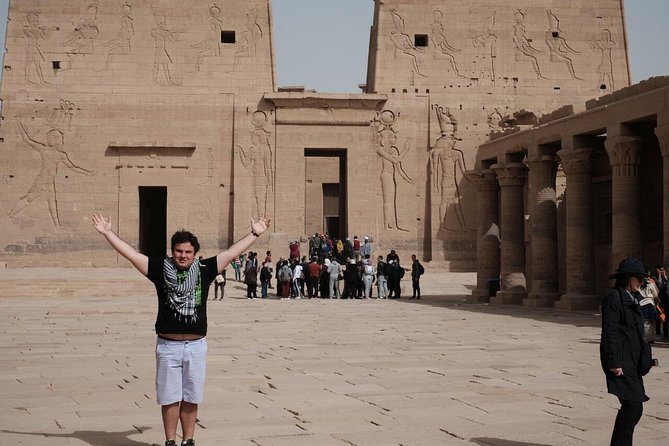
Philae is dedicated to Isis, one of the most important goddesses in ancient Egypt. Reaching it by small motorboat adds a pleasant change from road travel, and the approach lets you see the temple as an island monument rather than as an isolated building beside a parking area.
Plan about two hours at Philae. Your Egyptologist guide should help you read the carvings and understand the temple’s religious purpose, rather than leaving you to wander among columns without context. The admission ticket is not included, so keep extra funds available before the visit.
The High Dam offers a sharp contrast. Completed in 1960, it was built to control the Nile floods and protect communities and farmland. The stop takes about an hour and shows how modern Egypt reshaped its relationship with the river.
I like this opening because it gives you both sides of Aswan. Philae explains the ancient Nile world, while the dam explains the modern one. The drawback is that day one is more of an orientation day than a long temple circuit. If you expect several major monuments immediately, the schedule may feel modest.
Day two: Kom Ombo and the rhythm of the river
Kom Ombo is one of the most memorable stops because the temple sits beside the Nile. Arriving by boat makes sense here. You do not simply drive to an inland ruin and then turn around. The river is part of the setting.
The temple was built during the Ptolemaic period and completed under Roman rule. Its design is unusual because it serves two gods, Sobek and Horus. The plan mirrors itself along a central axis, with each side devoted to a different deity.
Sobek, shown with a crocodile head, was connected with the Nile and fertility. Horus, shown as a falcon-headed god, was one of ancient Egypt’s major protective figures. The paired layout gives your guide a clear way to explain how one temple could serve two religious traditions at once.
The visit lasts about 70 minutes. That is enough time to see the main structure and hear the explanation, but not so long that the heat or crowds become exhausting. Admission is extra.
The river setting is the main reason to value this stop. Kom Ombo may not have the scale of Karnak, but its position gives it a strong sense of place. Look for the contrast between the temple’s stone remains and the water beside it. There are no crocodiles in the river or the old sacred lake today, but Sobek’s presence remains central to the site.
The cruise schedule also matters. You are not spending this day on a long highway transfer. The boat carries you onward, giving you time to rest between visits and watch the Nile scenery. Exact sailing and docking times are not provided, so expect the daily rhythm to depend on the vessel’s schedule.
Day three: Edfu’s giant gateway and Luxor Temple
Edfu is often the architectural highlight of the river route. The Temple of Horus was built during the Greco-Roman period, yet its builders carefully followed the style and plan associated with Egypt’s earlier pharaohs.
That makes Edfu unusually complete. Instead of seeing only broken columns and partial walls, you get a clearer idea of how a large Egyptian temple was organized. The visit lasts about two hours, and that extra time is worthwhile because the site has enough surviving structure to reward a slower look.
Your guide can explain the temple’s connection with Horus and point out how the design reflects older Egyptian traditions. This is one of the places where an Egyptologist adds real value. Without context, the monumental gateway and carved walls can blur together. With a good explanation, the temple becomes easier to read.
Admission is not included. The temple is in the center of modern Edfu, so the setting is more urban than the riverbank position at Kom Ombo. That gives the stop a different feel, but it also means the ancient site is not completely separate from present-day life.
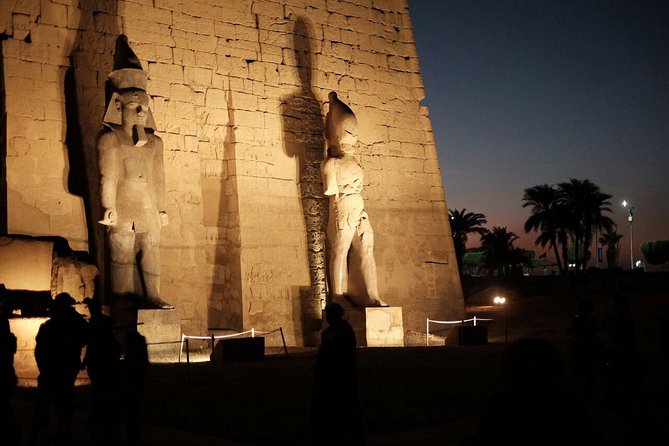
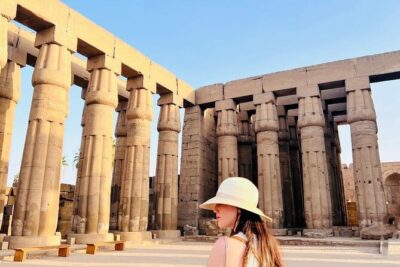
Later, you reach Luxor Temple for roughly two hours. This is one of the best-preserved monuments in Luxor, located in the modern city that occupies the site of ancient Thebes. The temple is especially effective late in a sightseeing program because it introduces you to the scale and ambition of ancient Thebes before the final day’s larger collection of sites.
Luxor Temple is not just a pile of old stones. Its columns, courtyards, and carved surfaces show how rulers added to sacred places over time. Your guide can help separate the work of different periods and explain why the temple mattered to royal ceremony.
The main limitation is the pace. Edfu and Luxor Temple are both substantial stops, and the day includes time on the boat between them. You will see a great deal, but you will not have endless hours at either site. Wear comfortable shoes and keep water close, since drinks are not included on the cruise.
A few more river trips around Aswan worth comparing
- From Aswan: 4-Day Nile Cruise from Aswan to Luxor with Guide
★ 4.1 · 593 reviews - 4-Day 3-Night Nile Cruise from Aswan to Luxor – Private Tour
★ 5.0 · 369 reviews - 4 Days Nile Cruise from Aswan to Luxor including Abu Simbel and Hot Air Balloon
★ 4.5 · 356 reviews - 4-Day 3-Night Nile Cruise from Aswan to Luxor With Balloon and Abu Simbel
★ 5.0 · 327 reviews
Day four: tombs, queens, and the huge scale of Karnak
After breakfast, you check out and cross to Luxor’s West Bank. The first major stop is the Valley of the Kings, where New Kingdom pharaohs cut tombs into the mountains to protect royal burials and their treasures.
The visit takes about two hours. Admission to the valley is extra, and the ticket rules for individual tombs are not detailed here, so ask your guide what is covered before entering. The valley is about what lies underground, not grand buildings above ground. Painted corridors and burial chambers replace the open courtyards of the temples.
The rock setting also explains why the pharaohs chose this area. Their tombs were meant to be concealed and protected, though many were robbed in antiquity. The famous burial of Tutankhamun is associated with the valley, but this tour description does not specify which tombs are included, so do not assume every famous tomb is part of your admission.
Next comes the Colossi of Memnon, with about 40 minutes for the stop. These enormous seated statues once guarded the entrance to a mortuary temple. The temple itself has largely disappeared, but the statues remain an easy and worthwhile photo stop.
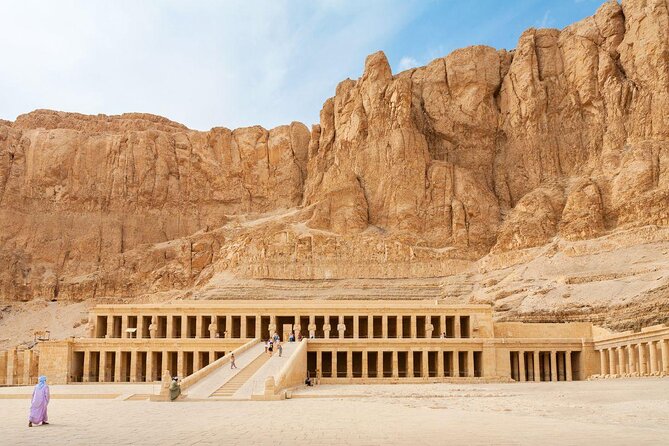
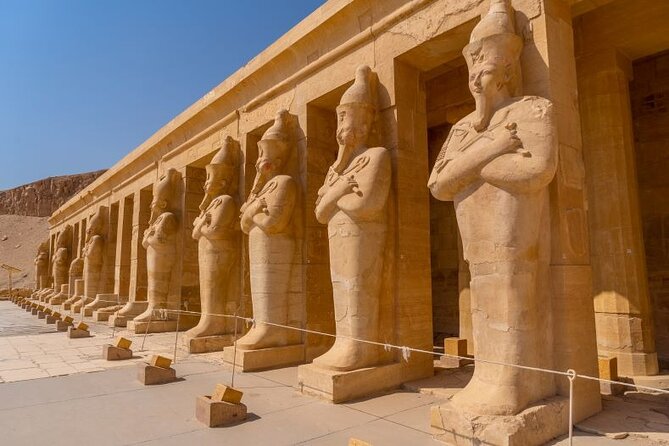
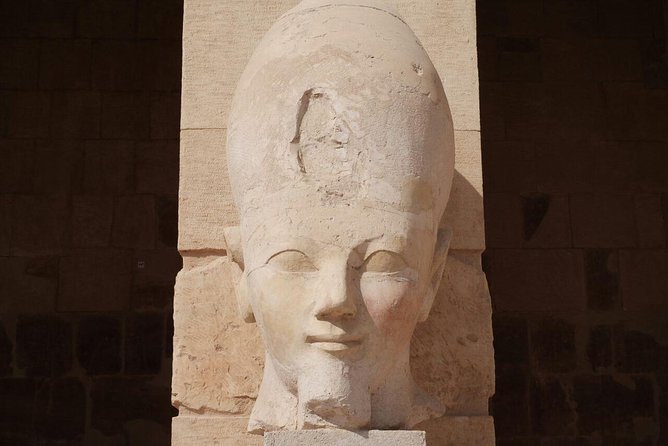
The schedule then takes you to the Mortuary Temple of Hatshepsut at Deir el Bahari. You have about an hour to see the terraces and learn about Hatshepsut, the famous female ruler whose political story involved her nephew. The temple’s stepped design fits tightly against the cliffs, giving the visit a different shape from the broad open courtyards at Luxor and Karnak.
Lunch at a local restaurant is optional on this day. Since only three lunches are listed as included and the fourth-day lunch is described as optional, bring enough money if you want to eat out after the West Bank visits.
The final major stop is Karnak Temple on the East Bank. The complex was built and expanded over roughly 2,000 years and covers about 63 acres. You have about two hours here, but even that is only a first look at a huge site.
Karnak’s columns and obelisks give you the grandest sense of ancient Thebes. This is where the tour’s scale peaks. Walk slowly when you can, and let your guide explain how generations of rulers added their own marks. It is easy to take a few pictures and move on, but the size of the complex deserves a little attention.
The day finishes with transfer to a Luxor hotel, airport, or railway station, usually around 3:00 to 4:00 p.m. That afternoon departure is useful if you are continuing by train or flight, though you should not book a tight connection without allowing for traffic and schedule changes.
Meals, rooms, and what the price really covers
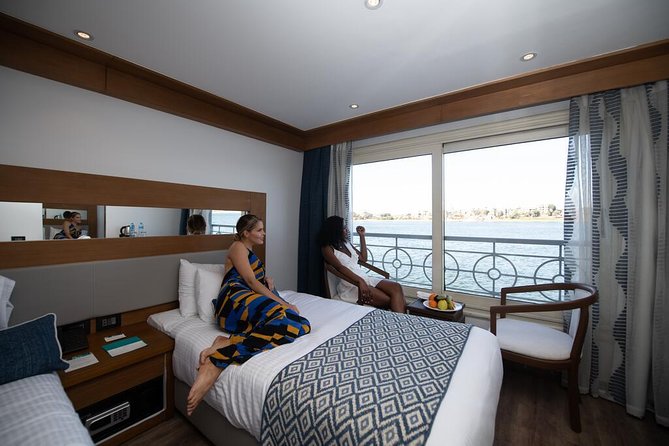
The package includes three nights of accommodation aboard the cruise and three breakfasts, three lunches, and three dinners. That removes much of the daily planning, though it does not cover water or other drinks.
Food preferences matter. A vegetarian option is available, but you need to request it when booking. The information does not specify cabin type, meal menus, or the exact cruise ship, so ask those questions if your accommodation standards are a deciding factor.
The included transport is by air-conditioned vehicle with qualified drivers. Transfers cover the main arrival and departure points listed for the tour, plus hotel and port drop-off. This is valuable in Aswan and Luxor, where arranging separate rides around a full sightseeing schedule can be tiring.
Entrance fees are the largest extra cost to plan for. Philae, the High Dam, Kom Ombo, Edfu, Luxor Temple, the Valley of the Kings, Hatshepsut Temple, and Karnak are all listed with admission not included, except the free transfer or photo stops where noted. Keep Egyptian currency or an accepted payment method available, but the exact payment arrangements are not provided.
Who should choose this cruise?
I would choose this for a first visit to Egypt when you want the main Nile corridor in one organized trip. It suits you if you value a guide, included transfers, and a steady route more than complete freedom to set your own hours.
It is also a good fit if you want to combine sightseeing with periods of rest on the river. You see many major sites in four days without changing land hotels each night.
I would think twice if you prefer long, quiet visits at each monument. The schedule is efficient, not leisurely. I would also compare the final cost carefully if you are traveling on a strict budget, since entrance fees and drinks are extra.
The tour is recommended for most people who can participate in ordinary sightseeing, and the maximum group size is 15. Free cancellation is available up to 24 hours before the start time. Changes or cancellations made less than 24 hours before the start time are not accepted for a refund.
Should you book the Aswan to Luxor cruise?
Book it if you want a practical introduction to the Nile, especially if this is your first time in Egypt. The route covers Philae, Kom Ombo, Edfu, Luxor Temple, Karnak, the Valley of the Kings, Hatshepsut Temple, and the Colossi of Memnon while including accommodation, meals, transfers, and an Egyptologist guide.
Before paying, ask about the exact cruise vessel, cabin arrangements, entrance-fee costs, and which tombs are available in the Valley of the Kings. If those details fit your budget, the four-day route offers a solid way to connect Aswan and Luxor with less logistical work.
FAQ
How long is the Nile cruise from Aswan to Luxor?
The cruise lasts approximately four days and includes three nights of accommodation.
Where can pickup take place in Aswan?
Pickup is available from Aswan Airport, Aswan train station, or Aswan hotels.
Where does the tour finish?
The final transfer can take you to a Luxor hotel, Luxor Airport, or Luxor railway station.
Are entrance fees included?
No. Entrance fees to the listed sightseeing locations are not included in the tour price.
Are meals included?
The package includes three breakfasts, three lunches, and three dinners.
Are drinks included on the cruise?
No. Water and other drinks on the cruise are not included.
Is a vegetarian meal available?
Yes. A vegetarian option is available if you request it when booking.
How many people can join the group?
The group can have a maximum of 15 people.
Can I cancel for a refund?
Yes. You can cancel at least 24 hours before the experience start time for a full refund. Cancellations or changes made less than 24 hours before the start time are not accepted.
Just added around Aswan
- Sailing Nile Cruise from Aswan to Luxor for 2 Nights★ 4.5 · 139 reviews
- 4-Day Nile Cruise: Aswan to Luxor & Abu Simbel + Hot Air Balloon★ 4.5 · 35 reviews
- 4-Days Aswan sails Nile Cruise Luxor &Abu Simbel.Hot air Balloon★ 4.5 · 77 reviews
- Sailing Nile cruise from Aswan for 2 nights★ 4.0 · 11 reviews
- 8 Nights Egypt Tour,Cairo,Luxor,Aswan&Abu Simbel,Nile Cruise,Hot Air Balloon★ 4.5 · 11 reviews
- Sailing Nile cruise from Aswan to Luxor includes tours for 3 nights★ 5.0 · 16 reviews
- 2 nights Nile cruise includes tours from Aswan to luxor★ 4.5 · 64 reviews
- (Wonderful 3-Nights Nile Cruise from Aswan to Luxor & Balloon)★ 4.5 · 17 reviews
Aswan River Cruises, compared.
4-Days Nile Cruise From Aswan To Luxor including Abu Simbel and Hot Air Balloon
Read our review →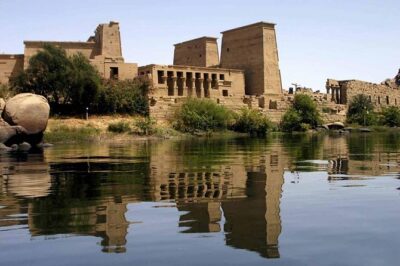
4-Day 3-Night Nile Cruise from Aswan to Luxor&Abu Simbel+Balloon
Read our review →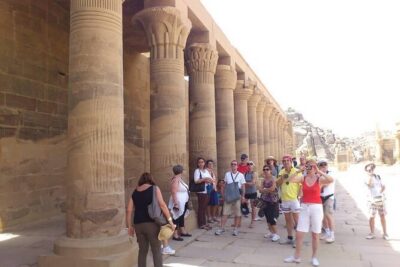
4-Day 3-Night Nile Cruise from Aswan to Luxor including Abu Simbel, Air Balloon
Read our review →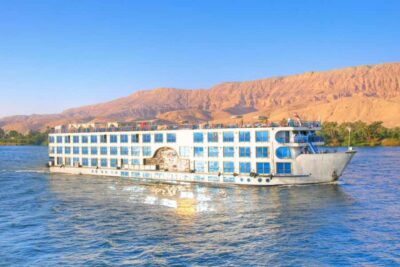
4-Day Nile Cruise from Aswan to Luxor with Guide
Read our review →4-Days Nile Cruise From Aswan To Luxor including Abu Simbel and Hot Air Balloon
Read our review →
4-Day 3-Night Nile Cruise from Aswan to Luxor – Private Tour
Read our review →4 Days Nile Cruise from Aswan to Luxor including Abu Simbel and Hot Air Balloon
Read our review →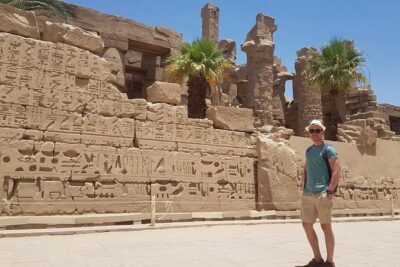
4-Day 3-Night Nile Cruise from Aswan to Luxor With Balloon and Abu Simbel
Read our review →Browse the lists this tour appears in