REVIEW · RIVER
Cape Coast Castle, Assin Manso Slave River and Door of No Return
Cape Coast Castle and Assin Manso Slave River Park bring Ghana’s history into sharp focus. You move from the castle’s cramped past to the river where enslaved Africans were prepared for sale and transport, with guide Ruby or Kwame Divine helping explain the meaning behind each place. Cape Coast Castle is not a quick photo stop. Give it your full attention.
I like that this is a private tour, so your group can set the pace and ask direct questions. I also like the pairing of the castle with Assin Manso. One shows the machinery of enslavement, while the other connects that history to a specific place of memory and ritual.
The main drawback is the long day from Accra. With an early 6:00 am start, several hours on the road, a two-hour visit at each main stop, and lunch at Hans Cottage, you need energy and a willingness to spend most of the day away from the capital.
Key points to know before booking
- Cape Coast Castle takes about two hours: Expect a serious visit to a World Heritage Site linked to the trans-Atlantic slave trade.
- Assin Manso adds a personal, emotional layer: The Slave River Park includes a ritual experience and a closer look at the journey of enslaved people.
- Ruby and Kwame Divine guide the experience: Ruby is described as warm and friendly, while Kwame Divine is noted for a tactful, powerful presentation.
- The tour is private: Only your group participates, which makes it easier to ask questions and discuss difficult subjects.
- Lunch and road time are included: The full day includes lunch at Hans Cottage Crocodile Botel.
- Start early from Accra: The 6:00 am departure helps fit Cape Coast and Assin Manso into an 8 to 10-hour day.
Why Cape Coast and Assin Manso belong together
A visit to Cape Coast Castle can be powerful, but the castle alone gives you only part of the story. The structure is the most visible reminder of European control along Ghana’s coast, while Assin Manso takes you inland to a place tied to the movement and treatment of enslaved Africans.
That combination gives the day a clear shape. At the castle, you learn how the fort worked as a holding and transport point. At Assin Manso, you encounter a place connected to the people who were forced through this system. The result is more affecting than a simple sightseeing loop.
The tour also includes general background on Ghana, the Central Region, and the Fante people, who are a major population in the area. You may also spend time around a fishing community on the Central Coast, giving the day some connection to present-day life rather than leaving you with only the past.
This is not light entertainment. The subject is painful, and some parts may be difficult to hear. That is also why the guide matters so much. A good guide can provide facts without turning suffering into a performance.
A few more river trips around the world worth comparing
- London: Westminster to Greenwich River Thames Cruise
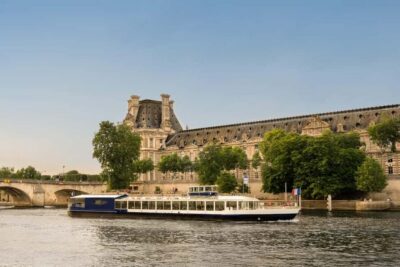
★ 4.5 · 22,836 reviews - Paris: Evening River Cruise with Music
★ 4.4 · 22,721 reviews - From Porto: Douro Valley w/ Boat Tour, Wine Tasting & Lunch
★ 4.7 · 19,061 reviews
Leaving Accra at 6:00 am
The day begins early. The listed start time is 6:00 am, and the total experience lasts about eight to ten hours. That timing is important because Cape Coast is outside Accra, and the road portion takes up a large part of the day.
Pickup is offered, and the activity is set up as a private trip for your group. You receive confirmation when you book, and a mobile ticket is available. The tour is also near public transportation, although pickup may be the simplest option for an early departure.
I would treat the morning as part of the tour, not as dead time. The drive takes you out of Accra and toward Ghana’s Central Region. You get a sense of how much ground the historical system covered, from inland communities toward coastal forts and ships.
The early start has a clear benefit: it leaves enough room for both major stops. The tradeoff is simple. If you want a relaxed morning or dislike full-day road trips, this may feel demanding.
Cape Coast Castle and the weight of the place
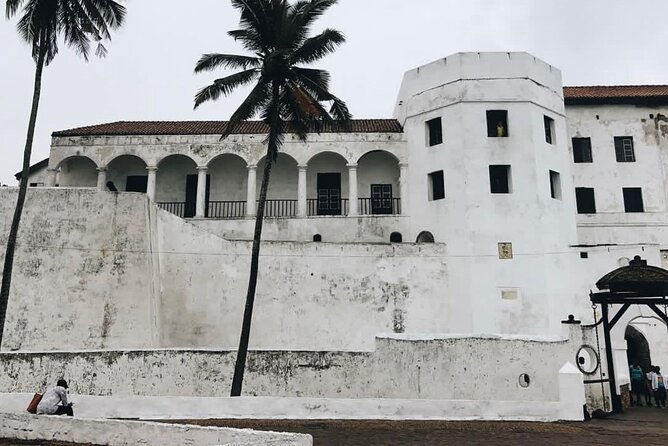
The first major stop is Cape Coast Castle, with about two hours set aside for the visit. The castle was established by Swedish colonists and built by enslaved people in the 1650s. It later became part of the system used to hold and transport Ghanaians and other West Africans to European destinations.
That history is why the building can feel so unsettling. It is not just an old fort with sea views. Its walls and rooms were part of a system that treated people as cargo. You are asked to look at the physical setting and connect it with the human cost behind it.
A guide can help you follow the story in the right order. You learn about the castle’s origins, its role in the slave trade, and the Central Region around it. If Ruby is leading your day, expect a friendly and engaged guide who can make room for questions. If Kwame Divine is guiding, his delivery has been described as powerful but tactful, a useful balance for such a painful subject.
Two hours is a sensible amount of time. It gives you room to listen, look closely, and process what you are hearing without rushing from room to room. It also means you should not expect a short stop followed by an immediate return to the vehicle.
The castle visit may be especially meaningful if you are tracing family roots or seeking a stronger connection to West African history. The tour provider describes the Cape Coast visit as a way to connect with your roots, and the private format lets you discuss that personal side more openly than you might in a large group.
Assin Manso Slave River Park and the ritual experience
The second main stop is Assin Manso Ancestral Slave River Park, with about two hours planned there. This visit takes you away from the coast and toward a place associated with the forced movement of enslaved Africans.
The river is the focus. The experience is described as emotional and includes a powerful ritual. That ritual gives the stop a different character from Cape Coast Castle. The castle helps you understand the structure and operation of the trade. Assin Manso asks you to think about the people who passed through it.
I would not rush this part. The point is not to collect another attraction for your itinerary. It is to pause, listen, and allow the place to carry some meaning. The guide’s tone matters here, and Kwame Divine is specifically praised for presenting the subject with care and strength.
This stop may be the most moving part of the day for people seeking heritage experiences. It is also the portion most likely to feel personal, especially if you have family ties to Ghana or the wider African diaspora.
The tour description does not provide every detail of the ritual or explain exactly how it is conducted. That is useful to keep in mind when setting expectations. You should expect a serious, emotional visit, but not assume a particular ceremony beyond the information provided.
Same river, a completely different day on the water:
- Chicago Architecture River Cruise
★ 5.0 · 15,756 reviews - Complete Douro Valley Wine Tour with Lunch, Wine Tastings and River Cruise
★ 5.0 · 12,920 reviews - Paris: Illuminations River Cruise with Audio Commentary
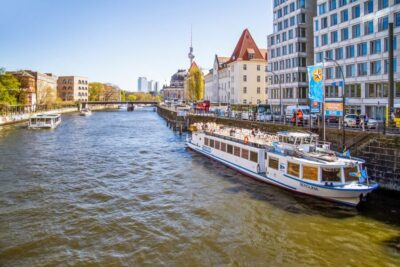
★ 4.3 · 12,340 reviews - Berlin: Boat Tour Along the River Spree
★ 4.4 · 11,252 reviews
Meeting the Central Coast beyond the monuments
The day is not limited to castles and memorial sites. The experience also includes contact with the culture of a fishing community on the Central Coast. This adds a present-day dimension to a tour that could otherwise focus entirely on historical trauma.
That contrast matters. You may spend part of the day learning about forced movement, imprisonment, and loss, then see how coastal communities continue to live and work. The fishing culture gives you a glimpse of local life as it exists now, rather than presenting Ghana only through colonial buildings.
The information provided does not promise a set amount of time or a detailed workshop in the fishing community. Think of it as one of the local elements included in the broader Central Region visit, not a separate formal attraction with a fixed program.
The tour also includes general information about Ghana and the Fante communities of the region. If you want only the two headline sites, this may feel like extra material. I see it as useful context, since the castle and river are part of a living region, not isolated museum pieces.
Lunch at Hans Cottage Crocodile Botel
Lunch at Hans Cottage Crocodile Botel is included in the total duration. That is a practical advantage on a long private day, since you do not need to arrange a separate midday meal while moving between the main sites.
The information provided does not specify the menu, meal length, or whether lunch is included in the $180 price as a separate line item. It does confirm that lunch and travel time at Hans Cottage are part of the tour day.
The stop also breaks up the emotional intensity of the castle and river visits. You can eat, rest, and regain your focus before continuing. On a full-day outing, that pause is not a minor detail.
Because the tour has several moving parts, I would not plan an important evening activity immediately afterward. The advertised duration is approximately eight to ten hours, and traffic or road conditions could affect the return to Accra.
What the private format changes
This is a private tour, meaning only your group participates. That makes a real difference on a subject that can raise personal, difficult, or family-specific questions.
With a private guide, you can ask for more explanation at Cape Coast Castle, spend longer with a point that matters to you, or discuss the historical context without worrying about a large group’s schedule. The guide can also keep the day focused on your interests, within the fixed timing of the tour.
The private format is especially valuable for families, friends, and heritage-focused visitors. Ruby is named as one of the guides, and her friendly approach may suit people who want a more personal day. Kwame Divine is also named and is associated with a careful, strong presentation of the subject.
There is one practical limit. Private does not mean flexible in every detail. Cape Coast and Assin Manso are far enough from Accra that the road time still shapes the day. You get control over the conversation and group experience, but not a short transfer.
Is $180 a fair price?
At $180 per person, this is not a low-cost day trip. The value depends on what you want from the experience and how many people are in your group.
The price includes a private tour, pickup offered, a guide, admission to Cape Coast Castle, lunch at Hans Cottage, and the long round trip from Accra. It also combines two major heritage locations with local cultural elements. For a small group that values a dedicated guide, those inclusions can make the price reasonable.
If you are comparing it with a simple shared transfer or an independent visit, you may find cheaper options. But those alternatives may not include the same level of guiding, the Assin Manso visit, lunch, or the convenience of having one private arrangement for the full day.
I would judge the price by the quality of the day, not just the number of attractions. The castle and river are the heart of the experience, and the guide’s handling of the subject is crucial. Ruby and Kwame Divine are both specifically connected with a thoughtful, engaging presentation, which is an important part of the value here.
Who will get the most from this tour?
I would recommend this day to you if you want serious heritage tourism rather than a quick coastal excursion. It suits people with an interest in Ghanaian history, the trans-Atlantic slave trade, ancestry, and the continuing meaning of memorial sites.
It is also a strong choice for families or private groups. The ability to travel together, ask questions, and shape the discussion is more useful here than it would be on a simple sightseeing bus.
You should think carefully before booking if you want a slow holiday morning, dislike long road journeys, or prefer light attractions. The subject is heavy, the start is early, and the day can last ten hours.
Most people can participate, and service animals are allowed. The tour is near public transportation, and pickup is offered. The supplied information does not give detailed accessibility specifications, so contact the provider before booking if you need particular mobility arrangements.
Booking and cancellation details
You receive confirmation at the time of booking, and the tour uses a mobile ticket. The experience is booked around 30 days in advance on average, so leaving your plans until the last moment may not be wise.
Free cancellation is available if you cancel at least 24 hours before the local start time. Cancellations within 24 hours are not refunded, and changes made within that period are not accepted.
That policy is fairly easy to understand, but the early 6:00 am start makes the cutoff worth noting. Check the local time and cancel before the 24-hour point if your plans change.
Should you book Cape Coast Castle and Assin Manso?
Book this tour if you want a focused, private day that connects Cape Coast Castle with the more personal setting of Assin Manso. The two stops work well together, and the inclusion of lunch, pickup, local culture, and a dedicated guide makes the day easier to manage from Accra.
I would give extra weight to the guide. Ruby brings a friendly, personal approach, while Kwame Divine is associated with a strong and tactful presentation. Either can help you handle a difficult subject with more context and care.
Skip it if you have only a short time in Accra or do not want to spend eight to ten hours on the road and at historical sites. For anyone seeking a meaningful connection to Ghana’s past and present, though, this is a serious, well-shaped day rather than a box-checking excursion.
FAQ
Where does the tour begin?
The tour begins in Accra, with a listed start time of 6:00 am.
How long does the experience last?
The tour lasts approximately eight to ten hours, including travel time and lunch at Hans Cottage Crocodile Botel.
Is pickup available?
Yes. Pickup is offered.
Is the tour private?
Yes. Only your group participates in the activity.
What places are visited?
The main stops are Cape Coast Castle and Assin Manso Ancestral Slave River Park. The experience also includes local tours in the Central Region and time connected with a Central Coast fishing community.
How long is the visit to Cape Coast Castle?
About two hours are planned at Cape Coast Castle.
How long is the visit to Assin Manso Slave River Park?
About two hours are planned at Assin Manso Slave River Park.
Is admission to Cape Coast Castle included?
Yes. The admission ticket for Cape Coast Castle is included.
Is lunch included?
Yes. Lunch at Hans Cottage Crocodile Botel is included in the total tour duration.
Can I cancel for a full refund?
Yes, if you cancel at least 24 hours before the experience begins. Cancellations or changes made less than 24 hours before the start time are not accepted, and the amount paid is not refunded.
Just added around the world
- Kakadu, Adelaide & Mary River Scenic Flight★ 5.0 · 18 reviews
- From Split/Omiš Guided White Water Rafting Tour on Cetina River★ 5.0 · 11 reviews
- Darwin: Adelaide River Queen Original Jumping Crocodile Cruise★ 5.0 · 63 reviews
- Canoe safari adventures at Zrmanja river day tour★ 5.0 · 11 reviews
- Rafting in upper part of Cetina river from Split or Blato n/C★ 5.0 · 67 reviews
- Kayaking and mussels tasting at Krka River estuary-private tours★ 5.0 · 13 reviews
- River Challenge Island Tour★ 5.0 · 45 reviews
- Canyoning on Cetina River from Split or Šestanovac★ 5.0 · 173 reviews
River Cruises, compared.

Westminster to Greenwich River Thames Cruise
Read our review →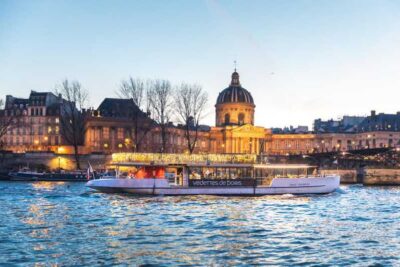

Douro Valley w/ Boat Tour, Wine Tasting & Lunch
Read our review →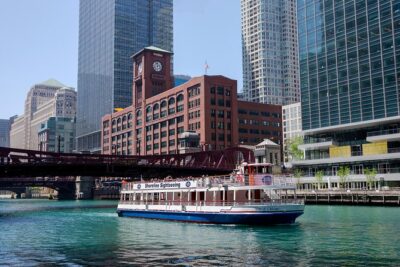
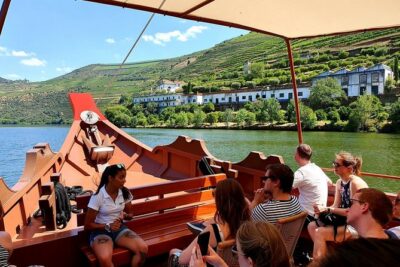
Complete Douro Valley Wine Tour with Lunch, Wine Tastings and River Cruise
Read our review →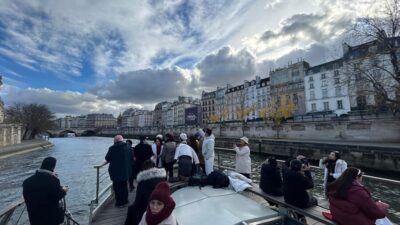
Illuminations River Cruise with Audio Commentary
Read our review →