
REVIEW · MUSEUMS
Buenos Aires: River Plate and Boca Juniors Museum Tour
Buenos Aires football is not just a sport you watch. It is family history, neighborhood identity, and a loud civic religion. This tour puts you close to the two clubs at the heart of that story, Boca Juniors in La Boca and River Plate in Núñez, with museum visits and stadium access where available.
I like the way the tour compares the clubs rather than treating either one as a footnote. I also like the guide-led context, especially when a guide such as Martin explains the cultural differences between the two sides. The main drawback is important: La Bombonera’s stadium visit is closed during renovations, so Boca access currently means the museum only.
Key points at a glance
- Two sides of the Superclásico: Visit the Boca Juniors and River Plate museums in one outing.
- La Bombonera access is limited: The museum is open, but the field, locker rooms, and stands are not currently part of the visit.
- River includes stadium entry: The River Plate portion includes the museum, playing field, and photo opportunities.
- A guide adds the meaning: English and Spanish commentary helps explain club traditions, rivalries, players, and titles.
- San Telmo starting point: Meet at the Tangol Travel Agency office, with transport provided during the tour.
- Plan for three to five hours: Wear comfortable shoes, carry identification, and leave large bags behind.
Why Boca and River matter in Buenos Aires
The easiest way to understand this experience is to see it as a comparison between two very different football identities. Boca Juniors is tied closely to La Boca, a working-class district known for its strong local character and famous stadium, La Bombonera. River Plate is based farther north in Núñez, at the much larger El Monumental.
The rivalry is known as the Superclásico. You do not need to follow Argentine football closely to appreciate the basic contrast. The tour gives you a way to see how shirts, stadiums, players, titles, and neighborhoods help turn a club into a social identity.
I like that the tour does not stop at a trophy case. The Boca museum looks at the club’s players, history, and changing shirt design. River’s museum uses a temporal translation module, a presentation that traces the club’s achievements from its founding onward. These displays give you a timeline before you enter the stadium spaces.
A few more river trips around the world worth comparing
- Paris: Louvre Museum Entry Ticket With Host and River Cruise
★ 4.6 · 9,926 reviews - Louvre Museum and Seine River Cruise Tickets by e-mail
★ 3.0 · 1,315 reviews - Louvre Museum Ticket & Optional Seine River Cruise
★ 4.0 · 1,169 reviews
Starting in San Telmo with Tangol
The meeting point is the Tangol Travel Agency office in San Telmo. This is not a hotel pickup service, so you need to make your own way to the office. The tour then handles transportation between the planned stops.
The total outing can last from three to five hours, depending on the option selected and the day’s schedule. Check the starting time when you book, since the exact departure is not fixed in the basic tour details. You may be placed with a multilingual guide, and commentary is offered in English or Spanish.
The guide is a key part of the experience. One especially well-regarded guide, Martin, was praised for explaining the club histories, stadium differences, cultural details, and small curiosities behind the rivalry. Ariel also received warm praise for his friendly approach. The tour can feel more personal when the group is small. One guest described being the only person on the outing and traveling by taxi with the guide, though you should not assume that arrangement will apply to every departure.
Bring your passport or another ID card. Comfortable shoes are a must, since the tour includes museum walking and stadium areas. Large luggage and big bags are not allowed.
La Boca and the changing plan at La Bombonera
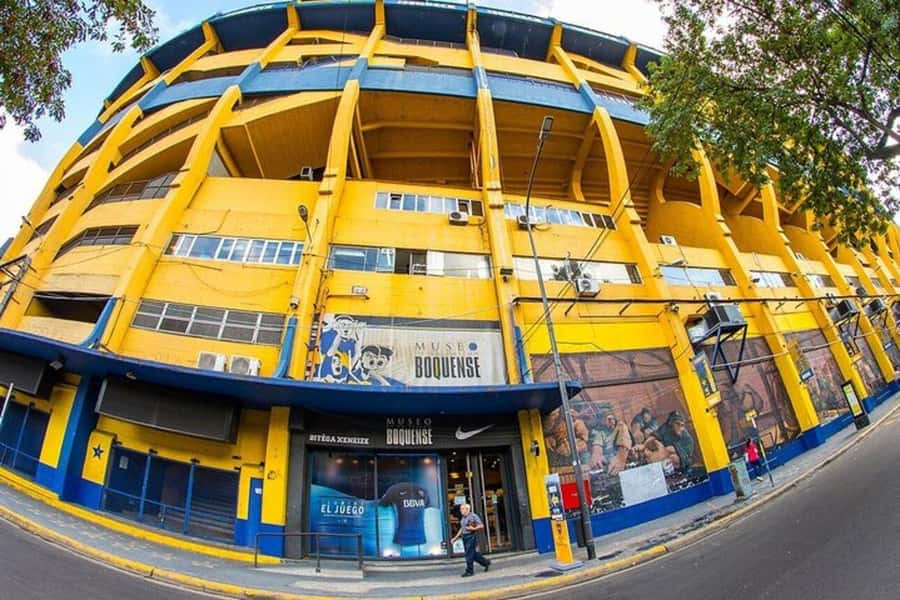
The first football stop is La Boca, home of Boca Juniors and La Bombonera. The stadium is one of Argentina’s best-known sporting sites, and even the name tells you something about its shape and reputation. The club’s home is closely tied to its neighborhood, so arriving here gives the football story a local setting rather than placing it in a detached museum.
Under normal conditions, the stadium portion would include a look at selected seating areas, popular sections, the locker rooms, and the field. The route would finish in a stand with a view toward Diego Maradona’s private box. You would also have time for photographs on the pitch.
At present, that part is not operating because of renovations. This is the single fact you should keep in mind before paying for the tour. You will not enter the Boca field, locker rooms, or stands during the current arrangement. Access is limited to the Museo de la Pasión Boquense.
That limitation does not make the Boca visit pointless, but it changes the value. If your main goal is to stand on the pitch where Boca plays, wait for a future date when stadium access resumes. If you want the club’s story, images, shirts, and films, the museum still gives you a useful introduction.
The Museo de la Pasión Boquense
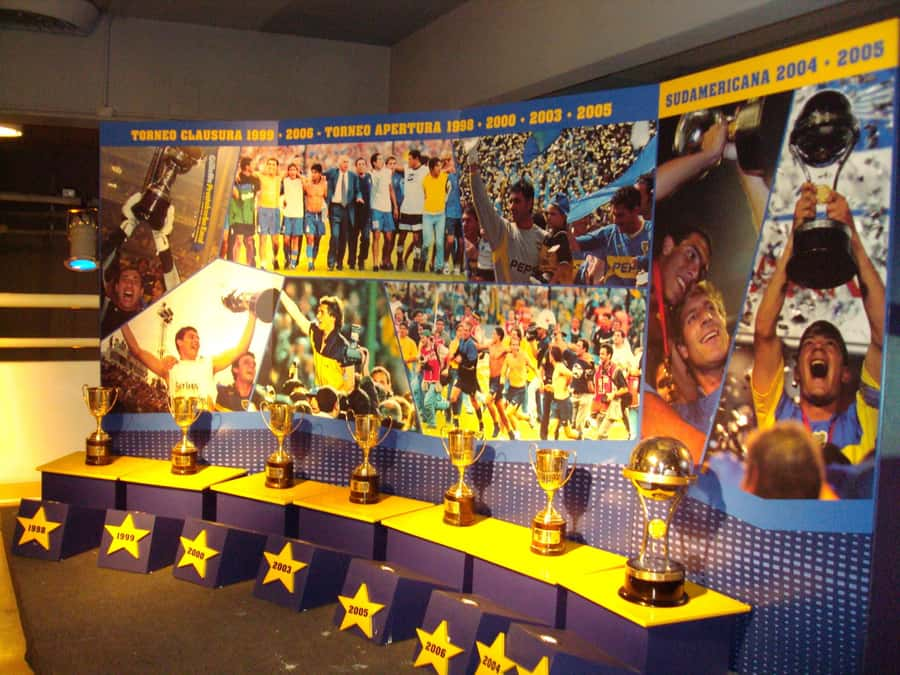
The Boca museum focuses on the club’s identity and major figures. You can learn how the famous shirt developed, see the role of important players, and follow the club’s story through its achievements.
One of the more memorable features is a film designed to show what it feels like to join the team and run onto the field in Boca colors. It is a theatrical touch, but it serves a purpose. Football museums can become a dry list of dates and cups. This presentation tries to explain the emotion of belonging to a club.
I would allow time to look closely at the displays rather than treating the museum as a quick stop before River. Boca’s importance is not only in its titles. The club’s shirt, players, stadium, and neighborhood all work together. The museum is where you get that background now that the stadium itself is off limits.
The practical question is price. At $103 per person, the tour is not a bargain if you only want the Boca museum. The value improves if you want a guide, transport, and a second club on the same day. It is also useful for visitors who would rather not arrange two stadium visits and museum entries on their own.
Same river, a completely different day on the water:
- London: Westminster to Greenwich River Thames Cruise
★ 4.5 · 22,836 reviews - Paris: Evening River Cruise with Music
★ 4.4 · 22,721 reviews - From Porto: Douro Valley w/ Boat Tour, Wine Tasting & Lunch
★ 4.7 · 19,061 reviews - Chicago Architecture River Cruise
★ 5.0 · 15,756 reviews
Crossing the city to River Plate
After the Boca visit, the route heads north to Núñez and El Monumental, River Plate’s stadium. The change in setting helps make the rivalry easier to grasp. You have seen Boca’s connection with La Boca, then move to River’s neighborhood and stadium complex.
The River portion begins outside the stadium. You can see part of what is called Barrio River, along with the access gates. This outside look gives the visit a sense of place before you enter the museum. It is a small but worthwhile detail, since the building is not just an isolated attraction.
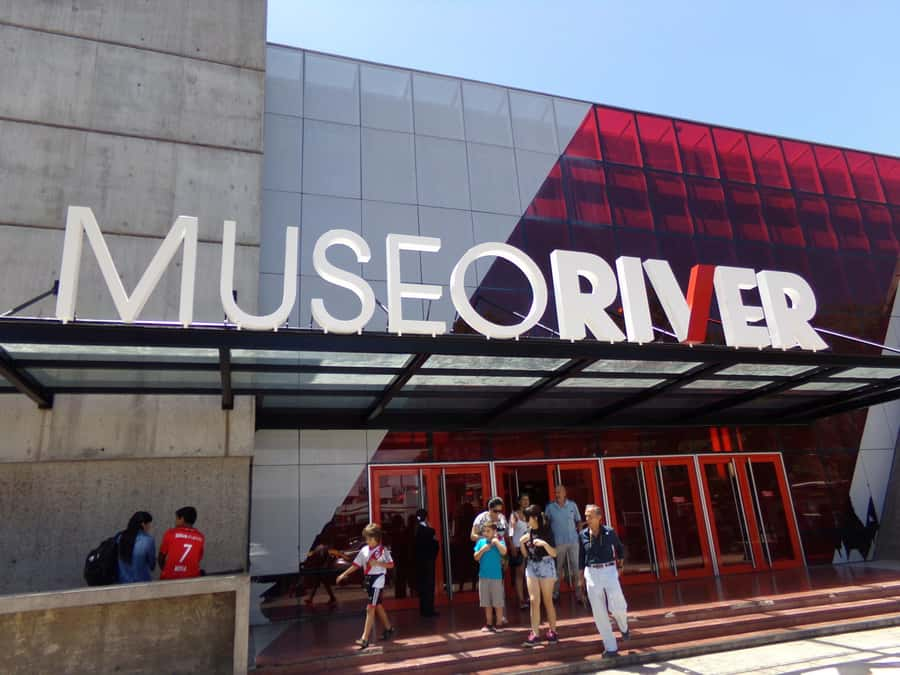
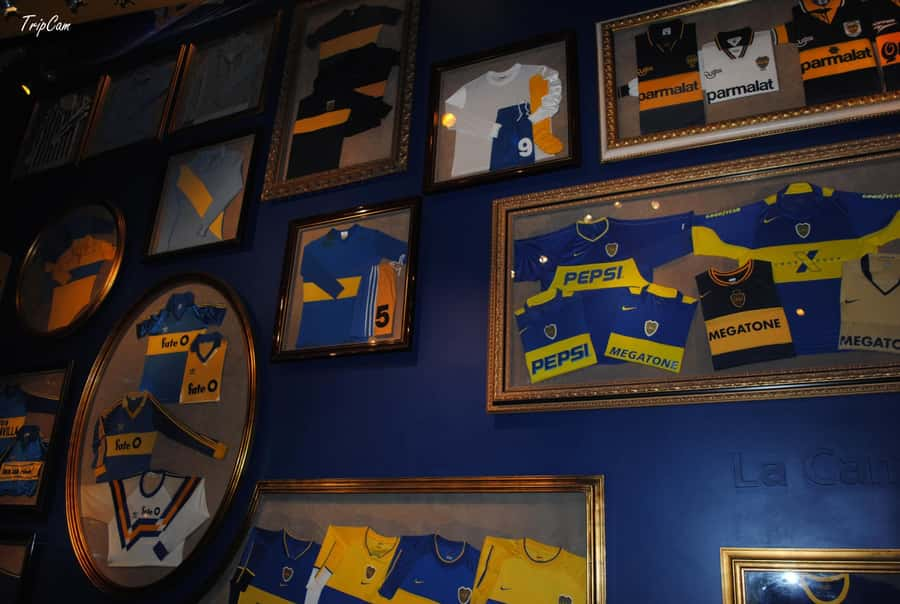
At River’s museum, the tour begins with the temporal translation module. This display follows the club from its foundation through its major achievements. You will learn about important players and significant titles, with the guide filling in the football context.
The museum is interactive, which makes it more useful for people who do not already know the club’s story. For dedicated fans, it offers a chance to check names, honors, and milestones. For everyone else, it provides enough structure to understand why River is one of Argentina’s major football institutions.
Entering El Monumental
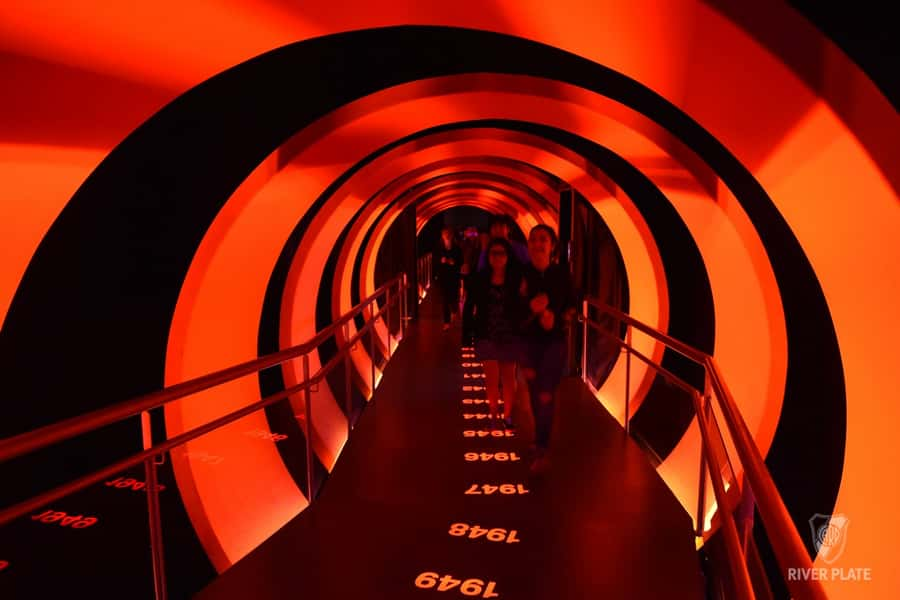
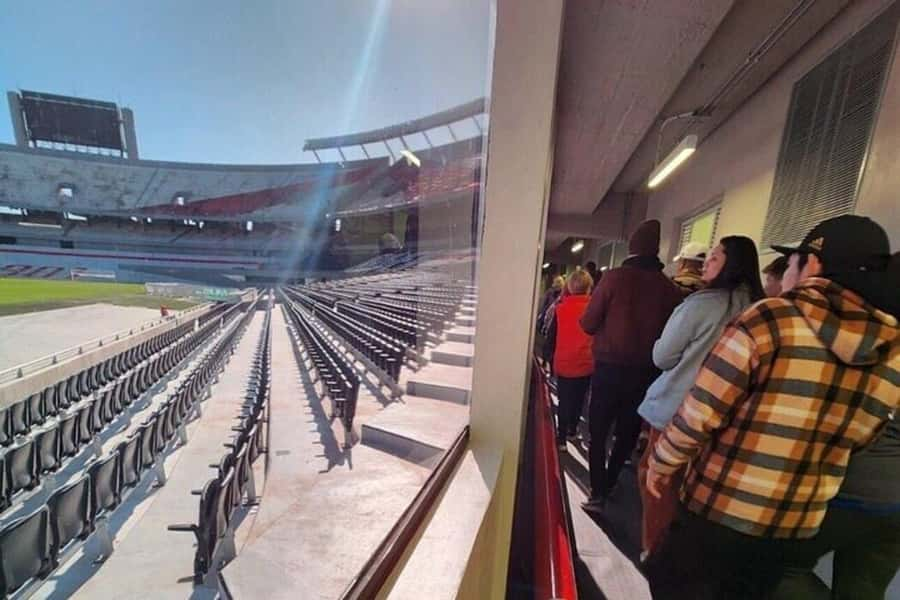
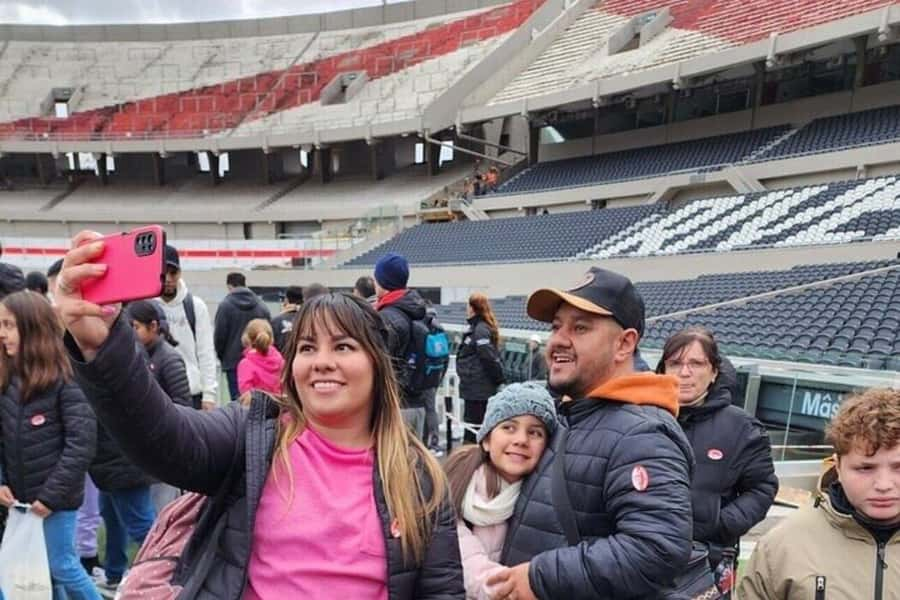
The River visit includes entry into the stadium, with access to the playing field and time for photos. This is the strongest contrast with the current Boca arrangement. You get an actual stadium component at River, not just an exterior view and museum displays.
Field access can be the moment that makes the day feel worthwhile, especially if you have come to Buenos Aires for football rather than general sightseeing. You should still keep expectations realistic. The details of the route and the areas available can depend on stadium operations, and the supplied information does not promise locker-room access or every seating section at River.
The guide helps connect the physical space with the museum material. After learning about River’s titles and major players, standing near the field gives those facts a more concrete setting. You also have time for photos, so keep your phone or camera ready, but do not bring a large bag.
What the guides add
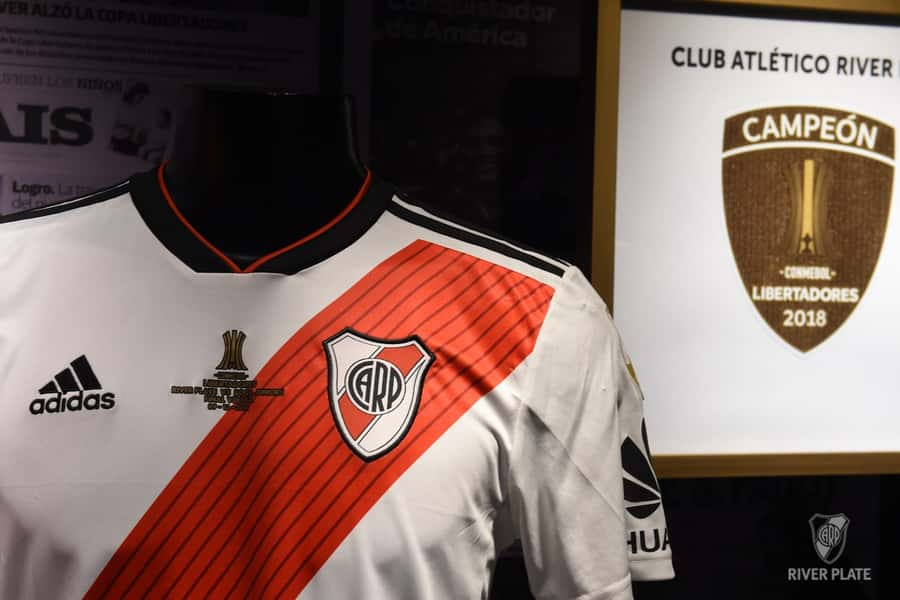
A guide is not just transportation with a commentary track on this tour. The central question is why two football clubs can carry such different meanings in the same city. A good guide can explain that through stadium locations, club traditions, famous players, and cultural details.
Martin was singled out for taking time with questions and explaining the differences between the clubs and their stadiums. Ariel was praised for his warm manner. Those details matter because the tour covers a lot in a short period. Without clear explanations, you could leave with a few photos but little understanding of the rivalry.
The tour may use a multilingual guide, so ask for clarification if a point is moving too fast. English and Spanish are the stated languages. The group size can affect how much personal attention you receive, but no standard group limit is provided.
Is three to five hours enough?
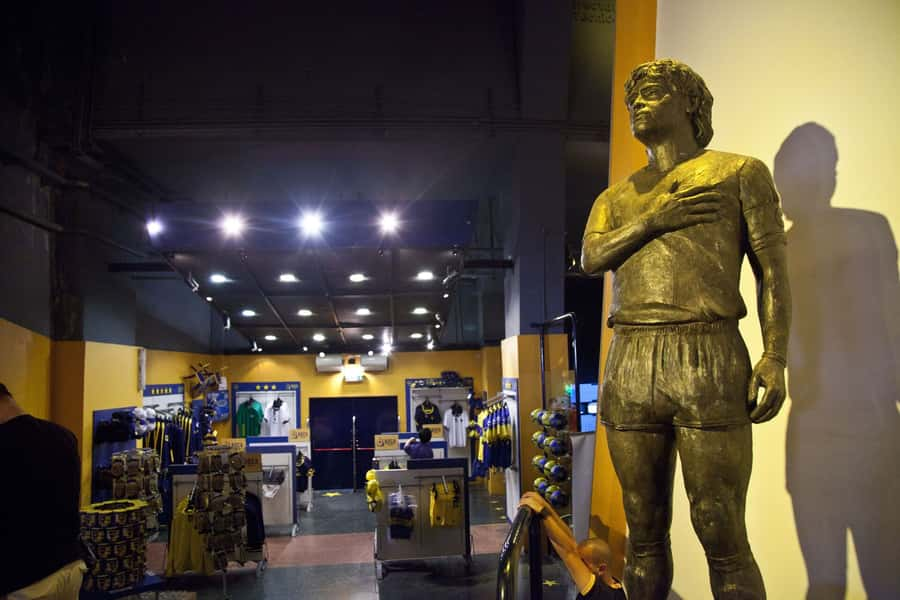
Three to five hours is a sensible length for two museums, transport across Buenos Aires, and at least one stadium visit. It is long enough to give each club real attention without taking up the whole day.
The schedule can feel full. You begin in San Telmo, travel to La Boca, continue to Núñez, and return to the Tangol office. If you prefer to linger over every display, five hours may feel comfortable while three hours may feel brisk.
You should not plan a large meal or another fixed activity immediately afterward. Food and drinks are not included, and the tour returns to the San Telmo meeting point after the football program. Since the experience is built around transport between sites, delays or venue timing could affect the exact pace.
Who will get the most from this tour?
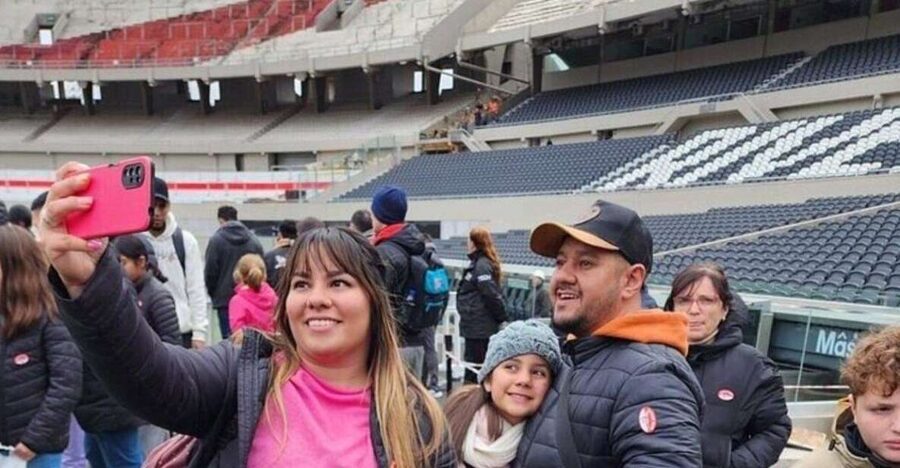
This is a strong choice if you want both major Buenos Aires clubs in one outing. It suits football fans, visitors curious about Argentine culture, and anyone who wants context before attending a match.
It is also practical for first-time visitors who do not want to arrange transport between La Boca and Núñez. The guide, entries, and transport are bundled, though museum tickets depend on the option you choose.
You may want to skip it if you are interested only in Boca’s field and locker rooms. Those areas are currently closed to this visit. You should also think twice if you dislike walking or have mobility limitations, since the tour is not suitable for wheelchair users or people with mobility impairments.
The single-club options can make sense if your schedule is tight. Choose both museums if the rivalry itself interests you. Choose one if you already know which club matters most to you or if you want a shorter outing.
Price, options, and practical value
The listed price is $103 per person. That is a substantial amount for a museum tour, so the best value depends on what is included in your selected option.
The price can cover the guide, transport during the tour, and entry to one or both museums, depending on your booking choice. Food, drinks, extras, and hotel pickup are not included. Make sure you check whether your selected option includes the Boca museum, the River museum, or both, since the included tickets vary.
For a visitor who wants only a museum, a lower-cost independent visit may be worth considering. For someone who wants a guided comparison, transportation, English or Spanish commentary, and River stadium access, the package is easier to justify.
Free cancellation up to 24 hours before the activity and reserve-now, pay-later booking add some flexibility. Still, the renovation notice is more important than the cancellation policy. Read the current Boca access conditions before booking so you are not paying for a stadium visit that is not available.
Final call: should you book it?
Book this tour if you want to understand Buenos Aires through its two football giants, and especially if River’s museum and field access appeal to you. The guide-led comparison, club displays, and transport make a complicated city outing simple.
Book with caution if your dream is specifically to enter La Bombonera’s field, stands, or changing rooms. Those areas are closed during renovations, and the Boca visit currently stops at the museum.
At $103, I see the strongest value in the two-museum option for football fans who want context, not just souvenirs. A guide such as Martin or Ariel can turn the day into a real lesson in Argentine football culture. If you want only one museum or have limited interest in the rivalry, choose a single-club option instead.
FAQ
Where does the tour meet?
You meet at the Tangol Travel Agency office in San Telmo. Hotel pickup is not included.
How long does the tour last?
The activity lasts about three to five hours. Starting times vary, so check availability for your date.
Which languages are available?
The tour is offered in English and Spanish. The guide may be multilingual.
Is entry to both museums included?
That depends on the option you select. Some options include both museums, while others include only the Boca Juniors Museum or only the River Plate Museum.
Can I enter La Bombonera’s field and locker rooms?
No. Boca Juniors stadium visits are currently closed because of renovations. The current arrangement provides access to the museum only, without the field, locker rooms, or stands.
Can I enter River Plate’s stadium?
The River Plate portion includes entry to El Monumental, with a visit to the playing field and time for photographs.
What should I bring?
Bring a passport or ID card and wear comfortable shoes. Large bags and luggage are not allowed.
Is the tour suitable for wheelchair users?
No. The activity is not suitable for wheelchair users or people with mobility impairments.
Just added around the world
- Kakadu, Adelaide & Mary River Scenic Flight★ 5.0 · 18 reviews
- From Split/Omiš Guided White Water Rafting Tour on Cetina River★ 5.0 · 11 reviews
- Darwin: Adelaide River Queen Original Jumping Crocodile Cruise★ 5.0 · 63 reviews
- Canoe safari adventures at Zrmanja river day tour★ 5.0 · 11 reviews
- Rafting in upper part of Cetina river from Split or Blato n/C★ 5.0 · 67 reviews
- Kayaking and mussels tasting at Krka River estuary-private tours★ 5.0 · 13 reviews
- River Challenge Island Tour★ 5.0 · 45 reviews
- Canyoning on Cetina River from Split or Šestanovac★ 5.0 · 173 reviews
Museums, compared.
Louvre Museum Entry Ticket With Host and River Cruise
Read our review →
Louvre Museum and Seine River Cruise Tickets by e-mail
Read our review →
Louvre Museum Ticket & Optional Seine River Cruise
Read our review →
East Side Gallery Spree Cruise in a Solar Catamaran
Read our review →
Grèvin Wax Museum and Seine River Cruise Tickets
Read our review →
Picasso Museum Ticket & Optional Seine River Cruise
Read our review →
Best of the best Giza Pyramids, Nile Sphinx, Museum,Bazzar,Camel
Read our review →
Louvre Museum & River Cruise Priority Access Tickets
Read our review →Browse the lists this tour appears in