
REVIEW · GUILIN
One Hour Chinese Calligraphy or Painting Lessons in Yangshuo
The most appealing part of this private one-hour lesson is its hands-on nature. You do not simply watch a master work. You grind the ink, handle the brush, and try Chinese characters or traditional painting techniques yourself. I like that the instructor comes to your hotel lobby, and I like that you can choose between calligraphy and painting rather than being locked into one art form.
The main consideration is the short length. One hour is enough for an introduction and a few attempts, but not enough to develop polished brush control. Also, the supplied booking information includes comments about Li River cruises, which do not describe this lesson. I would confirm the exact activity and instructor when booking.
Key points to know before booking
- Choose your art form: Pick Chinese calligraphy or an introductory lesson in classical Chinese painting.
- Learn by doing: You handle the paper, grind the ink, hold the brush, and practice basic techniques.
- Meet at your hotel: The lesson begins in your hotel lobby in Yangshuo.
- Private format: A private teacher and all calligraphy or painting materials are included.
- Budget-friendly price: At $19 per person, the lesson is a low-cost cultural activity, especially for a couple or small private group.
- Xingping costs extra: Hotel pickup in the Xingping area requires an additional 150 RMB transfer fee.
Why a one-hour brush lesson works in Yangshuo
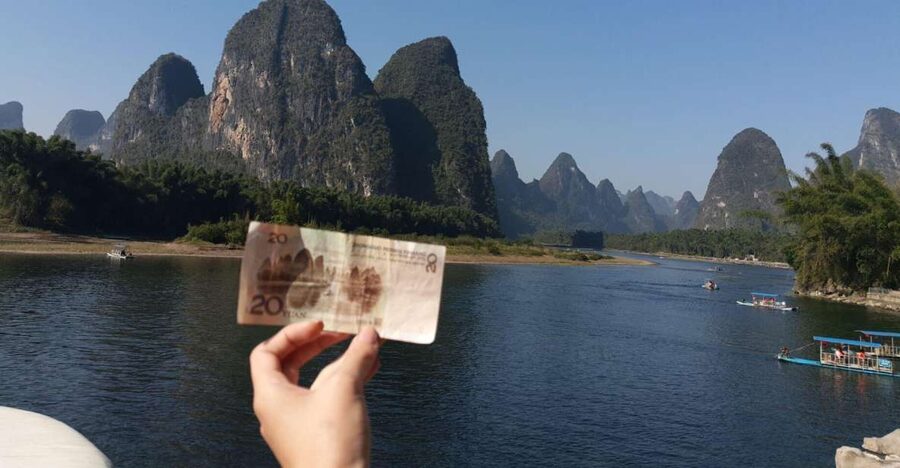
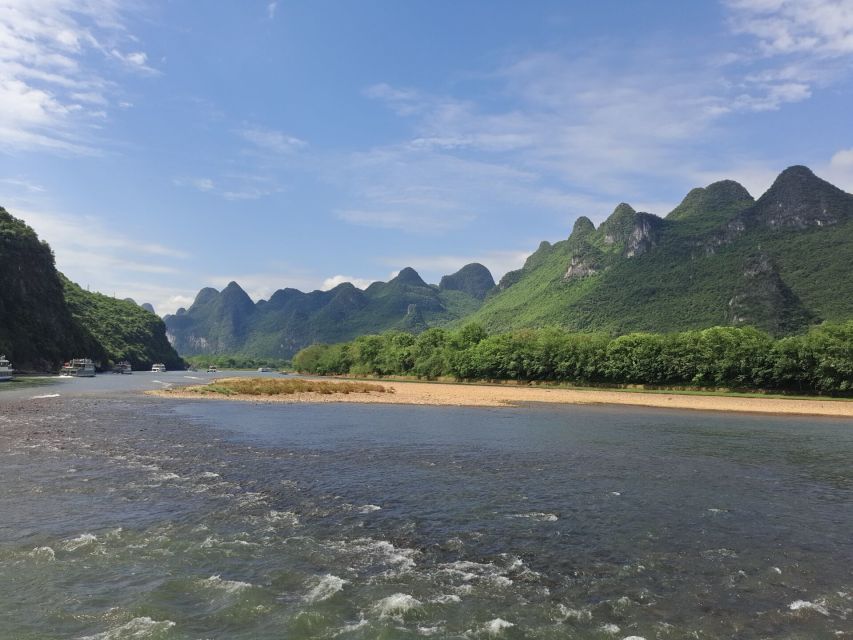
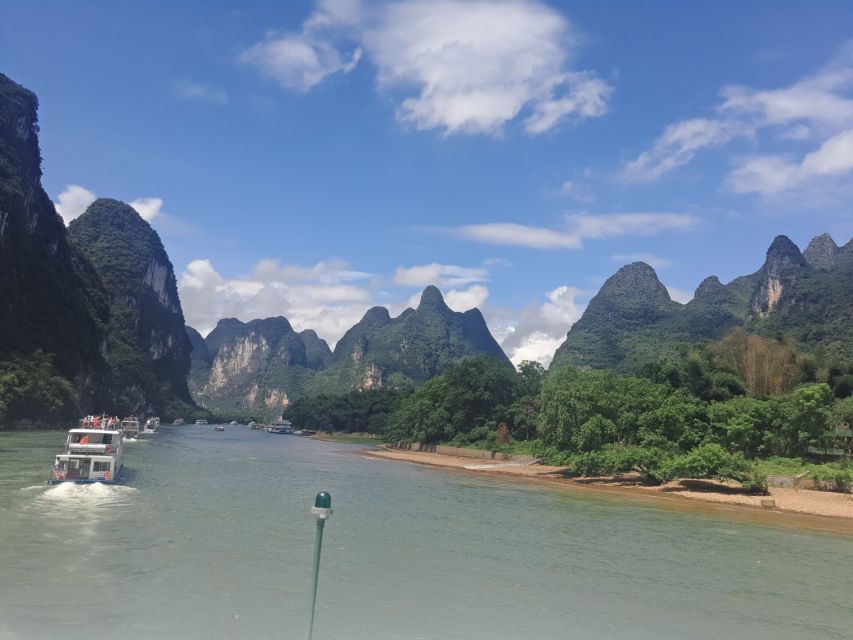
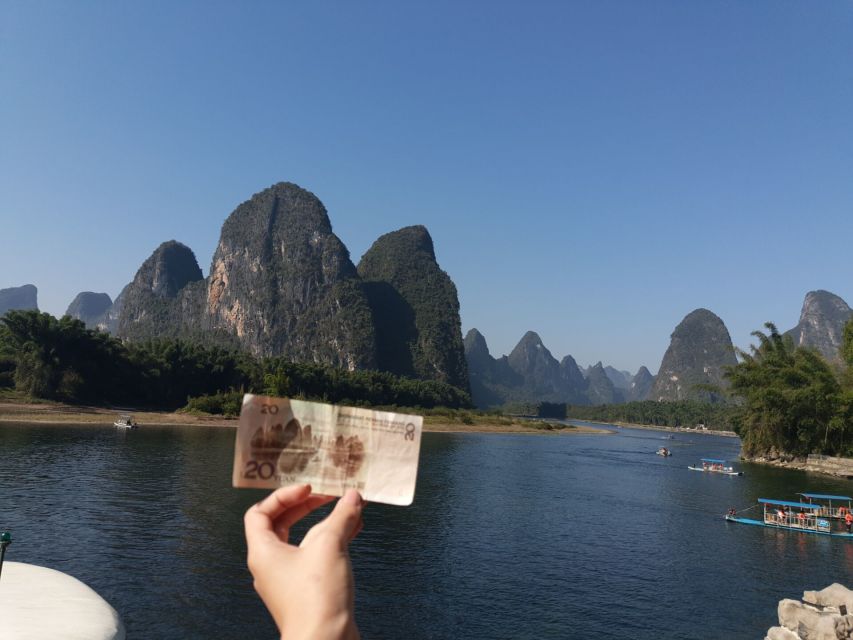
Yangshuo is best known for the Li River, limestone peaks, cycling routes, and outdoor sightseeing. A short art lesson gives you a quieter change of pace. You can sit down, focus on a single brush, and learn about an art form that is closely tied to Chinese language and culture.
Calligraphy is not simply handwriting with a fancy brush. The shape, balance, pressure, and movement of each stroke matter. Chinese characters can be treated as visual art, and the lesson introduces that idea in a practical way. You will learn how the tools work before trying to make your own marks.
The lesson also has value for people who already paint. Chinese brush painting uses methods that may differ from Western watercolor or acrylic work. The class can give you a chance to compare local brush techniques with the methods you use at home.
I would think of this as a cultural introduction, not a formal art course. You should expect guidance, practice, and an explanation of basic techniques. You should not expect a finished masterpiece or a long study of Chinese art history in sixty minutes.
A few more river trips around China worth comparing
- Din Tai Fung Dinner and VIP Class River Cruise Experience in Shanghai
★ 5.0 · 31 reviews - Cai Be Mekong Delta Tour: Cooking Class, Cycling & Craft Villages
★ 5.0 · 1,881 reviews - Thai cooking class &Market tour by Amazon Prime Series Chef.
★ 4.9 · 266 reviews
Starting in the hotel lobby
The meeting point is simple: your hotel lobby in Yangshuo. That arrangement removes the need to find a studio or cross town for a short appointment. It also makes the lesson easier to fit around a morning cruise, an afternoon walk, or an evening meal.
The activity information does not provide the instructor’s personal name. It does state that the teacher speaks English and Chinese, which matters when you are learning something as precise as brush pressure and stroke order. Ask for the instructor’s name and confirm the lesson type before the appointment if those details are important to you.
The hotel setting may also make the experience feel more personal. A private class at your accommodation can be a good choice if you prefer not to perform in front of a larger group. It may suit families, couples, and solo visitors who want direct help without spending half a day on an organized tour.
One practical point deserves attention. The description says the class begins at the hotel lobby, but it does not explain the exact room or table setup. Since calligraphy needs a stable surface, ask where the lesson will take place. This is especially useful if you are staying in a small guesthouse rather than a full-service hotel.
Choosing calligraphy or Chinese painting

Your choice should depend on what you want to take away from the hour.
Calligraphy for character, balance, and brush control
Calligraphy is the more direct introduction to Chinese writing. The instructor explains how to use the paper, prepare the ink, hold the brush, and form basic strokes. You then try writing Chinese characters under supervision.
This option suits you if you enjoy lettering, drawing, or careful handwork. It also gives you a clear sense of how written Chinese can become an art form. Even if your strokes are uneven, you will see why the order and direction of each movement matter.
Do not worry if you cannot read Chinese. The activity is built around technique and visual form, so you can learn how the brush behaves without already knowing the language. Still, ask the instructor to explain the meaning of the characters you practice. That small bit of context can make the exercise feel more personal.
Calligraphy also requires patience. A brush does not behave like a ballpoint pen. Ink flow, hand pressure, and the angle of the brush all affect the result. The first few attempts may look rough, and that is part of the lesson rather than a sign that you are doing something wrong.
Same river, a completely different day on the water:
- Huangpu Night Cruise: Cozy Vibe & Modern Shanghai Glow
★ 4.3 · 520 reviews - Shanghai Night River Cruise Tour with Xinjiang Style Dining Experience
★ 5.0 · 324 reviews - Shanghai: Night River Cruise Tour with Xinjiang Style Dining
★ 5.0 · 210 reviews - Private Evening Tour: VIP Huangpu River Cruise and Shanghai Lights
★ 5.0 · 150 reviews
Painting for brush methods and visual expression
The painting option introduces classical Chinese painting styles and brush techniques used by Chinese masters. The information does not promise a particular subject, finished image, or named school of painting, so you should ask what you will work on before the lesson begins.
This choice may suit you if you already paint or if you prefer images to written characters. You can compare the local approach with your own methods at home. The short session may be especially useful for seeing how a Chinese brush creates different lines and textures with changes in pressure and ink.
Painting can feel more open-ended than calligraphy, but the same basic tools still matter. You will need to learn how to control the brush and ink before the image starts to take shape. If you want to produce a polished painting, one hour may feel limited. If you want a first taste of the method, the format makes sense.
What happens during the sixty minutes
The lesson follows a practical sequence. First, the instructor introduces the materials and shows you how to prepare the ink. You learn how to use the paper and how to hold the brush before attempting the main exercise.
Next comes the demonstration. The English-speaking instructor shows the technique, then gives you a chance to copy it. This order is useful because you can watch the movement before trying to repeat it. Ask questions as you go, especially about pressure, brush angle, and the amount of ink on the brush.
The rest of the session is practice. With calligraphy, that means working on basic strokes and Chinese characters. With painting, it means trying the brush techniques associated with traditional Chinese styles.
The private setup should allow the instructor to correct your hand position and movements directly. That is the chief advantage over watching a demonstration online or buying a souvenir from a shop. You leave with a better idea of how the art is made, even if your final work has plenty of beginner’s wobble.
The description does not specify whether you take home your practice sheets. Ask before the class starts. If you want to save your work, bring a folder or another way to keep the paper flat, though the activity only specifically requires the listed personal items.
Is $19 good value?
At $19 per person, this is an inexpensive way to add a cultural activity to a Yangshuo stay. The teacher and all calligraphy or painting materials are included, so you do not need to buy brushes, paper, or ink separately for a single introductory session.
The value depends on what you want from the experience. If you want a relaxed cultural break and a chance to try a traditional Chinese art form, the price is reasonable. If you are seeking a serious lesson with several hours of practice, a portfolio, or advanced instruction, the one-hour format will probably feel too brief.
Private instruction usually gives you more direct attention than a large class. That matters here because brush control is hard to learn from a distance. You are paying less for the amount of time and more for the chance to receive personal guidance while using the materials.
The extra 150 RMB transfer charge for Xingping-area hotels changes the calculation. It is not included in the $19 price, so visitors staying in Xingping should compare the total cost with the convenience of having the instructor come to them. The information does not give a transfer surcharge for other parts of Yangshuo.
Who will enjoy this activity most
I would recommend the lesson to several types of visitors:
- Couples who want a quiet activity between sightseeing stops.
- Families looking for a short, indoor cultural experience.
- Solo visitors who want direct instruction rather than a group workshop.
- Beginners curious about Chinese writing or brush painting.
- Artists who want to compare Chinese brush methods with their own practice.
- Visitors with only a small amount of free time.
It may be less suitable if you dislike slow, careful handwork. It may also disappoint you if you expect to become proficient in one session. Calligraphy rewards repetition, and a single hour can only introduce the basics.
The activity is not suitable for people with altitude sickness according to the supplied information. That warning seems unusual for a hotel-based Yangshuo art lesson, since no mountain activity is described. I would ask the provider to clarify it rather than assume the reason.
Pets are not allowed. Bring a passport or ID card, comfortable shoes, sunglasses, a sun hat, and a camera, although the class itself is indoors or at your hotel and may not require every item. The booking information also refers to a full name and passport number for a boat ticket. No boat ticket is included in the calligraphy or painting lesson, so confirm whether that note belongs to a different Yangshuo activity.
Sorting out the cruise information
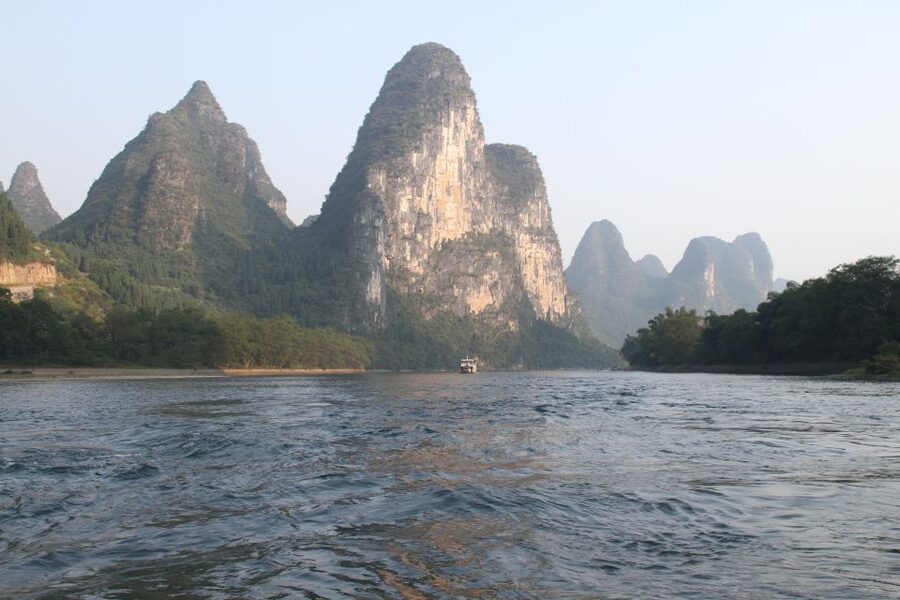
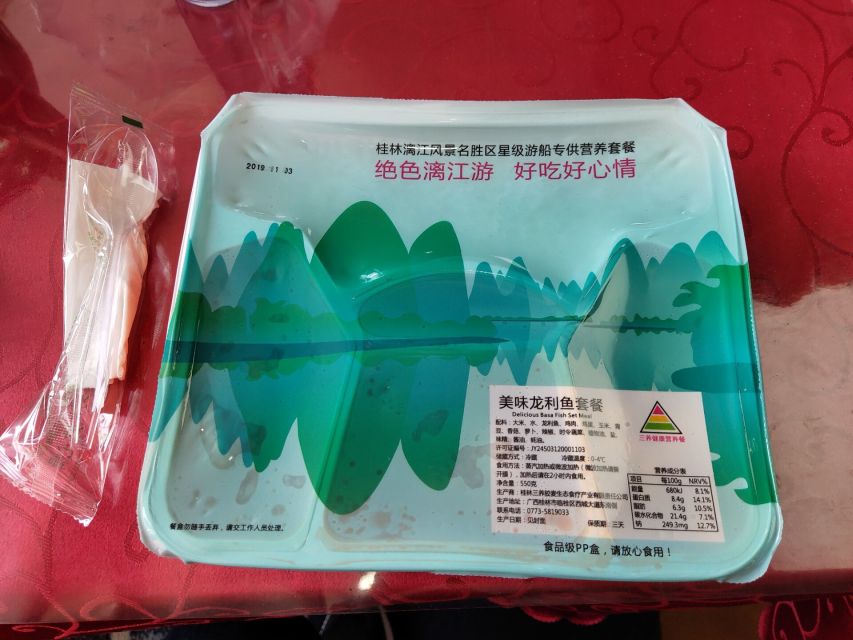
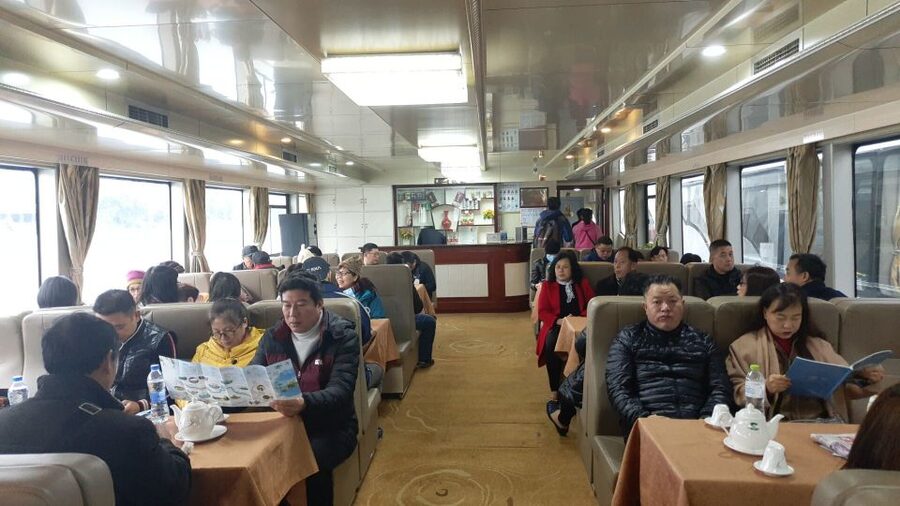
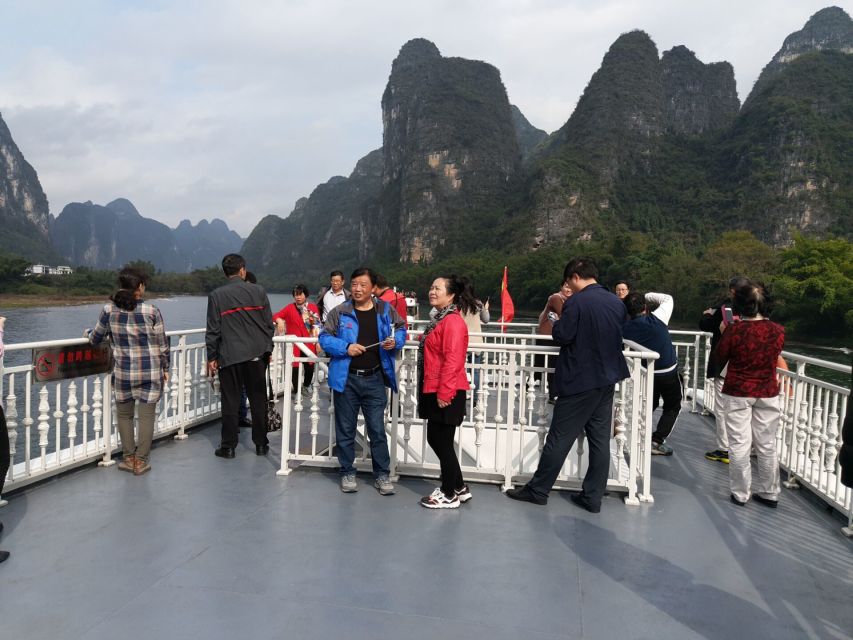
Several comments connected with the provider describe Li River and speedboat trips, airport transfers, port transfers, and guides named Andy and Felipe. Those details are useful for understanding the provider’s wider tour work, but they do not match the one-hour art lesson.
That distinction matters. A cruise guide may arrange transport and explain river sights, while an art instructor teaches brush handling at your hotel. Do not assume that Andy, Felipe, or any other named guide will teach your class. The activity data identifies the instructor only by language ability, English and Chinese.
You should also ignore any expectation of a boat ride, river port visit, meal, or sightseeing transfer when booking this experience. None of those features belongs to the art lesson. If a confirmation message mentions a boat ticket or asks for passport details for a cruise, contact the provider and check that you have booked the correct product.
This is a simple but important booking check. The art lesson itself sounds straightforward, yet the surrounding information combines it with separate Yangshuo excursions. Confirm the date, hotel meeting point, chosen subject, teacher, and total price before you pay.
Booking flexibility and practical planning
You can cancel up to 24 hours before the activity for a full refund. You can also reserve now and pay later, which helps if your Yangshuo schedule may change because of weather or transport.
Starting times depend on availability. Since the lesson lasts only one hour, it can fit neatly into a busy day. I would avoid placing it immediately before a fixed boat departure or airport transfer, since the information does not give a late-arrival policy.
A private group is available. The supplied information does not state the maximum number of people, so ask before booking if you are traveling with a larger party. A private class can work well for friends or family, but the quality of the lesson may depend on how many people share the instructor’s attention.
Wear comfortable shoes, even though you will likely spend much of the lesson seated or standing at a table. Bring your camera if you want a record of the demonstration or your first piece. Ask permission before photographing the instructor or the practice materials.
Should you book the Yangshuo calligraphy lesson?
Book it if you want a low-cost, personal introduction to Chinese calligraphy or painting and you value the convenience of a hotel meeting point. The strongest features are the hands-on practice, English-language instruction, private format, and included materials.
Choose calligraphy if you are interested in Chinese characters and careful brushwork. Choose painting if you already paint or want to explore traditional brush techniques through images. In either case, keep your expectations realistic: this is a one-hour introduction, not a full art course.
I would confirm the lesson details carefully because the supplied information contains unrelated cruise material. Once you verify the instructor, hotel meeting point, subject, and Xingping transfer fee if relevant, the $19 price makes this a sensible cultural add-on to a Yangshuo visit.
FAQ
Where does the lesson begin?
The lesson begins in your hotel lobby in Yangshuo.
Can I choose between calligraphy and painting?
Yes. You can choose either a Chinese calligraphy lesson or an introductory Chinese painting lesson.
How long does the lesson last?
The activity lasts one hour.
Are the teacher and materials included?
Yes. A private teacher and all calligraphy or painting materials are included.
Is the instructor available in English?
Yes. The listed instructor languages are English and Chinese.
Is there an extra fee for Xingping-area hotels?
Yes. A 150 RMB transfer fee applies if the lesson is arranged at a hotel in the Xingping area.
Just added around China
- Chongqing Yangtze River Cruise and Illuminated Night Tour★ 5.0 · 11 reviews
- 4D3N Yangtze River Cruise: Chongqing to Yichang by Century Cruise★ 4.5 · 11 reviews
- 14-Day Small-Group China Tour: Beijing, Xi’an, Guilin, Yangtze Cruise, Shanghai★ 5.0 · 15 reviews
- Din Tai Fung Dinner and VIP Class River Cruise Experience in Shanghai★ 5.0 · 31 reviews
- Ayutthaya Tour from Bangkok with Grand Pearl River Cruise★ 3.0 · 15 reviews
- Ayutthaya Temples Tour from Bangkok with Grand Pearl River Cruise★ 4.5 · 83 reviews
- Shanghai Night River Cruise VIP Seat with Authentic Dinner★ 5.0 · 55 reviews
- Shanghai: After Dark Dinner and Huangpu River Night Cruise★ 5.0 · 16 reviews
Guilin River Cruises, compared.

1 Day Li River Cruise from Guilin to Yangshuo with Private Guide & Driver
Read our review →
Li River Cruise and Yangshuo Private Day Tour from Guilin
Read our review →
Guilin Highlights Tour Li River to Yangshuo and Xianggong Hill
Read our review →
Private Full-Day Li River Cruise and Liusanjie Show
Read our review →

Li River Cruise with Yangshuo Countryside Tours
Read our review →Browse the lists this tour appears in