
REVIEW · SPAIN
From Marbella: Guadalmina River Guided Canyoning Adventure
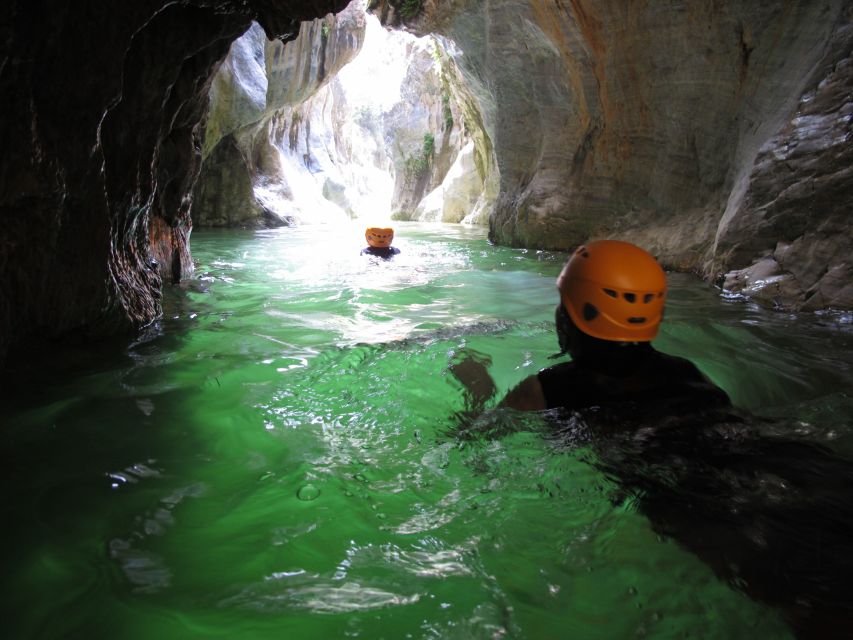
Guadalmina Canyon gives you a proper taste of wild Andalusia just 15 to 20 minutes from Marbella. You swim through clear pools, squeeze through narrow rock passages, slide over smooth stone, and choose whether to jump from several heights. It feels like an adventure, not a sightseeing stop.
I like the small groups, which give guides time to help nervous beginners and encourage confident ones. I also like the practical value: a full wetsuit, helmet, harness, rappel equipment, insurance, and a free photo report are included. The main consideration is physical effort. This is beginner-friendly, but it still involves climbing over rocks, walking in moving water, and repeated swimming.
Key points to know before you book
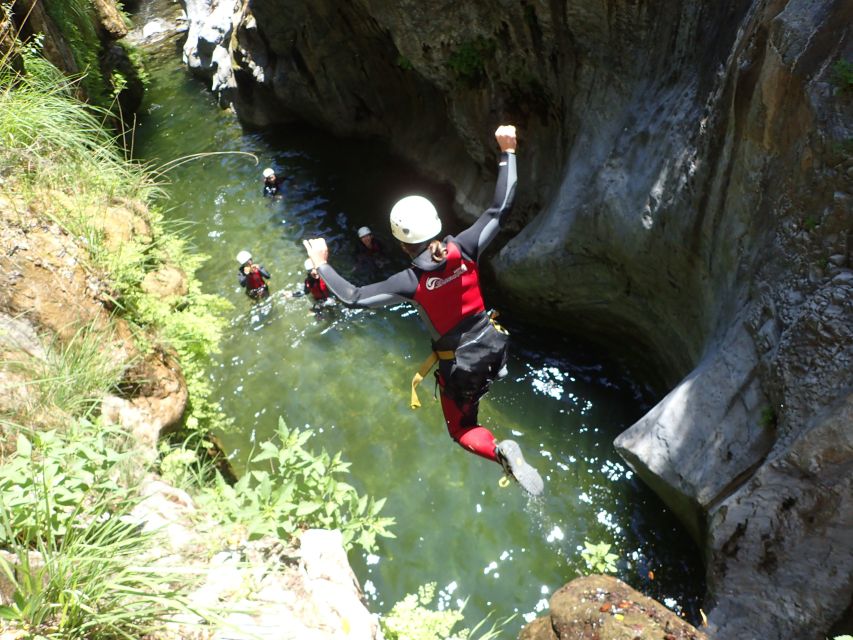
- The route mixes several skills: Expect swimming, scrambling, natural slides, optional jumps, and one rappel.
- The jumps are your choice: Heights are generally about 4 to 6 meters, though some past participants describe smaller and higher options along the route.
- Certified guides make the difference: José, Juan, Alex, Andrés, Israel, and other local guides are praised for patience, humor, and careful safety checks.
- The walk is part of the outing: You walk about 10 minutes from Parque Torre Leonera to the canyon, then about 20 minutes back at the end.
- Footwear matters: Bring sturdy closed shoes with a firm grip, or rent professional canyoning boots for €8. Soft water shoes are not allowed.
- Free photos are a real bonus: Waterproof cameras capture the activity, with the images shared afterward through a WhatsApp link.
From Marbella to the Guadalmina river gorge
The canyon lies in Benahavís, a short drive inland from Marbella. You are responsible for getting to the meeting point near Parque Torre Leonera, so a car or taxi is needed unless you arrange another way to reach Benahavís. Transfers are not included.
The meeting area is in a parking zone beside the park. The exact spot can occasionally change, and the company contacts you after booking, usually through WhatsApp, with final instructions. I would save that message and allow extra time for the drive, especially if you are unfamiliar with the roads around Benahavís.
Arrive wearing your swimsuit. Bring sunscreen, a small bottle of water of at least half a liter, high socks, sturdy sports or walking shoes, and dry clothing for afterward. You will also want dry shoes or sandals for the return.
The walk to the canyon takes about 10 minutes. It is short, but you are carrying your personal items and heading into a natural setting rather than a purpose-built attraction. Keep valuables to a minimum.
More guided river trips in Spain:
- Benahavís: Guided Canyoning Adventure (Benahavís River Walk)
★ 4.9 · 540 reviews - From Estepona: Guadalmina River Guided Canyoning Adventure
★ 4.9 · 209 reviews - Benahavís: Canyoning Guided Tour at Guadalmina River
★ 5.0 · 177 reviews
Getting suited up for three hours in the water
The company provides a compulsory full-length 5-millimeter wetsuit. That thickness is useful in cool mountain water and also gives you protection from scrapes. You receive a canyoning helmet, a harness with protection around the seat area, and the equipment needed for the rappel.
The gear matters here. Guadalmina is not a simple river float. You will place your hands and feet on rough rock, sit or slide over stone, and move through shallow sections where good support helps. The harness and helmet are not decorative extras. They are part of what makes the activity manageable for first-timers.
Professional canyoning boots are optional at €8. You can use your own hiking boots or sports shoes if they have firm support and a solid-grip sole. Do not bring open shoes or soft water shoes. The company specifically warns against aqua shoes because their soles can slip and offer poor protection around rocks.
If you are unsure about your footwear, renting the canyoning boots is sensible. One participant particularly recommended them for stability, and that is practical advice. Your feet will spend much of the trip on wet, uneven ground. The rental costs less than dealing with sore feet or poor footing for three hours.
Entering the Angosturas Canyon
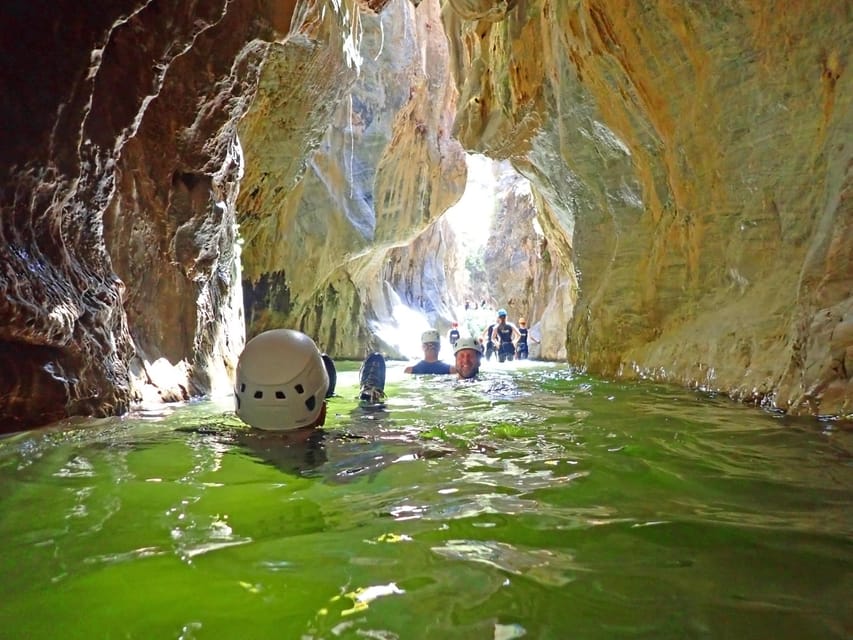
After the short approach walk, the main guided route through the Canyon of the Angosturas begins. The water has shaped the rock into narrow channels, ledges, pools, and passageways. You move through the gorge rather than simply walk beside it.
The pace changes often. One moment you may be swimming through a clear pool, then pulling yourself over a rock shelf or following the guide through a narrow section. The setting is the main reward: tall rock walls, blue-green water, and smooth formations shaped over a very long period.
This is also where the activity asks more of you than a casual family outing. You need a moderate fitness level and basic swimming ability. Even with a life jacket, you will be climbing, balancing, and moving your body in awkward positions. The provider can prepare a life jacket if you do not swim well, but tell them in advance.
The guides set the tone. Names praised for a good mix of care and fun include José, Juan, Alex, Andrés, Israel, Flor, and Tomy. Their role is not only to show you the route. They demonstrate how to move, check the group, offer easier choices, and help people through sections that feel intimidating.
That flexibility is important. A confident participant can try a jump, while someone else can use a lower option or continue by another method. The jumps are never compulsory. You can still enjoy the water, scrambling, and scenery without proving anything.
Jumps, slides, and the one rappel
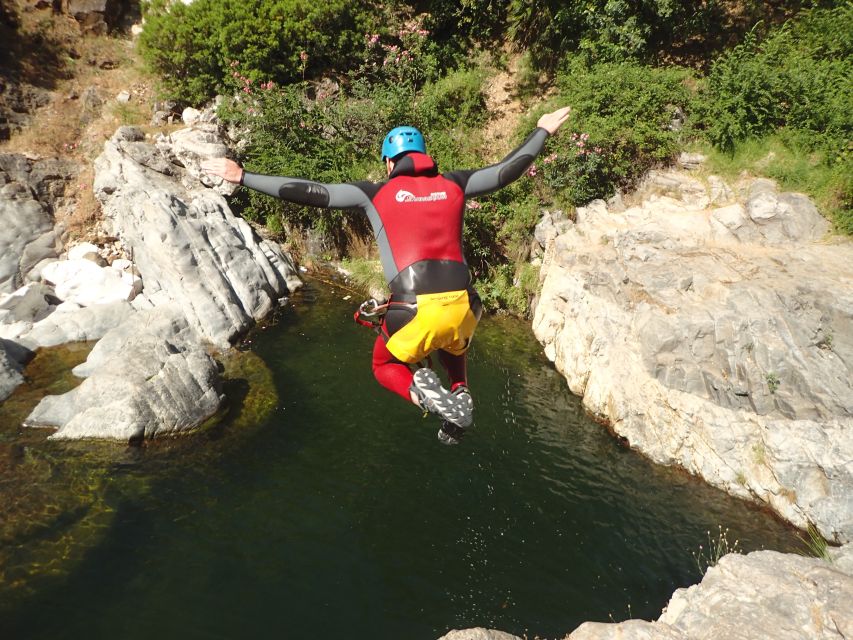
The jumping sections are the most obvious adrenaline hit. The advertised optional jumps are around 4 to 6 meters, or roughly 13 to 19 feet. Individual conditions and available options can vary, and past participants describe a series of jumps with heights ranging from small choices to much higher ones.
The key word is optional. You can watch the guide explain the landing area, decide how you feel, and skip a jump if it is not right for you. That makes the trip workable for mixed groups. A parent can support a cautious child, and a more adventurous companion can try the larger jump.
The natural slides are less dramatic but just as enjoyable. Smooth rock channels let you use the water and shape of the gorge to move forward. You may also climb up rocks to reach some of the jumping points. This is one reason sturdy shoes are so important.
There is one rappel included. You descend a rock wall using ropes, a harness, and the guide’s instructions. Several people particularly enjoyed this part but wished there had been more than one rappel. If you are booking mainly for rope work, keep your expectations in check. This is a varied canyoning route, not a dedicated abseiling session.
The best part is the mix. You are not repeating one stunt for three hours. You swim, climb, slide, jump if you want, and rappel once. That variety helps the activity suit people with different interests and energy levels.
A few more river trips around Spain worth comparing
- Seville: 1-Hour Guadalquivir River Sightseeing Eco Cruise
★ 4.2 · 10,281 reviews - Seville: Guadalquivir River Cruise
★ 3.9 · 6,921 reviews - Seville: Guadalquivir River Boat Tour
★ 4.6 · 1,478 reviews - Seville: Exclusive River Boat Tour with Tapas
★ 4.3 · 802 reviews
Charca de los Tubos and the final walk
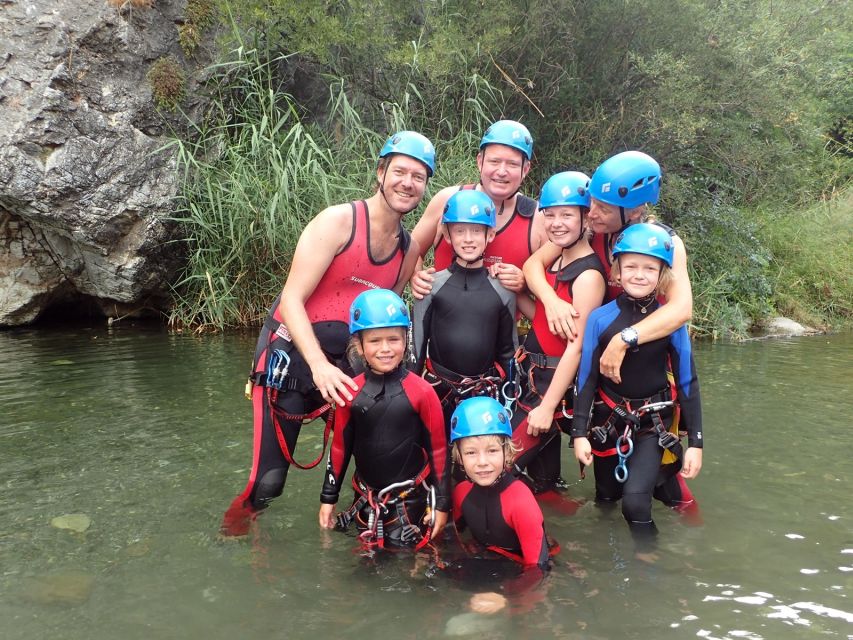
The route continues through the Charca de los Tubos, another guided section of the canyon. This area adds more of the enclosed river experience, with rock formations and pools that make the gorge feel far removed from the coast.
You should expect some waiting at points if the group is moving at different speeds. The company keeps groups small, with an average of about 10 people during high season and no more than 12 participants per guide. That is a useful size for a physical activity. It gives the guide a chance to watch each person, but it is not so small that you get private attention at every obstacle.
The full activity takes about two and a half to three hours. One comment described the route as tiring but long enough, which is a fair way to think about it. You get plenty of action without committing to a full-day expedition.
After the canyon, the walk back to Parque Torre Leonera takes about 20 minutes. You may be wet, tired, and carrying your gear, so dry clothes and shoes are welcome at this point. There is no included shuttle back to the starting area, something one participant specifically suggested as a possible improvement.
How difficult is this canyoning trip?
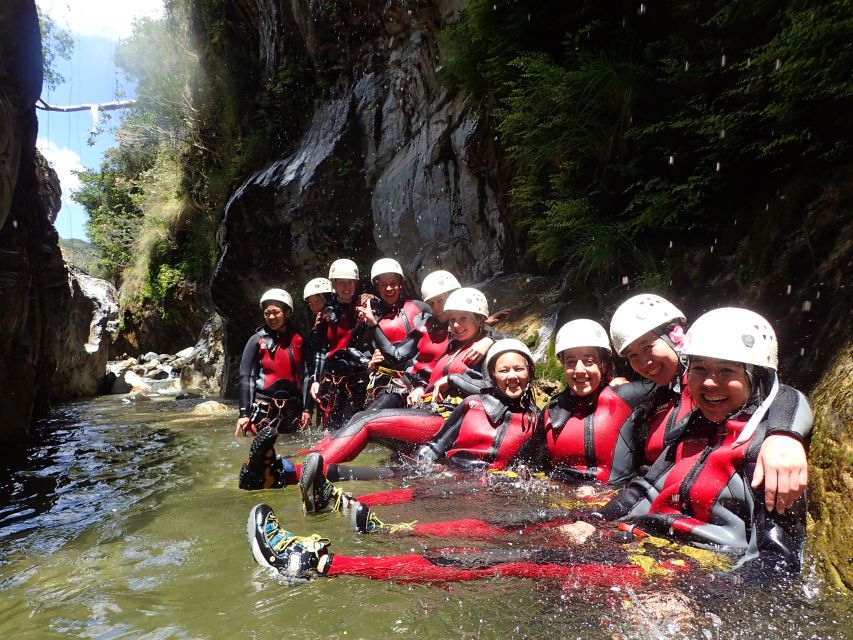
The route is sold for beginners and experienced adventurers, but beginner-friendly does not mean effortless. You need enough fitness to walk, climb over rocks, swim short sections, and keep moving for several hours.
The activity is advertised as suitable from age eight. In winter, from December through March, the company recommends participants be over 12 because conditions can be colder and more demanding. The information also says children under five are not suitable, so families with children between five and seven should confirm the age requirement before booking.
The experience can work well for families, but children should be comfortable with water and able to follow instructions. Several family groups have enjoyed the jumps and slides, and guides are used to adjusting the route to different confidence levels.
It is not suitable for pregnant women, people with heart problems, or people over 70. If the guide decides someone is not fit for the route, the guide can ask that person to leave. That rule may sound strict, but it is sensible in a gorge where getting someone out is not as simple as walking them back to a bus.
You do not have to take every jump. You do need to be honest about your swimming ability, fitness, and comfort in water. Tell the company before the activity if you cannot swim so a life jacket can be prepared.
Guides, group size, and safety
The guide quality is one of the strongest reasons to choose this trip. The instructors are certified in canyoning and speak Spanish and English. French is available, while German cannot be guaranteed according to the activity information.
The guides are praised for more than technical ability. José is described as energetic and encouraging. Benja is noted for patience and confidence. Andrés handled a mixed-ability group carefully, while Alex helped two older participants through difficult sections without making them feel left behind. Juan is repeatedly credited with making people feel safe while still encouraging them to try new things.
That personal approach matters in canyoning. A nervous person may need a calm explanation before a jump, while a strong swimmer may want to move faster. The guide also checks the water and landing areas, keeps the group together, and decides how to handle the route on the day.
Group size is not private by default, but private groups are available. The standard maximum of 12 participants per guide is reasonable for an activity where everyone needs an individual safety briefing and occasional help.
Free photos and the value of $47
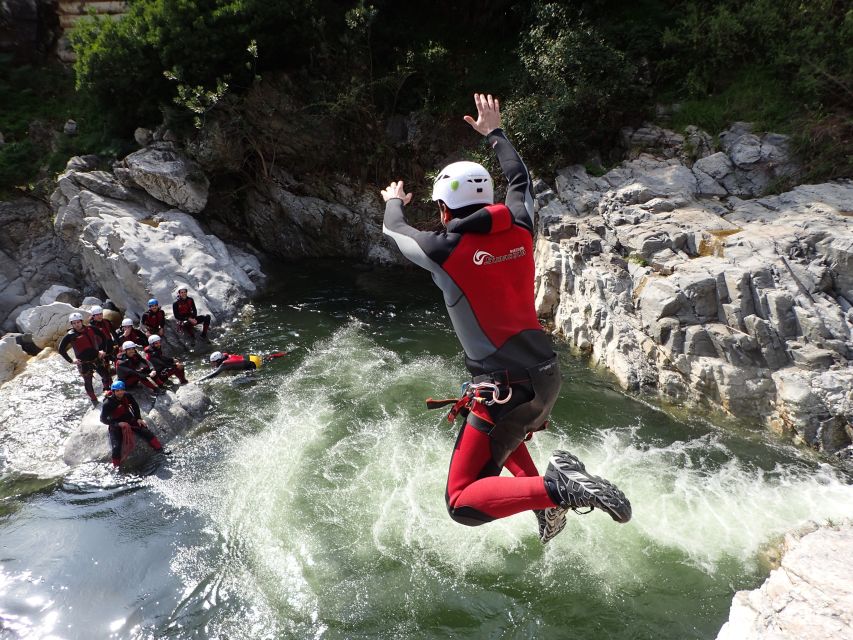
At $47 per person, the price is strong for what is included. You receive the guide, insurance, wetsuit, helmet, harness, rappel equipment, and a photo report. The photos are taken with waterproof cameras and shared free after the activity, often later the same day or within one to two days.
That last point adds real value. You cannot safely carry a phone through every swim, slide, and jump, and you would spend much of the trip worrying about it. The guide can record the group while you focus on moving through the canyon.
You still need to budget for transport to Benahavís and possibly €8 for canyoning boots. Those are the main additional costs listed. Bring your own suitable shoes if you want to keep the price down, but do not save money by bringing footwear that lacks grip.
The price also compares well with the length of the activity. Three hours in a natural canyon, with specialist equipment and certified supervision, is a fuller outing than a short zipline or one-off cliff jump. The value is best if you want active participation rather than passive scenery.
Who should book it?
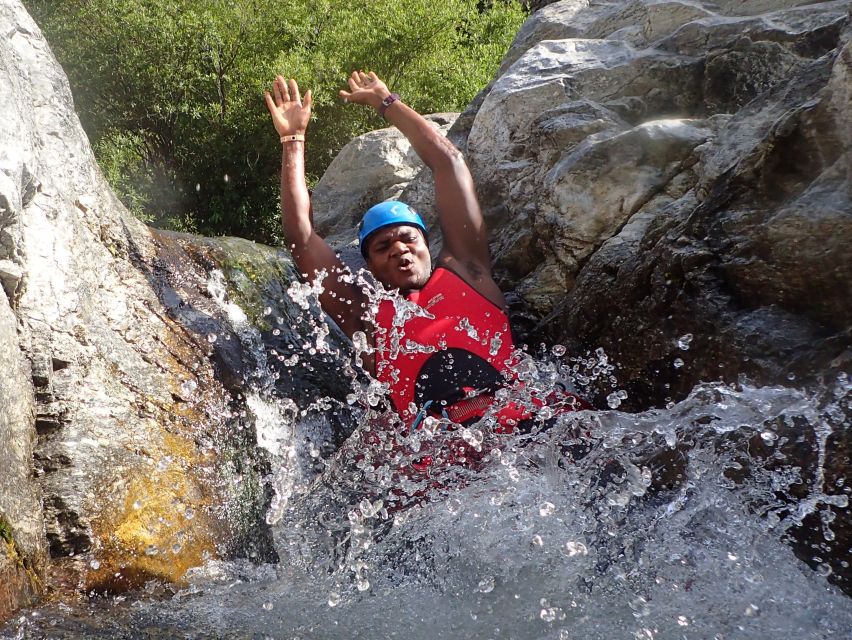
I would choose this for friends, families with suitably aged children, couples, and first-time adventurers who want a real physical challenge without signing up for an expert route. It is particularly good for a group with mixed confidence because jumps can be skipped and guides offer different options.
You will get the most from it if you enjoy water, do not mind getting scraped or tired, and like trying several skills in one outing. It also works well as a break from Marbella’s beaches, restaurants, and resort rhythm.
I would think twice if you dislike cold water, have limited mobility, cannot manage uneven rocks, or want a quiet nature walk. The canyon is beautiful, but you experience it through movement and effort. Also, if your main goal is repeated rappelling, the single descent may feel too limited.
Should you book the Guadalmina canyoning adventure?
Book it if you want a well-priced, active half-day near Marbella with strong safety support and plenty of choice in how far you push yourself. The combination of clear pools, narrow rock passages, optional jumps, natural slides, and one rappel gives you a varied outing rather than a single stunt.
Rent the boots if your shoes are not truly sturdy, tell the company about swimming concerns before arrival, and wear your swimsuit under the wetsuit. With those details handled, this is a lively and practical way to see the Guadalmina gorge, especially for first-timers who want guidance without giving up the thrill.
FAQ
Where does the Guadalmina canyoning tour meet?
Meet in the parking area beside Parque Torre Leonera in Benahavís, Málaga. The provider may use a slightly different nearby meeting point and will contact you with the exact details after booking.
How long does the activity last?
Allow two and a half to three hours for the canyoning activity. The route includes a 10-minute walk to the canyon and about a 20-minute walk back to Parque Torre Leonera.
Is transport from Marbella included?
No. Transfers are not included. Guadalmina Canyon is about 15 to 20 minutes from Marbella by car, depending on the exact starting point and road conditions.
Are the jumps compulsory?
No. All jumps are optional. You can choose smaller options, use another route, or skip them and continue with swimming, climbing, sliding, and the other canyoning sections.
What equipment is included?
The price includes a full-length 5-millimeter wetsuit, canyoning helmet, harness with protection against chafing, rappel equipment, insurance, and a free photo report.
Can I use water shoes?
No. Soft aqua or water shoes are not allowed. Bring closed-toe hiking or sports shoes with firm support and good grip, or rent professional canyoning boots for €8.
What age and fitness requirements apply?
The activity is described as suitable from age eight, with participants over 12 recommended in winter from December through March. You need basic swimming ability and moderate fitness. It is not suitable for pregnant women, people with heart problems, or people over 70.
Just added around Spain
- Ciudad Encantada Excursion + Cuervo River Birth★ 5.0 · 23 reviews
- Arc de Triomphe and Seine River Cruise★ 4.0 · 124 reviews
- 4-Hour Adventure Descent of the Sella River by Kayak★ 4.5 · 64 reviews
- Rafting in Gallego River – Spain, Murillo de Gallego – UR Pirineos★ 5.0 · 139 reviews
- Seville:Guadalquivir River Kayak Tour★ 4.2 · 10 reviews
- Seville: Private Boat Tour with Paella Lunch and Drinks★ 4.8 · 30 reviews
- Seville: Restaurant boat ride on the Guadalquivir River with lunch/dinner★ 4.8 · 12 reviews
- Seville: Cathedral & Alcázar Guided Tour with River Cruise★ 3.9 · 25 reviews
Spain River Cruises, compared.
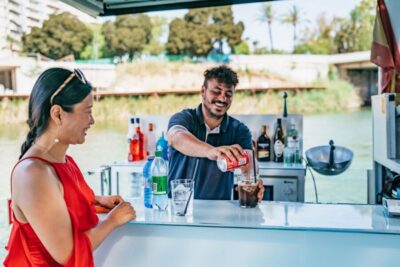
1-Hour Guadalquivir River Sightseeing Eco Cruise
Read our review →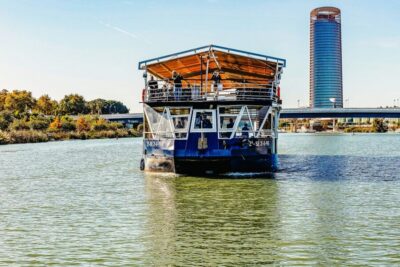
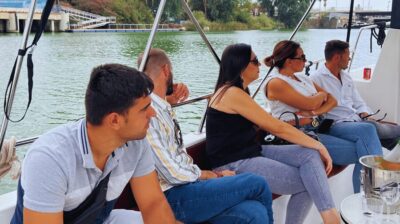
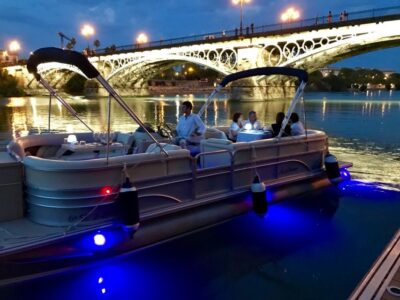
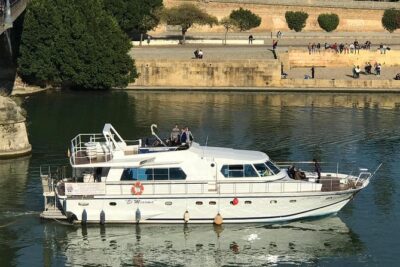
Cruise along the Guadalquivir River with appetizer
Read our review →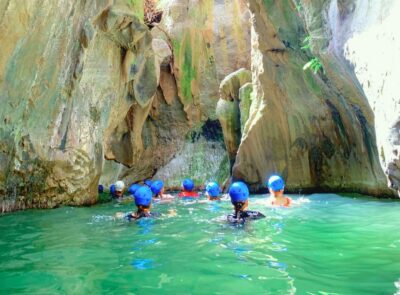
Benahavís: Guided Canyoning Adventure (Benahavís River Walk)
Read our review →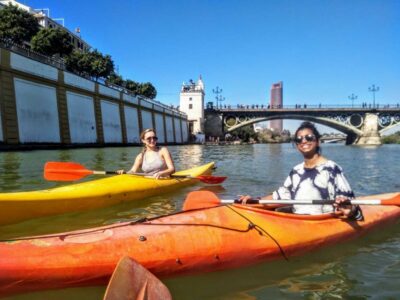
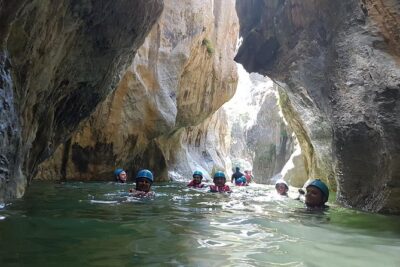
Canyoning Gorge Descent, river walk in Benahavis.
Read our review →Browse the lists this tour appears in