
REVIEW · AUSTRALIA
Darwin: Mary River Wetlands Wildlife Cruise with Lunch
The real prize here is the 2.5-hour Mary River cruise, where crocodiles slide through the water and birds gather in the reeds, lilies, and trees around you. I like the open-air boat, which gives you clear views and a good chance to take photos, and I like the guides, who add useful stories about Darwin, Aboriginal culture, wildlife, and the wetlands.
I also like that Fogg Dam and Window on the Wetlands give the day more shape than a simple boat ride. The main drawback is the long day in a sometimes cramped vehicle, and one recent pickup ran 30 minutes late. If you want a relaxed wildlife outing with lunch included, this is a strong choice, but it is less suited to very young children, wheelchair users, or anyone who finds an eight-hour day tiring.
Key points at a glance
- Crocodiles in the wild: Look for both saltwater and freshwater crocodiles during the wetland cruise.
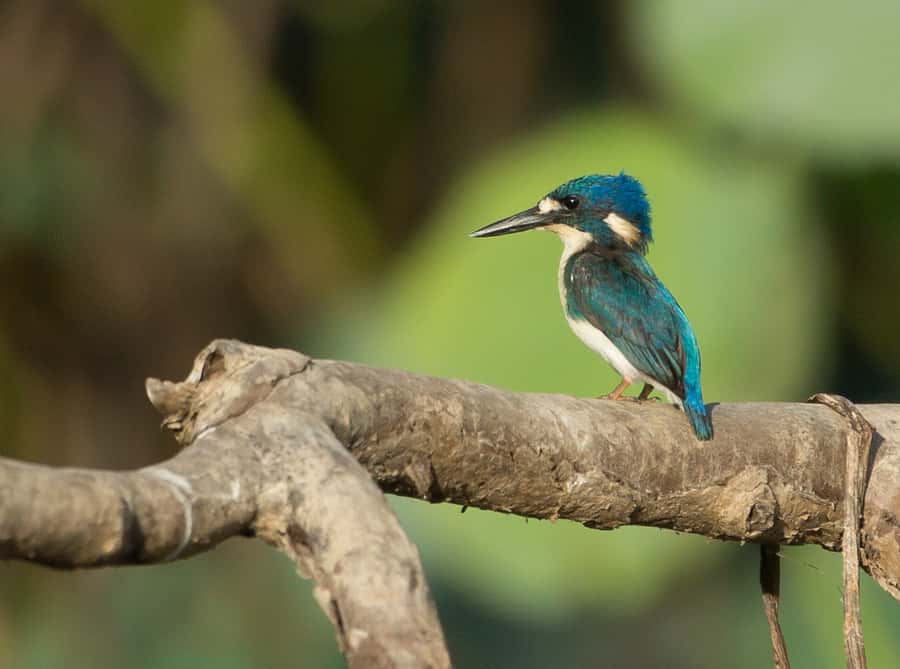
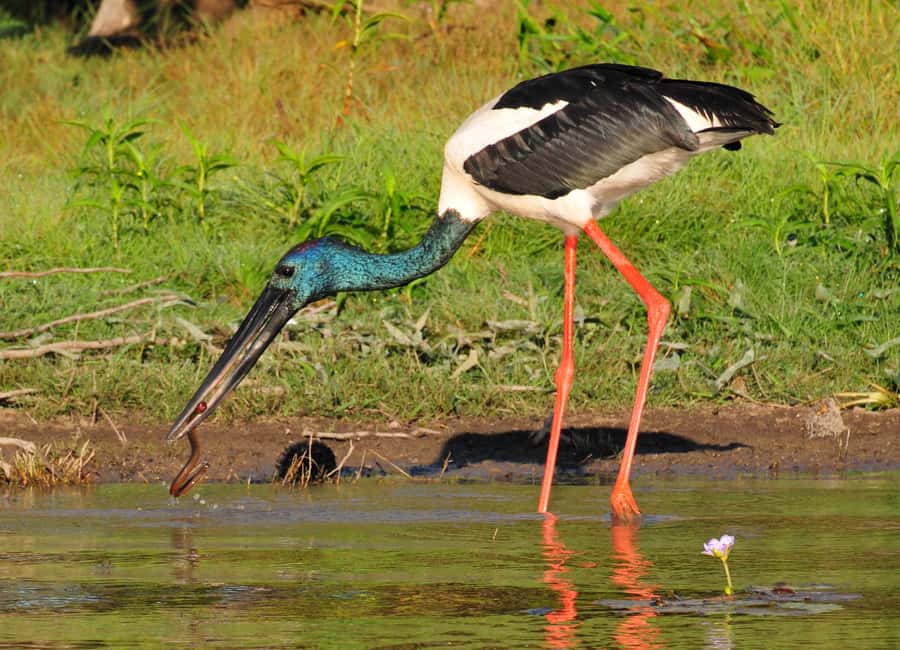
- Around 30 bird species: Jabirus, sea eagles, brolgas, and many smaller birds may appear along the waterways.
- Three distinct stops: Visit Fogg Dam, the Window on the Wetlands Centre, and the Mary River wetlands.
- Open-air viewing: The small boat makes it easier to see wildlife and take photographs.
- Lunch on the water: Expect fresh salads, cold sliced meats, bread, and iced water.
- Guides make the difference: Cam, Evan, Richard, Luke, Paul, and others have been praised for clear commentary and good wildlife spotting.
Why the Mary River cruise is the heart of the day
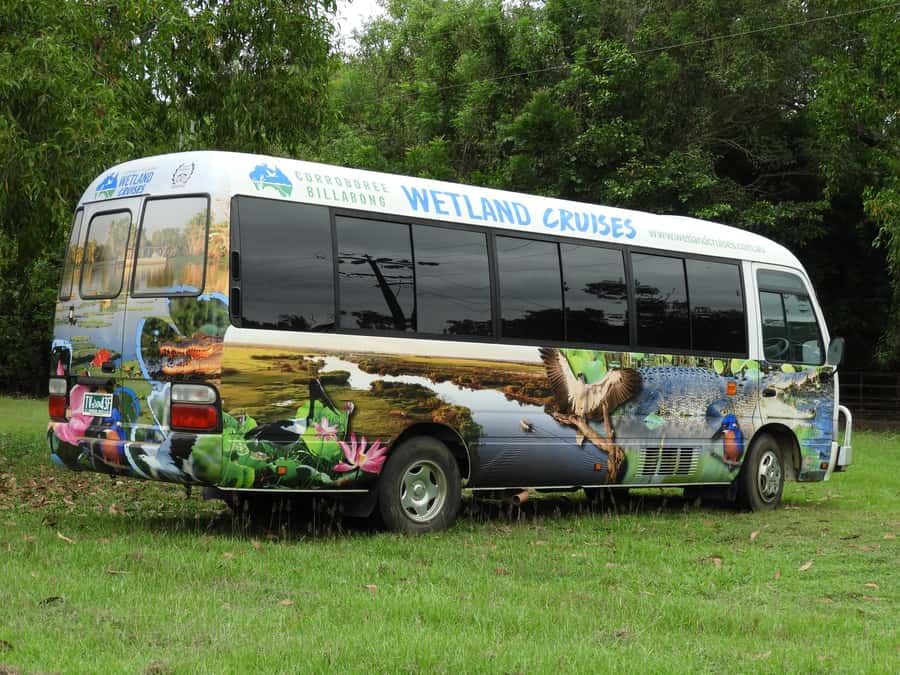
If your main goal is to see Northern Territory wildlife without arranging a car, this tour gives you a lot in one day. You leave Darwin in the morning, ride in an air-conditioned vehicle, visit two useful wetland sites, and finish with a long cruise through the Mary River system.
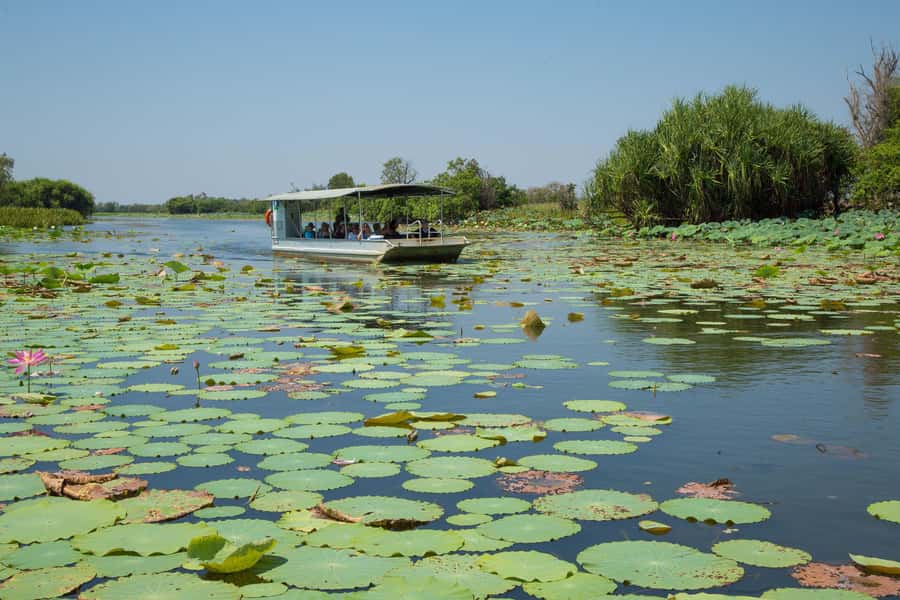
The boat is open air, with shade and a cooling breeze on the water. That matters in the Top End, where a closed cabin can make wildlife viewing less pleasant. You can look across the water, scan the banks, and follow the guide’s pointing hand without trying to see through glass.
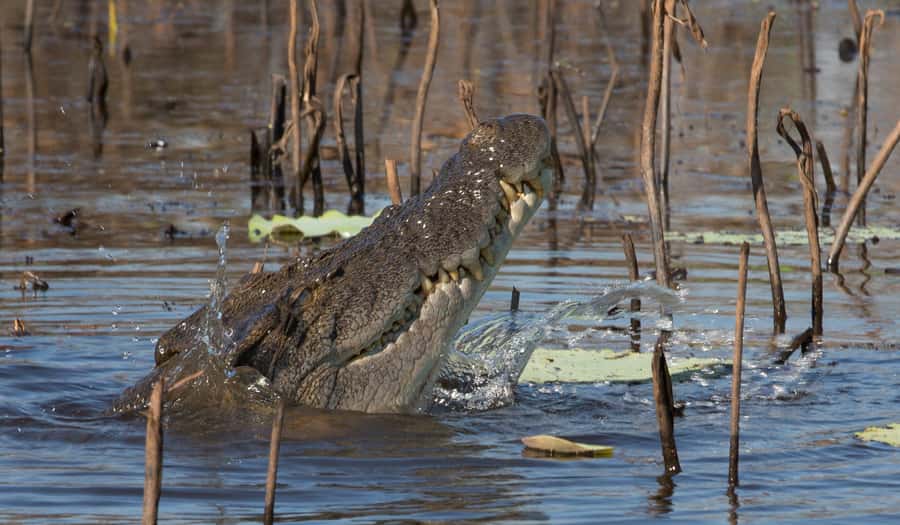
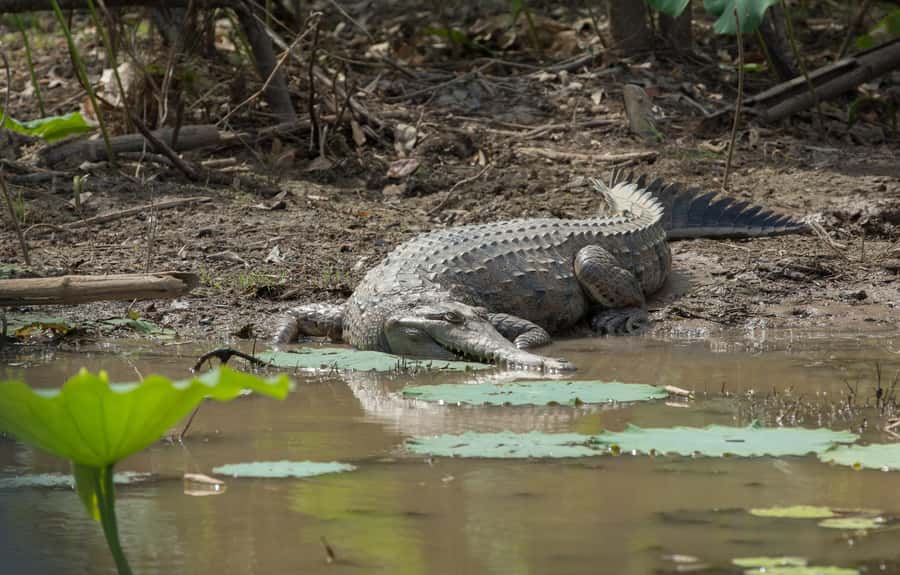
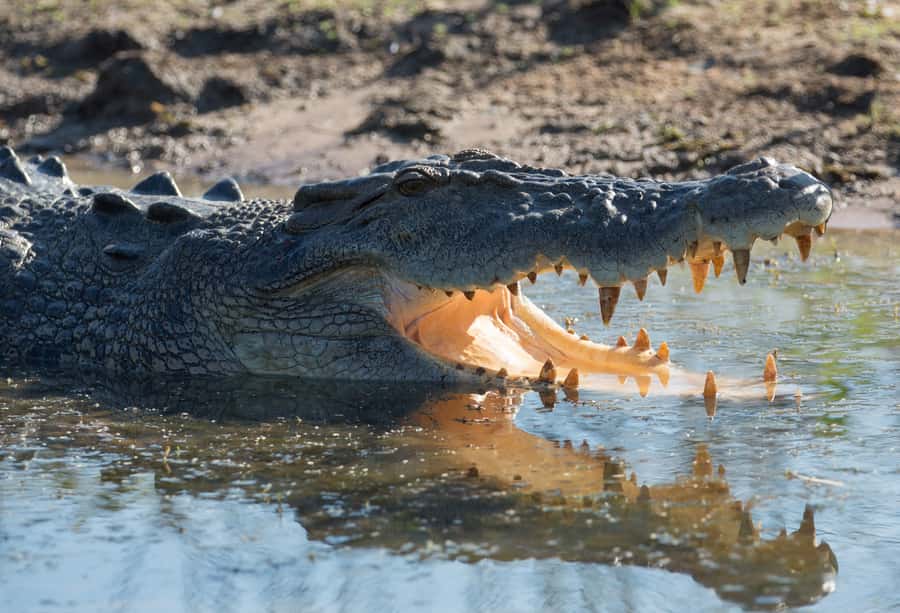
Crocodiles are the headline attraction. You may see large saltwater crocodiles resting near the water’s edge, smaller crocodiles, and freshwater crocodiles. The setting is important: these are animals in their own wetland habitat, not a staged feeding show.
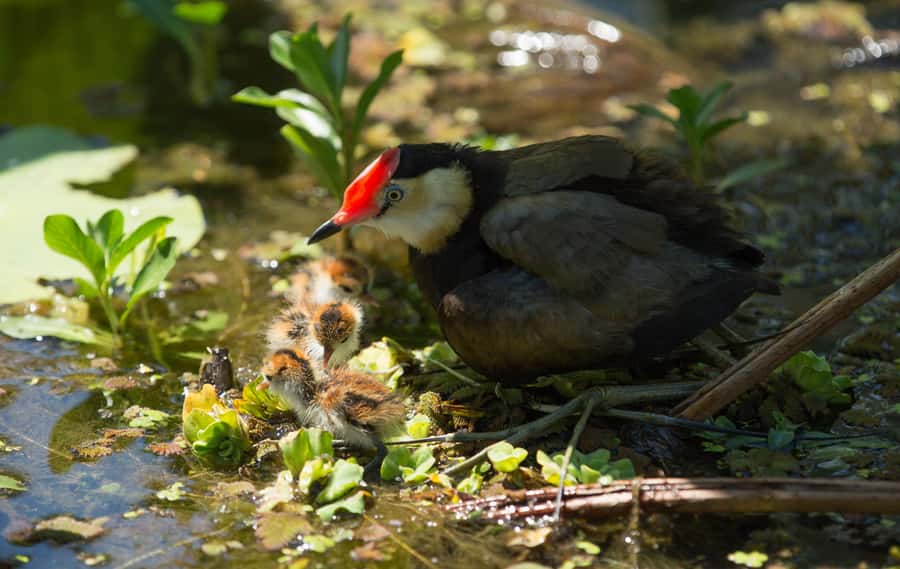
Birdlife is just as important. The cruise commonly produces about 30 species, and the list can include jabirus, sea eagles, brolgas, and other wetland birds. You need to pay attention, since some birds sit plainly in the open while others blend into reeds or trees. Bring binoculars if you have them.
The guides help turn a quiet stretch of water into an active search. Cam, Evan, Richard, Luke, Paul, and other guides have been singled out for explaining the plants, animals, ecology, local history, and safety rules in a friendly way. Evan in particular was praised for spotting wildlife and making sure everyone had a clear view.
More wildlife river trips in Australia:
- Solar Whisper Daintree River Crocodile and Wildlife Cruise
★ 5.0 · 1,663 reviews - 1-Hour Daintree River wildlife cruise
★ 5.0 · 947 reviews - Daintree: River Rainforest Crocodile & Wildlife Cruise (DV)
★ 4.6 · 346 reviews
Leaving Darwin in an air-conditioned vehicle
Pickup is around 9:00 AM from your selected Darwin hotel, with return around 5:00 PM. The vehicle can carry up to 20 passengers, while the cruise vessel has a maximum of 29 passengers. Actual group size may feel smaller, and one outing had only six people, while another had about 15.
That small-group feel is useful. You can ask questions without waiting for a large crowd to quiet down, and the guide can point out details on both the drive and the boat. The commentary begins on the road, not only once you reach the wetlands.
Expect stories about Darwin, Cyclone Tracy, World War II, local weather, the seasons, nearby parks, Aboriginal culture, and the countryside outside town. The drive is part of the experience, not just dead time between attractions.
The vehicle has air conditioning, a welcome feature in the Top End. Still, comfort can vary. One person found an older bus cramped, while other outings were described as comfortable. If you are tall, broad-framed, or sensitive to long rides, this is worth considering. The tour is not suitable for anyone over 309 pounds, or 140 kilograms.
Pickup timing may not be exact. One delayed pickup was about 30 minutes late, though the guide called ahead. I would be ready at the hotel entrance or in the lobby, with water and sun protection already in hand.
Fogg Dam, where a failed farm project became a bird refuge
Fogg Dam Conservation Reserve is the first major stop. The area began as a large rice-growing project in the 1950s, but the farming plan did not last. Today, the dam and surrounding wetland support many types of birds and other wildlife.
This stop gives you a useful introduction to the wetland environment before the main cruise. You can start learning how water, plants, birds, crocodiles, and seasonal changes fit together. Guides also use the area to discuss local ecology and the pressures facing threatened habitats.
Do not expect a long hike or a full morning here. The length of the stop can depend on the day’s timing and conditions. One outing lost time because of a flat tire, leaving less time at Fogg Dam. Another person would have preferred a longer visit there, even though the cruise remained the main highlight.
That is the tradeoff. Fogg Dam adds variety and gives you a chance to see wetland life from land, but the boat cruise receives the largest share of the day. If you are especially interested in photography or birdwatching, you may wish the stop were longer.
Bring a hat, sunglasses, sunscreen, and a camera. The sun can be strong, and much of the appeal here comes from watching and waiting for wildlife rather than rushing from one display to another.
Window on the Wetlands and the Adelaide River floodplains
A short drive takes you to the Window on the Wetlands Information Centre. The hands-on displays explain how wetlands work and give you a wider view from the upper viewing deck.
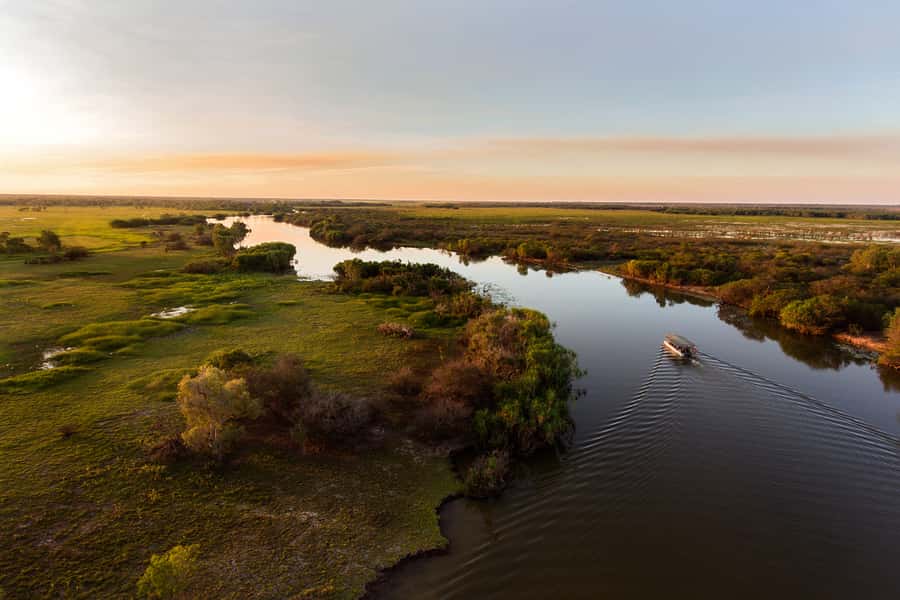
This is a good companion to the cruise. From the deck, you see the Adelaide River floodplains from above, while the boat later puts you close to the water and its wildlife. One stop offers scale, the other offers detail.
The centre also gives you a break from the vehicle before the cruise. You can stretch your legs, take in the broad view, and get a clearer sense of how much water shapes this part of the Northern Territory.
If you prefer nonstop wildlife action, this stop may feel quieter than the boat. I see its value as context. The display helps explain why floodplains support so many animals and why the wetland changes with the seasons.
More river trips with lunch in Australia:
- Strahan: World Heritage Cruise on Gordon River with Lunch
★ 4.8 · 1,143 reviews - Strahan: Gordon River Cruise with Lunch & Sarah Island Walk
★ 4.8 · 382 reviews - Adelaide Hills Tour with River Murray Lunch Cruise
★ 4.5 · 374 reviews - Brisbane: Cruise to Lunch Package: 10:30am-2pm (3.5hr)
★ 4.6 · 326 reviews
Lunch among crocodiles, lilies, and birdlife
Lunch is served during the wetland cruise, which is one of the tour’s nicest practical touches. You do not lose time returning to shore, and you can keep watching the water while you eat.
The meal consists of individual fresh salads with dressings, cold sliced meats, bread, and iced water. You can make sandwiches if you prefer. The portions have generally been described as generous, and several people found the lunch one of the strongest parts of the day.
This is not a restaurant lunch, and you should not book it expecting a hot meal or a broad menu. It is a cold picnic-style spread designed for a boat. For many people, that is exactly right: simple, fresh, filling, and easy to eat outdoors.
Vegetarian food is available in the form of salad, though one person found the vegetarian lunch adequate rather than special. If you have strict dietary needs, the supplied information does not promise a particular alternative, so check before booking.
The setting does plenty of work. You may be eating beside lily-covered water while a crocodile lies nearby or a large bird crosses the view. Keep your attention on the guide’s safety instructions and do not treat the wildlife as tame or predictable.
What the guides add to the experience
The guide is a major part of the value here. You are not simply transported to a boat and left to look around. Guides drive the vehicle, explain the region, lead the stops, and often help with wildlife spotting during the cruise.
Cam has been praised for mixing Darwin history and amusing local stories with clear information about the countryside. Evan has been noted for his humour, safety briefings, wildlife knowledge, and ability to keep a group engaged. Richard has been praised for explaining birds and crocodiles in a clear, friendly way, while Luke was described as an informative guide on a day with plenty of crocodiles, birds, and water buffalo.
The exact guide will vary, but the pattern is consistent: expect live English commentary rather than a recorded script. The best guides do more than name an animal. They explain its place in the wetland, point out plants and habitats, and help you understand why the area matters.
You will also hear more than wildlife facts. Commentary may cover Darwin’s past, Cyclone Tracy, World War II, Aboriginal culture, animal welfare, weather, and the changing seasons. That broader view makes the day feel connected to the Northern Territory rather than like an isolated attraction.
How much wildlife can you expect?
No wildlife tour can promise a particular sighting, but this wetland is a productive place to look. The tour information cites about 30 bird species on a typical cruise, and the experiences described include saltwater crocodiles, freshwater crocodiles, water buffalo, jabirus, sea eagles, brolgas, lotus flowers, and masses of lilies.
The water buffalo may be farther away, while crocodiles can appear close to the boat. The guide’s skill matters because a low shape on the bank can be easy to miss, especially in bright light.
Midday conditions can create glare on the water. One outing benefited from cloud cover, which made viewing easier. A hat and sunglasses help, and binoculars can make a real difference for distant birds.
Photography is well supported by the open boat, but conditions are not controlled. Wildlife moves, light changes, and the boat may need to keep a safe distance. Bring a camera, but give yourself time to watch without looking through it.
Price, pace, and who gets good value
At $166 per person, this is not the cheapest way to spend a day near Darwin. It includes hotel pickup and return, an air-conditioned vehicle, a live guide, Fogg Dam, Window on the Wetlands, a 2.5-hour cruise, lunch, and iced water. You are also paying for the driving, local interpretation, and the convenience of not arranging transport yourself.
I consider it good value if you want a full-day wildlife outing and do not have your own vehicle. The cruise is long enough to feel substantial, and the two land-based stops add useful context. The included lunch also saves you from finding food in a remote area.
The value is weaker if you only want a short boat trip. You spend roughly eight hours on the entire experience, including close to 90 minutes returning to Darwin after the wetland visit. The road time is part of the cost of reaching the wetlands.
This tour suits birdwatchers, first-time visitors to the Top End, photographers, couples, solo visitors, and families with older children. It is not recommended for children under five, and it cannot accommodate wheelchair users. The long day and open-air conditions may also be tiring for anyone who needs frequent rest.
Practical ways to enjoy the day
Wear light clothing that protects you from the sun. Pack sunglasses, a broad-brimmed hat, sunscreen, a camera, binoculars, and a reusable water bottle.
Keep some flexibility in your expectations. Wildlife sightings vary, the weather can affect glare, and the time at Fogg Dam may change if the road or vehicle causes a delay. The cruise is the main event, so a shorter stop elsewhere does not necessarily mean a poor day.
Ask questions. The small-group format makes it easier to ask about crocodile behaviour, bird identification, wetland plants, Aboriginal culture, or Darwin’s past.
Pay attention to the safety briefing. Crocodiles may look still and distant, but they are wild animals. The guide’s instructions are there to let you enjoy close views without careless behaviour.
The tour offers free cancellation up to 24 hours before departure and a reserve-now, pay-later option. Travel insurance is recommended, as with any full-day outdoor activity.
Should you book this Mary River day trip?
I would book it if you want the easiest well-rounded wildlife day from Darwin. The strongest reasons are the long cruise, the high chance of seeing crocodiles and many birds, the useful commentary, and the included lunch. Guides such as Evan, Cam, and Richard have helped make the day more than a transfer to a boat.
I would hesitate only if you dislike long vehicle rides, need accessible transport, want a hot lunch, or prefer a short activity with more time at one site. Birdwatchers should bring binoculars, and anyone who wants a long visit at Fogg Dam should know the cruise takes priority.
For most visitors, the combination of open-water viewing, local stories, crocodiles, birds, and simple logistics makes this a worthwhile use of a Darwin day.
FAQ
How long is the Mary River Wetlands tour?
The tour lasts about eight hours, with pickup around 9:00 AM and return to your Darwin accommodation around 5:00 PM.
Is hotel pickup included?
Yes. Pickup is included from the Darwin hotel selected during booking. You should wait outside the hotel or in the lobby.
How long is the wetland cruise?
The Mary River wetlands cruise lasts 2.5 hours.
What wildlife might I see?
You might see saltwater and freshwater crocodiles, many bird species, water buffalo, jabirus, sea eagles, brolgas, lotus flowers, and water lilies.
Is lunch included?
Yes. Lunch includes fresh individual salads with dressings, cold sliced meats, bread, and iced water.
How many people are on the tour?
The air-conditioned vehicle can carry up to 20 passengers. The open-air cruise vessel has a maximum of 29 passengers.
Is the tour suitable for young children?
The tour is not recommended for children under five years old.
Can wheelchair users join?
No. The tour cannot accommodate wheelchair users.
What should I bring?
Bring sunglasses, a sun hat, sunscreen, a camera, binoculars, and a reusable water bottle.
Just added around Australia
- Kakadu, Adelaide & Mary River Scenic Flight★ 5.0 · 18 reviews
- Darwin: Adelaide River Queen Original Jumping Crocodile Cruise★ 5.0 · 63 reviews
- Authentic Indigenous Cultural Tour Including Scenic River Cruise★ 5.0 · 88 reviews
- Cairns Combo: Cairns River Cruise & Small group Cairns City Sights★ 5.0 · 14 reviews
- E-Bike Hire Northern Rivers Rail Trail, with Return Transport★ 5.0 · 13 reviews
- Sunset River Cruise near Byron Bay★ 5.0 · 20 reviews
- Brisbane Bus Tour: Max 10 people | Half Day | Morning tea inc.★ 5.0 · 28 reviews
- 2 Hour Brisbane River Jetski Adventure★ 5.0 · 15 reviews
Australia River Cruises, compared.
Solar Whisper Daintree River Crocodile and Wildlife Cruise
Read our review →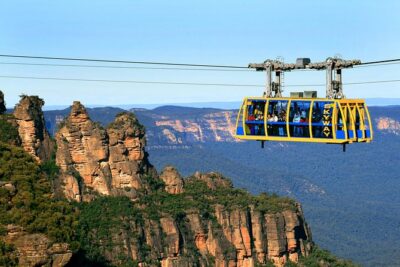
Blue Mountains Day Tour Including Parramatta River Cruise
Read our review →
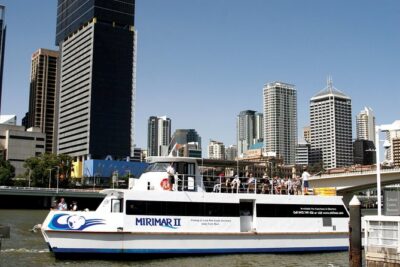
Brisbane River Cruise with entry to Lone Pine Koala Sanctuary
Read our review →
Spirit of Melbourne Dinner Cruise on the Yarra River
Read our review →
Brisbane River Cruise and Koala Sanctuary Visit
Read our review →Browse the lists this tour appears in