
REVIEW · ASWAN
4Days 3Nights Nile Cruise from Aswan to Luxor All Tours Included
The best part of this four-day Nile cruise is the rhythm: you visit one great temple, return to the ship, then watch the river slide past as you move toward Luxor. Philae, Edfu, Karnak, and the Valley of the Kings give you a strong sweep of ancient Egypt without changing hotels every night.
I like that the price includes the pieces that often add up fast: entrance fees, three meals a day, transport, water, and a private Egyptologist guide. I also like the care built into the transfers, with pickup in Aswan and drop-off anywhere in Luxor. The main drawback is the packed schedule, especially on Day 3, and the cruise ship itself is not named, so you should confirm the vessel and sailing dates before paying.
At a glance
- Philae by motorboat: Reach Isis’s temple by water, passing through Aswan’s granite islands.
- Ten major sites: The program covers dams, quarries, temples, royal tombs, and historic avenues.
- A guide named John Gamyl: The supplied tour details repeatedly praise John’s storytelling, patience, and care with families and mixed-age groups.
- Three nights aboard ship: You unpack once while moving from Aswan to Luxor.
- A full Egyptian meal plan: Breakfast, lunch, and dinner are included for all three days of cruising.
- A maximum of 20 people: Smaller than a large coach tour, though the phrase private guide should be clarified when booking.
A Nile route built around the best southern temples
At $690 per person, this tour is designed to remove much of the usual friction from southern Egypt. You do not need to arrange separate cars between Aswan and Luxor, buy entrance tickets at each stop, or find a guide at every temple. The ship, sightseeing vehicle, meals, guide, and transfers are bundled together.
That matters in Egypt. The sites are spread along the river, and the distances can make independent planning tiring. Here, your main task is to keep your hat, water, and camera ready. The tour provides water during excursions, but drinks on the ship cost extra.
The route is also well chosen. Aswan provides the river and island setting, Edfu and Kom Ombo add two distinctive temple stops, and Luxor supplies the biggest concentration of royal and religious monuments. You see a little of modern engineering too, not just ancient stone.
The trade-off is pace. This is not a stay-by-the-pool holiday with an occasional monument. You will leave the ship for scheduled visits, climb steps at the Unfinished Obelisk, walk across open ground, and spend a busy day on Luxor’s west and east banks.
More Nile cruises in Aswan:
- 4-Days Nile Cruise From Aswan To Luxor including Abu Simbel and Hot Air Balloon
★ 5.0 · 3,142 reviews - 4-Day 3-Night Nile Cruise from Aswan to Luxor&Abu Simbel+Balloon
★ 5.0 · 2,023 reviews - 4-Day 3-Night Nile Cruise from Aswan to Luxor including Abu Simbel, Air Balloon
★ 4.5 · 612 reviews
Day 1: Philae, the High Dam, and the Unfinished Obelisk
The first day begins in Aswan with three very different sights. That variety is useful. You start with a temple in a beautiful river setting, then see the modern dam that changed the region, and finish in the quarry where the ancient builders sourced their granite.
Philae Temple by boat
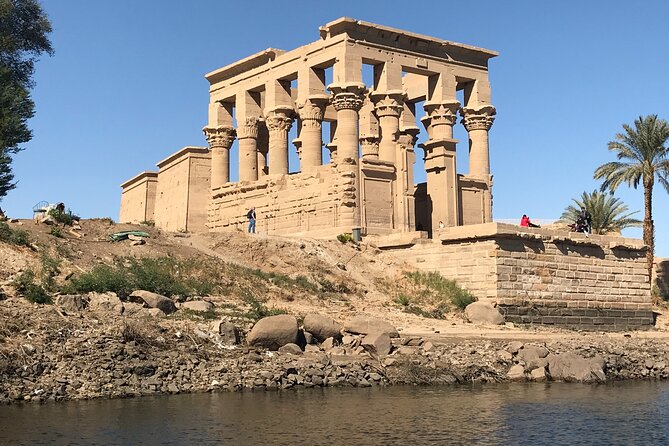
Philae is dedicated to Isis, one of ancient Egypt’s most important goddesses. The temple sits on an island reached by motorboat, so the approach is part of the experience. You pass among granite rocks and open water before arriving at the columns and sanctuaries.
Your guide should explain the story of Isis and Osiris, a central Egyptian myth about love, death, loyalty, and restoration. The site also helps you understand how old beliefs changed over time. Philae was rebuilt and used during the Greek and Roman period, then later affected by the spread of Christianity.
Allow about two hours here. Wear shoes with a good grip and bring sun protection. The boat ride is short, but the combination of uneven stone, glare, and heat can make this stop more tiring than its schedule suggests.
Aswan High Dam
The High Dam takes about 30 minutes. It is not as visually ornate as a temple, but it gives you an important explanation of modern Egypt.
Built from 1960 and inaugurated in 1971, the rock-filled dam created Lake Nasser, a reservoir stretching roughly 550 kilometers south toward Sudan. It supplies water and hydropower, while also changing the annual flooding pattern that shaped farming along the Nile.
I like this stop because it prevents the cruise from treating Egypt as a country frozen in antiquity. You see the engineering project that reshaped the river before returning to monuments thousands of years older.
A few more river trips around Aswan worth comparing
- From Aswan: 4-Day Nile Cruise from Aswan to Luxor with Guide
★ 4.1 · 593 reviews - 4-Day 3-Night Nile Cruise from Aswan to Luxor – Private Tour
★ 5.0 · 369 reviews - 4 Days Nile Cruise from Aswan to Luxor including Abu Simbel and Hot Air Balloon
★ 4.5 · 356 reviews - 4-Day 3-Night Nile Cruise from Aswan to Luxor With Balloon and Abu Simbel
★ 5.0 · 327 reviews
The Unfinished Obelisk
The ancient granite quarry provides a close look at how large stone monuments were made. The unfinished obelisk remains attached to the bedrock because cracks appeared in the granite. If completed, it would have weighed about 1,167 tons.
Stairs lead up toward the quarry, and the visit lasts about 45 minutes. The climb is described as manageable, but this is one of the places where moderate fitness matters. You will see the channels and marks left by workers attempting to separate the stone from the mountain.
The day ends with transfer to the ship in Aswan. You have the rest of the evening aboard, which gives you a chance to rest before the next day’s temple visits.
Day 2: Crocodile gods, Horus, and the Esna Lock
Day 2 shifts from Aswan’s granite setting to the river’s working rhythm. You visit Kom Ombo and Edfu, then watch the ship pass through the Esna Lock.
Kom Ombo’s unusual double temple
Kom Ombo is smaller than the major temples at Karnak or Edfu, but its plan makes it especially interesting. It was dedicated to two gods: Sobek, the crocodile god, and Haroeris, a falcon-headed form of Horus.
A shared temple for two deities gives your guide plenty to explain. You will see the Nilometer, once used to measure the Nile’s level, and visit the crocodile museum, where mummified crocodiles found in nearby tombs are displayed.
The visit takes about 90 minutes. The site is close to the river, so you can return to the ship without a long road transfer. That is one of the pleasures of a Nile cruise: the ancient site is often right beside the water.
Edfu Temple and the story of Horus
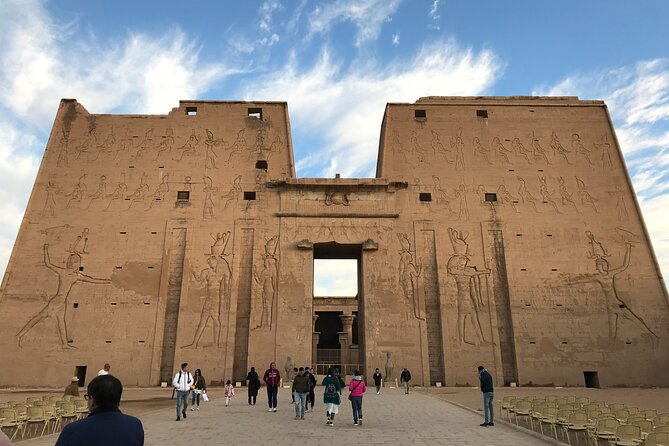
At Edfu, the scale changes dramatically. A short ride by horse carriage or minivan takes you from the ship to the temple, depending on local arrangements. The temple is dedicated to Horus, the falcon-headed son of Isis and Osiris.
Edfu is one of Egypt’s best-preserved temples. Its walls and monumental entrance make it easy to picture the place as an active religious center rather than a collection of ruins. The story of Horus taking revenge on Seth gives the reliefs and rooms a clear narrative thread.
Plan on about two hours at Edfu. The ride from the ship is convenient, but the local transport choice may matter to you. If you prefer not to use a horse carriage, ask in advance if a minivan can be arranged.
Passing through the Esna Lock
The Esna Lock is less ancient but highly entertaining. The ship enters the lock, the gates close, and the water level drops so the vessel can continue toward Luxor.
Vendors may throw cotton goods onto the ship, including galabeyas, towels, and tablecloths. You can look, bargain, or simply watch the unusual sales method from a safe distance. Keep personal space in mind, and do not feel obliged to buy.
The ship then continues toward Luxor. Day 2 has a good balance of guided sightseeing and time on the river, although the long sailing period means you should be comfortable spending many hours aboard.
Day 3: Royal tombs and Luxor’s great temples
Day 3 is the most important sightseeing day and also the busiest. It covers the Valley of the Kings, Hatshepsut’s temple, the Colossi of Memnon, Karnak, Luxor Temple, and views of the Avenue of the Sphinxes.
The Valley of the Kings
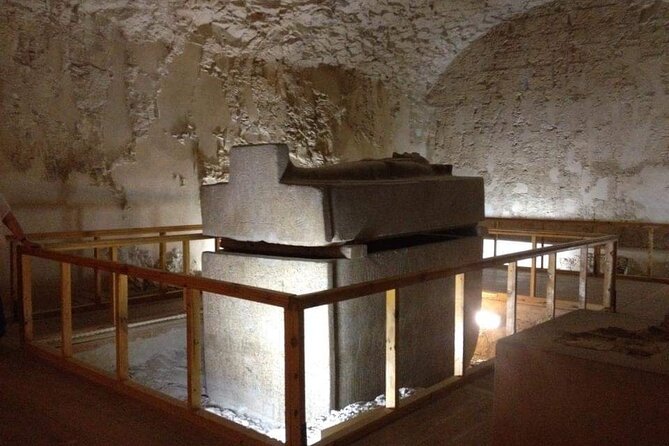
The Valley of the Kings is the emotional center of the trip for many people. This dry valley served as a royal burial ground for about 500 years, beginning around 1500 BC. Sixty-two tombs are known here, including those linked with Ramesses II, Tutankhamun, and Seti I.
The value of a guide is clear inside the tombs. From outside, many entrances look like plain cuts in the rock. Inside, painted scenes and inscriptions can still show strong color after roughly 3,500 years.
The schedule allows about two hours. Entrance to the listed sites is included, but tomb access rules can change, and famous tombs may require an additional ticket. Ask your guide what is included on the day, especially if Tutankhamun’s tomb is a personal priority.
The valley is exposed, and the walk from the visitor area can be warm. Bring water, though water is supplied during excursions, and wear shoes suited to uneven ground.
Hatshepsut at Deir el Bahari
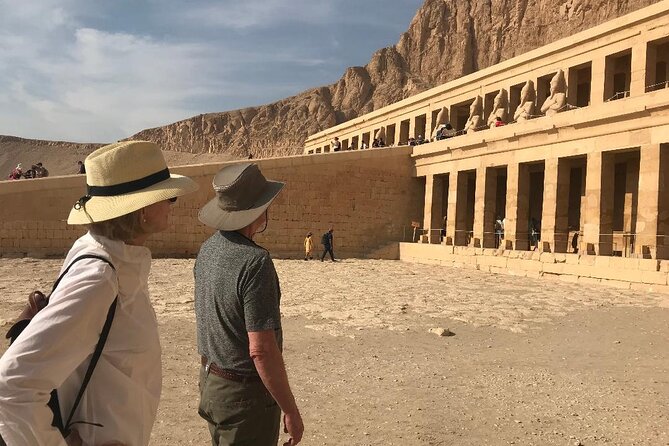
Hatshepsut’s mortuary temple is only a short distance from the Valley of the Kings, on the other side of the cliffs. Its broad terraces and unusual setting make it unlike the other temples on this route.
This is also where the story of Hatshepsut gives the guide room to explain royal power and gender in ancient Egypt. She ruled as pharaoh, not simply as a ceremonial queen, and her successor later damaged parts of her legacy and temple.
You have about 90 minutes here. The site includes open terraces and stairs, so sun and heat remain concerns. If you want the clearest photographs, listen for your guide’s advice about angles and timing rather than rushing straight to the entrance.
The Colossi of Memnon
The two statues of Amenhotep III take only about 15 minutes. They once flanked the entrance to a vast mortuary temple, most of which has disappeared.
The name Memnon comes from Greek tradition, while the statues depict the Egyptian pharaoh Amenhotep III. This is a quick roadside-style stop, but it works well as a visual link between the west bank’s royal monuments.
Karnak Temple
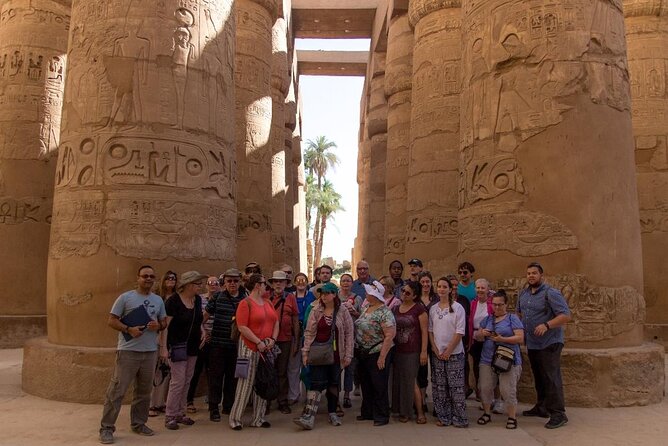
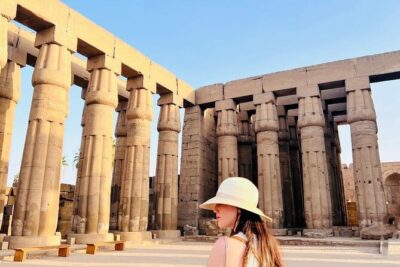
Karnak is the largest and most demanding temple complex on the program. It covers about 200 acres and contains monuments built over roughly 2,000 years. You will see gateways, sphinxes, colossal statues, a sacred lake, sanctuaries, and the famous hall of columns.
Do not treat the 90-minute visit as enough time to see every corner. It is enough for a guided route through the major features, but you may want extra time if photography or architectural detail matters to you.
Karnak rewards a guide who can impose order on a very large site. John Gamyl is repeatedly praised in the supplied material for his storytelling, patience, and ability to explain ancient Egypt to people of different ages. That matters here. Without context, Karnak can feel like a huge stone maze. With a clear explanation, the layers of construction begin to make sense.
Luxor Temple and the Avenue of the Sphinxes
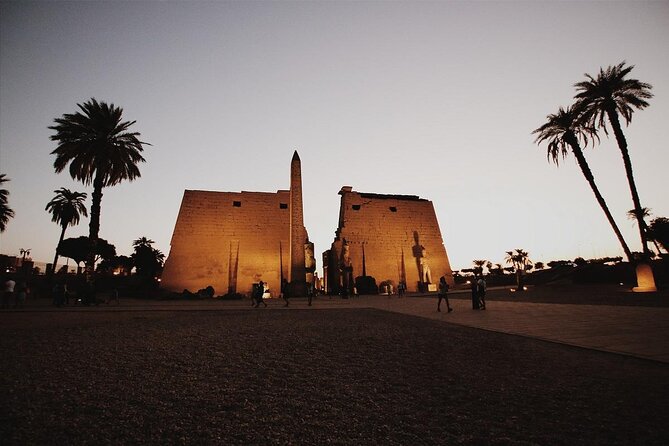
Luxor Temple sits beside the Nile in the center of modern Luxor. Amenhotep III began the temple, and Ramesses II later added major sections, statues, and obelisks.
The temple reflects several periods of use, from ancient Egyptian worship to Roman and Christian changes and later Arab settlement around it. The visit takes about an hour and is often a good contrast with Karnak. Karnak feels sprawling and ceremonial, while Luxor Temple is more compact and tied closely to the modern city.
The Avenue of the Sphinxes once linked Luxor Temple with Karnak. Priests used the route during religious festivals while carrying the sacred boats of the gods. More than 2,000 sphinxes once lined the avenue, although only sections survive and some have been restored.
You may see parts of the avenue from Luxor Temple and other points in town. The road is an important reminder that modern Luxor grew over ancient ground.
After sightseeing, you return to the ship for the evening in Luxor. This is a full day, so I would keep the evening quiet unless you have plenty of energy left.
Day 4: A flexible end in Luxor
Checkout is at 10:00 a.m. You can remain on the ship until departure, walk around while your luggage is stored aboard, or arrange transfer to the airport, train station, or another location in Luxor.
This final morning is useful if your onward departure is later in the day. The tour does not promise an additional guided visit, so do not count on another temple stop after checkout.
What the $690 price really covers
The price is strong for a four-day package if you value convenience. Included are:
- Pickup and drop-off
- A five-star ship
- A private Egyptologist guide
- Entrance fees to the listed sites
- Tourist vehicles for excursions
- Breakfast, lunch, and dinner for three days
- Water during excursions
- All fees and taxes
You still pay for drinks aboard the ship, tips, laundry, massage services, shopping, and other personal costs. Tipping is not included, so plan for that separately.
The main thing to confirm is the exact ship. The information promises a comfortable five-star vessel but does not name it. Ask about the ship, sailing dates, cabin arrangement, and whether the guide is exclusively assigned to your party or works with a group of up to 20 people.
Who will get the most from this cruise
I would choose this tour if you want the major southern sites handled in one package and prefer not to manage Egyptian transport yourself. It suits first-time visitors, families, couples, and anyone who wants a guide to explain the myths, rulers, and building programs rather than simply point out the monuments.
It is also a good fit if you dislike changing hotels. You unpack once and use the ship as your base while the route moves from Aswan to Luxor.
I would hesitate if you want long, unstructured visits at each site. Day 3 is especially dense, and the schedule leaves limited room for wandering. A moderate level of fitness is expected, with walking, stairs, heat, and uneven surfaces.
The strongest human element appears to be guide John Gamyl. The supplied comments repeatedly credit him with careful organization, warm attention to families, clear explanations, and strong storytelling. One family even noted that he handled details from arrival through departure. Those are useful qualities in a tour where timing and transfers matter as much as archaeology.
Should you book it?
Book this Nile cruise if you want a well-covered Aswan to Luxor route with meals, tickets, transport, and a guide folded into one price. You will see the essential temples plus modern and lesser-known stops, and you will spend three nights moving along the river instead of sitting in road traffic.
Before booking, confirm the ship name, group setup, sailing schedule, and any extra tomb fees. If those details suit you, $690 offers solid value for a tightly organized introduction to southern Egypt. If your priority is slow exploration, choose a longer cruise or a private custom program instead.
FAQ
How long is the Nile cruise from Aswan to Luxor?
The experience lasts four days and three nights. The cruise begins in Aswan and ends in Luxor.
What sites are included?
The route includes Philae Temple, the Aswan High Dam, the Unfinished Obelisk, Kom Ombo Temple, Edfu Temple, the Esna Lock, the Valley of the Kings, Hatshepsut’s Temple, the Colossi of Memnon, Karnak Temple, Luxor Temple, and views of the Avenue of the Sphinxes.
Are meals included?
Yes. Breakfast, lunch, and dinner are included for three days. Drinks on the ship are not included.
Is a guide included?
Yes. A private Egyptologist tour guide is included. The supplied information and comments identify John Gamyl as the guide connected with many of the tours.
Is transportation included?
Yes. Pickup, transfers, tourist vehicles for excursions, and drop-off in Luxor are included. Drop-off can be arranged at the airport, train station, or another location within Luxor.
How large is the group?
The maximum group size is 20 people. Ask at booking how the private guide arrangement applies to your specific party.
What happens after checkout on Day 4?
You check out at 10:00 a.m. You can remain on the ship until departure or walk around while your luggage is stored. The tour then transfers you to your chosen destination in Luxor.
Just added around Aswan
- Sailing Nile Cruise from Aswan to Luxor for 2 Nights★ 4.5 · 139 reviews
- 4-Day Nile Cruise: Aswan to Luxor & Abu Simbel + Hot Air Balloon★ 4.5 · 35 reviews
- 4-Days Aswan sails Nile Cruise Luxor &Abu Simbel.Hot air Balloon★ 4.5 · 77 reviews
- Sailing Nile cruise from Aswan for 2 nights★ 4.0 · 11 reviews
- 8 Nights Egypt Tour,Cairo,Luxor,Aswan&Abu Simbel,Nile Cruise,Hot Air Balloon★ 4.5 · 11 reviews
- Sailing Nile cruise from Aswan to Luxor includes tours for 3 nights★ 5.0 · 16 reviews
- 2 nights Nile cruise includes tours from Aswan to luxor★ 4.5 · 64 reviews
- (Wonderful 3-Nights Nile Cruise from Aswan to Luxor & Balloon)★ 4.5 · 17 reviews
Aswan River Cruises, compared.
4-Days Nile Cruise From Aswan To Luxor including Abu Simbel and Hot Air Balloon
Read our review →
4-Day 3-Night Nile Cruise from Aswan to Luxor&Abu Simbel+Balloon
Read our review →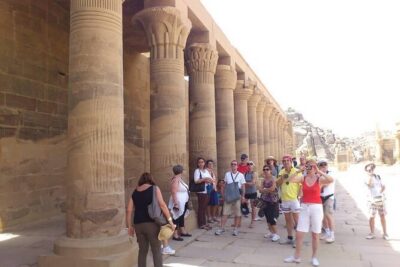
4-Day 3-Night Nile Cruise from Aswan to Luxor including Abu Simbel, Air Balloon
Read our review →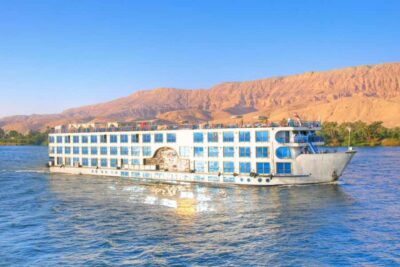
4-Day Nile Cruise from Aswan to Luxor with Guide
Read our review →4-Days Nile Cruise From Aswan To Luxor including Abu Simbel and Hot Air Balloon
Read our review →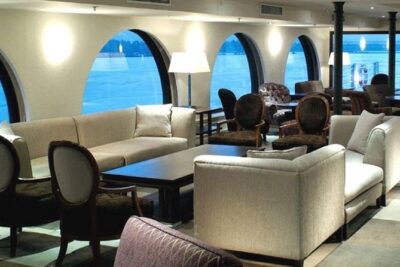
4-Day 3-Night Nile Cruise from Aswan to Luxor – Private Tour
Read our review →4 Days Nile Cruise from Aswan to Luxor including Abu Simbel and Hot Air Balloon
Read our review →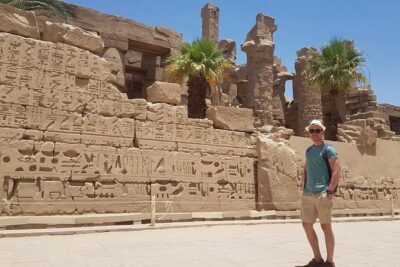
4-Day 3-Night Nile Cruise from Aswan to Luxor With Balloon and Abu Simbel
Read our review →Browse the lists this tour appears in