
REVIEW · ASWAN
3 Nights Nile Cruise include hotair ballon, sound&light AbuSimbel
The best part of this four-day trip is the way it links Egypt’s major southern sights by river and road. You see Nubian Aswan, the relocated Temple of Philae, Abu Simbel, two beautifully preserved Ptolemaic temples, and Luxor’s royal tombs without arranging each transfer yourself. The sunrise hot-air balloon flight and the evening sound-and-light show give the schedule some welcome variety.
I like two things especially: the private guide and vehicle, which give your group more control than a large coach tour, and the strong value at $288. Entrance fees, three breakfasts, three lunches, three dinners, transportation, bottled water, and a qualified Egyptologist guide are included. The main caution is the pace. Abu Simbel takes about nine hours by road and the final Luxor day is packed, so this is sightseeing with a timetable, not a slow cruise.
Key points at a glance
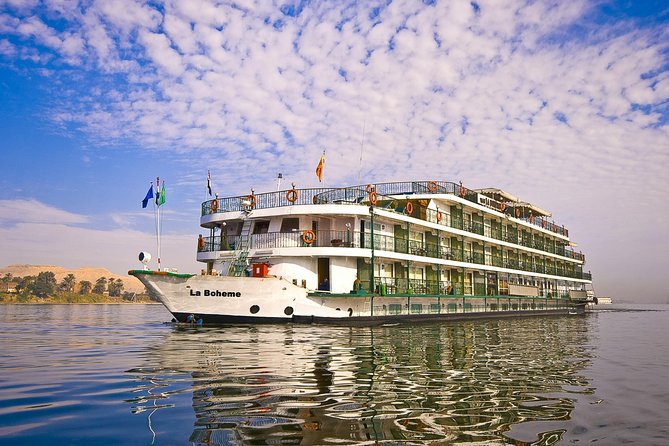
- Three nights on the Nile: Cruise from Aswan toward Luxor, with meals and shore visits built into the journey.
- Abu Simbel by road: Allow a full day for Ramses II and Nefertari’s rock-cut temples.
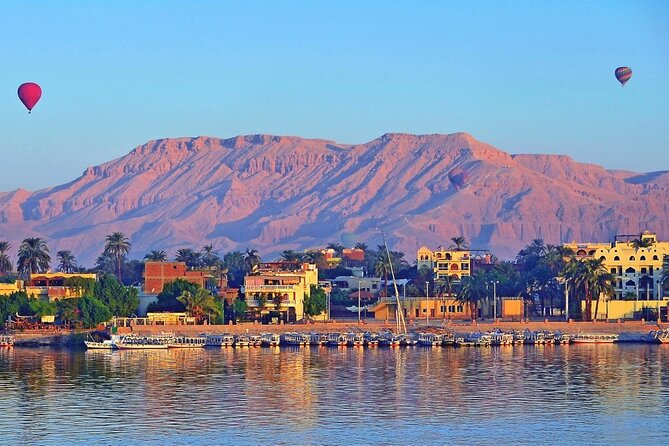
- A sunrise above Luxor: The hot-air balloon ride is weather-dependent and requires an early pickup.
- Private touring: Your own group receives a private vehicle and Egyptologist guide.
- Strong coverage for $288: Fees, meals, transportation, and sightseeing are included, though you should confirm the ship and cabin details before paying.
- A schedule worth checking: The supplied details place the sound-and-light show at Karnak, while the title and some comments refer to Abu Simbel, so ask the operator to confirm the exact show.
Why this Aswan to Luxor cruise works
A Nile cruise is useful because it turns movement into part of the sightseeing. Instead of packing and unpacking between Aswan, Kom Ombo, Edfu, and Luxor, you return to the same floating base after many excursions.
This package also adds two experiences that are not part of a standard temple run. Abu Simbel takes you far south by road, while the balloon ride gives you a view of Luxor from above. I like that contrast. One experience is monumental and close-up, with enormous statues and carved walls. The other is quiet and wide open, with the Nile, fields, and ancient sites below.
The $288 price is attractive because so much is bundled. You receive private transportation, entrance fees, meals for three days, bottled water each day, and a guide. The exact cruise vessel, cabin grade, sailing dates, and onboard facilities are not specified, so I would treat those as important questions rather than assume a luxury ship.
Past feedback points to strong organization and friendly crew service. Guides named include Mohamed Al Basry, Mohsin, and Ahmed. That does not mean you will receive one of them, but it tells you what to request if a particular guide is available.
More Nile cruises in Aswan:
- 4-Days Nile Cruise From Aswan To Luxor including Abu Simbel and Hot Air Balloon
★ 5.0 · 3,142 reviews - 4-Day 3-Night Nile Cruise from Aswan to Luxor&Abu Simbel+Balloon
★ 5.0 · 2,023 reviews - 4-Day 3-Night Nile Cruise from Aswan to Luxor including Abu Simbel, Air Balloon
★ 4.5 · 612 reviews
Day 1: Philae Island and the High Dam
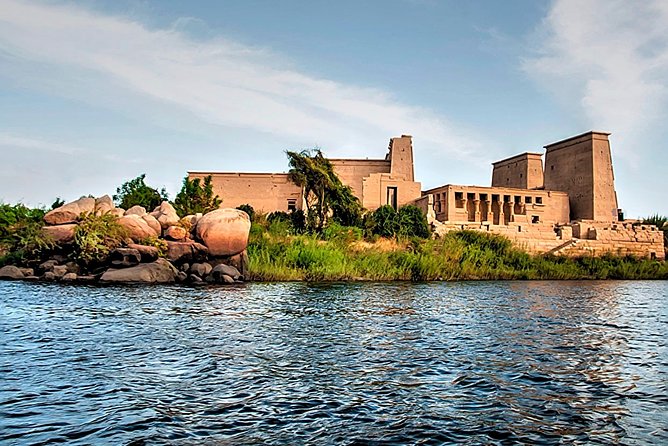
Your first stop is Philae Temple, reached by boat on the Nile. That short water crossing helps set the mood. Philae sits on Agilkia Island today, after the temple complex was moved to protect it from the rising waters created by the dams.
The sanctuary was dedicated mainly to Isis, one of ancient Egypt’s most important goddesses. You will see a mix of Egyptian and Greco-Roman construction, including chapels, courtyards, columns, and carved scenes. A good guide can explain why the site feels different from the older temples farther north. Philae remained an active religious center for a long period, and its later carvings show how Egyptian worship continued under Greek and Roman rule.
The visit is scheduled for about two hours, which gives you time to see the main complex without turning the first day into a marathon. Wear shoes with a firm sole because you will be walking over uneven stone and open courtyards. The boat ride is included as part of the visit, though the supplied details do not specify how long you remain on the island.
Next comes the Aswan High Dam. This is not as visually ornate as Philae, but it explains modern Egypt’s relationship with the Nile. You will see the major dam and the generators linked to electricity production. The stop lasts about an hour.
I find the pairing useful. Philae shows the river’s ancient religious importance, while the dam shows how the river was controlled in the modern era. The day is fairly manageable, which is helpful after arrival by air or a long transfer.
Day 2: Abu Simbel requires a full day
Abu Simbel is the most demanding outing on the schedule. The drive and visit take about nine hours in total, so you should expect an early start and a long return to the ship.
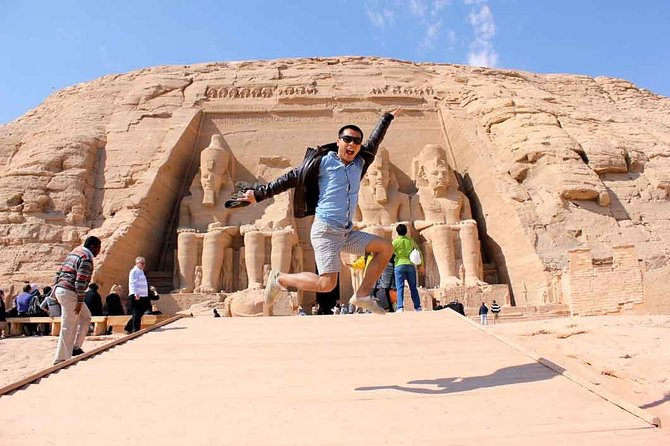
The main temple was built by Ramses II, with four colossal seated statues of the king guarding the entrance. Inside, you will pass through large halls and chambers before reaching the sanctuary. The smaller temple honors Nefertari, Ramses II’s wife, and gives the visit a more personal balance. The scale is the point here. The façades are huge, but the interior reliefs reward a slower look.
The famous solar alignment reaches the sanctuary twice each year, lighting selected figures at the back of the temple. The supplied description links the dates to Ramses II’s birthday and coronation, though dates and interpretations can vary in modern explanations. Your guide can help sort out the story without making you study every inscription alone.
I would not book this tour if you dislike long road days. Abu Simbel is far from Aswan, and there is no quick way to add it. For many people, though, the distance is justified. You get one of Egypt’s most dramatic monuments and a chance to see how powerful a single royal commission could be.
The cruise schedule resumes after Abu Simbel. Lunch is served onboard, followed by tea on the sun deck and the visit to Kom Ombo. That order may vary with sailing conditions, so confirm the exact departure times with the operator.
Kom Ombo: two gods, one unusual temple
Kom Ombo is dedicated equally to Sobek, the crocodile god, and Horus, the falcon god. The temple has a symmetrical plan, with paired entrances, halls, and sanctuaries. That divided design gives the site its special character.
You can also visit the crocodile museum. It adds a useful layer to the temple because crocodiles were not simply feared animals. They had religious meaning, and preserved crocodile remains show how closely worship and the natural world were linked.
The visit lasts around 90 minutes. The temple sits close to the river, so the stop is efficient and easy to combine with the cruise. Try to walk a little apart from the main group when your guide pauses. The carved reliefs are easier to appreciate when you are not only looking at the largest columns.
After the visit, the ship continues toward Edfu, where you spend the night. The rhythm is pleasant here: road excursion, meal, river movement, then a compact temple visit before returning to the ship.
Same river, a completely different day on the water:
- From Aswan: 4-Day Nile Cruise from Aswan to Luxor with Guide
★ 4.1 · 593 reviews - 4-Days Nile Cruise From Aswan To Luxor including Abu Simbel and Hot Air Balloon
★ 4.5 · 509 reviews - 4-Day 3-Night Nile Cruise from Aswan to Luxor – Private Tour
★ 5.0 · 369 reviews - 4 Days Nile Cruise from Aswan to Luxor including Abu Simbel and Hot Air Balloon
★ 4.5 · 356 reviews
Day 3: Horus at Edfu and the Nile locks
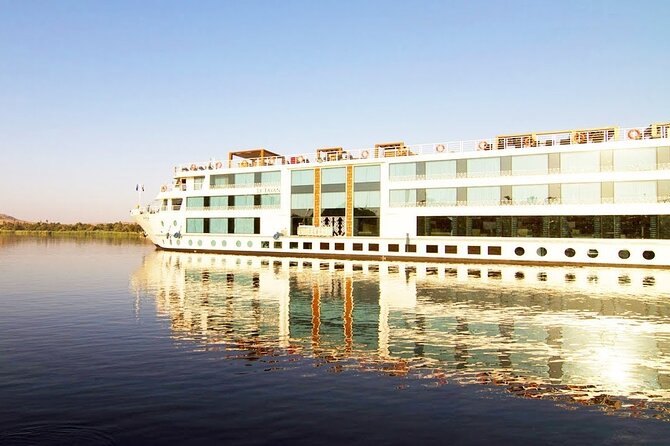
Edfu Temple is one of the best-preserved major temples in Egypt. Built during the Ptolemaic period and dedicated to Horus, it gives you a clearer sense of how a complete temple complex was organized.
The tall pylon carries large reliefs connected with the struggle between Horus and Seth. Inside, you will see courtyards, columns, inscriptions, and sanctuaries. The scheduled visit lasts about two hours, enough time for your guide to explain the main myths and the function of the temple rooms.
One practical detail matters here: the transfer to the temple can involve local transport arrangements, but the supplied details do not specify the vehicle or method. Ask your guide where to meet and how long the return transfer takes, especially if the ship has a fixed sailing time.
After Edfu, the ship heads toward Esna. The cruise passes through two locks, where the vessel is raised or lowered to continue along the river. Watching the water level change from the sun deck can be a memorable small event. It is not a major monument, but it shows how the cruise works as transport, not just accommodation.
Luxor Temple after dark
Once you reach Luxor, the first major visit is Luxor Temple. Amenhotep III began the temple in the 18th Dynasty, and later rulers including Ramses II and Tutankhamun added to it.
The temple is especially interesting because its walls reflect more than one period of Egyptian life. Pharaonic, Coptic, and Islamic traces appear within the broader story of the site. The divine birth scenes connected with Amenhotep III were meant to support his right to rule, making the temple more than a place of worship. It was also a statement about royal authority.
A two-hour visit gives you enough time to see the processional areas, statues, columns, and major inscriptions. Luxor Temple is particularly atmospheric after sunset, when the lighting picks out the stone without the harsh midday sun.
The schedule then includes a sound-and-light show at Karnak, lasting about two hours. Here you need to verify the details before booking. The title refers to a sound-and-light experience connected with Abu Simbel, and some supplied comments also mention Abu Simbel, but the day-by-day program clearly places the show at Karnak in Luxor. Do not assume the two shows are interchangeable.
The Karnak presentation explains the temple complex and its different monuments through narration, lighting, and music. It is a theatrical experience rather than an archaeological lecture. I would enjoy it as a change of pace after a full day of stone and inscriptions, but if you prefer quiet ruins, it may feel less essential than the daytime visits.
Day 4: A hot-air balloon over Luxor
The balloon ride begins with an early pickup from the west bank. You return to the ship afterward, then continue with the day’s sightseeing.
This is one of the strongest additions to the package. From the air, you can see how sharply Luxor changes from cultivated land near the Nile to dry desert beyond it. The temples and tombs become part of a larger setting rather than isolated stops on a road map.
The flight is scheduled for about an hour and depends on good weather. That means the precise timing can change, and cancellation or rescheduling is possible if conditions are poor. Wear warm layers for the early start, even if the afternoon will be hot. The operator provides the transfer and admission according to the supplied details, but the exact balloon company and flight procedures are not stated.
After landing, you visit the Valley of the Kings. The valley contains 63 known royal tombs from the New Kingdom. The dry setting helped preserve painted scenes and inscriptions, while the hidden location was chosen in part to protect royal burials from thieves.
Your ticket access is described as an entrance fee, but the number of tombs included is not specified. This matters because certain famous tombs can require extra payment or separate arrangements. Ask your guide which tombs are included that day.
Inside, expect narrow passages, steps, and painted walls rather than grand exterior buildings. The rooms explain the ancient Egyptian path toward the afterlife through images of gods, rituals, and the journey of the dead. The heat and limited space can make the two-hour visit tiring, so carry the included water and pace yourself.
Hatshepsut and the Colossi of Memnon
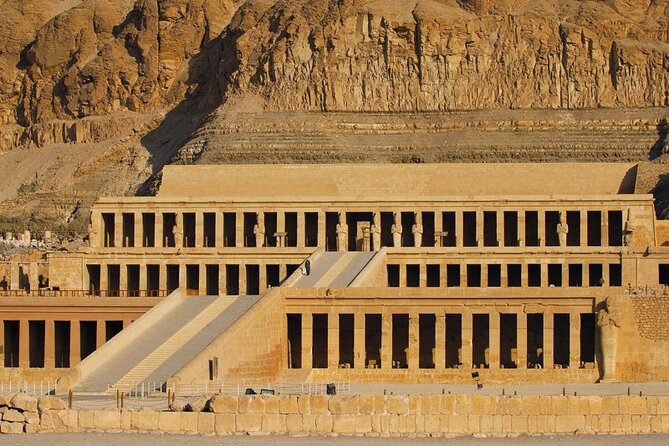
The Temple of Hatshepsut at Deir el Bahari has a very different shape from the Valley of the Kings. Its broad terraces rise against the cliffs, with long lines and open levels replacing the hidden corridors of the tombs.
Hatshepsut ruled as a woman pharaoh, and the temple presents her royal authority through scenes of divine birth and an expedition to Punt. The supplied description dates the temple’s design to Senenmut, a high official and architect associated with Hatshepsut’s reign. Your guide can help you understand how architecture and royal imagery worked together here.
The visit lasts about two hours. Bring sun protection because much of the experience is outdoors, and the stone terraces can feel exposed.
The Colossi of Memnon is a short 30-minute stop. Two enormous sandstone statues once guarded the entrance to a much larger mortuary temple. Today the statues are the main attraction, so this is a quick photo and story stop rather than a long exploration.
I like the way these visits follow the Valley of the Kings. You move from hidden royal burials to a public royal monument, then finish with the huge statues that marked another ruler’s memorial complex.
Karnak completes the Luxor visit
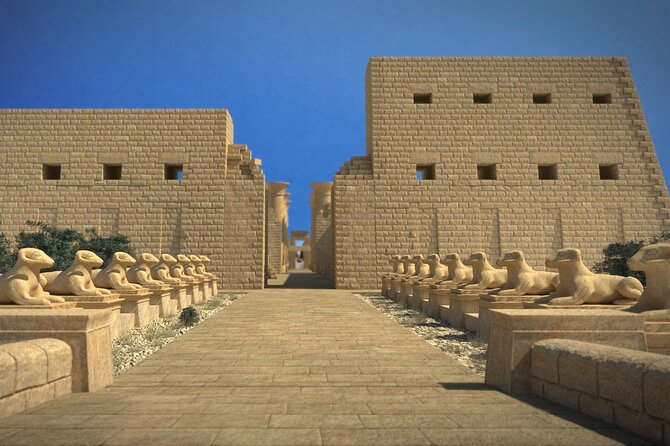
Karnak is the largest temple complex on this program and deserves the full two hours provided. It was dedicated to the Theban triad of Amun, Mut, and Khonsu, and different rulers added halls, pylons, columns, chapels, and sacred spaces over many centuries.
The Great Hypostyle Hall is the visual centerpiece, but do not rush through the smaller details. Look for the Sacred Lake and the large scarab statue included in the visit. The local tradition says that walking around the scarab several times brings good luck and helps wishes come true. It is a lighthearted custom, but it gives you a fun way to end a serious archaeological day.
Karnak can be tiring because of its size. Keep your phone or camera ready, but give your eyes time to adjust to the scale. A good guide is most useful here, since the complex can otherwise feel like a long succession of columns and walls.
After Karnak, you are transferred to your Luxor hotel or the airport. The transfer point is important when you plan flights. Do not schedule a tight connection without confirming the final visit and vehicle timing.
What is included, and what should you confirm?
The package includes:
- Private transportation in an air-conditioned vehicle
- A private tour for your group
- A qualified Egyptologist guide
- Entrance fees and taxes
- Breakfast, lunch, and dinner for three days
- One bottled water per person each day
Tips, personal spending, international airfare, and anything not listed are excluded. Tipping is customary in Egypt, but no amount is specified, so keep small notes available and ask your guide about the appropriate approach for the crew, driver, and local staff.
The cruise rooms deserve a direct question. One piece of feedback found the ship comfortable but expected more from the rooms at this price. Because the ship name, cabin category, and onboard facilities are not supplied, ask for photographs and the exact vessel before booking. The $288 price is good for the amount of touring included, but the value depends partly on the cabin standard.
You need a moderate level of physical fitness. Expect walking, steps, uneven surfaces, heat, early starts, and a long Abu Simbel day. The tour is private, which helps if someone in your group needs a short pause, but it does not remove the physical demands of the monuments.
Confirmation is provided at booking, and pickup is offered. The tour is close to public transportation in some areas, though most of your movements are handled by private vehicle. Free cancellation is available up to 24 hours before the start time. Within 24 hours, there is no refund, and poor weather can lead to a new date or a full refund, particularly relevant to the balloon flight.
Who should book this Nile cruise?
I would choose this trip if you want the main Aswan to Luxor sights in a short, well-organized package. It suits first-time visitors who prefer one guide, one transport arrangement, and a clear route rather than several separate day tours.
It also works well for families and private groups. You can request a guide such as Mohsin, Ahmed, or Mohamed Al Basry if available, and a private format gives you more room to ask questions than a large group outing.
I would be cautious if your priority is a spacious cabin, slow mornings, or long unplanned time at each temple. The Abu Simbel road trip, balloon pickup, and final Luxor day create a crowded schedule. Confirm the ship, cabin, show location, tomb access, and final transfer time before you commit.
If those points suit you, the package offers an unusually broad look at southern Egypt for $288. The strongest reasons to book are Abu Simbel, the balloon flight, the private guide, and the number of entrance fees and meals already covered. The main reason to hesitate is not the ancient sites. It is the pace and the need to clarify the cruise standard and sound-and-light location.
FAQ
How long is the Nile cruise experience?
The experience lasts approximately four days and includes three nights on the Nile, traveling from Aswan toward Luxor.
Where does the tour begin and end?
The tour begins in Aswan, with pickup from your hotel or airport, and ends in Luxor with transfer to your hotel or the airport.
Is Abu Simbel included?
Yes. A private visit to the Abu Simbel Temple Complex is included, with an estimated duration of about nine hours.
Is the hot-air balloon ride included?
Yes. The hot-air balloon flight over Luxor is included and is scheduled for about one hour. It requires an early pickup and depends on suitable weather.
Which meals are included?
Three breakfasts, three lunches, and three dinners are included. Personal expenses and anything not specifically listed are excluded.
Is transportation private?
Yes. The package includes private transportation in an air-conditioned vehicle, and the activity is private for your group.
Are entrance fees included?
Yes. Entrance fees, taxes, and the listed sightseeing visits are included.
What level of fitness is required?
A moderate level of physical fitness is recommended. You should be prepared for walking, temple steps, uneven surfaces, heat, and early departures.
Can I cancel for a full refund?
You can cancel at least 24 hours before the experience begins for a full refund. Cancellations or changes within 24 hours are not accepted for a refund, while poor weather may lead to another date or a full refund.
Just added around Aswan
- Sailing Nile Cruise from Aswan to Luxor for 2 Nights★ 4.5 · 139 reviews
- 4-Day Nile Cruise: Aswan to Luxor & Abu Simbel + Hot Air Balloon★ 4.5 · 35 reviews
- 4-Days Aswan sails Nile Cruise Luxor &Abu Simbel.Hot air Balloon★ 4.5 · 77 reviews
- Sailing Nile cruise from Aswan for 2 nights★ 4.0 · 11 reviews
- 8 Nights Egypt Tour,Cairo,Luxor,Aswan&Abu Simbel,Nile Cruise,Hot Air Balloon★ 4.5 · 11 reviews
- Sailing Nile cruise from Aswan to Luxor includes tours for 3 nights★ 5.0 · 16 reviews
- 2 nights Nile cruise includes tours from Aswan to luxor★ 4.5 · 64 reviews
- (Wonderful 3-Nights Nile Cruise from Aswan to Luxor & Balloon)★ 4.5 · 17 reviews
Aswan River Cruises, compared.
4-Days Nile Cruise From Aswan To Luxor including Abu Simbel and Hot Air Balloon
Read our review →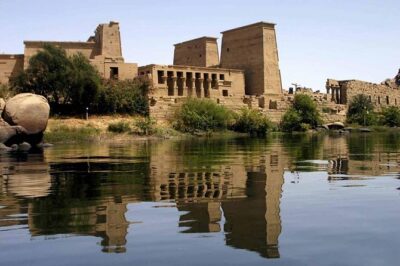
4-Day 3-Night Nile Cruise from Aswan to Luxor&Abu Simbel+Balloon
Read our review →
4-Day 3-Night Nile Cruise from Aswan to Luxor including Abu Simbel, Air Balloon
Read our review →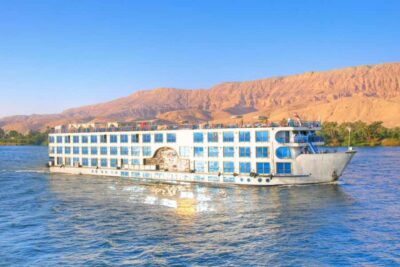
4-Day Nile Cruise from Aswan to Luxor with Guide
Read our review →4-Days Nile Cruise From Aswan To Luxor including Abu Simbel and Hot Air Balloon
Read our review →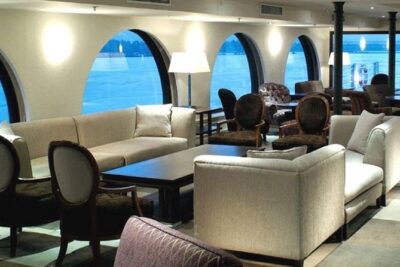
4-Day 3-Night Nile Cruise from Aswan to Luxor – Private Tour
Read our review →4 Days Nile Cruise from Aswan to Luxor including Abu Simbel and Hot Air Balloon
Read our review →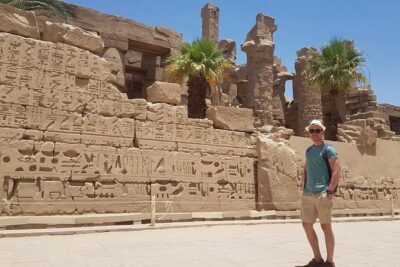
4-Day 3-Night Nile Cruise from Aswan to Luxor With Balloon and Abu Simbel
Read our review →Browse the lists this tour appears in